Abivax’s Rollercoaster Week: Obefazimod’s Clinical Triumph Overshadowed by Safety Skepticism
In the high-stakes world of biotechnology, few events can trigger a market reaction as violent as the intersection of stellar clinical data and ambiguous safety signals. This past week, French biotech firm Abivax (Euronext Paris and Nasdaq: ABVX) found itself at the epicenter of such a storm. As the company announced promising Phase III maintenance data for its lead drug candidate, obefazimod—a novel oral therapy for ulcerative colitis (UC)—it simultaneously faced a fierce investor backlash over a cluster of malignancies reported during the study. The resulting market volatility served as a stark reminder of the delicate balance between medical innovation and regulatory scrutiny.
The Core Conflict: Efficacy vs. Safety Signals
The controversy stems from the topline results of the Phase III ABTECT maintenance trial (NCT05535946), which evaluated the efficacy and safety of obefazimod, a small molecule upregulator of miR-124, in adults suffering from moderately to severely active ulcerative colitis.
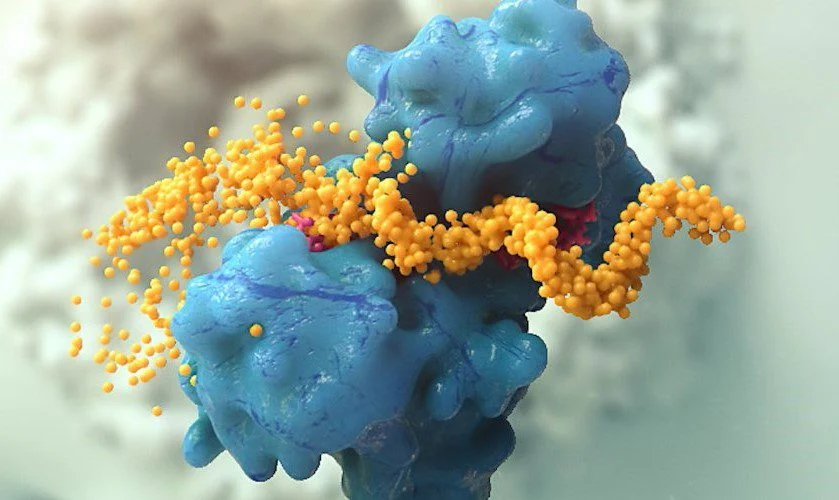
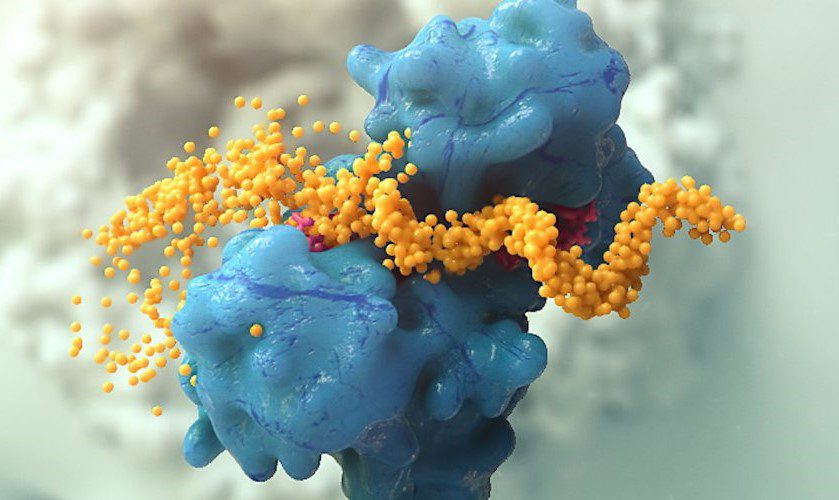
The drug, which functions by enhancing the anti-inflammatory microRNA miR-124 to downregulate inflammatory cytokines like TNF-alpha and IL-6, posted results that many experts described as "transformational." However, the celebration was cut short when data revealed that nine patients out of the 580 enrolled in the study had been diagnosed with malignancies.
For investors, the term "malignancy" acts as an immediate red flag, often triggering fears of "black box" warnings—the FDA’s most stringent labeling requirement—or even total rejection of a New Drug Application (NDA). The market’s initial reaction was swift and unforgiving: shares of Abivax plummeted approximately 44% on June 2, wiping out significant value in a single trading session as analysts scrambled to adjust their outlooks.
A Chronology of Volatility
The week began with high anticipation as Abivax prepared to release the ABTECT maintenance data. When the data dropped, the clinical success was undeniable, yet the inclusion of the malignancy report in the disclosure acted as a catalyst for a massive sell-off.
- June 2: Following the disclosure of the nine malignancy cases, Abivax shares on Euronext Paris collapsed from €111.80 to €63.10, while Nasdaq-listed American depositary shares (ADSs) plunged from $129.69 to $72.50.
- Mid-Week Recovery: As the dust settled, a second wave of analysis emerged. Rather than focusing solely on the safety signal, several prominent analysts began to emphasize the drug’s superior efficacy compared to existing market incumbents. This narrative shift sparked a steady recovery, with shares bouncing back roughly 40% from their lowest point.
- End of Week: By the close of trading on Friday, the stock had stabilized, though it remained down roughly 23% over the five-day period. The recovery suggested that while the market is cautious regarding safety, it remains deeply invested in the potential of obefazimod to become a standard-of-care treatment.
Supporting Data: Why the Bullish Case Persists
Despite the malignancy concerns, the efficacy data provided by Abivax were, by most accounts, industry-leading. The primary endpoint of the ABTECT trial was achieved with remarkable clarity. Obefazimod demonstrated absolute clinical remission rates of 50.8% for the 25 mg dose and 51.3% for the 50 mg dose, compared to a mere 10.4% in the placebo group.
When adjusted for placebo, the results were even more compelling:
- 25 mg dose: 39.3% placebo-adjusted clinical remission rate (p<0.0001).
- 50 mg dose: 40.3% placebo-adjusted clinical remission rate (p<0.0001).
Furthermore, the drug’s performance in endoscopic remission—a critical metric for long-term patient outcomes—was staggering. Abivax reported placebo-adjusted endoscopic remission rates of 38% (50 mg) and 31% (25 mg). These figures significantly outperformed established competitors, including Eli Lilly’s Omvoh® (8%) and AbbVie’s Skyrizi® (8%).
Abivax CEO Marc de Garidel addressed these findings with conviction: “While most therapies cluster in the 8% to 20% range, obefazimod stands alone at 31% and 38%. This finding is particularly important because achieving endoscopic remission has been consistently associated with lower relapse rates and better long-term patient outcomes.”
Investigating the Cancer Signal: Official Responses
The nature of the nine malignancy cases—three squamous cell carcinomas, three basal cell carcinomas, one prostate cancer, one breast cancer, and one case of colonic dysplasia—was scrutinized heavily by investigators.
Abivax’s leadership and external analysts moved quickly to contextualize these findings. The company noted that the prostate, breast, and colon cancer cases were deemed unrelated to treatment by investigators. Regarding the skin cancers, the company pointed out that at least one patient had a pre-existing medical history of skin cancer, and others were evaluated as unlikely to be drug-related.
Thomas J. Smith of Leerink Partners echoed this sentiment in a research note: “We do not view the reported malignancies as an outsized or approvability-limiting safety risk, particularly given the absolute low event counts, investigator assessment that the non-NMSC (non-melanoma skin cancer) malignancies were unrelated to treatment, and lack of organ-specific clustering.”
Jason Butler of Citizens JMP Securities added further support, maintaining a "Market Outperform" rating and raising his price target to $187. "We view efficacy as best in indication, easily surpassing drugs across all approved classes of UC therapies," Butler wrote. "We are comfortable that the drug is not associated with a clear malignancy risk."
The "Black Box" Debate and Strategic Implications
The primary concern among institutional investors remains the potential for an FDA "black box" warning. Wedbush analyst David Nierengarten, while upgrading the stock to "Neutral," warned that the data increases the risk of a cautionary label. Conversely, other analysts suggest that the overall benefit-risk profile remains so favorable that a warning, even if present, would not deter widespread clinical adoption.
For Abivax, the roadmap is clear. The company intends to submit its New Drug Application (NDA) to the FDA in late 2026. This timeline is critical, as the company has been consistently cited as a prime candidate for acquisition. With pharma giants like Merck, Roche, and Pfizer having spent billions in recent years to bolster their inflammatory bowel disease (IBD) pipelines, the "transformational" potential of obefazimod makes Abivax a jewel in the crown of the current biotech market.
Future Outlook: A New Standard of Care?
As the company looks toward its Phase IIb ENHANCE-CD trial in Crohn’s disease, expected to yield results in mid-2027, the focus remains on proving that obefazimod is more than just a potent anti-inflammatory—it is a durable, safe, and convenient oral alternative to the biologics that currently dominate the market.
The events of this past week demonstrate that while clinical data remains the heartbeat of biotech valuation, investor psychology is increasingly driven by the "safety-first" mandates of the regulatory environment. For Abivax, the challenge in the coming months will be to continue its transparent communication with the medical community and the FDA, ensuring that the remarkable efficacy of obefazimod is not lost in the noise of clinical trial statistics.
If the company can successfully navigate the NDA process, obefazimod may well redefine the standard of care for millions suffering from ulcerative colitis, proving that in the quest for medical innovation, the most challenging hurdles are often those that test a company’s resilience against the tide of market sentiment.