A Marathon of Compassion: Summer Games Done Quick 2025 Surpasses $2.4 Million Goal
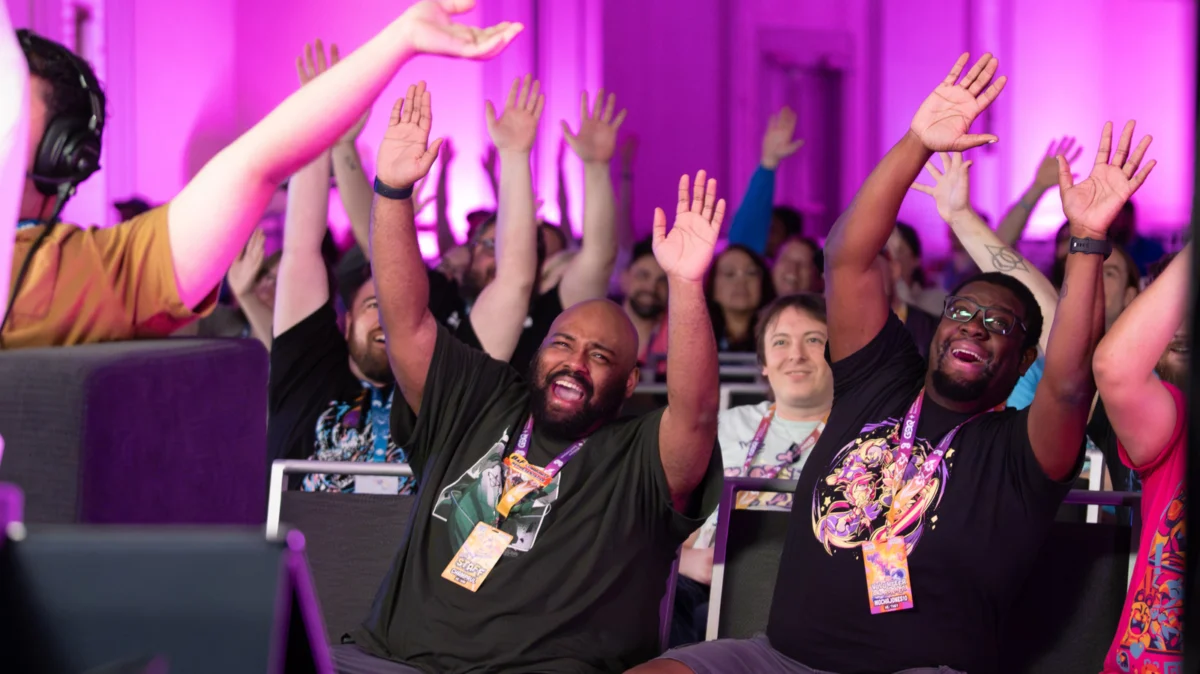
The digital corridors of Twitch and YouTube were once again transformed into a massive engine for global philanthropy as Summer Games Done Quick (SGDQ) concluded its 2025 installment. Running from July 5 to July 11, the week-long speedrunning marathon served as a masterclass in community engagement, culminating in an impressive $2,408,701 donation total for Doctors Without Borders (Médecins Sans Frontières).
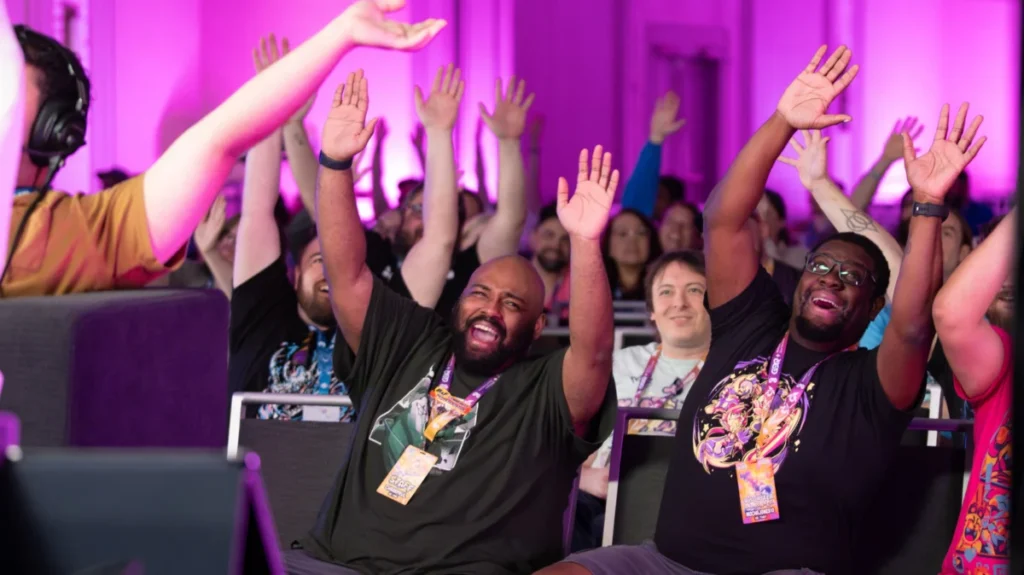
By blending elite-level gaming expertise with a charitable mission, the event reinforced its status as the premier fixture in the speedrunning calendar. This year’s gathering in Minneapolis saw a triumphant return to the energy of live, in-person crowds while maintaining the massive digital footprint that has become the hallmark of the organization.
The Chronology of a High-Stakes Week
The event commenced on the morning of July 5, signaling the start of a non-stop, 24/7 broadcast schedule. For seven consecutive days, the world’s most talented speedrunners took to the stage to demonstrate their mastery over both classic titles and modern indie hits.
The Opening Days: Building Momentum
The initial phase of the marathon focused on establishing the fundraising rhythm. The early slots featured a mix of community favorites and high-energy platformers, designed to draw in the global audience and ignite the donation tracker. As the stream progressed, the community’s engagement—evidenced by the frantic pace of the donation feed—indicated that the event was on track to match, if not exceed, previous fundraising benchmarks.
Mid-Week Milestones and The "Balatro" Phenomenon
By Wednesday, the event had moved into its middle chapters, where the complexity of the games increased. A standout moment occurred during a run of the rogue-like poker game Balatro. The runner navigated complex RNG (random number generation) scenarios with surgical precision, beating "all odds" and drawing record-breaking concurrent viewership for a game of its genre. The high-tension gameplay served as a perfect catalyst for donation spikes, demonstrating how effectively high-stakes digital performance can translate into real-world humanitarian aid.
The Final Stretch: Records and Revelations
As the clock ticked toward Sunday morning, the atmosphere in the Minneapolis venue reached a fever pitch. The final hours were punctuated by the highly anticipated "finale" runs, which historically draw the largest audiences of the entire event. The collective fatigue of the runners and organizers was eclipsed by the surge of donations, as viewers rushed to reach the final goal before the closing ceremonies.
Supporting Data: By the Numbers
The success of SGDQ 2025 is not merely anecdotal; it is defined by a rigorous set of metrics that highlight the scale of the operation:
- Total Funds Raised: $2,408,701.
- Duration: 7 days of continuous, 24/7 broadcast coverage.
- In-Person Attendance: Approximately 2,500 registered participants and spectators.
- Digital Reach: Hundreds of thousands of unique viewers across Twitch and YouTube.
- Key World Record: Streamer Bluekandy set a new world record for a "No Dupes" run of Kirby Air Ride, clocking in at 37 minutes and 54 seconds.
These figures illustrate a robust ecosystem. The transition from a niche hobby practiced in bedrooms to a professionalized, high-production charitable event is complete. The infrastructure required to manage the logistics of 2,500 people, hundreds of hours of broadcast hardware, and the real-time processing of millions of dollars in donations reflects the maturity of the speedrunning community.
Official Responses and The Human Element
The organizers of Games Done Quick have long emphasized that the core of the event is not the games themselves, but the human lives impacted by the funds. In their post-event statement, leadership expressed profound gratitude toward both the runners and the anonymous donors who make the mission possible.
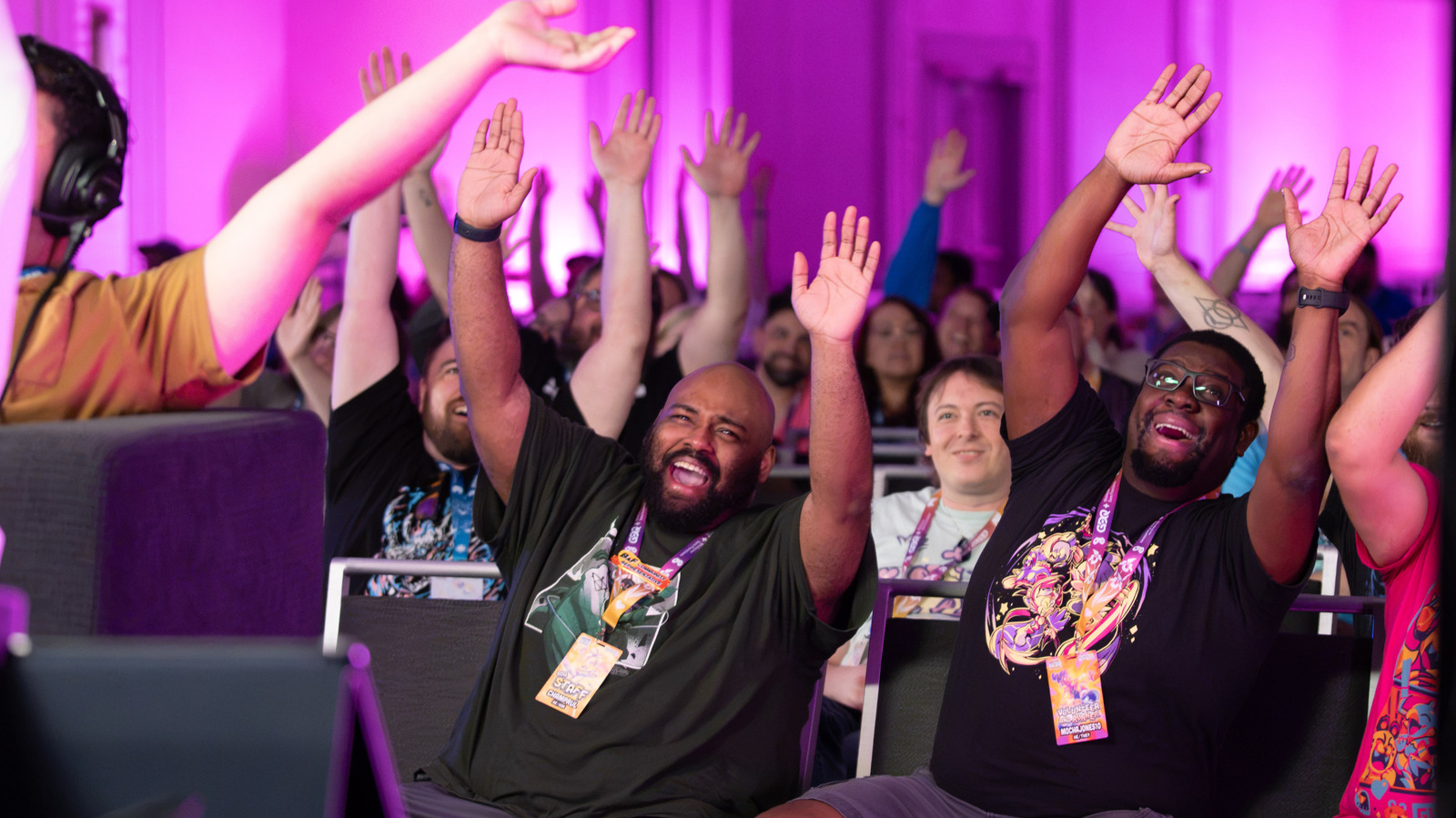
"The dedication shown by our runners—many of whom have spent years perfecting a single game—is mirrored only by the generosity of our audience," said an event spokesperson. "When you see thousands of people from across the globe contributing whatever they can to support Doctors Without Borders, it serves as a powerful reminder of the positive impact gaming communities can have on a global scale."
The runners themselves, often humble about their achievements, noted that the pressure of the live environment—combined with the knowledge that thousands of dollars are being raised for medical relief—adds a layer of intensity that cannot be replicated in a home setting. For many, the "impromptu" moments—such as the viral beatboxing during the Resident Evil: Requiem run—are what truly define the "Games Done Quick" experience: a celebration of personality, skill, and camaraderie.
Implications for the Future of Charitable Gaming
The consistent ability of SGDQ to raise over $2 million annually carries significant implications for the future of digital philanthropy.
The Normalization of Digital Philanthropy
SGDQ has proven that online streaming is not merely an entertainment medium but a viable philanthropic engine. By leveraging the parasocial bond between streamers and their audiences, the event has created a sustainable model for raising capital for NGOs. Doctors Without Borders, which relies heavily on private donations to provide medical care in conflict zones and regions suffering from epidemic diseases, views the partnership as a critical component of their annual funding.
The Evolution of the "Speedrun"
Technically, the quality of runs seen this year suggests that the "skill ceiling" for speedrunning is nowhere near being hit. With advanced tools like frame-data analysis, community-developed "practice ROMs," and intense, collaborative research, runners are finding ways to shave seconds off records that were once thought to be optimal. This evolution keeps the content fresh for viewers, ensuring that the spectacle remains compelling year after year.
The Hybrid Event Model
The 2025 event also serves as a successful case study for hybrid events. While the pandemic forced the community to pivot entirely to virtual spaces, the return to in-person attendance while keeping a robust digital gate has allowed SGDQ to capture the best of both worlds. The energy of the crowd acts as a force multiplier for the stream, creating a "you had to be there" atmosphere that drives higher engagement and, by extension, higher donations.
Conclusion: A Legacy of Generosity
As the curtains closed on the Minneapolis stage and the last of the cables were coiled, the legacy of SGDQ 2025 remained clear. It is a testament to the fact that play, when organized with purpose, can change the world.
The $2.4 million raised will go directly to medical facilities, surgical supplies, and vaccination programs facilitated by Doctors Without Borders. For those who missed the live action, the full archive remains available on the official Games Done Quick YouTube channel—a digital time capsule of a week spent pushing the limits of gaming for the betterment of humanity.
The organizers are already looking ahead, with plans for the next major event already in the works. As the speedrunning community continues to grow, one thing remains certain: as long as there are games to be played, this community will continue to find new ways to give back.