Beyond the Monochrome: Are Vibrant Magenta and Peach Coming to the Pixel 11?
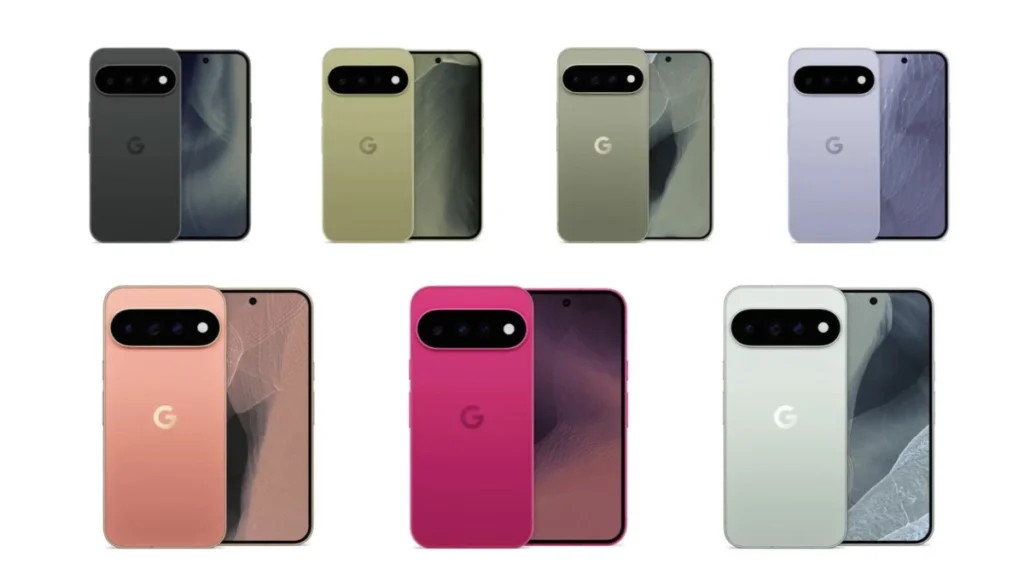
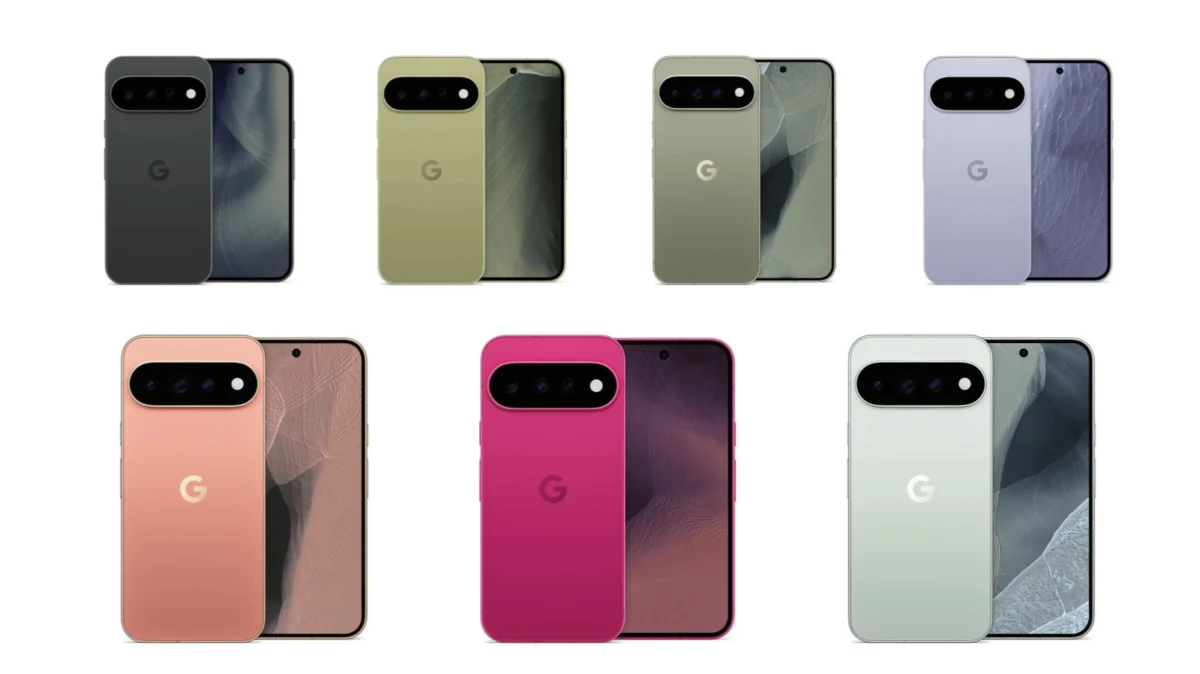
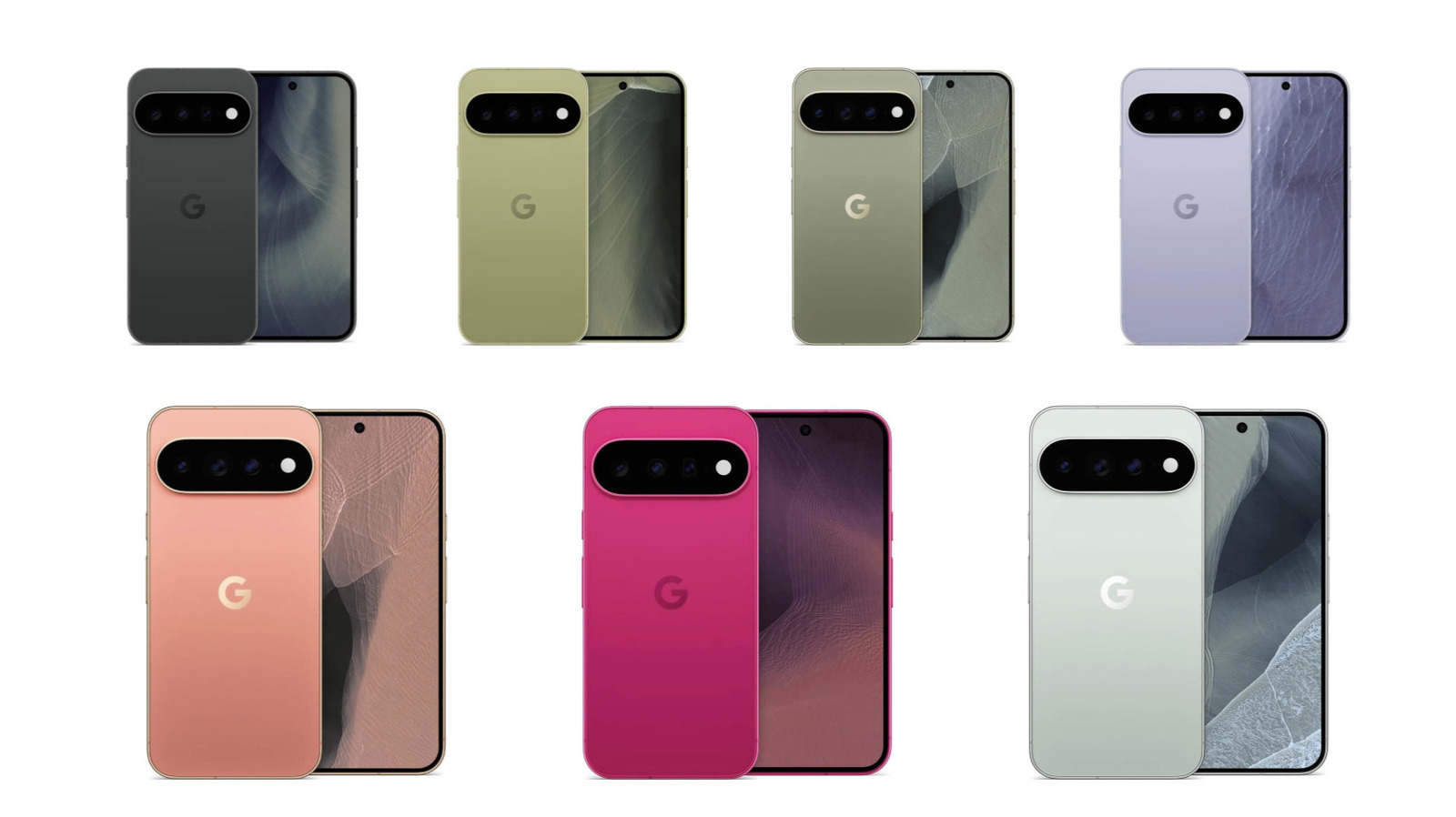
The smartphone industry has long been dominated by a sea of "safe" colors—obsidian black, porcelain white, and various iterations of slate gray or metallic silver. While these professional, minimalist aesthetics have their place, a growing segment of the consumer base is clamoring for a return to personality. Recent developments suggest that Google may be listening. A series of curious, albeit temporary, listings on Amazon has ignited speculation that the upcoming Pixel 11 might launch with a strikingly bold color palette, featuring eye-catching magenta and soft, rosy peach options.
As the tech community turns its eyes toward Google’s anticipated August 12th showcase, these leaks have provided a much-needed injection of excitement into the pre-launch cycle. While the listings have since vanished, the digital breadcrumbs they left behind offer a fascinating glimpse into what could be the most visually daring Pixel lineup to date.
The Core Facts: What the Amazon Listings Revealed
The buzz began when eagle-eyed observers at 9to5Google discovered a trio of product placeholders on Amazon that appeared to correspond to the upcoming Google Pixel 11. These listings did not merely suggest new hardware; they hinted at a fundamental shift in Google’s color strategy.
According to the reports, the placeholders showcased the device in two distinct, non-traditional shades: a high-saturation magenta and a delicate, warm peach. What lent immediate credibility to these listings—despite their ephemeral nature—were the technical inconsistencies contained within the metadata. The product titles and the internal descriptions utilized different naming conventions for the colorways, with the secondary set of names aligning perfectly with previous industry rumors regarding a "fuchsia" model.
In the world of supply chain leaks, such discrepancies are often a hallmark of "placeholder" data entered by third-party logistics partners or retail inventory systems ahead of an official product announcement. While the listings were pulled shortly after being identified, the mere existence of these specific color references suggests that these options are moving through the internal retail pipeline, even if they aren’t ready for public consumption.
A Chronology of the Pixel 11 Speculation
To understand the weight of these recent leaks, one must look at the timeline of events leading up to the upcoming August event.
- Early July 2026: Initial reports began to surface regarding the pricing and storage configurations for the Pixel 11. These early rumors hinted at a premium price point, suggesting that Google intends to push the device further into the flagship tier.
- July 7, 2026: A secondary leak emerged, reinforcing the theory that Google was experimenting with more expressive color palettes. This leak specifically mentioned the potential for a fuchsia-leaning device, which analysts at the time dismissed as a possible limited-edition "special release."
- July 13, 2026: The discovery of the Amazon listings by 9to5Toys provided the first visual-adjacent evidence. The listings confirmed that the color names were not just speculative blog fodder but were actively being integrated into retail backend systems.
- July 14, 2026: Following widespread media coverage, the Amazon pages were scrubbed, effectively confirming that the information had been leaked prematurely rather than being a scheduled promotional reveal.
- August 12, 2026 (Upcoming): The official Google hardware event. This remains the definitive date when the industry will see if these colors move from the retail backend to the stage.
Supporting Data: Why Color Matters in the Flagship Era
Why would a tech giant like Google risk introducing "frivolous" colors like magenta and peach to a high-end smartphone? The answer lies in the current state of the mobile market.
According to market research on consumer electronics, the "commoditization" of smartphones has led to a plateau in hardware design. When year-over-year camera and processor improvements become incremental rather than revolutionary, aesthetic differentiation becomes a primary driver of consumer interest.
The Psychology of Vibrant Tech
Color is a powerful marketing tool. Magenta, often associated with creativity, energy, and boldness, appeals to a younger demographic that views their tech as an extension of their personal style. Peach, on the other hand, taps into the "warm minimalism" trend currently dominating interior design and lifestyle products. By offering these choices, Google isn’t just selling a phone; they are selling an accessory.
Inventory Management and the Retail Pipeline
The fact that these colors appeared on Amazon is significant because it indicates a level of logistics preparation. Large-scale retail partners do not create placeholder entries for products unless they have received SKU (Stock Keeping Unit) information from the manufacturer. If these colors were merely "concepts," they would not have reached the stage of internal inventory databases. This suggests that the Pixel 11 is likely entering mass production with these colorways finalized.
The Silence from Mountain View: Official Responses
As is standard procedure for Google, the company has maintained a strict "no comment" policy regarding the leaks. A representative for Google did not respond to requests for clarification regarding the Amazon listings.
This silence is deliberate. Google’s internal PR strategy for the Pixel line is highly structured, focusing on controlled reveals during their keynote events. By ignoring the leaks, the company prevents the news cycle from becoming stale before the official announcement. However, historically, Google has leaned into these leaks once they reach a certain level of saturation, often opting to "tease" the official product on social media in the days leading up to an event to capitalize on the existing momentum.
Implications: The Shift Toward Consumer-Facing Design
If the Pixel 11 indeed arrives in magenta and peach, the implications for the broader smartphone industry could be profound.
A Challenge to the "Professional" Aesthetic
For years, manufacturers have argued that high-end phones must look "serious." Apple’s move toward muted titanium tones and Samsung’s reliance on classic metallics have reinforced this. If Google, a company that prides itself on the "Material You" design language (which emphasizes personalization), pushes for these vibrant colors, it could trigger a market-wide shift. We may see competitors abandon the "monochrome-only" approach to their Pro-tier devices to avoid losing customers who want a phone that feels unique.
The Cost of Personalization
There is, however, a caveat. High-end devices are becoming increasingly expensive. As the cost of components—such as advanced AI processors and foldable display tech—continues to rise, the "premium" tax on consumers is growing. The editorial sentiment remains: if we are expected to pay flagship prices for our devices, we should be entitled to a wider variety of aesthetic choices. A phone is no longer just a tool; it is a primary device that users carry for 16 hours a day. Making that device an expression of joy rather than a slab of grey metal is a consumer-friendly move that justifies a higher price point.
The Risk of Niche Appeal
The potential downside to these vibrant colors is the resale value. Historically, standard colors like black and white hold their value better on the secondary market. If Google pushes these colors, they are making a bet that the current market values immediate aesthetic satisfaction over long-term trade-in depreciation. It is a bold move that highlights Google’s increasing confidence in its brand identity—a confidence that is finally allowing them to move past the need to look like a generic corporate device.
Conclusion: Waiting for the Big Reveal
As we count down the days to the August 12th event, the excitement surrounding the Pixel 11 is palpable. Whether or not these magenta and peach models make it to the stage, the conversation they have sparked is evidence of a deeper desire for change in the mobile industry.
Consumers are tired of the "safe" choices. They want technology that reflects the vibrancy of their lives. If Google can deliver on the promise of these leaked colorways, they might just succeed in doing what no other smartphone manufacturer has managed in years: making the act of buying a new phone feel like an act of personal expression rather than a boring, necessary upgrade.
We will be covering the event live, and we will be the first to tell you if that fuchsia-hued dream finally becomes a reality. Until then, we wait, we watch, and we hope for a little more color in our digital lives.