The Ink Interference: Why Your Fitness Tracker and Your Tattoos Are at Odds
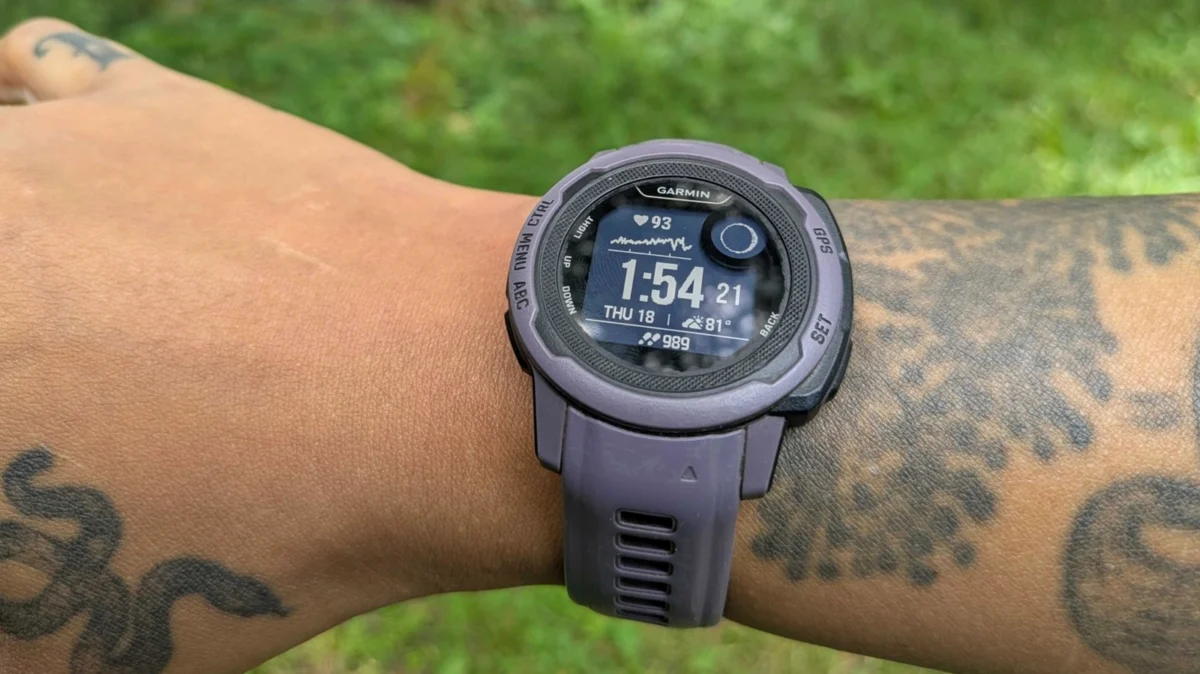
For millions of people, the daily ritual of fastening a smartwatch or fitness tracker is as routine as brushing their teeth. These devices have evolved from simple pedometers into sophisticated health hubs capable of monitoring blood oxygen levels, tracking complex sleep cycles, and alerting users to cardiac irregularities. However, for a growing segment of the population, these technological marvels come with a frustrating caveat: if you have a tattoo on your wrist, your device may be essentially blind.
The problem is widespread, documented across countless threads on Reddit, Apple Support, and Google’s own community forums. Users frequently report that their high-end wearables fail to register their heart rate, refuse to recognize they are being worn, or repeatedly demand a passcode as if they had been removed from the wrist. While the industry continues to push the boundaries of wearable tech, the fundamental interaction between light-based sensors and ink-laden skin remains a stubborn, unresolved obstacle.
The Physics of the Problem: Photoplethysmography (PPG)
To understand why a piece of art on your skin can cripple a piece of advanced electronics, one must first understand how these devices "see." Most modern fitness trackers utilize a technique called photoplethysmography (PPG).
At its core, PPG is deceptively simple. When you flip over your smartwatch, you will notice a cluster of LEDs—usually green. These lights shine into the skin, and a photodetector measures the amount of light reflected back. Because blood absorbs green light, the amount of light that returns to the sensor fluctuates in sync with the pulsing of blood through your capillaries. By measuring these fluctuations, the device calculates your heart rate.
The conflict arises because tattoo ink is designed to sit permanently in the dermis—the layer of skin just below the epidermis. When an optical sensor attempts to pass light through skin saturated with dark, dense pigments, the ink absorbs or scatters the light before it can reach the capillaries or return to the sensor. Effectively, the tattoo acts as a physical barrier, creating a "noise" that the device’s software cannot filter out.
Furthermore, these devices rely on "off-wrist detection." This mechanism uses a combination of accelerometers, electrical sensors, and additional light emitters to confirm the device is still in contact with the wearer. When the sensor fails to detect a consistent pulse or skin contact due to the ink, it concludes the watch has been taken off, triggering the security protocols that lock the screen.
A Chronological Perspective: A Long-Standing Technical Headache
The "tattoo issue" is not a new phenomenon; it has tracked alongside the rise of the wearable industry itself.
- 2015: As the first generation of the Apple Watch hit the market, early adopters—specifically those with full sleeves—began reporting that their devices were failing to track heart rate accurately. This was the first major public awareness of the issue.
- 2016–2019: As wearables became mainstream, the volume of complaints on forums grew. Garmin, Fitbit, and Samsung users joined the chorus of frustration. During this period, the industry largely dismissed these as edge cases, often recommending that users simply switch wrists.
- 2020–2023: With the integration of more advanced sensors (such as SpO2 and ECG), the sensitivity requirements for these devices increased. The more complex the sensor, the more susceptible it became to interference from pigment, leading to a new wave of complaints regarding "smart" features failing to activate.
- 2025: A landmark study published in early 2025 attempted to bring empirical rigor to the debate, moving beyond anecdotes to quantify exactly how much, and under what conditions, ink interferes with data.
Official Responses and Industry Stance
Major manufacturers have been slow to innovate a fix, opting instead to issue disclaimers in their support documentation.
Garmin’s official stance is direct: "Tattoos (ink, pattern, saturation) can block the heart rate sensor’s light, causing inaccurate or missing readings. For best performance, wear the watch on skin that is free of tattoos if possible."
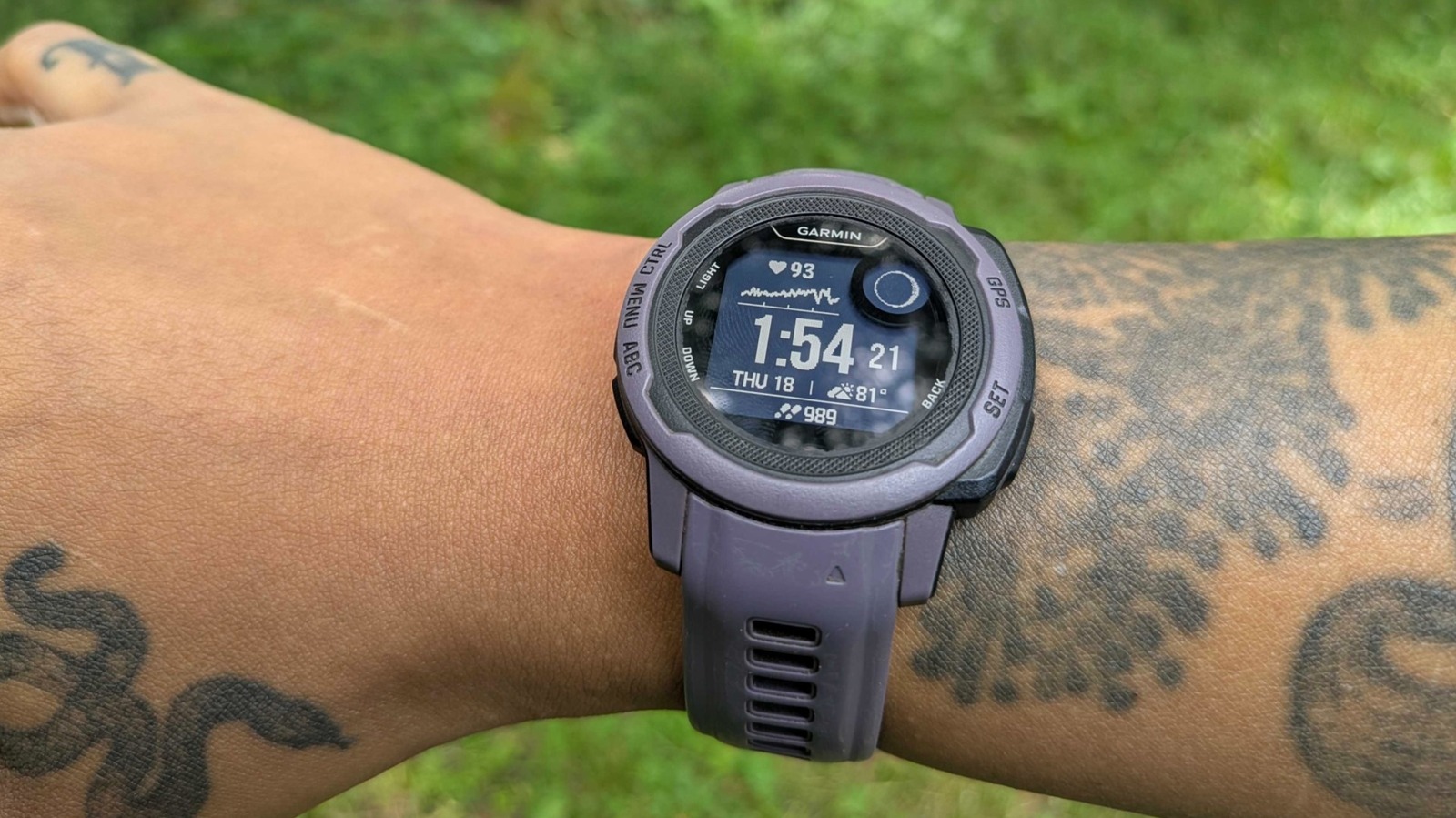
Apple, which faced the brunt of the initial public outcry in 2015, has maintained that the sensors are optimized for specific skin conditions. While the company has refined its algorithms over the years, the hardware limitation persists.
The consensus among tech giants is clear: they view the sensor-ink interaction as a physical limitation of light-based technology rather than a software bug. By placing the onus on the consumer to move the device to an un-inked area, companies have largely avoided the significant R&D investment required to create multi-spectrum sensors capable of penetrating various pigment densities.
Supporting Data: What the Research Says
For years, the "tattoo problem" was treated as a user error. The 2025 study mentioned earlier changed the narrative by providing a baseline for comparison. By testing devices like the Polar Verity Sense against a gold-standard Polar H10 chest strap, researchers were able to map the discrepancy.
The data revealed a nuance: the interference is not binary. It is not simply "working" or "broken." Instead, the level of error is highly dependent on:
- Ink Saturation: Denser, darker, and more saturated ink blocks significantly more light.
- Activity Level: Interestingly, the study found that at rest, the inaccuracy is at its peak. As the wearer begins to jog or engage in high-intensity exercise, the physiological change in blood flow—combined with the movement of the device—can sometimes allow the sensor to "find" a rhythm, though accuracy remains compromised compared to clear skin.
- Color: While black and dark blue inks are the most problematic, even lighter, more vibrant colors can alter the wavelength of the light being reflected, potentially skewing the data.
Implications: The Equity and Accessibility Gap
The most concerning implication of this technical hurdle is not just about a consumer’s inability to track their steps. It touches upon a broader issue of inclusivity in health-tech design.
Light-based sensors have long been criticized for their reduced reliability on darker skin tones, a problem that is compounded by the addition of tattoos. When a device is designed primarily with a specific skin type in mind, it creates a tiered experience. Those with tattoos—or those with high levels of melanin—often receive less accurate health metrics, which can be critical for individuals monitoring their heart health for medical reasons.
The industry is now at a crossroads. If wearables are to become genuine medical-grade devices, they must be able to account for the diversity of human skin. Currently, the "solution" is to offer workarounds: using epoxy stickers, wearing chest straps, or simply moving the device. These are, at best, band-aid solutions for a sophisticated technical failure.
Looking Forward: How to Cope
If you are a tattooed individual frustrated by your tracker, you are not out of options, though they require compromise:
- The "Other Side" Approach: If your forearm is tattooed but the underside of your wrist is clear, try rotating the device. This is often the most effective method for maintaining sensor contact.
- The Sticker Hack: Many users have found success with clear epoxy stickers or high-quality adhesive tape placed over the sensor. While it sounds counterintuitive, these can sometimes act as a lens or a spacer, allowing the sensor to focus more effectively on the skin’s pulse rather than the surface ink.
- External Sensors: For those serious about health data, the most accurate path remains the chest strap (e.g., Polar H10). These bypass the wrist entirely and use electrical signals to track heart rate, rendering the tattoo issue irrelevant.
- Strategic Placement: Some runners and cyclists opt for armbands (bicep mounts) that utilize the same PPG technology but can be placed on areas of the body with less ink density.
Conclusion
The friction between tattoo art and wearable technology is a poignant reminder that while we have entered the age of "smart" health, our hardware is still subject to the laws of physics. Until manufacturers invest in sensor arrays that can calibrate for pigment density—or pivot to non-optical sensing methods—the tattoo issue will remain a persistent barrier to entry for millions of users. For now, the best advice remains to test your device before committing to a purchase, or prepare to find a, quite literally, "blank spot" in your lifestyle.