The Silent Revolution: How Smart Level Sensors are Reshaping Industrial Operations
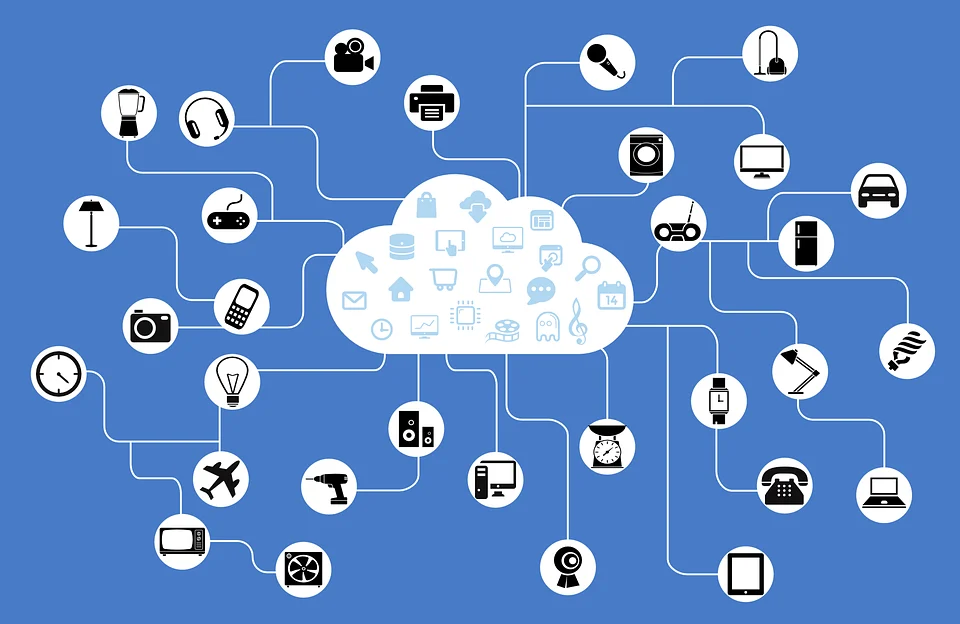
In the modern industrial landscape, data is the new currency. From sprawling petrochemical refineries and municipal water grids to precision agricultural silos, the mandate is clear: improve efficiency, minimize waste, and eliminate the catastrophic costs associated with unplanned downtime. While headlines often focus on robotics and artificial intelligence, a quieter, more fundamental transformation is occurring at the infrastructure level. The modern level sensor, once a rudimentary mechanical float, has evolved into a sophisticated Industrial IoT (IIoT) powerhouse that acts as the eyes and ears of the digital factory.
The Evolution of Liquid Monitoring: A Chronology of Change
For decades, the monitoring of tank and vessel inventory was a manual, labor-intensive, and hazardous practice. To understand the gravity of the shift toward smart systems, one must look at how the industry has evolved:
- The Manual Era (Pre-2000s): Inventory management was entirely reactive. Technicians were required to physically climb silos, traverse hazardous tank farms, and perform "sticking" or manual gauging. This era was characterized by "information lag"—data was often hours or days old by the time it reached a manager’s desk.
- The Wired Automation Era (2000–2015): The introduction of PLC-integrated wired sensors allowed for localized monitoring. While this improved accuracy, it was prohibitively expensive to scale, as every sensor required extensive copper cabling, trenching, and dedicated power supplies.
- The IIoT Integration Era (2015–Present): The convergence of low-power wide-area networks (LPWAN) and cloud computing has democratized access to real-time data. Today, a sensor on a remote water reservoir can transmit precise levels to a centralized dashboard via cellular or satellite links, requiring no physical infrastructure beyond the sensor unit itself.
Core Capabilities of Modern Smart Level Systems
Smart level monitoring goes far beyond simple measurement. Today’s systems integrate sensing hardware with wireless communication and cloud-based analytics to provide a continuous, 360-degree view of industrial assets. These systems are capable of:
- Automated Inventory Management: Eliminating the "guesswork" of stock levels, which prevents both over-ordering and the dreaded "tank runout."
- Threshold-Based Alerting: Operators receive instant notifications via SMS, email, or API integration when levels cross critical high or low-water marks.
- Historical Trend Analysis: By logging data over time, systems can predict when a tank will reach capacity, allowing for the optimization of supply chain logistics and delivery scheduling.
- Leak Detection: By monitoring consumption rates, systems can identify anomalies—such as a sudden drop in fluid levels—that indicate a breach, pipe burst, or theft.
The Economic and Safety Implications
The shift away from manual monitoring is driven by a stark reality: human error and inefficiency are expensive. In industries such as oil and gas or chemical processing, tanks are often located in remote, difficult-to-access, or hazardous environments.
Reducing Operational Risk
Sending personnel to remote sites for routine inspections is one of the highest safety risks in the energy sector. By transitioning to remote monitoring, companies significantly reduce the frequency of site visits, thereby decreasing the exposure of staff to hazardous gases, extreme weather, and mechanical accidents.
Enhancing Resource Management
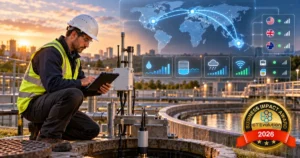
In the wastewater and water management sectors, smart sensors act as an early warning system. During heavy rainfall, connected level sensors in stormwater basins provide real-time data to municipal authorities, enabling them to preemptively manage overflow risks. This level of responsiveness is impossible with scheduled manual checks and can prevent millions of dollars in flood-related infrastructure damage.
Technological Pillars: Connectivity and Sensing
The rapid adoption of smart monitoring is underpinned by two primary technological breakthroughs: wireless connectivity and advanced non-contact sensing.
Wireless Protocols
The challenge of monitoring remote assets has been solved by protocols designed for the "Internet of Things."
- LoRaWAN: Ideal for long-range, low-power applications where sensors may be located miles from a gateway.
- NB-IoT and LTE-M: These cellular technologies offer superior penetration for underground or indoor tanks, providing reliable connectivity without the need for private network infrastructure.
- Wi-Fi and Satellite: Used in high-bandwidth or extreme-remote scenarios where standard cellular is unavailable.
Radar and Ultrasonic Dominance
Traditional float-based systems are increasingly being replaced by radar and ultrasonic sensors.
- Radar Level Sensors: These are the gold standard for high-accuracy applications. Because radar is unaffected by temperature, pressure, or vapor, it provides millimeter-level accuracy even in harsh chemical environments.
- Ultrasonic Sensors: These non-contact solutions are cost-effective and easy to deploy for standard water or liquid applications, where the absence of moving parts ensures a long, maintenance-free operational life.
Predictive Maintenance: Moving from Reactive to Proactive
Perhaps the most significant value proposition of IIoT is the shift to predictive maintenance. In traditional operations, equipment is serviced on a calendar basis, which is inherently wasteful—either the equipment is serviced too early (wasting parts and labor) or too late (resulting in failure).
By using sensor data to track the "health" of a system—such as monitoring the vibration or pressure in a pumping system alongside liquid levels—companies can identify abnormal patterns. For instance, if a pump is running but the tank level isn’t changing, the system can autonomously alert maintenance teams to a potential mechanical failure before the pump burns out. This transition reduces downtime, lowers repair costs, and significantly extends the lifespan of expensive capital equipment.
Challenges and Future Outlook
While the benefits are clear, the transition to smart monitoring is not without obstacles.
Cybersecurity
As physical assets become connected, they become potential entry points for cyberattacks. Securing the "edge"—the sensor itself—and the data transmission path is a top priority for CTOs. Modern systems are increasingly adopting end-to-end encryption to mitigate these risks.
Integration Hurdles
Many industrial facilities operate "legacy" equipment that is decades old. Integrating modern, digital-ready sensors with antiquated analog controls remains a hurdle. However, the rise of "IIoT Gateways"—devices that translate analog signals into digital data—is bridging this gap.
The Autonomous Future
Looking ahead, the industry is moving toward autonomous operations driven by Artificial Intelligence (AI). Future level sensors will not just report data; they will perform edge-based analysis. AI algorithms embedded directly into the sensor or the local gateway will be able to make real-time decisions, such as automatically adjusting pump speeds to balance a reservoir or ordering chemical refills based on predictive usage patterns, all without human intervention.
Conclusion
The transformation of the level sensor from a simple mechanical device to a key component of the Industrial IoT ecosystem is a testament to the power of digital integration. By providing real-time visibility, enhancing safety, and enabling predictive maintenance, these technologies are helping industries navigate an increasingly complex and competitive landscape.
As sustainability goals become more stringent and the need for operational efficiency grows, smart level monitoring is shifting from a "nice-to-have" luxury to a fundamental requirement. Organizations that embrace this transition today are not just digitizing their operations—they are building the resilient, responsive, and efficient infrastructure necessary to compete in the data-driven economy of tomorrow. The sensors are in place, the data is flowing, and the industrial world is becoming smarter, one tank at a time.