The Resurrection of Peppe’s Ghost: How a Raspberry Pi 5 is Democratizing High-End LiDAR Mapping
In the rapidly evolving landscape of spatial computing and digital twin technology, the barrier to entry has traditionally been guarded by a steep price tag. Professional-grade LiDAR (Light Detection and Ranging) scanners often cost tens of thousands of dollars, relegating high-fidelity 3D environment capture to specialized engineering firms and well-funded research institutions. However, a new project dubbed "Peppe’s Ghost" is challenging this status quo.
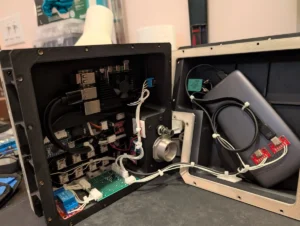
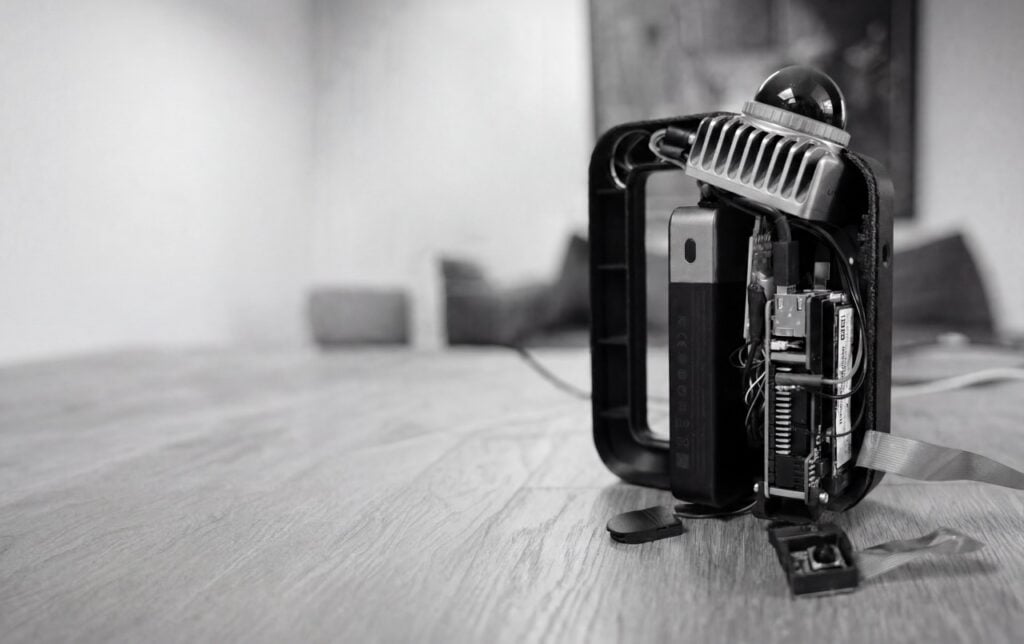
Built by an enigmatic industrial designer and powered by the latest Raspberry Pi 5, this DIY LiDAR scanner—housed in a chassis that evokes the "proton pack" aesthetics of Ghostbusters—is proving that hobbyist-level hardware can now handle the massive data throughput required for professional-grade point cloud generation.
Main Facts: A Symphony of Hardware and Heritage
At its core, Peppe’s Ghost is a portable, hand-held LiDAR scanning rig. Unlike traditional photogrammetry, which uses 2D images to reconstruct 3D shapes, LiDAR uses laser pulses to measure distances with millimeter precision. The project is significant not just for its technical achievement, but for the specific hardware stack it employs to overcome historical bottlenecks in DIY scanning.
The "brain" of the operation is the Raspberry Pi 5. The choice of the Pi 5 is critical; its predecessor, the Pi 4, while capable, often struggled with the concurrent demands of high-speed data ingestion from LiDAR sensors, synchronized image capture, and real-time data logging. The Pi 5’s improved PCIe 2.0 interface and its significantly faster Broadcom BCM2712 quad-core processor allow the device to manage a relentless stream of spatial data without the "bottlenecking" that plagued earlier DIY attempts.
Key Specifications:
- Processor: Raspberry Pi 5 (8GB RAM variant).
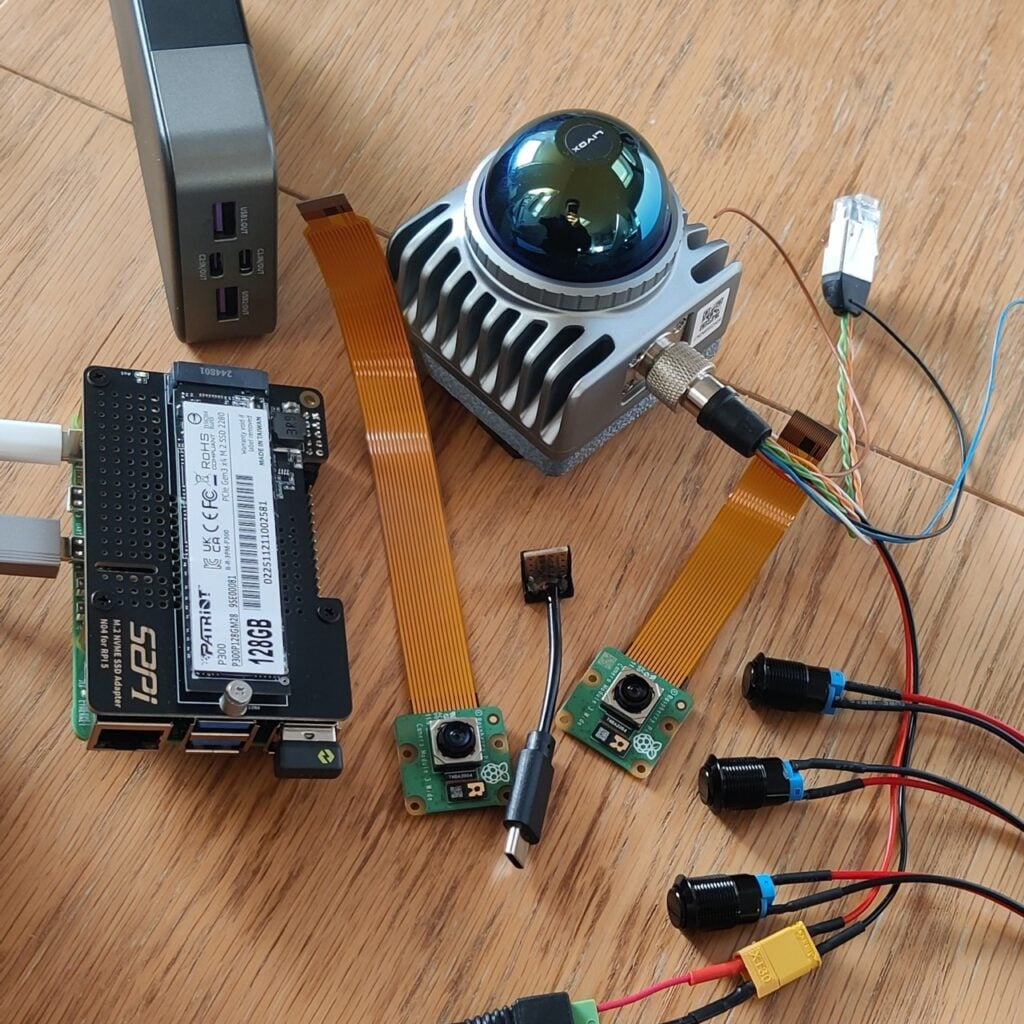
- Sensors: Industrial-grade LiDAR unit (interfaced via Ethernet).
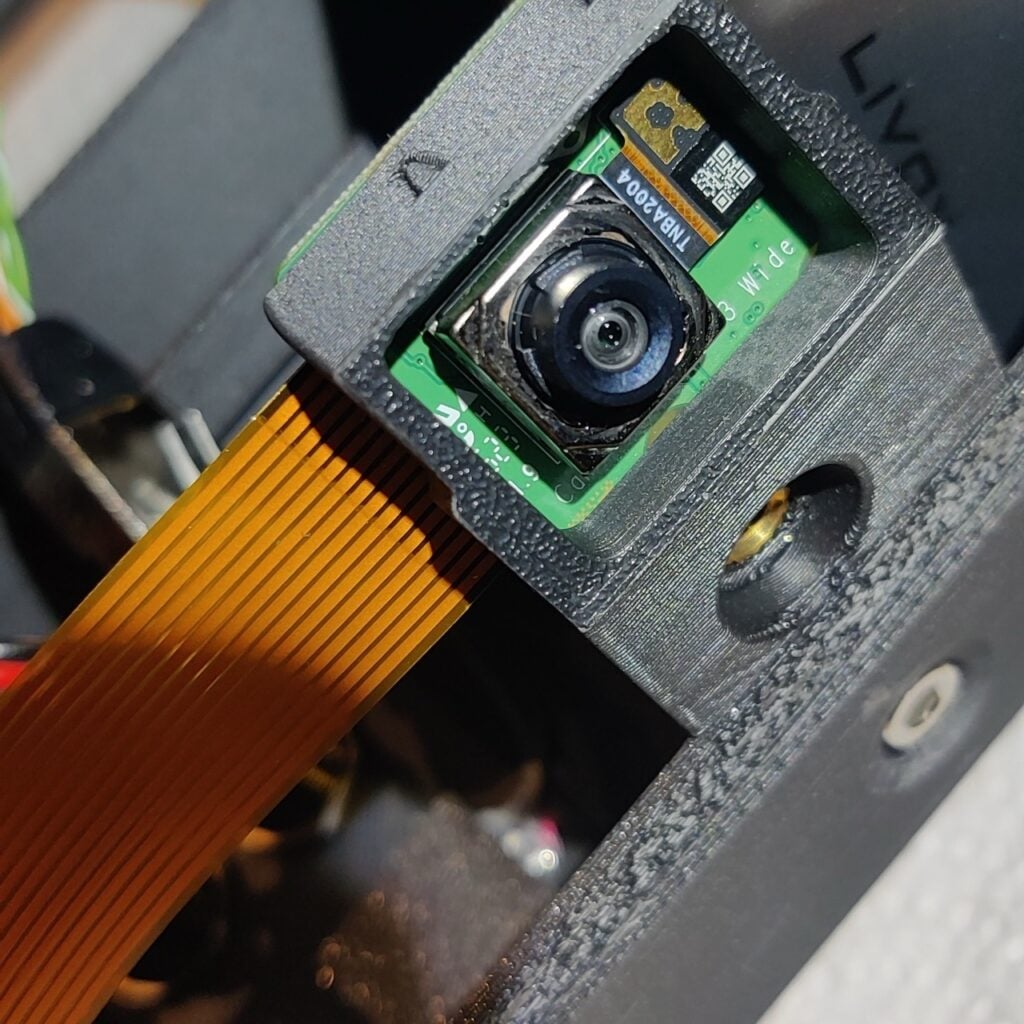
- Visuals: Dual Raspberry Pi Camera Modules for synchronized RGB color mapping.
- Storage: Top-mounted NVMe SSD (via PCIe) for high-speed point cloud writes.
- Synchronization: Integrated Real-Time Clock (RTC) for timestamping sensor fusion.
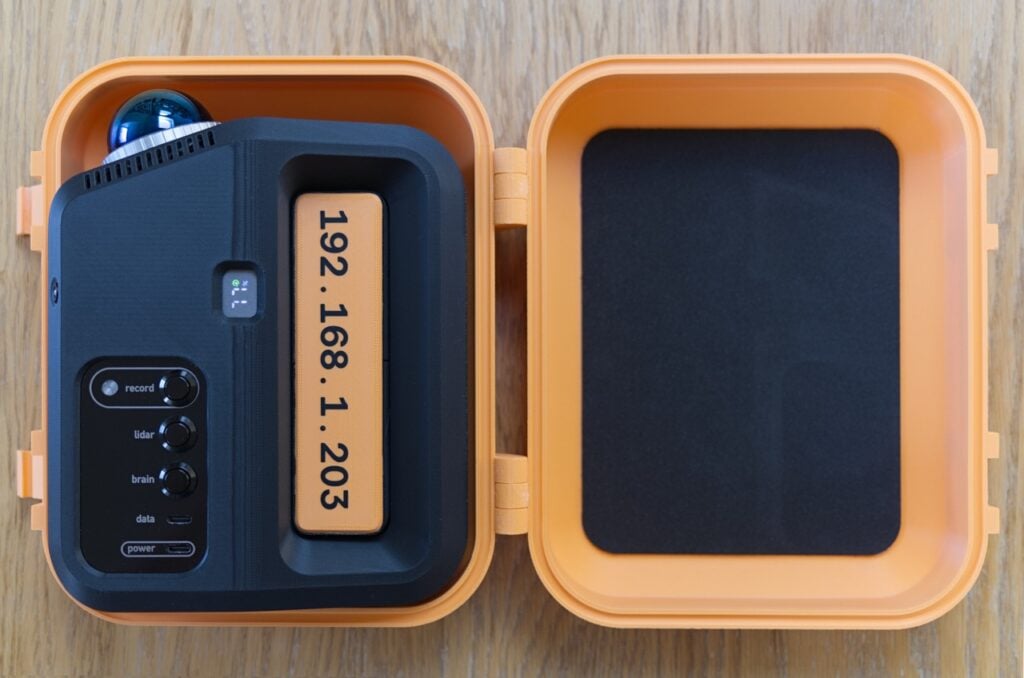
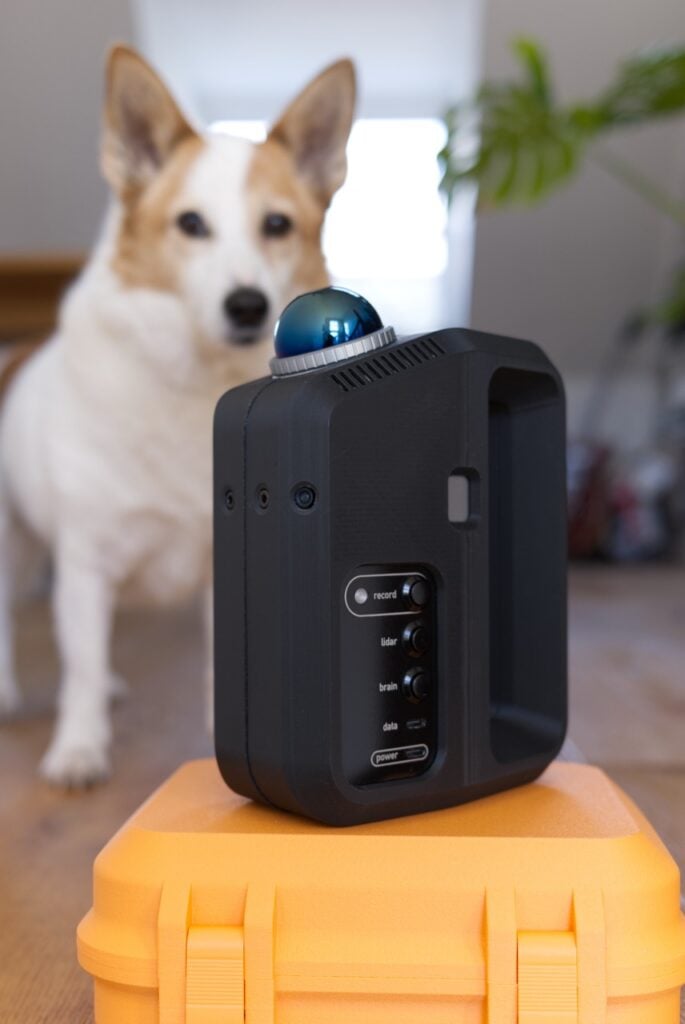
- Interface: Physical GPIO-linked buttons and LED status indicators for "headless" operation.
Chronology: From Family Legacy to Digital Frontier
The genesis of Peppe’s Ghost lies in a blend of personal history and professional curiosity. The maker, an industrial designer by trade, describes a lifelong obsession with "machine vision"—the way computers perceive and interpret the physical world.
The Inspiration (Phase I)
The project is named in honor of the maker’s late grandfather, Peppe, a man described as a "real eccentric and tinkerer." In the family’s lore, Peppe was known for losing himself in mechanical and electrical projects, a trait the maker claims to have inherited. The project began as a tribute to this spirit of relentless experimentation. When the maker began "going down tinkering rabbit holes," the family joked that they were "possessed by Peppe’s ghost," thus providing the project’s name.
Prototyping and Hardware Selection (Phase II)
The designer initially sought a way to capture the world in 3D that was more robust than phone-based LiDAR (which often lacks range) but more accessible than industrial scanners. The release of the Raspberry Pi 5 served as the catalyst. The inclusion of a built-in Real-Time Clock (RTC) was the "missing link." In LiDAR scanning, synchronization is everything. If the LiDAR pulse, the camera frame, and the Inertial Measurement Unit (IMU) data are off by even a few milliseconds, the resulting 3D model becomes a distorted "smear" rather than a coherent structure.
Design and Fabrication (Phase III)
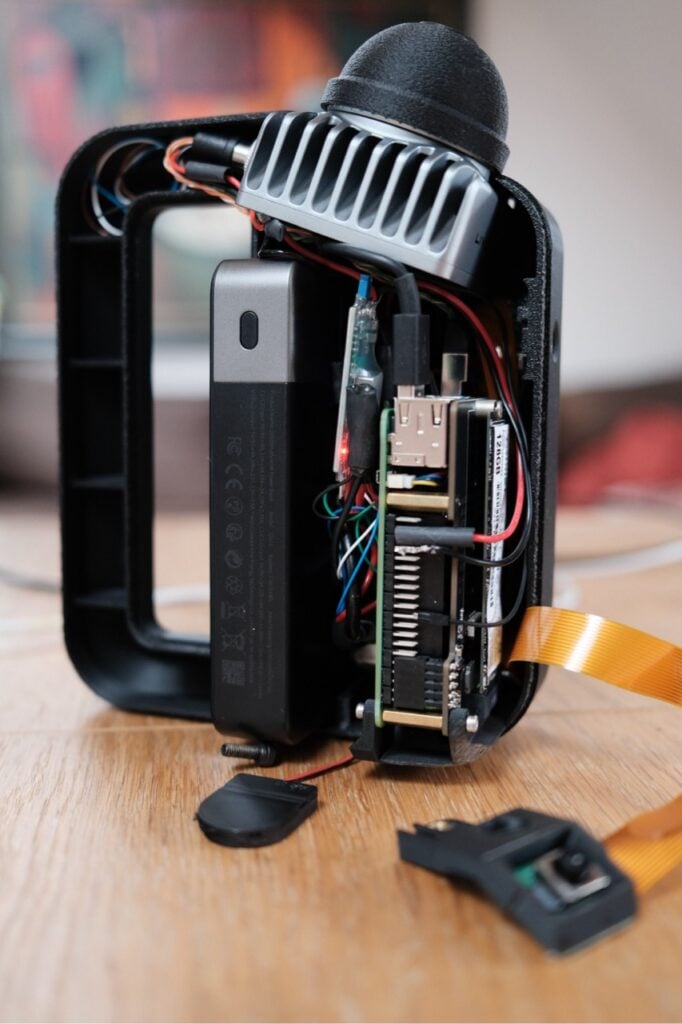
Leveraging their background in industrial design, the maker crafted a 3D-printed shell that prioritized ergonomics and cooling. The aesthetic—reminiscent of a "jumbo-sized juice container"—was a functional choice to house the bulky Ethernet-based LiDAR sensor and the cooling fans required for the Pi 5. The shell was designed to be rugged enough for field use, allowing the maker to move from a controlled workshop environment into the unpredictable outdoors.
Supporting Data: The Mechanics of the Point Cloud
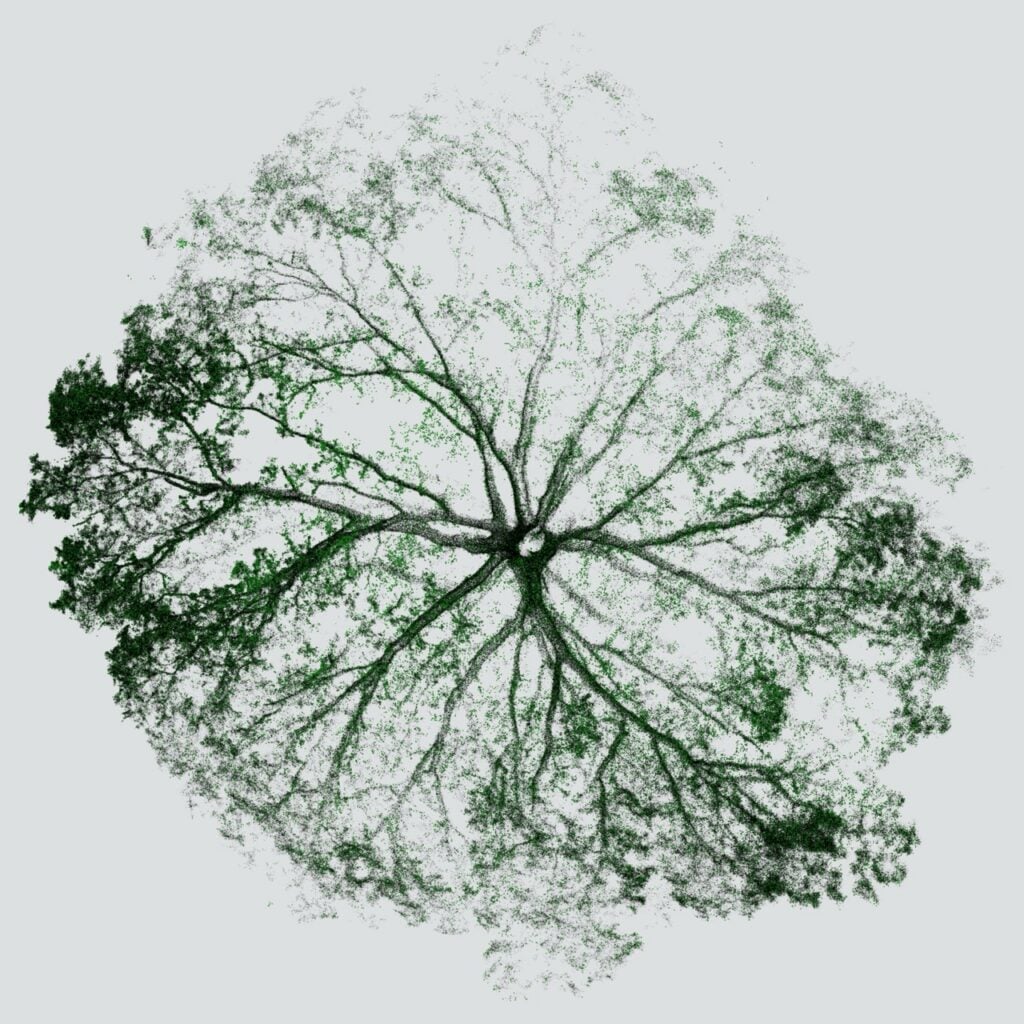
To understand why Peppe’s Ghost is a technical feat, one must look at the sheer volume of data being processed. A "point cloud" is a collection of millions of individual data points in a 3D coordinate system (X, Y, and Z).
Sensor Fusion
The scanner doesn’t just "see" shapes; it "colors" them. By utilizing two Raspberry Pi camera modules plugged into the dual CSI ports, the system captures RGB data simultaneously with the laser pulses. The Raspberry Pi 5’s ISP (Image Signal Processor) handles the camera feeds, while the Ethernet port ingests the LiDAR’s distance packets.
Data Throughput
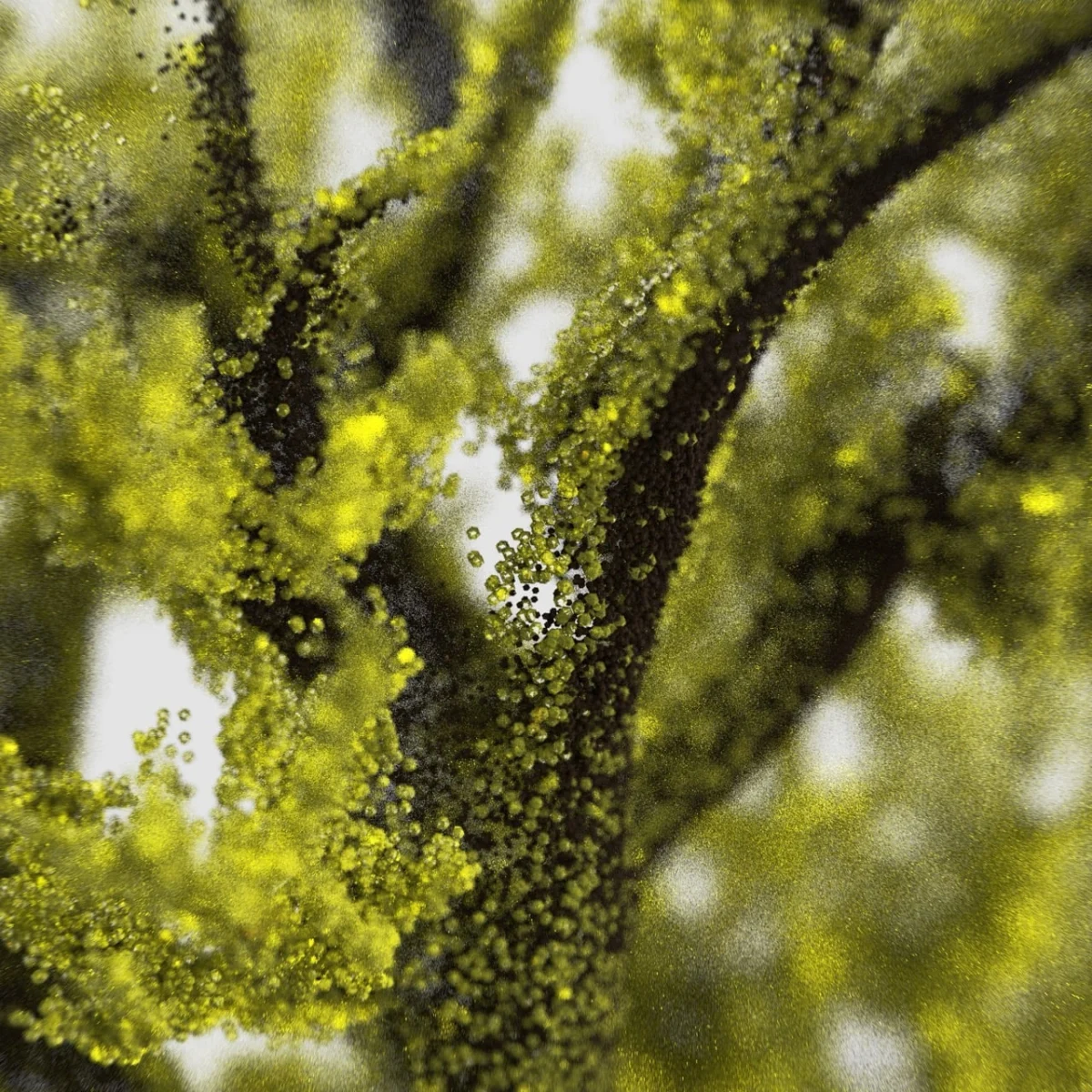
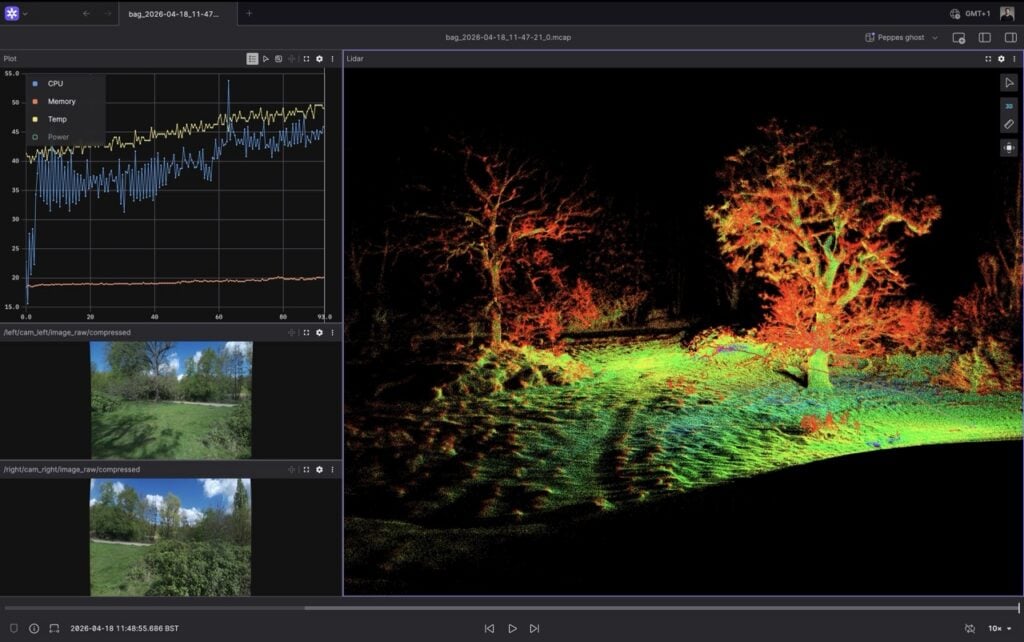
LiDAR scanning generates "heavy" data. A single minute of scanning can produce hundreds of megabytes of raw point data. Traditional SD cards are too slow and prone to corruption under these write speeds. The maker solved this by mounting an SSD on top of the unit. Utilizing the Pi 5’s PCIe lane, the system can write data at speeds that ensure no packets are dropped, even when scanning complex environments like dense forests or intricate architectural ruins.
The "Headless" Workflow
Fieldwork requires simplicity. The maker avoided the need for a bulky monitor or laptop in the field by utilizing the Pi’s GPIO pins. Large, "chunky" physical buttons allow the user to start and stop scans while wearing gloves, and a single status LED provides feedback on system health and recording status. This transforms the Pi from a "computer" into a "dedicated instrument."
Official Responses and Community Impact
Since the maker began sharing the results on social media—specifically via the project’s dedicated Instagram, @peppes_ghost—the response has been a mixture of disbelief and professional interest.
The Maker’s Perspective
The maker, who remains somewhat enigmatic to keep the focus on the technology and the tribute to Peppe, has expressed surprise at the global reach of the project. "I’ve always been obsessed with how machines ‘see’," the maker noted in a recent video walkthrough. "The Raspberry Pi 5 turned out to be the perfect brain for the job—small, capable, and completely hackable."
Industry Reaction
The project has caught the attention of several professional sectors:
- Archaeologists: Researchers have reached out to discuss using the device for mapping sensitive sites where bulky, expensive equipment is a liability.
- Architects: Designers are interested in the device’s ability to create rapid "as-built" models of existing structures.
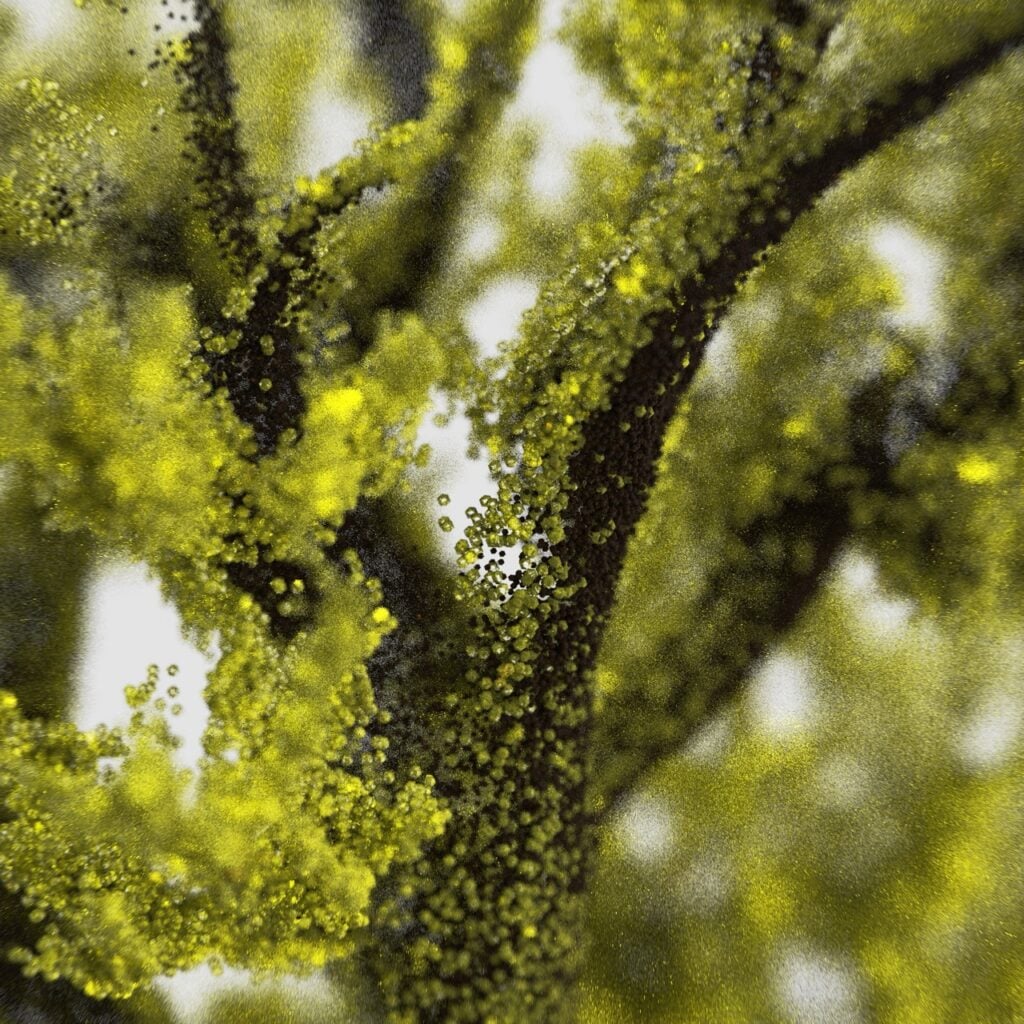
- Environmentalists: There is significant interest in using the scanner for "ancient tree appreciation," creating digital twins of historic flora to monitor growth and health over decades.
- Civic Hackers: Perhaps most interestingly, the maker has received requests to use the device for "vigilante pothole scanning"—creating high-resolution 3D maps of road damage to pressure local governments for repairs.
The Raspberry Pi Foundation itself has highlighted the project, noting that while they were confident in the Pi 5’s power, the community’s ability to integrate industrial Ethernet sensors and NVMe storage into a handheld form factor continues to push the boundaries of what "hobbyist" hardware can achieve.
Implications: The Democratization of Spatial Data
The success of Peppe’s Ghost signals a paradigm shift in spatial computing. We are moving away from an era where 3D scanning was a "black box" technology accessible only to those with corporate budgets.
1. Cost-to-Performance Disruption
By using off-the-shelf components and a $80 single-board computer, Peppe’s Ghost provides a blueprint for low-cost spatial data collection. While it may not yet replace a $50,000 Leica or Trimble scanner in terms of absolute precision over long distances, it bridges the gap for 90% of use cases in education, small-scale construction, and digital artistry.
2. The Rise of the "Instrument"
This project highlights a shift in how Raspberry Pi is used. It is no longer just a tool for learning Python or running a media server; it is becoming the core of bespoke scientific instruments. The ability to sync cameras, LiDAR, and IMUs in a portable package makes the Pi 5 a viable competitor to custom FPGA (Field Programmable Gate Array) solutions for many developers.
3. Open-Source Archaeology and Conservation
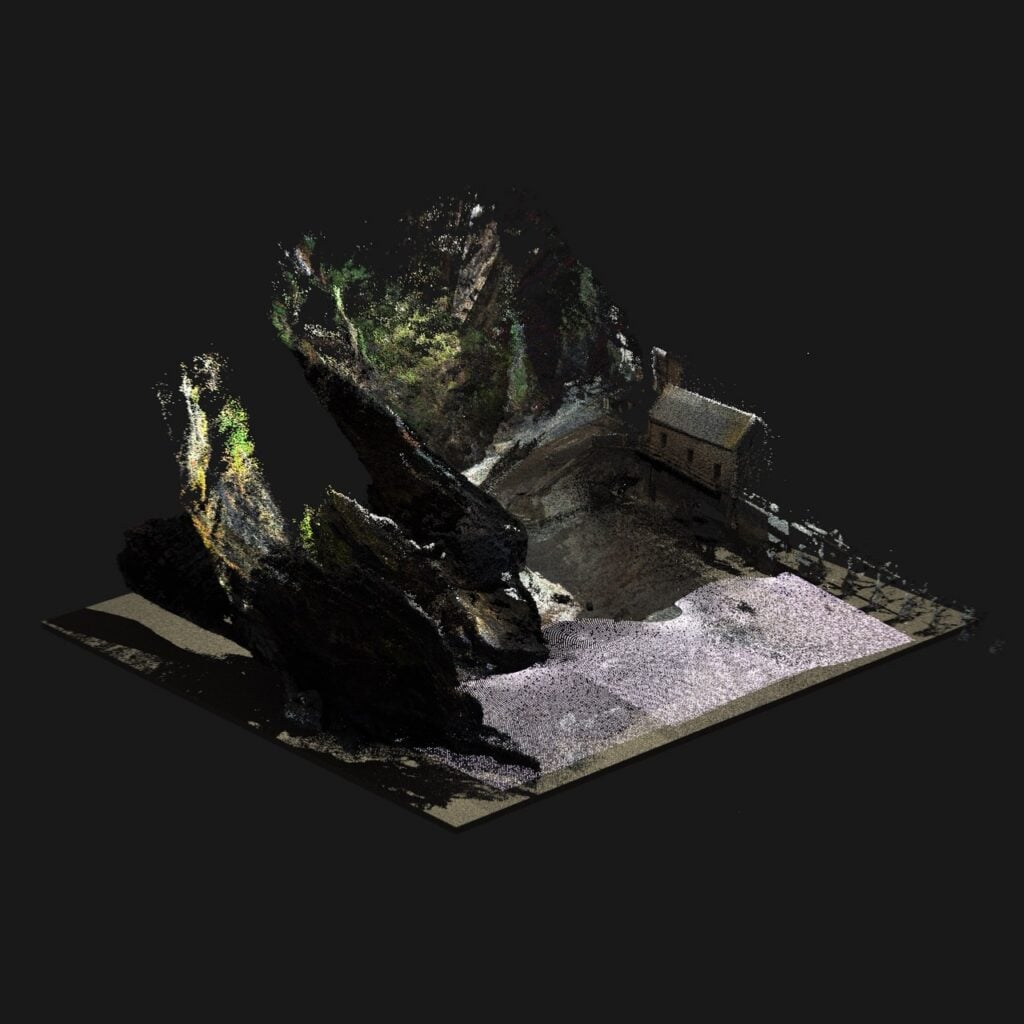
With "Peppe’s Ghost" proving the concept, the potential for "crowdsourced" mapping of the world increases. If a DIY rig can map a cave or a historic building with this level of detail, we could see a future where local communities create their own digital archives of their landmarks, independent of government or corporate initiatives.
Conclusion
Peppe’s Ghost is more than just a clever use of a Raspberry Pi 5; it is a testament to the power of the modern maker movement. By combining industrial design, high-speed computing, and a touch of family history, the maker has created a device that "sees" the world with a clarity once reserved for the elite. As the project continues to evolve—moving from forest floors to ancient ruins—it serves as a reminder that with the right "brain" and a bit of tinkering spirit, even the most complex technologies can be brought within reach of the individual.
The spirit of Peppe, it seems, is not just haunting a 3D-printed box; it is leading the way toward a more documented and digitally accessible world.