Headline: Beyond the Local Area Network: A Comprehensive Guide to Long-Range Communication Solutions for the Raspberry Pi Ecosystem
Introduction: Bridging the Connectivity Gap
In the rapidly evolving landscape of the Internet of Things (IoT), the Raspberry Pi has transitioned from a classroom educational tool to a cornerstone of industrial and remote sensing applications. However, as developers move projects out of the home and into the field, they invariably encounter the "connectivity wall." While Wi-Fi and Ethernet are sufficient for indoor environments, they fail when faced with the vast distances of agricultural monitoring, wildlife tracking, or maritime data collection.
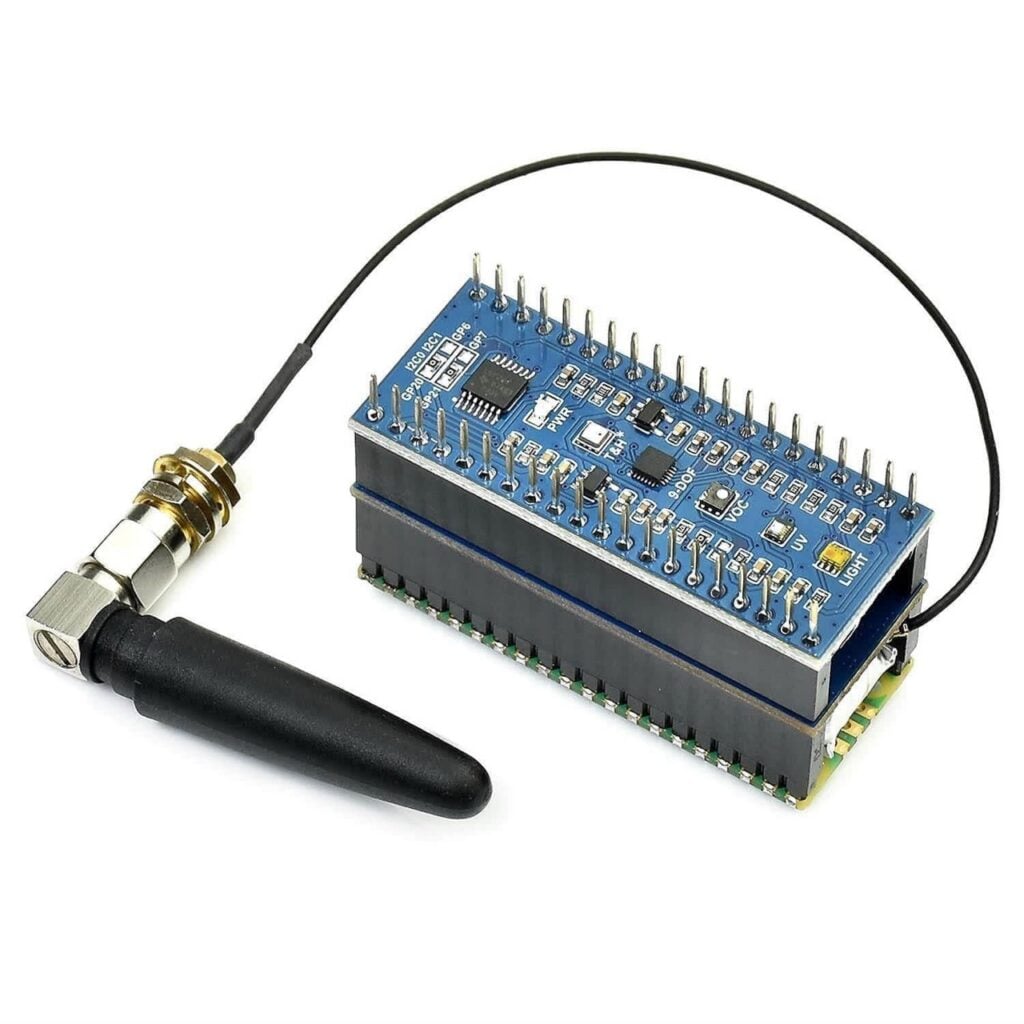
The challenge of transmitting data over kilometers rather than meters requires a departure from standard networking protocols. This report explores the cutting-edge hardware currently enabling long-range communication for Raspberry Pi and Raspberry Pi Pico devices, specifically focusing on LoRa (Long Range) radio and 4G cellular technologies.
Main Facts: The Technological Divide
To understand the hardware available, one must first distinguish between the two primary methodologies for long-distance data transmission:
- LoRa (Long Range): A low-power, wide-area network (LPWAN) protocol. It operates on license-free ISM (Industrial, Scientific, and Medical) bands. LoRa excels at sending tiny packets of data—such as temperature readings or GPS coordinates—over immense distances (up to 15km) with minimal power consumption.
- Cellular (4G LTE): Utilizing existing mobile infrastructure, cellular solutions offer significantly higher bandwidth, allowing for image and video transmission. However, they require a subscription (SIM card) and generally consume more power than LoRa.
The following hardware represents the current "state-of-the-art" for the Raspberry Pi community, categorized by their specific use cases and technical strengths.
Chronology of Hardware Evolution: From SX1276 to the RP2350 Era
The evolution of long-range Pi hardware has moved toward higher integration and better power efficiency. Early modules often required complex wiring and external power regulators. The current generation, however, focuses on "plug-and-play" compatibility and the utilization of the latest silicon.
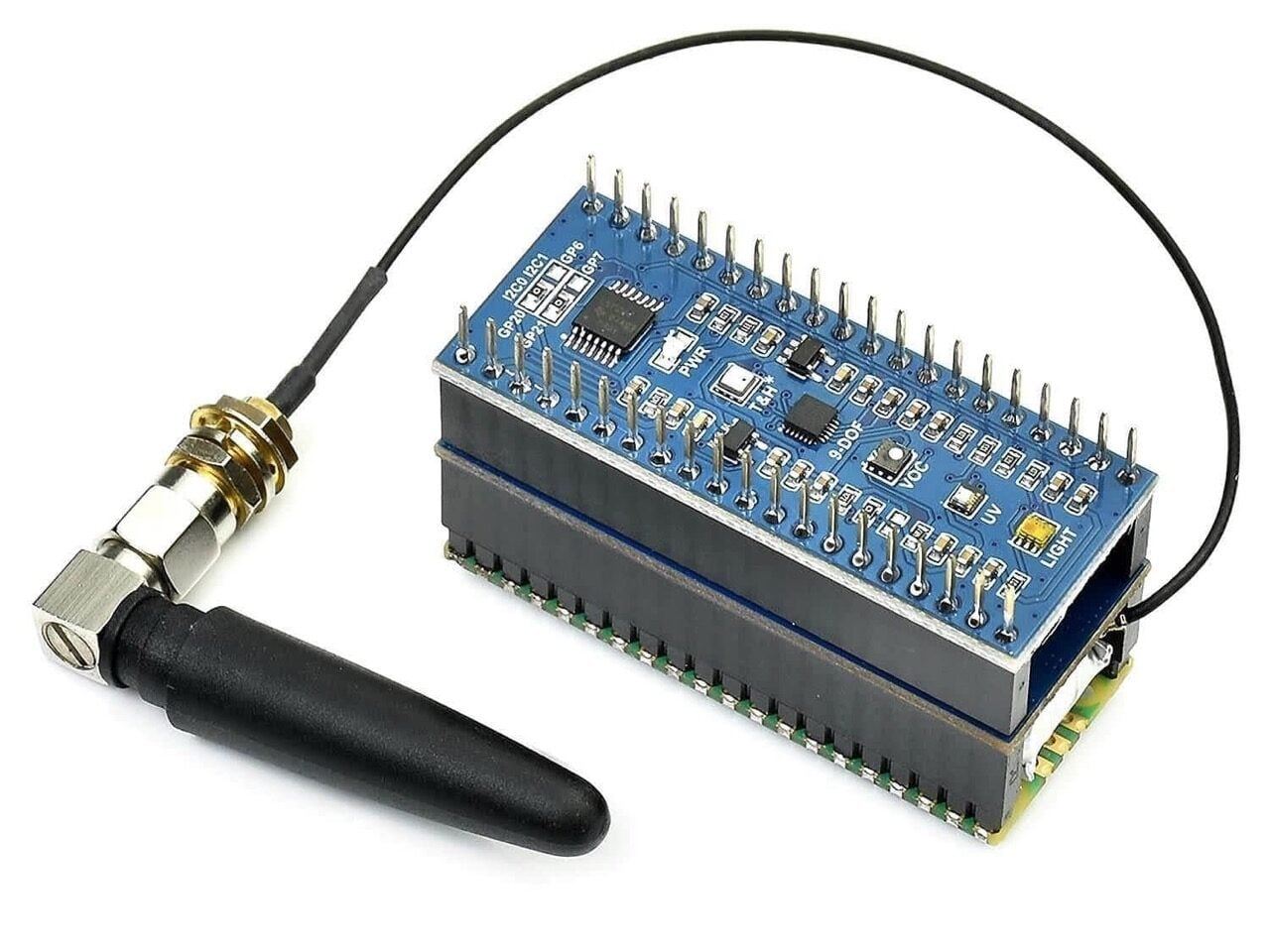
The Entry-Level Revolution: SX1262 LoRa Node for Pico
The Waveshare SX1262 module marks a significant step forward from the older SX1276 chips. By adopting the SX1262 transceiver, Waveshare has provided Pico users with better power efficiency and improved sensitivity.
- Key Features: Includes a 600mAh LiPo battery and an onboard charging IC.
- Technical Context: Unlike its predecessors, this module is designed for "remote power" out of the box, addressing the primary hurdle of field deployments.
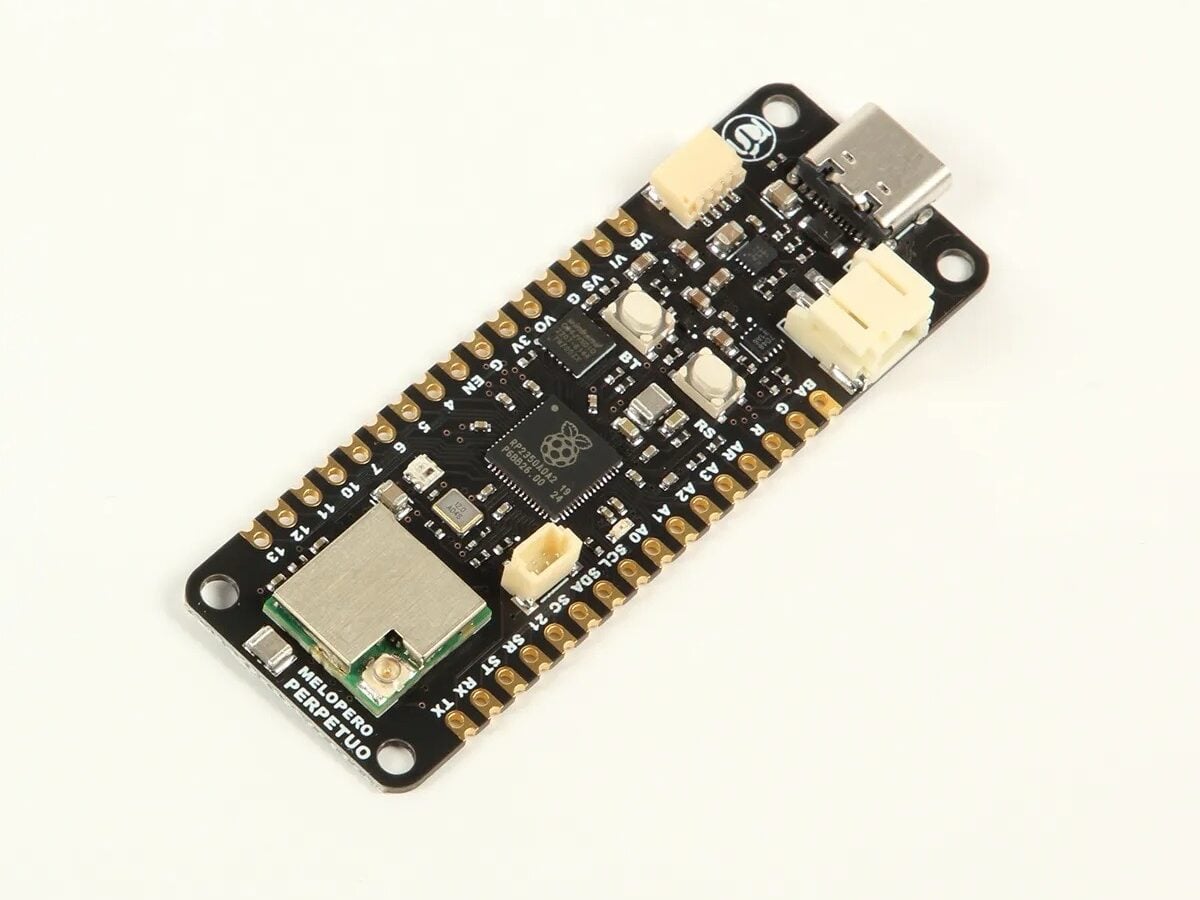
The Next Generation: Perpetuo LoRa and the RP2350
The recent release of the Raspberry Pi RP2350 microcontroller has already begun to influence long-range hardware. The Melopero Perpetuo LoRa is among the first "all-in-one" boards to integrate the RP2350 with an Embit EMB-LR1276S radio module. This represents a shift toward consolidating the controller and the radio onto a single PCB, reducing failure points in harsh environments.
Supporting Data: A Technical Breakdown of Leading Modules
To assist engineers and makers in selecting the correct hardware, we have analyzed the performance metrics and regional constraints of the leading HATs (Hardware Attached on Top) and breakouts.
1. High-Bandwidth Applications: The 4G Contenders
For projects requiring more than just telemetry, 4G cellular is the only viable path.
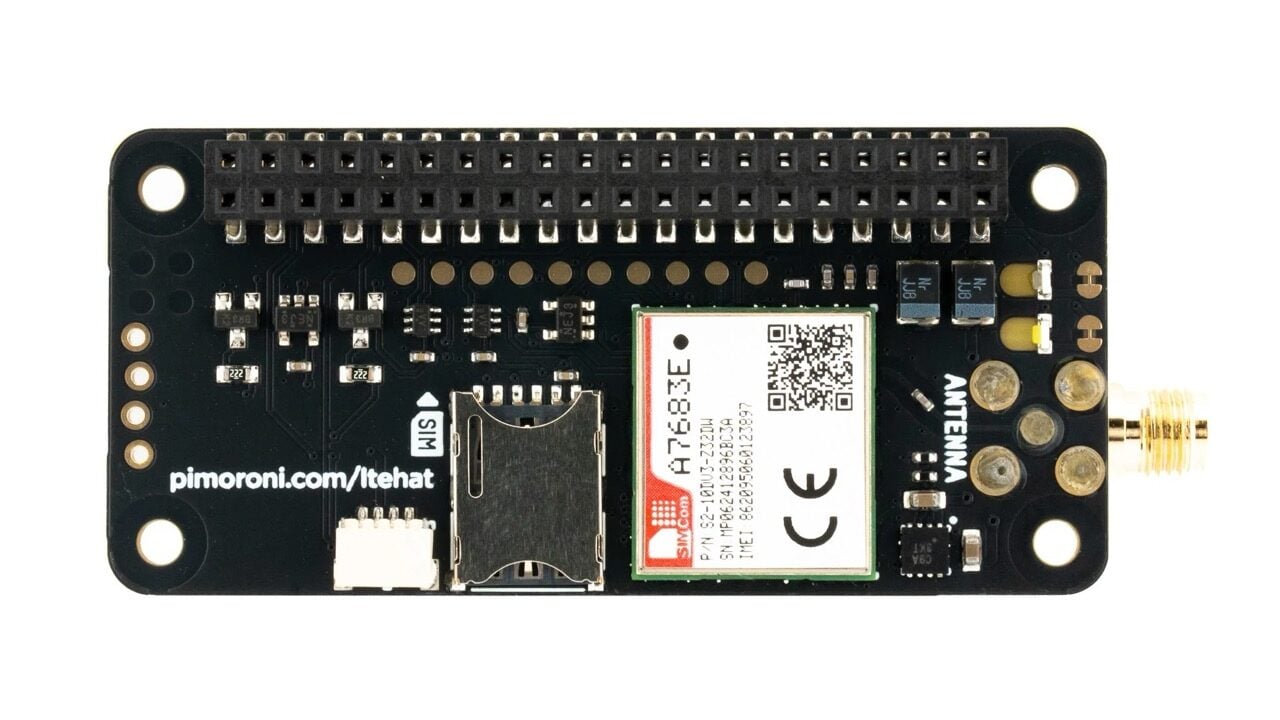
- Clipper HAT Mini: Designed specifically for the Pi Zero’s footprint, this uses the SIMCom A7683E (LTE Cat 1bis). It offers a 5Mbps upload speed, which is sufficient for high-frequency data logging or low-resolution image bursts.
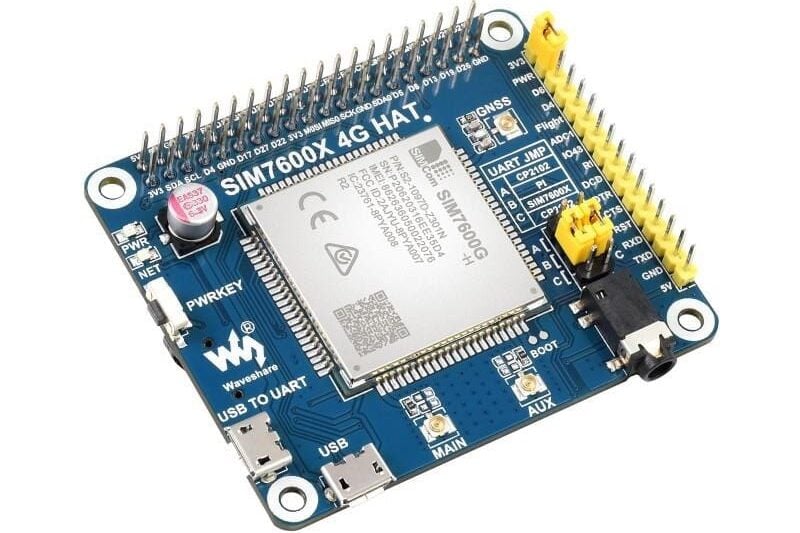
- Waveshare SIM7600G-H 4G HAT: This is the "industrial" choice. As an LTE Cat 4 device, it reaches speeds of 50Mbps (upload) and 150Mbps (download). Crucially, the "G" designation denotes global band support, making it one of the few truly universal solutions for international deployments.
2. The User-Centric LoRa Solution: Adafruit Radio Bonnet
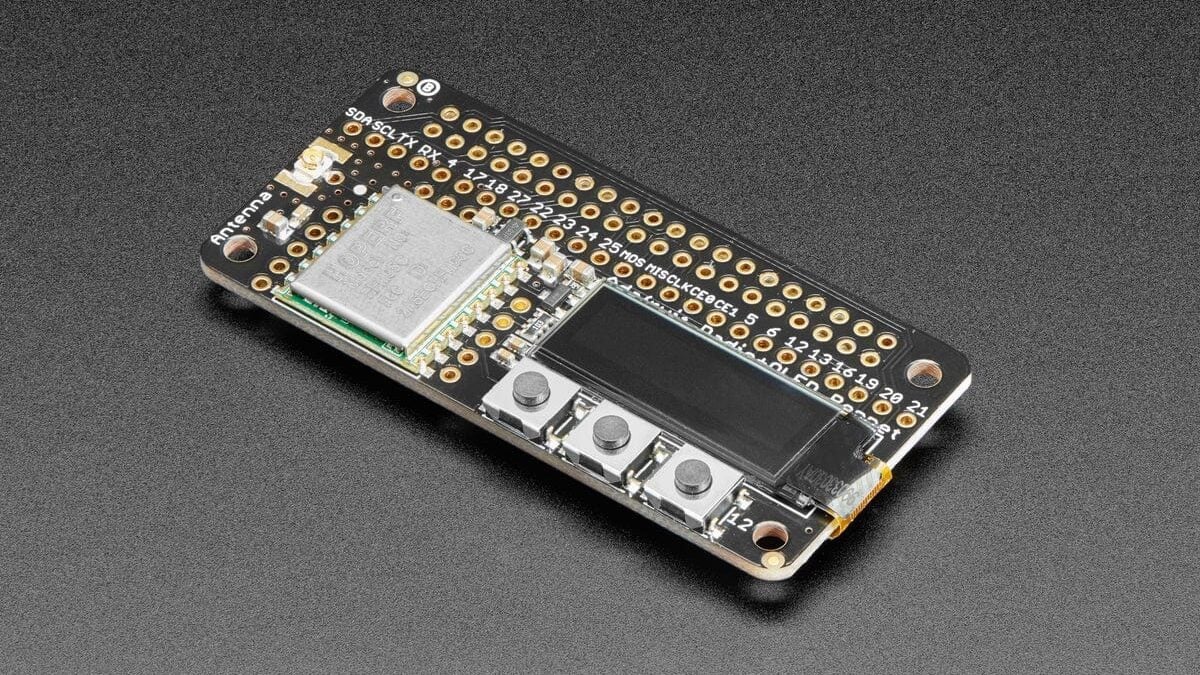
While many LoRa modules are "blind," the Adafruit LoRa Radio Bonnet includes a 128×32 OLED screen. In field testing, the ability to see signal strength (RSSI) and packet confirmation on a physical display without needing a laptop is an invaluable diagnostic tool.
3. Precision Timing and Location: PA1010D GPS
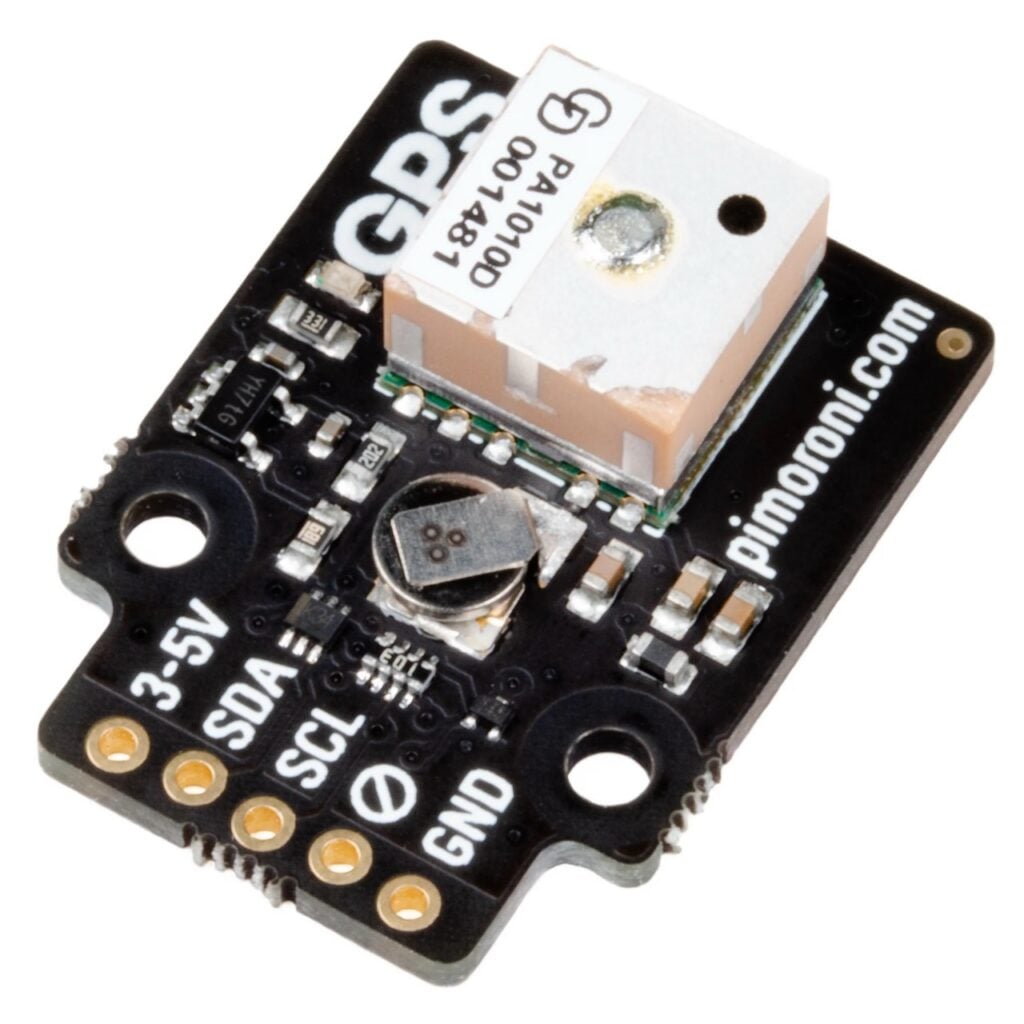
Long-range data is often useless without a timestamp and a coordinate. The PA1010D breakout is notable for its support of 210 PRN channels and 33 simultaneous tracking channels. In the context of "Long Range," this module ensures that even if a device drifts or is moved, its data remains geographically contextualized.
Official Responses and Regulatory Framework
Deploying long-range radio is not merely a technical challenge; it is a legal one. Governing bodies such as Ofcom (UK), the FCC (USA), and ETSI (Europe) strictly regulate the airwaves.
The ISM Band Restriction:
LoRa operates on the 868MHz (EU/UK) and 915MHz (US/Australia) bands. While these are "unlicensed," they are not "unregulated."
- Duty Cycle: Most regions limit LoRa devices to a 1% duty cycle, meaning a device can only broadcast for 36 seconds out of every hour.
- Transmission Power: There are strict decibel-milliwatt (dBm) limits to prevent one high-powered device from "drowning out" other users on the frequency.
Expert Verdicts:
Industry experts emphasize that the choice of antenna is often more critical than the board itself. "It is vital you connect an antenna before powering up any LoRa board," warns the Raspberry Pi Official Magazine. Failure to do so can result in "impedance mismatch," which reflects power back into the transceiver, potentially frying the silicon instantly.
Implications: The Future of Distributed Sensing
The democratization of these technologies through the Raspberry Pi ecosystem has profound implications for several sectors:
1. Environmental Conservation and "Citizen Science"
With the SX1262 and Perpetuo modules, researchers can deploy vast arrays of sensors in remote forests or oceans for a fraction of the cost of traditional satellite-linked hardware. The integration of solar charging on these boards means these sensors can theoretically operate for years without human intervention.
2. The Rise of "The Things Network" (TTN)
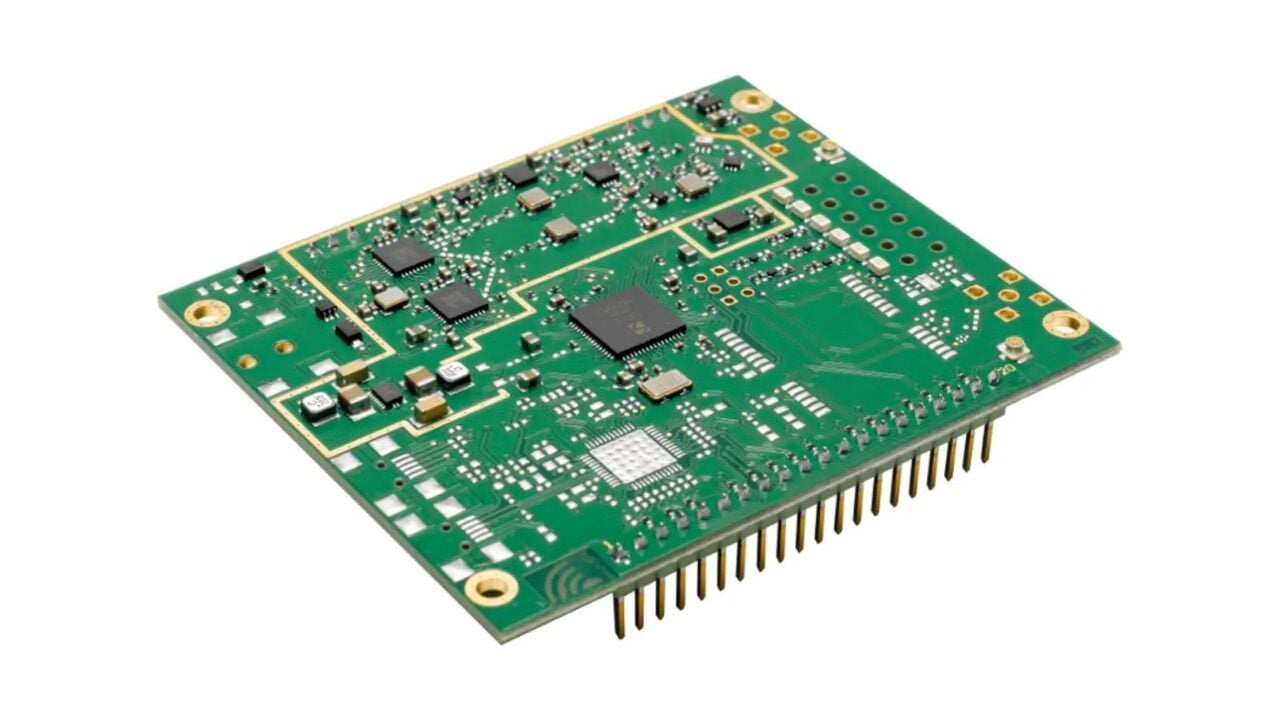
The ability to build DIY gateways using the iC880A-SPI LoRaWAN Concentrator allows communities to create their own free-to-use data networks. This decentralizes internet access, allowing "Smart City" applications—like trash can monitoring or air quality sensing—to exist without relying on expensive cellular contracts.
3. Redundancy in Emergency Services
In disaster scenarios where cellular towers are down, LoRa’s peer-to-peer (P2P) capabilities allow Raspberry Pi-based mesh networks to maintain critical communication lines. Because these devices can run on small batteries or solar panels, they remain operational when the power grid fails.
4. Globalized Logistics
The introduction of global 4G HATs like the SIM7600G-H means that assets can be tracked across international borders using a single hardware configuration. This simplifies the supply chain for manufacturers building tracking devices, as they no longer need to produce region-specific hardware variants.
Conclusion: Choosing the Right Path
The transition from Wi-Fi to long-range protocols represents a "graduation" for many Raspberry Pi projects. For those needing to transmit small data packets over long distances with zero recurring costs, LoRa is the undisputed king, with the Waveshare SX1262 and Perpetuo offering the best balance of cost and modern features.
For those requiring the "heavy lifting" of video or large files, or for projects where a LoRa gateway is not within 15km, 4G cellular HATs provide a robust, albeit more expensive, alternative.
As the Raspberry Pi continues to evolve—moving from the RP2040 to the more powerful RP2350—the integration between radio and microcontroller will only tighten, further lowering the barrier to entry for the next generation of global, off-grid innovation.
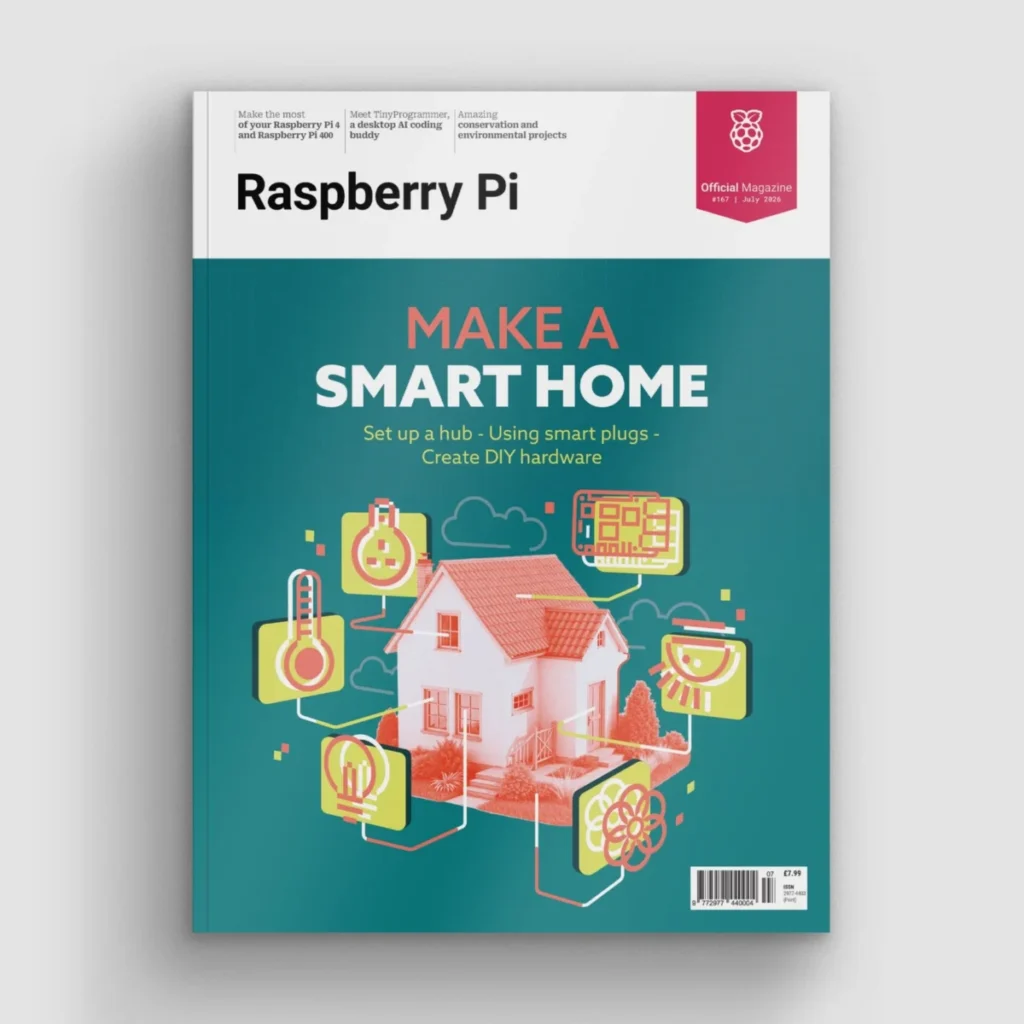
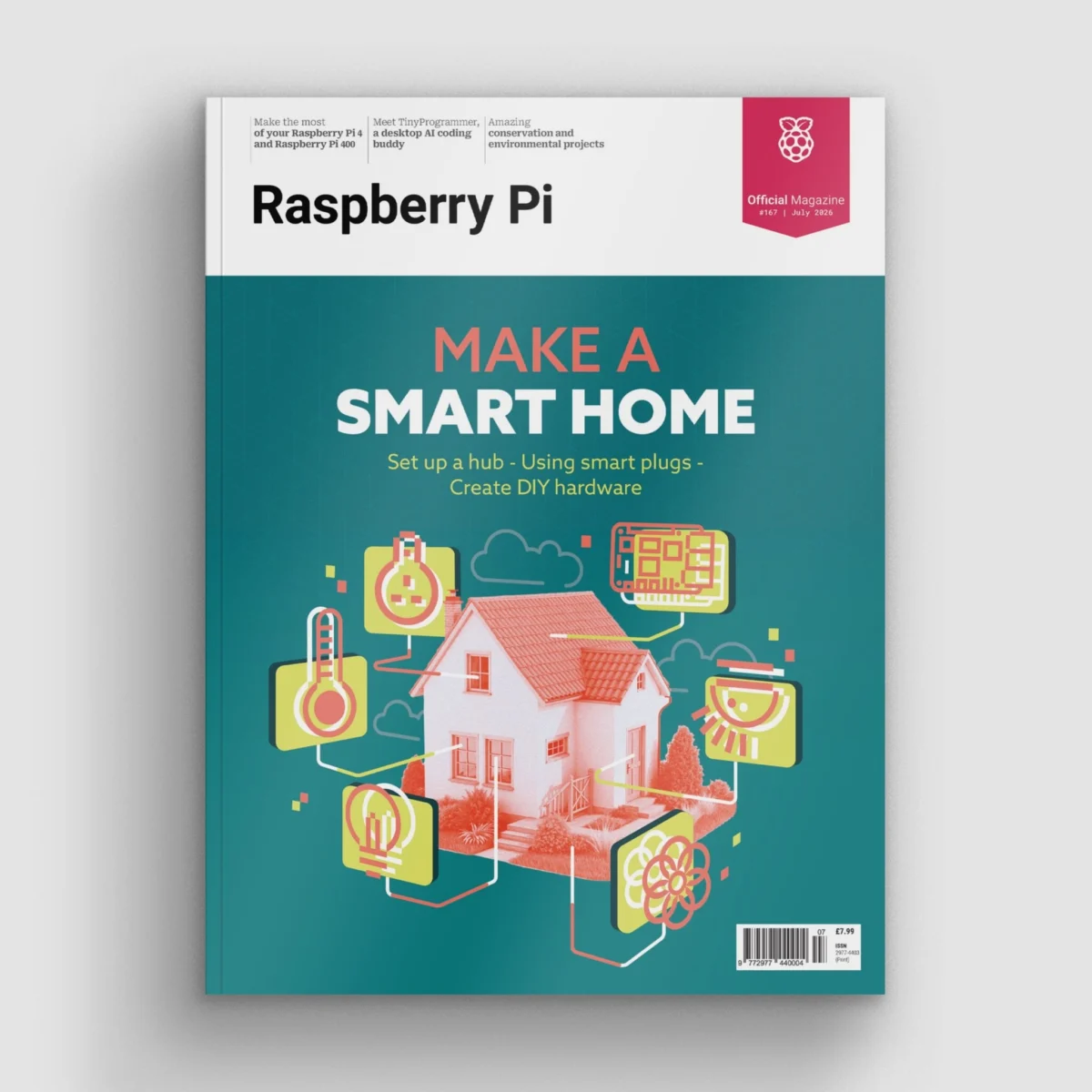
This report was enriched based on features appearing in Issue 167 of the Raspberry Pi Official Magazine. For further technical documentation and libraries, developers are encouraged to consult the official repositories for Waveshare, Pimoroni, and Adafruit.