The Cost of Intelligence: Why CMF is Hitting the Brakes on Smartphone Innovation
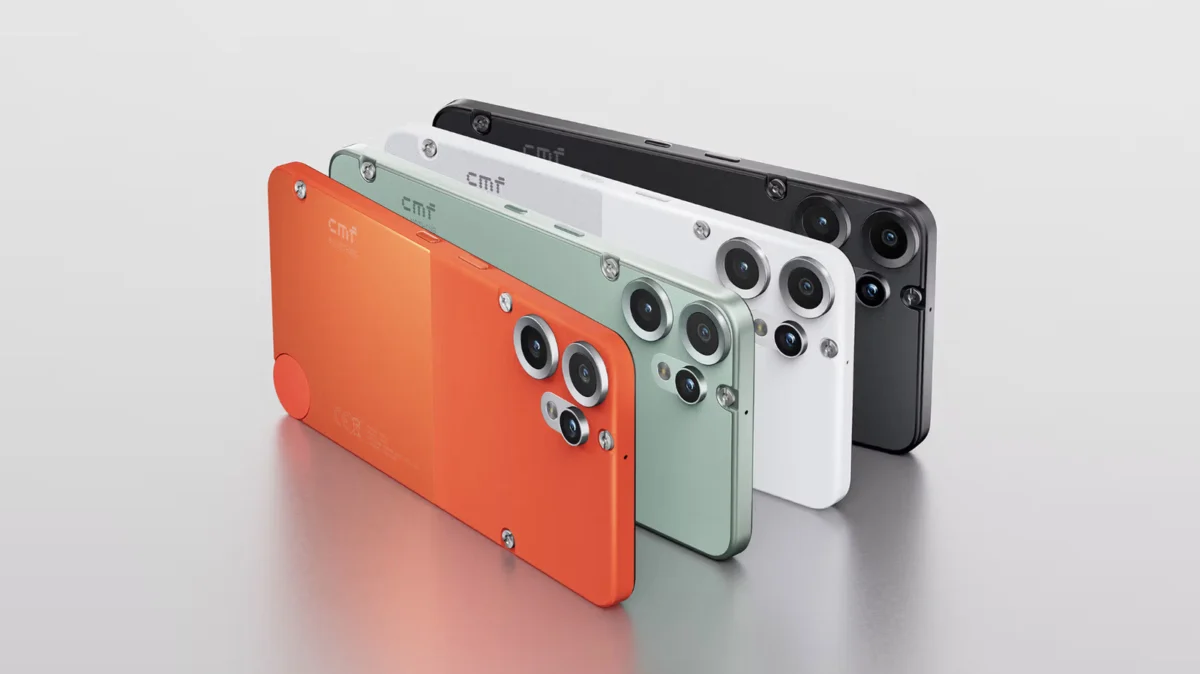
In a move that highlights the tightening grip of the global semiconductor and memory markets on consumer electronics, CMF by Nothing—the budget-focused subsidiary of the London-based tech disruptor—has officially confirmed it will not release a new smartphone in 2024. This decision marks a significant strategic pivot for a brand that has built its reputation on rapid iteration and aggressive pricing, underscoring a growing trend in the tech industry where the "AI boom" is beginning to cannibalize the hardware sector.
The Official Stance: Transparency Over Compromise
The news arrived via a candid post on X (formerly Twitter) by Nothing co-founder Akis Evangelidis. Breaking with the industry standard of vague "market conditions" excuses, Evangelidis offered a degree of transparency that has become a hallmark of the Nothing ecosystem.
"A lot of you have been asking when the next CMF phone is coming and as always, we’d rather be transparent," Evangelidis wrote. He confirmed that the design team had been actively prototyping a successor to the Phone 1 and Phone (1) series, but ultimately reached a deadlock. The core issue, according to the leadership, is the volatile pricing of memory components—specifically RAM—which has made it impossible to deliver a device that feels like a "genuine step forward" while maintaining the price-to-performance ratio that defines the CMF brand.
For a brand like CMF, which positions itself as the bridge between high-end design and entry-level accessibility, the math simply stopped working. To release a device that feels "new" in 2024, the company would have needed to increase the MSRP, a move that would betray the very identity of the budget brand.
The Memory Crunch: An Industry-Wide Crisis
While CMF’s announcement may come as a disappointment to fans of the brand’s industrial aesthetic, the company is far from alone in navigating these turbulent waters. The global semiconductor industry is currently grappling with a severe supply-demand imbalance, primarily driven by the insatiable appetite for high-bandwidth memory (HBM) required for AI server builds.
The AI Infrastructure Bottleneck
The massive shift toward Generative AI has forced semiconductor giants to pivot their production lines. Manufacturers are prioritizing high-margin, high-capacity memory chips for data centers and AI accelerators, leaving the supply of standard LPDDR RAM—the kind used in budget and mid-range smartphones—in a state of scarcity. When supply shrinks, prices rise.
This phenomenon is creating a "trickle-down" effect of inflation across the entire electronics supply chain. Major industry players, including Apple and Samsung, have already signaled to investors and consumers that price hikes for hardware are becoming an unavoidable reality. As these titans secure the bulk of the available memory supply, smaller brands like CMF are left to compete for the remaining inventory at significantly higher costs.
The IDC Forecast
The impact is not limited to mobile devices. Industry analysts at the International Data Corporation (IDC) have issued a dire warning regarding the broader PC market, predicting that shipments could shrink by nearly 10 percent this year. The logic is simple: when component costs increase by double-digit percentages, the retail price floor for laptops and phones rises, cooling demand among price-sensitive consumers.
A Brief Chronology of CMF’s Market Trajectory
To understand the weight of this decision, one must look at the meteoric rise of the CMF brand.
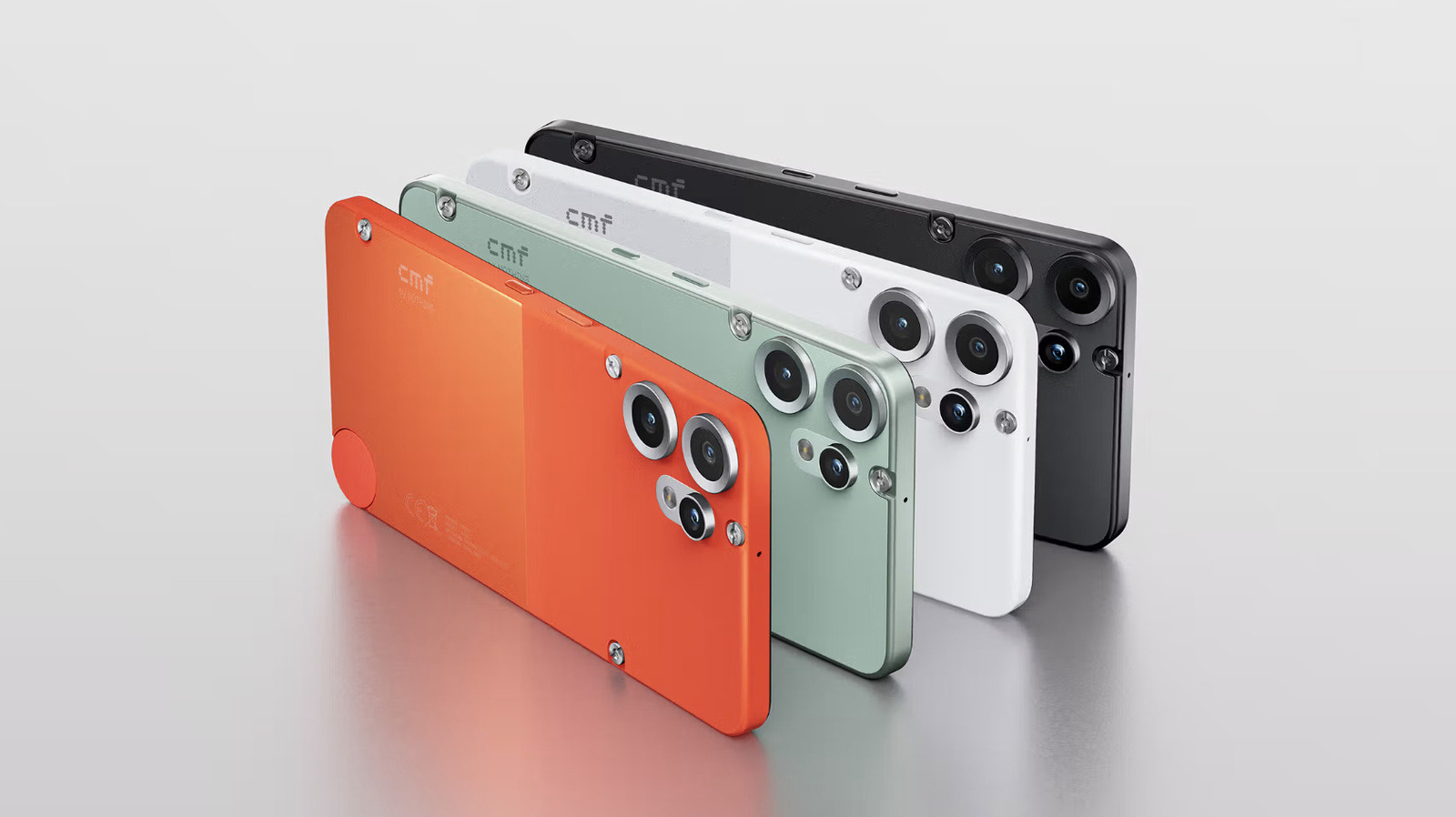
- April 2024: CMF launches the Phone 1, a device that captured global attention for its modular, industrial design and high-value internal specifications. Marketed as the slimmest and lightest device in its class, it was widely praised for its two-day battery life and unique user-replaceable back covers.
- Late 2024: Nothing officially spins off CMF into an independent subsidiary. This move was strategic, relocating the headquarters to India—a market where the brand has seen its most explosive growth and where cost-efficiency is paramount.
- Present Day: CMF announces a hiatus on smartphone releases for the remainder of the year, citing the inability to justify the rising costs of production without sacrificing the brand’s core value proposition.
Implications for the Smartphone Ecosystem
The decision by CMF is a canary in the coal mine for the budget smartphone sector. For years, the industry has enjoyed a "golden era" of falling component costs, which allowed manufacturers to pack increasingly powerful processors and more RAM into sub-$300 devices. That era appears to be ending.
The Death of the "Cheap Flagship"
If memory prices remain elevated, we may see a stagnation in the entry-level smartphone market. Manufacturers will likely resort to one of three strategies:
- Stagnation: Re-releasing older hardware under new names to avoid the costs of R&D and new component procurement.
- Downsizing: Reducing RAM and storage capacities in new devices to keep costs low, which could lead to poor user experiences in an era of increasingly bloated mobile software.
- Pricing Shifts: Abandoning the "budget" tier entirely to move toward mid-range pricing, effectively leaving a vacuum at the bottom of the market.
For CMF, choosing to stay silent rather than release an inferior product is a calculated risk. It preserves brand integrity at the expense of short-term revenue, betting that consumers will remain loyal if the next iteration—whenever it arrives—offers a genuine technological leap rather than a compromise.
Diversification: The Path Forward
Despite the pause on smartphone production, CMF is not going into hibernation. Evangelidis emphasized that the brand remains committed to its original mission of "accessible design," and that the development team is currently hard at work on several new products.
"We have several new products in the pipeline," Evangelidis hinted, confirming that the company is exploring "entirely new categories."
This pivot suggests a shift toward the broader "Nothing ecosystem." By focusing on wearables, smart home integration, or audio equipment—categories where memory costs are less volatile than in mobile computing—CMF can continue to grow its revenue streams while waiting for the semiconductor market to stabilize.
Conclusion: A Strategic Retreat
In the fast-paced world of technology, silence is often viewed as a sign of weakness. However, in the case of CMF, it represents a mature, strategic response to a volatile global economy. By acknowledging the reality of the memory crunch, CMF is avoiding the "innovation trap"—the tendency to release hardware that is neither cheaper nor better than its predecessor.
As the industry continues to reorient itself around the demands of artificial intelligence, smaller players will be forced to make difficult choices. CMF’s decision to prioritize product value over a release schedule provides a fascinating case study in brand management. While fans may be disappointed by the lack of a new phone, the company’s commitment to its core identity may well be the factor that ensures its survival in a landscape where cost-effectiveness is becoming an increasingly rare commodity.
For now, the wait for the next CMF smartphone continues, but the company’s pivot toward new product categories ensures that the Nothing ecosystem will continue to evolve, even if the flagship phone remains on the drawing board for a little while longer.