Beyond the Big Tech Garden: Raven Resonance Challenges the Smart Glasses Status Quo

The wearable computing market has reached a fever pitch. Over the past year, smart glasses have transitioned from niche sci-fi prototypes to mainstream consumer accessories. While companies like Meta, through high-profile partnerships with Ray-Ban and Oakley, have successfully placed voice-activated AI assistants and integrated cameras on faces globally, the industry is currently grappling with a crisis of trust. As these devices permeate our daily lives, the conversation has shifted from "what can they do?" to "what are they doing with our data?"
Against this backdrop of surveillance concerns and walled-garden ecosystems, a new contender has emerged from San Francisco. Raven Resonance, a startup founded by tech innovator Thomas Suarez, has unveiled the "Raven Prism." Unlike its competitors, the Prism is not positioning itself as a social-media-focused accessory, but rather as the world’s first "ambient computer"—a standalone, Linux-powered device that prioritizes user sovereignty, local processing, and repairability.
The Surveillance Stigma: A Contextual History
To understand the significance of the Raven Prism, one must first examine the rocky trajectory of the current smart glasses market. The rapid proliferation of Meta’s AI-enabled eyewear has been marred by significant privacy controversies.
Chronology of Consumer Distrust
- Early 2024: Meta’s aggressive push into AI glasses brought the first wave of public scrutiny. While users enjoyed the convenience of voice-activated assistants, security researchers raised alarms regarding the continuous capture of environmental data.
- Mid-2024: Investigative reports, most notably from Swedish media, revealed that human contractors had been reviewing footage captured by Meta’s smart glasses. This confirmed fears that intimate, private moments were being harvested for AI training and quality assurance, effectively turning the consumer into a data subject without their informed consent.
- Late 2024: A significant "fiasco" erupted when it was discovered that Meta had quietly embedded face-recognition code within its companion smartphone applications. This discovery laid the groundwork for a biometric matching system capable of identifying individuals in real-time, sparking a massive backlash from privacy advocates and regulators alike.
- 2025–2026: The market hit a plateau. While demand for wearables remained high, consumers became increasingly wary of devices that acted as "always-on" recording conduits for tech conglomerates.
These events have created a vacuum in the market for a device that provides the utility of spatial computing without the ethical baggage of mass data harvesting.
The Raven Prism: Defining "Ambient Computing"
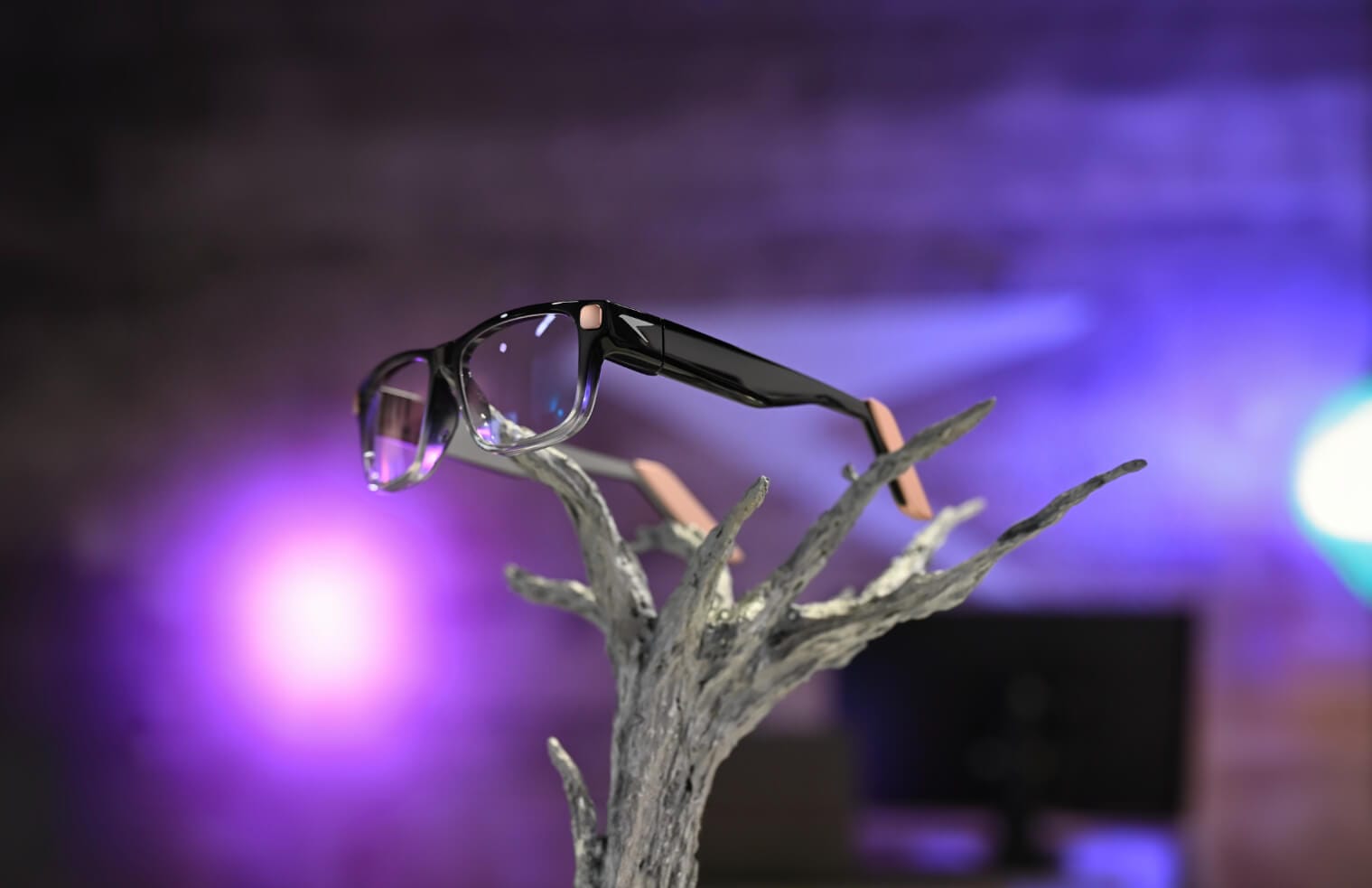
The Raven Prism seeks to redefine the wearable category. Rather than viewing the device as a peripheral to a smartphone—the standard model for most smart glasses—Raven Resonance has built a standalone Linux computer that rests on the bridge of the nose.
Core Philosophy and Design
The term "ambient computing" is central to the company’s vision. In this paradigm, technology is meant to be available when needed and effectively invisible when not in use. The hardware is designed to be a functional, everyday piece of eyewear, available in both prescription (ranging from -4.5 to +4.5 diopters) and non-prescription variants.

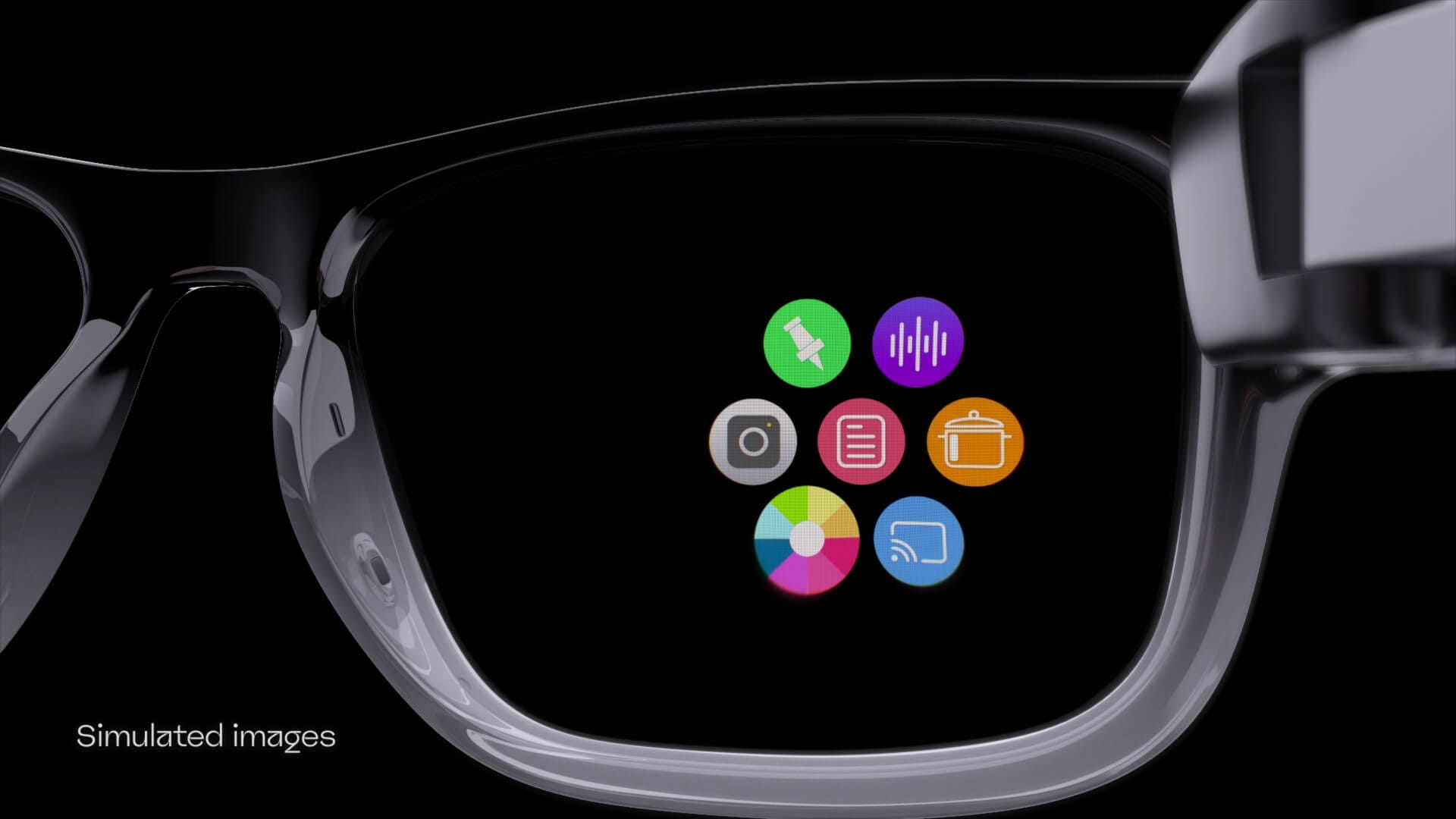
The user interface relies on a full-color LCoS (Liquid Crystal on Silicon) waveguide display located on the right lens. This provides a 30-degree diagonal field of view—roughly equivalent to viewing a 16-inch laptop screen from an arm’s length away. Crucially, the display is designed to augment reality rather than obscure it, allowing the wearer to maintain full situational awareness.
Technical Specifications and Hardware Architecture
While Raven Resonance has kept some proprietary details under wraps, they have disclosed enough to demonstrate that the Prism is a serious piece of engineering designed for power users and developers.
Under the Hood
- Processor: A quad-core 64-bit ARM processor clocked at approximately 1 GHz.
- Memory: Available in 2 GB and 4 GB RAM configurations.
- Weight: The entire unit weighs under 70 grams, with weight distribution optimized for extended, all-day wear.
- Battery System: Perhaps the most innovative feature is the "Raven Wings," a modular, hot-swappable battery system. These modules not only ensure that the device can run throughout the day but also serve as an expansion platform for future hardware add-ons.
- Input Mechanisms: The primary input is eye-tracking, complemented by voice commands and wireless HID (Human Interface Device) peripherals.
Software Ecosystem: RavenOS
The Prism is powered by RavenOS, a custom Linux-based operating system. By eschewing Android and AOSP, the developers have been able to optimize the system for "gaze-first," hands-free interaction.
For the developer community, the device represents a significant departure from closed ecosystems. The Prism supports SSH out of the box, is fully rootable, and the company plans to release system images for community auditing. As a native ARM64 Linux platform, it is capable of running a wide array of existing software, including web applications, local AI models, and Unity-based spatial environments. At launch, the device will ship with over 25 native applications, with an SDK already available on GitHub.
Privacy by Design: The Ethical Counter-Argument
The most striking difference between the Raven Prism and its Big Tech competitors is its approach to privacy. Raven Resonance has implemented a "security-first" physical architecture to combat the "always-on" surveillance culture.
Physical and Software Safeguards
- The Kill Switch: The Prism includes a physical, sliding cover for the camera. When the user wants privacy, they cover the lens; when they want to record, they slide it off.
- Visual Indicators: The device features "Beakon" lights that illuminate whenever the camera is active. These lights are visible to both the user and anyone in the immediate vicinity, providing a clear, non-negotiable signal of recording status.
- Local-First Processing: Perhaps the most critical security feature is that all sensitive data processing—including eye-tracking and AI inference—happens strictly on the device. No biometric or video data is transmitted to cloud servers for training or profiling.
- Zero-Telemetry Default: The operating system does not collect telemetry by default. Any contribution of anonymized data to the company is strictly opt-in, ensuring that the user remains the owner of their digital footprint.
Implications for the Future of Wearables
The launch of the Raven Prism carries significant implications for the broader tech industry. By proving that a privacy-focused, Linux-based wearable is commercially viable, Raven Resonance is challenging the assumption that users must trade their privacy for innovation.
The Right to Repair and Economic Independence
Raven Resonance has stated a firm commitment to the "right to repair," a concept often ignored by major consumer electronics manufacturers who prefer sealed units and planned obsolescence. By designing a modular battery system and providing access to the underlying OS, the company is catering to a demographic that values longevity and individual autonomy.
Furthermore, the company has pledged that the device will not require a subscription to function. In an era where even basic features of hardware are being locked behind monthly paywalls, this "buy once, own forever" model is a refreshing, albeit bold, business decision.
Challenges Ahead
Despite its promise, the Raven Prism faces significant hurdles. With a tentative base price of $1,499, the device is positioned as a premium tool for enthusiasts, developers, and early adopters, rather than a mass-market impulse buy. Additionally, the challenge of building a vibrant app ecosystem on a new, non-standard platform is immense. Whether Raven Resonance can attract enough developers to build out the "spatial environment" remains the primary question for its long-term success.

Conclusion: A New Path for Spatial Computing
The Raven Prism represents a vital inflection point in the evolution of wearables. It serves as a reminder that computing—even on the face—does not have to be an extractive process. By centering the architecture around Linux, local processing, and hardware transparency, Raven Resonance is creating a blueprint for how future smart glasses should be built.
As the device moves toward its commercial launch later in 2026, all eyes will be on its performance in the wild. For those who have been waiting for a wearable that respects their privacy and grants them full control over their hardware, the Raven Prism is not just another smart glass; it is a declaration of independence from the data-hungry status quo. For those interested in the future of the platform, the company is hosting a public preview at the Augmented World Expo 2026 in Long Beach, California, providing a first look at what a more private, transparent, and user-centric future might actually look like.