The State of the Web: CSS Functions, Grid Lanes, and the Evolution of Modern UI
The landscape of web development is currently undergoing a seismic shift. As the W3C and browser vendors accelerate the delivery of high-level primitives, developers are finding themselves equipped with more powerful, declarative tools than ever before. From the formalization of custom CSS functions to a complete rethinking of how we handle modal interactions and grid layouts, the past few weeks have been a whirlwind of innovation. This report explores the most critical updates in the CSS ecosystem, the recent proceedings from CSS Day 2026, and the implications of these changes for the future of interface design.
Main Facts: The New Frontier of CSS
The current industry focus centers on reducing the "boilerplate" nature of CSS while increasing the semantic clarity of our code. The most significant development is the rise of the @function at-rule. Currently on track to become a "Baseline" feature—meaning it will have broad, cross-browser support—this capability allows developers to create custom logic directly within their stylesheets.
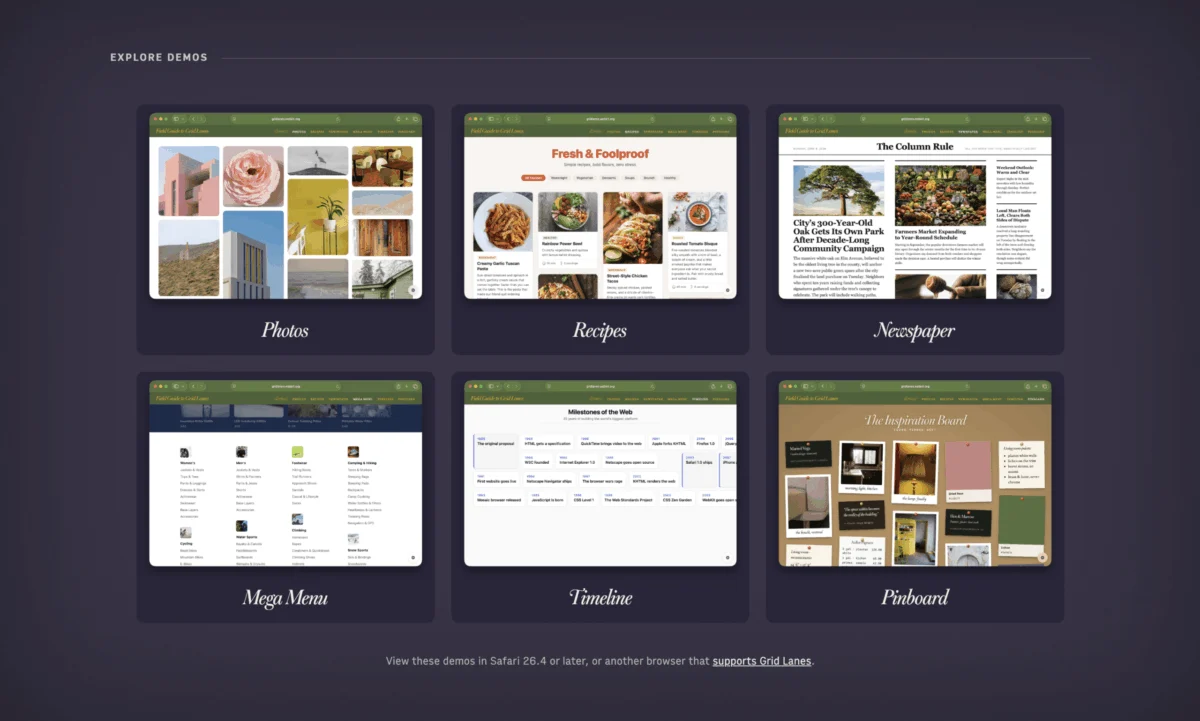
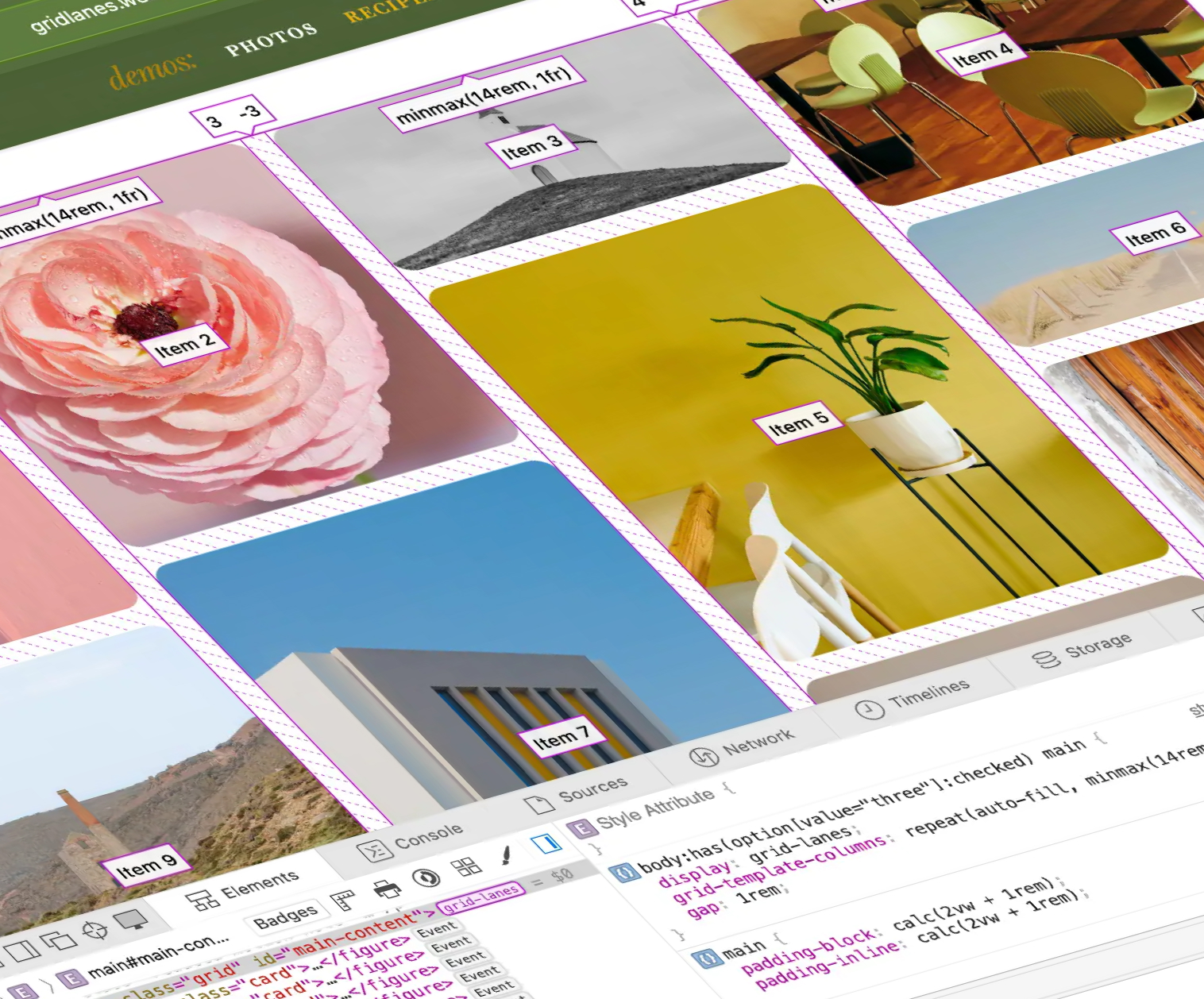
Alongside this, the introduction of the alpha() function marks a major usability improvement. Historically, manipulating the opacity of a color variable required verbose, repetitive syntax. By abstracting this, CSS is moving toward a more ergonomic development experience. Furthermore, the WebKit team’s release of the "Field Guide to Grid Lanes" signals that the industry is finally standardizing the complex, often misunderstood mechanics of grid-based layout systems.
Chronology of Developments
- June 3, 2026: Una Kravets brings attention to critical UX improvements for the
<dialog>element, specifically addressing the "scroll-bar jump" and the lack of intuitive dismiss patterns. - June 11–12, 2026: CSS Day 2026 convenes in Amsterdam. Industry leaders gather to discuss the future of the web, with a heavy emphasis on animation techniques and emerging browser capabilities.
- Mid-June 2026: Documentation for
@functionis finalized, marking a transition from experimental status to a standardized pedagogical focus for the community. - Late June 2026: Anticipated release of conference recordings from CSS Day, providing the public with the first deep-dive look at the technical presentations given in Amsterdam.
Supporting Data: Why Syntax Matters
For years, developers have struggled with the "verbosity tax" in CSS. Consider the common requirement to apply an alpha channel to a color variable. In traditional workflows, storing a full oklch() or rgba() string in a variable forced the developer to write incredibly complex relative color syntax every time an adjustment was needed.
The Verbosity Problem
Current standards often require this:
/* The "Delightless" approach */
--color: oklch(0.65 0.23 230);
color: oklch(from var(--color) l c h / 0.5);
The Solution: alpha()
The proposed alpha() function shifts the burden from the developer to the browser engine:
/* The "Delightful" approach */
--color: 0.65 0.23 230;
color: alpha(from var(--color) / 0.5);
By decoupling the color values from the color function, we achieve cleaner code and better maintainability. This shift is not just aesthetic; it reduces the surface area for bugs when refactoring theme tokens across massive design systems.
Official Responses and Expert Perspectives
On Custom Functions
Jane Ori has emerged as a primary voice in the community regarding @function. Her recent technical deep-dive suggests that while the concept of "CSS programming" feels intimidating to traditional designers, the implementation is essentially a wrapper for logic that we are already writing manually. As Ori notes, treating CSS functions as "baby-step" building blocks is the key to widespread adoption.

On Dialogs and UX
The <dialog> element has long been the subject of frustration. While it provides a native way to handle modals, it often creates "jank" when opening—specifically, the layout shifts caused by the appearance of a scrollbar. Una Kravets’ advocacy for closedby="any" and overscroll-behavior: contain represents a significant shift in how we think about "Quality of Life" (QoL) features. These aren’t just patches; they are fundamental requirements for professional-grade web applications.
On CSS Day 2026
The conference in Amsterdam, while lacking a live broadcast this year, has generated significant buzz. Attendees highlighted the "DOOM-free" nature of the event, a tongue-in-cheek reference to previous years’ chaotic technical demos. The community consensus is that the talks regarding starting-style for animations—a notoriously difficult feature to master—were the highlight of the event, offering a blueprint for how to handle complex "in-and-out" transitions without relying on JavaScript libraries.
Implications for Modern Web Development
1. The Death of "CSS-in-JS" Necessity
As CSS gains native functions, custom variables, and sophisticated color manipulation, the argument for using heavy JavaScript-based styling engines becomes increasingly weak. When the browser can handle logic natively, the overhead of bundling thousands of lines of CSS-in-JS code becomes an unnecessary performance penalty.
2. Standardization of Layout
The "Field Guide to Grid Lanes" is more than just documentation; it is an acknowledgment that web design is moving toward a more structured, grid-based reality. By standardizing the terminology—what is a "lane," what is a "track," and how do they interact—the industry is lowering the barrier to entry for complex responsive design.

3. Gamification of Technical Literacy
The popularity of tools like Sunkanmi Fafowora’s "CSS Wordle" highlights a shift in how developers learn. The community is increasingly favoring interactive, gamified learning over passive reading. This trend suggests that the next generation of CSS mastery will be driven by active participation in the ecosystem rather than purely top-down documentation.
Technical Appendix: A Guide to Future-Proofing
For teams looking to integrate these changes into their production workflows, the following checklist is recommended:
- Refactor Color Tokens: Audit your design tokens. Are you storing full strings (e.g.,
rgb(255, 0, 0)) or raw values (e.g.,255 0 0)? Moving toward raw values will prepare your codebase for the adoption ofalpha()and other future relative color functions. - Audit Dialogs: Review all modals. Implement
scrollbar-gutter: stableglobally to prevent the "shifting content" bug that occurs when a dialog opens. - Monitor Baseline: Keep an eye on the Baseline status of
@function. While it is currently experimental, once it hits 80% global support, it will be the standard way to encapsulate logic in your stylesheets. - Embrace Native Animations: If you are still using JavaScript to trigger CSS classes for animations, look into
@starting-style. It is the missing piece of the puzzle that allows for entry and exit transitions on elements that are being added or removed from the DOM.
Conclusion
The web is in a period of unprecedented maturity. We are no longer simply "positioning elements"; we are building an intelligent, programmable interface layer. The convergence of browser-native functions, more resilient layout primitives like Grid Lanes, and improved accessibility standards for components like <dialog> creates a robust foundation for the next decade of web development. As we look toward the end of 2026, the focus will undoubtedly remain on consolidating these gains, ensuring that the web remains a performant, accessible, and delightful medium for both the creator and the end-user.
For further exploration, readers are encouraged to consult the official documentation provided by the WebKit team and the upcoming session recordings from CSS Day 2026. Happy coding.