SonicDE: The Resilient Fight to Keep X11 Alive in the Post-Plasma Era
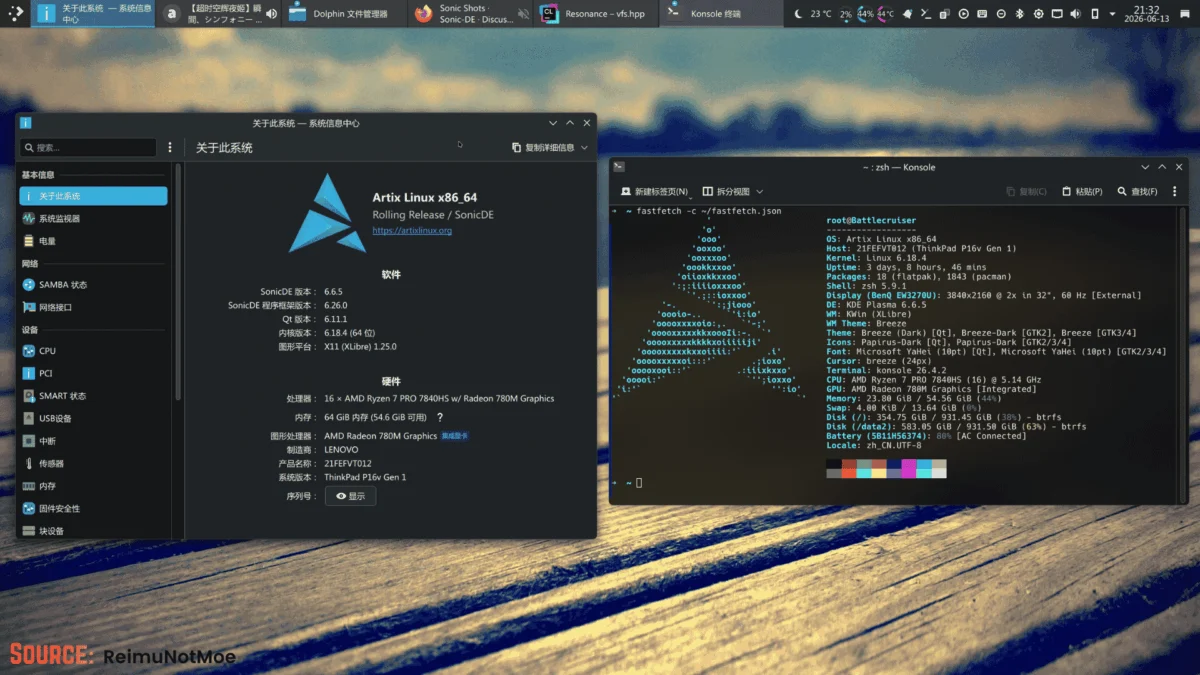
The landscape of Linux desktop environments has undergone a seismic shift over the last few years. As the industry pivots toward the modern Wayland display protocol, the legacy X11 session—the backbone of Unix-like graphical interfaces for decades—is being systematically retired by major desktop projects. When the KDE community announced that Plasma 6.8 would permanently sunset X11 support, the decision sparked a firestorm of debate. While Wayland offers modern security, high-DPI scaling, and gesture support, a significant demographic of power users, system administrators, and legacy application maintainers view the transition as premature or technically restrictive.
Enter SonicDE, a grassroots project born from the refusal to abandon the X11 stack. By taking the abandoned code of KDE Plasma’s X11 components and actively re-engineering them, the developers behind SonicDE are not merely "holding the line"—they are building a future-proof, X11-first desktop environment that honors the traditional Plasma workflow.
The Chronology: From Abandonment to Rebirth
The genesis of SonicDE is a testament to the decentralized nature of open-source software. The project’s timeline is defined by a transition from experimental patching to the creation of a standalone desktop ecosystem.
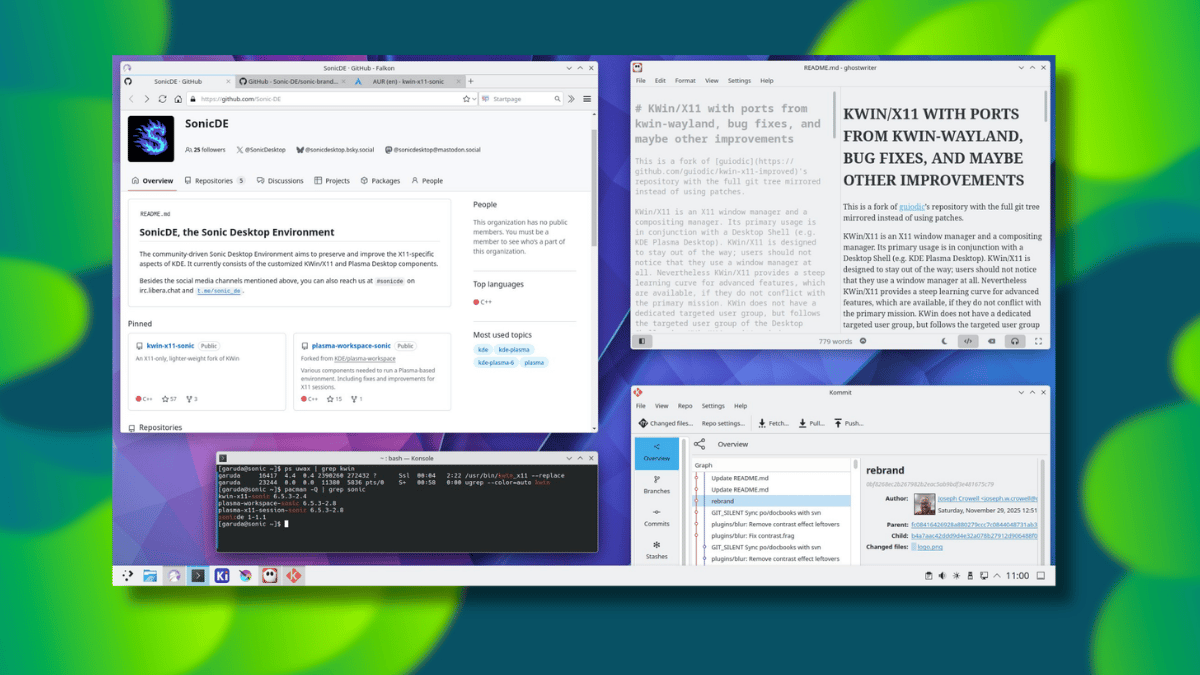
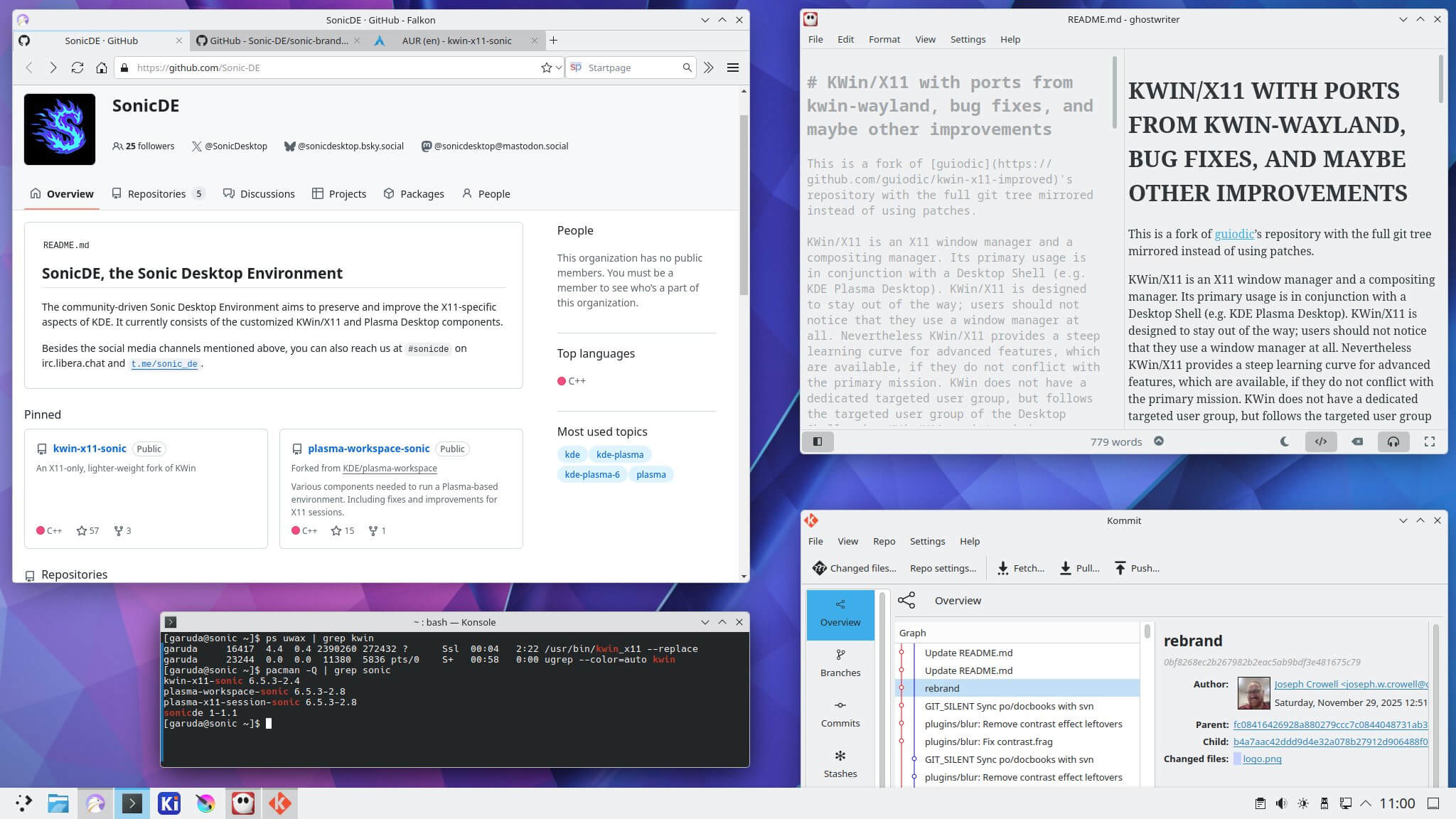
- September 2025: The foundation was laid when developer Joseph Crowell merged a community-maintained patchset, kwin-x11-improved, into the core KWin/X11 source. At this stage, the project was colloquially known as "KDE-Lite," serving as a repository for users who needed to bypass the mandatory Wayland shifts occurring in official KDE releases.
- December 2025: The project underwent a formal rebranding to SonicDE. This shift marked a transition from a collection of patches to a cohesive distribution-agnostic desktop environment. The team began stripping away Wayland-specific dependencies, ensuring that the code remained lightweight and focused exclusively on X11 performance.
- Early 2026: The project expanded significantly, ballooning to over 40 distinct repositories on GitHub. During this period, the team systematically forked critical KDE Frameworks and Plasma components, including the workspace, desktop shell, and various system applets.
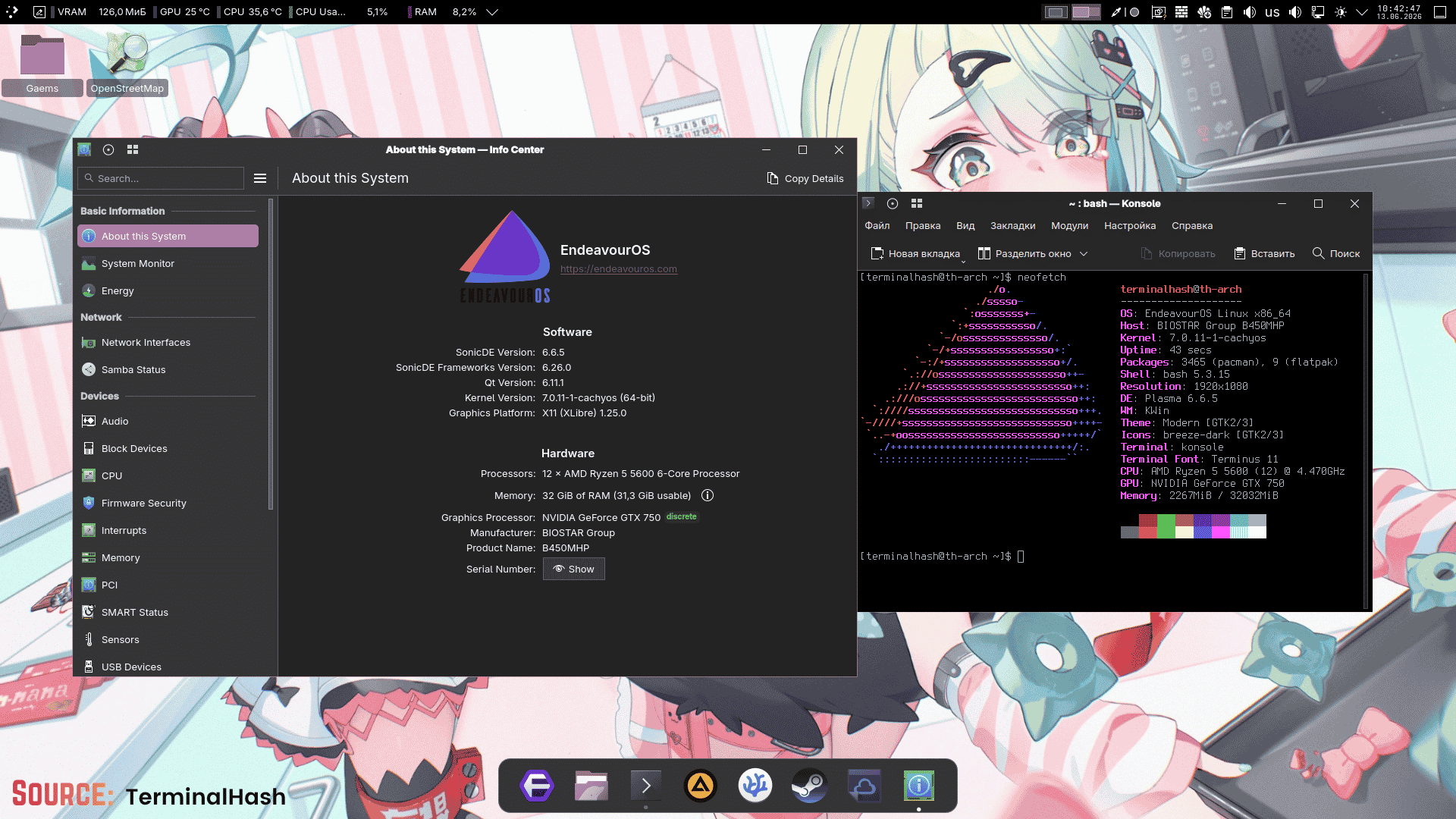
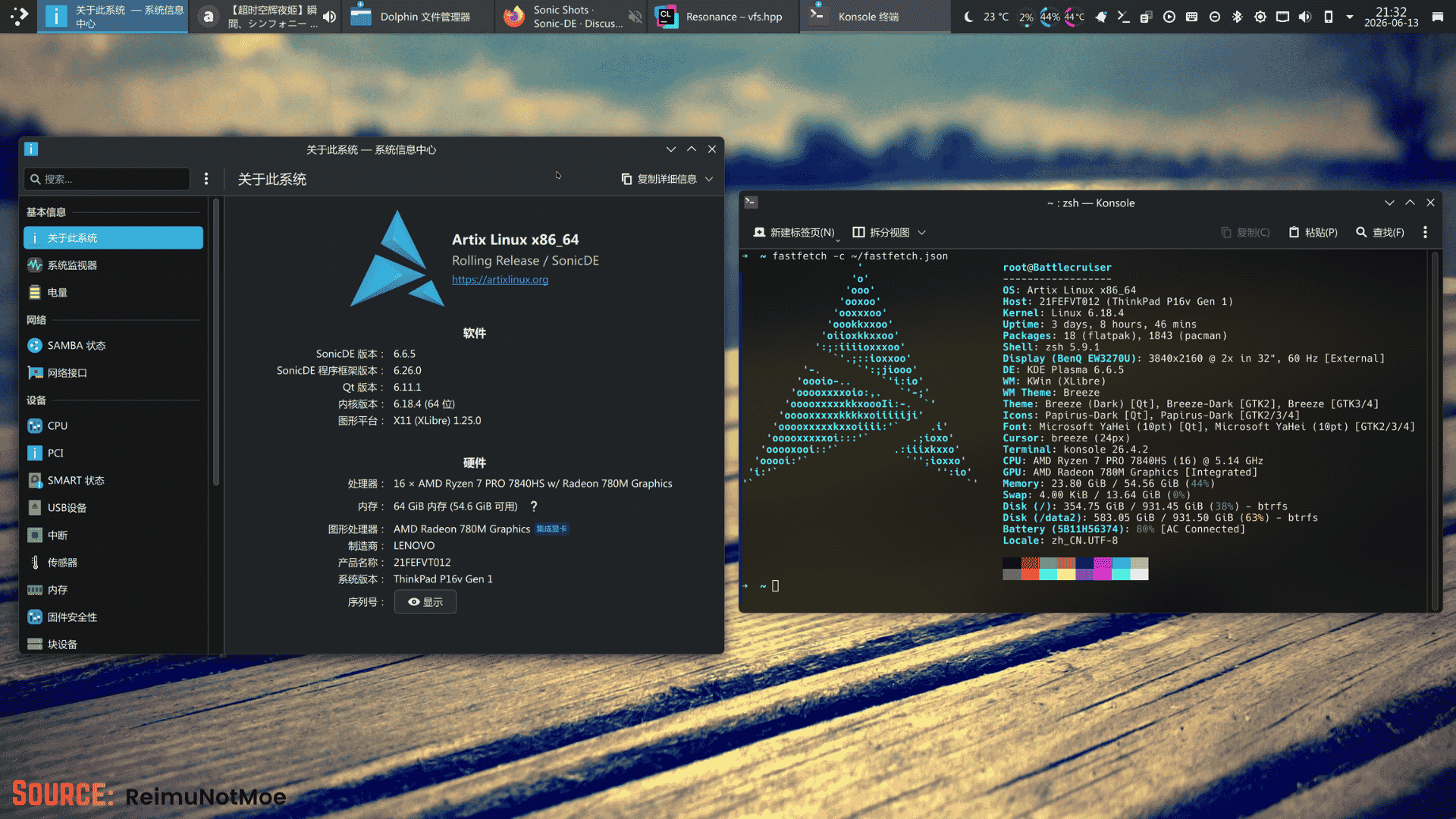
- Mid-2026 to Present: SonicDE reached a functional maturity level, moving into active testing on a variety of distributions, including Arch-based systems, Debian, and Devuan. The project has now set its sights on expanding its reach to BSD systems and init-system-agnostic environments.
The Architecture: Under the Hood of SonicDE
SonicDE is not a "theme" or a simple set of scripts; it is a full-scale fork of the KDE Plasma stack, meticulously stripped of Wayland bloat and optimized for the X11 architecture. The project is anchored by three primary pillars, with a host of supporting utilities providing a complete user experience.
The Core Trio
- sonic-win: Serving as the heart of the desktop, this is a specialized fork of KWin/X11. It is the most actively developed repository in the project, handling all window management and compositing. Unlike upstream KWin, which must juggle the complexities of both X11 and Wayland, sonic-win focuses exclusively on X11 performance, resulting in reduced overhead.
- sonic-workspace: Derived from
plasma-workspace, this component provides the core environment services, including the panel system, task management, and desktop widgets. - sonic-desktop-interface: A fork of
plasma-desktop, this component handles the shell and the graphical interaction layer. By isolating these components, the SonicDE team ensures that users receive the familiar KDE "feel" while maintaining full compatibility with the X11 display server.
The Ecosystem of Utilities
Beyond the core, the SonicDE team has successfully ported and maintained a suite of essential system tools:
- System Integration:
sonic-network-managerandsonic-login-managerensure seamless connectivity and session management. - Audio & Power:
sonic-audio-applet-pulsekeeps legacy PulseAudio volume management intact, avoiding the potential friction of moving to PipeWire-only architectures if the user prefers stability. - Security:
sonic-screenlockerensures that screen security remains robust, independent of modern Wayland-specific compositor locking mechanisms.
Supporting Data: Why X11 Still Matters
The existence of SonicDE is driven by empirical and practical requirements that the Wayland transition has yet to fully address for all users.

1. Legacy Compatibility
Many proprietary applications, especially those used in engineering, CAD, and specialized media production, rely heavily on X11-specific features such as global hotkeys, direct screen grabbing, and specific window-nesting protocols. Wayland’s security-first design, which restricts these capabilities by default, often breaks these applications. SonicDE provides a seamless environment for these workflows without requiring complex "XWayland" emulation layers.
2. Multi-Monitor and Tiling Efficiency
While Wayland is catching up, X11 remains the gold standard for specific multi-monitor setups and advanced tiling window managers. Users who rely on specific X11-based tiling scripts—such as those used for high-frequency stock trading or complex data visualization—find that the X11 session offers a level of predictability and low-latency interaction that modern compositors have struggled to replicate consistently.
3. Init-System Independence
One of the defining features of the Linux philosophy is choice. While many modern desktop environments are increasingly tethered to systemd, SonicDE is being engineered to be init-system agnostic. This is a critical development for users of Artix, Devuan, and Gentoo, who prioritize system modularity and minimalism. The project’s explicit goal to support FreeBSD further emphasizes this commitment to platform independence.
Official Stances and Community Feedback
The developers of SonicDE have been careful to position the project as a collaborative fork rather than an adversarial one. In public discussions, members of the core team have noted that their work is intended to serve the "long-tail" of the Linux community—those who cannot afford the downtime or the feature-regression associated with the Wayland transition.
"Our goal is not to destroy or criticize the work of the KDE project," one contributor noted in a community forum. "We respect the innovation happening in Wayland. However, we also respect the reality that millions of workstations are currently optimized for X11. We are here to ensure those systems remain viable, secure, and performant for years to come."
The community reception has been largely positive, particularly among the "Arch-faithful" and BSD enthusiasts. With packages already available for Debian and Devuan, the project is rapidly moving toward a broader audience, with active packaging efforts underway for NixOS and OpenMandriva.
Implications: The Future of Desktop Diversity
The emergence of SonicDE has significant implications for the Linux ecosystem. It signals a potential "forking point" in the trajectory of open-source desktop development.
The "Forking" Model as a Safeguard
SonicDE proves that even when a large, well-funded project like KDE decides to sunset a technology, the modular nature of open-source code allows the community to step in. This acts as a safeguard against "forced innovation," where users are pushed into new workflows against their will.
The Sustainability Challenge
The primary challenge facing SonicDE is the sheer scale of the maintenance required. While the initial fork was successful, the project must now keep pace with upstream KDE Frameworks updates. If the KDE project introduces significant changes to its underlying libraries, the SonicDE team must be ready to backport or refactor those changes to maintain compatibility. The success of the project will depend on the continued commitment of its contributor base and the ability of the community to provide ongoing testing and bug reports.
A Lesson for Future Transitions
SonicDE serves as a case study for future display server or architectural transitions in the Linux world. It demonstrates that when a transition is handled with the "my way or the highway" approach, the community will inevitably fragment. If projects like KDE wish to avoid such fragmentation, they may need to consider longer support cycles or more robust migration paths for legacy users.
Conclusion
SonicDE represents the resilient, DIY spirit that has always defined the Linux desktop. By refusing to let the X11 session fade into obscurity, the project provides a sanctuary for users who value stability, workflow continuity, and architectural choice. Whether as a temporary bridge or a long-term alternative, SonicDE has solidified its place as a critical component of the modern Linux landscape. As the project continues to mature and expand its reach into the BSD and non-systemd worlds, it stands as a reminder that in the world of open source, "deprecated" is often just a starting line for a new, community-driven journey.
For those interested in the future of the X11 desktop, the official SonicDE website and the project’s GitHub organization offer the most up-to-date information on installation, contribution, and the project’s ambitious roadmap for the coming year.