Elevating the Android Ecosystem: Google I/O ’26 and the Future of Differentiated App Experiences
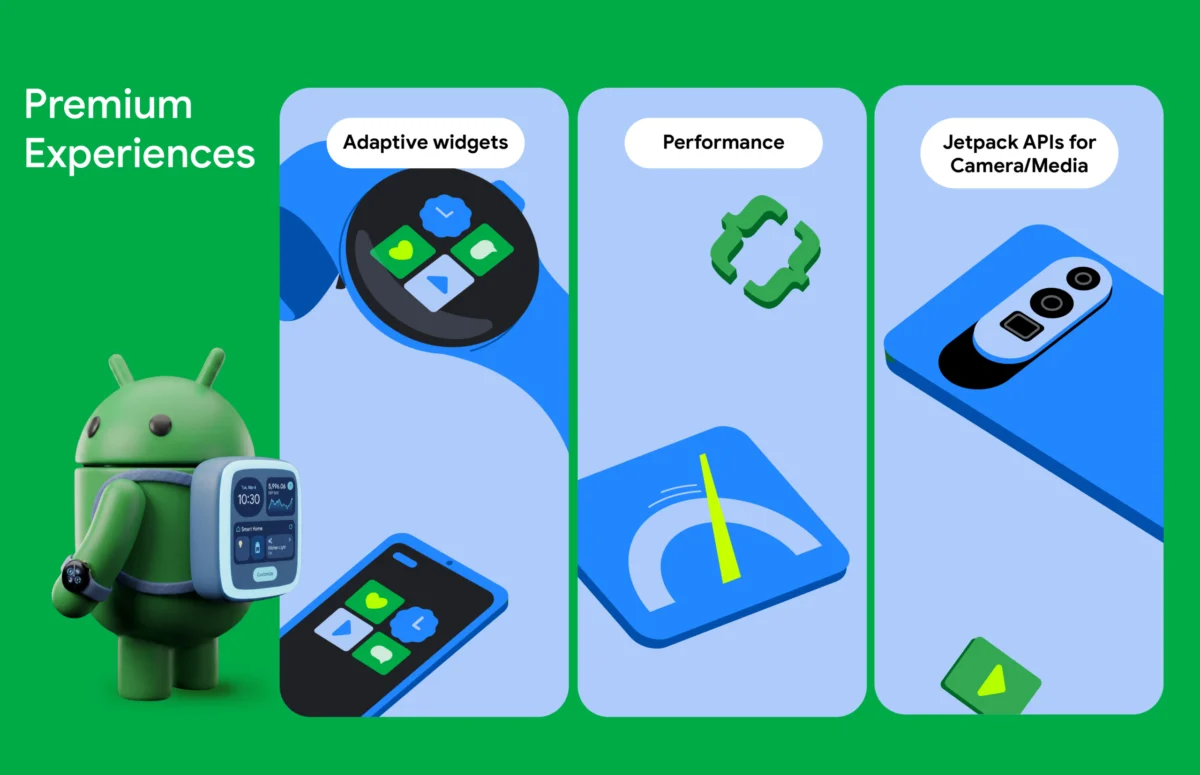
In the competitive landscape of mobile application development, the difference between a good app and a market leader often lies in the "premium" feel of the user experience. At Google I/O ’26, Android Developer Relations engineers underscored a critical shift in the ecosystem: as hardware becomes increasingly diverse—spanning foldables, wearables, automotive dashboards, and high-performance smartphones—developers must move beyond the "one-size-fits-all" approach.
The latest updates from Google are designed to solve a dual challenge: how to push the boundaries of performance on modern hardware while simultaneously streamlining the development lifecycle. By focusing on deep-level optimization tools, unified UI frameworks for glanceable content, and professional-grade media pipelines, Google is providing the infrastructure for developers to build apps that are not only performant but deeply integrated into the user’s daily flow.
The Core Pillars of Modern Android Development
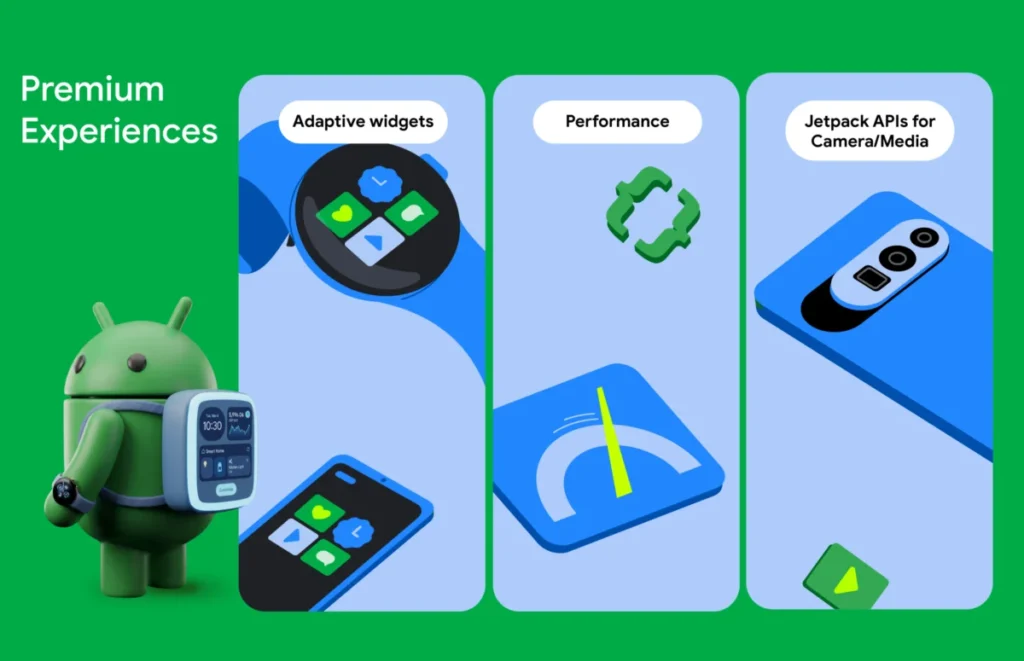
The theme of this year’s announcements centered on "differentiated experiences"—the idea that high-quality software should feel native to the device it occupies, regardless of the form factor. This approach is anchored by three strategic pillars: performance efficiency, ecosystem-wide UI unification, and high-fidelity media processing.
The Performance Imperative: The R8 Configuration Analyzer
With the release of Android 17, the operating system has introduced more stringent, device-RAM-based memory limits. These thresholds are designed to mitigate system-wide instability caused by extreme memory leaks and unoptimized background processes. For developers, this shift marks the end of the "bloatware" era; maintaining a lean code footprint is now a functional requirement for app survival.
To support this, Google has introduced the R8 Configuration Analyzer within Android Studio. R8, the compiler tool responsible for shrinking, obfuscating, and optimizing Java and Kotlin code, has historically been a double-edged sword. While powerful, it often required complex manual configuration that could lead to broken code if "keep rules"—directives that prevent the compiler from stripping away necessary code—were too broad.
The Configuration Analyzer changes the game by providing developers with actionable insights through optimization, obfuscation, and shrinking scores. By visualizing exactly which rules are preventing the compiler from performing its duties, developers can safely prune unnecessary code without risking runtime crashes. The impact of this is measurable: companies like Monzo have already reported a 30% improvement in cold-start times and a 35% reduction in Application Not Responding (ANR) errors by utilizing these new diagnostic tools.
Unified UI: Jetpack Glance and RemoteCompose
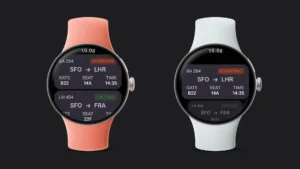
The modern user experience is increasingly defined by "glanceable moments." Users no longer want to launch a full application just to check a flight status, a calendar update, or a music track. To facilitate this, Google is unifying the development of Widgets, Wear OS Tiles, and automotive interfaces under the Jetpack Glance umbrella.
By leveraging a consistent, Compose-based model, developers can now write code once and deploy it across mobile, wearable, and automotive surfaces. The introduction of RemoteCompose is the technical breakthrough that makes this possible. RemoteCompose allows developers to define UI logic that renders natively on remote surfaces. On Wear OS, this means that even resource-constrained hardware can render complex, responsive interfaces without the overhead of traditional rendering methods.
This creates a seamless "ecosystem journey." A user might interact with a boarding pass on their phone widget, check for a gate change on their watch via a Tile, and monitor arrival times on their car’s dashboard—all built using a shared technical architecture that drastically reduces the maintenance burden for developers.
The Media Pipeline: High-Fidelity Capture and Processing
Media-centric applications have become the backbone of the Android app economy. To support this, Google has consolidated its media tools into a production-ready toolkit comprising Jetpack CameraX and Media3.

CameraX has been upgraded with the CameraXViewfinder Composable, which ensures that camera previews are perfectly responsive and scaled across the myriad of screen sizes now present in the Android ecosystem, including the increasingly popular foldable tablets. Beyond capture, the Media3 AI Effects library represents a significant leap forward, providing a unified interface for complex image and video processing tasks.
Instead of building custom processing chains, developers can now call upon standardized functions for "Magic Eraser," "Studio Sound," and video enhancement. These tools automatically select the most efficient path for the device’s hardware, ensuring that even mid-range devices can handle high-frame-rate, professional-grade media workflows.
Chronology of the Android 17 Ecosystem Evolution
- Pre-I/O 2026: Google identifies a growing gap between hardware capabilities and app performance, specifically regarding memory management on lower-end devices.
- Early Q2 2026: Initial testing of the R8 Configuration Analyzer begins with select partners, including fintech and social media firms.
- Google I/O 2026 (Day 1): Official unveiling of the "Differentiated Experiences" initiative. Keynote sessions detail the technical roadmap for Android 17’s memory policies.
- Google I/O 2026 (Day 2): Deep-dive workshops on RemoteCompose and the integration of Media3 AI effects for video editing apps.
- Post-I/O 2026: Release of the developer preview documentation and the launch of the dedicated YouTube playlist for implementation tutorials.
Supporting Data and Performance Metrics
The shift toward these optimized tools is not merely aesthetic; it is data-driven. According to the technical demonstrations presented at I/O:
- Memory Efficiency: The new Android 17 memory limits are projected to reduce system-wide app terminations by approximately 22% for apps that adopt the R8 Configuration Analyzer’s recommendations.
- ANR Reduction: Early adopters of the optimization suite reported a 35% decrease in ANR (App Not Responding) instances, directly correlating to better user retention rates.
- Development Speed: The unification of Widgets and Tiles via Jetpack Glance is estimated to reduce cross-platform UI development time by up to 40%, as teams no longer need to maintain separate codebases for wearable and mobile interfaces.
Official Responses and Developer Advocacy
Ataul Munim, Android Developer Relations Engineer, emphasized that the goal of these updates is to foster "premium delight."
"A truly differentiated Android experience is about delivering premium delight wherever your users are," Munim stated during the keynote. "By unifying these technical pillars, we are not just giving developers better tools; we are giving them the ability to build a cohesive, high-performance media journey that delivers both delight for your users and high ROI for your development team."
The focus remains on empowering the developer to spend less time on boilerplate code and more time on creative differentiation. The industry response has been largely positive, with developers praising the move toward more "Compose-first" APIs that reduce the cognitive load of switching between different framework paradigms.
Implications for the Android Developer Community
The implications of these changes are profound. For the developer community, the message is clear: the era of "good enough" performance is over. As Google tightens the operating system’s resource management, developers who fail to adopt modern optimization practices like the R8 Configuration Analyzer will likely see their apps penalized by the system.
However, the "carrot" accompanying this "stick" is a set of tools that make it easier than ever to build apps that feel sophisticated and integrated. The shift toward RemoteCompose means that small, agile teams can now compete with larger organizations in providing multi-device experiences.
Key Takeaways for Developers:
- Adopt R8 early: The Configuration Analyzer is no longer optional for apps aiming for high-performance status on Android 17.
- Unify your UI: Start migrating existing Widgets and Tiles to the Jetpack Glance framework to leverage cross-device code reuse.
- Leverage AI-Ready Media Tools: Move away from custom media processing and adopt Media3 to future-proof your app against the increasing demand for AI-driven video and audio editing features.
As the Android ecosystem continues to mature, the developers who thrive will be those who can balance high-level creative vision with the low-level technical discipline required to run smoothly on the next generation of mobile hardware. The resources provided at I/O ’26—from the deep-dive documentation to the curated video series—offer a comprehensive roadmap for any developer aiming to lead in this new, more performant era of Android.