A Paradigm Shift in Mobile Commerce: Google Opens Play Store to Alternative Billing
In a move that marks the most significant structural change to the Android ecosystem in over a decade, Google has officially confirmed that it will open the Google Play Store to third-party billing options starting June 30. This policy shift, which fundamentally alters the company’s monetization model, follows years of mounting regulatory pressure and a high-stakes legal confrontation with Epic Games.
By allowing developers to bypass the proprietary Google Play billing system, the tech giant is effectively dismantling a "walled garden" approach that has defined the smartphone era. Furthermore, the company is drastically restructuring its commission fees, signaling an end to the era of the flat 30 percent "app store tax."
The Core Transformation: Alternative Billing and Fee Restructuring
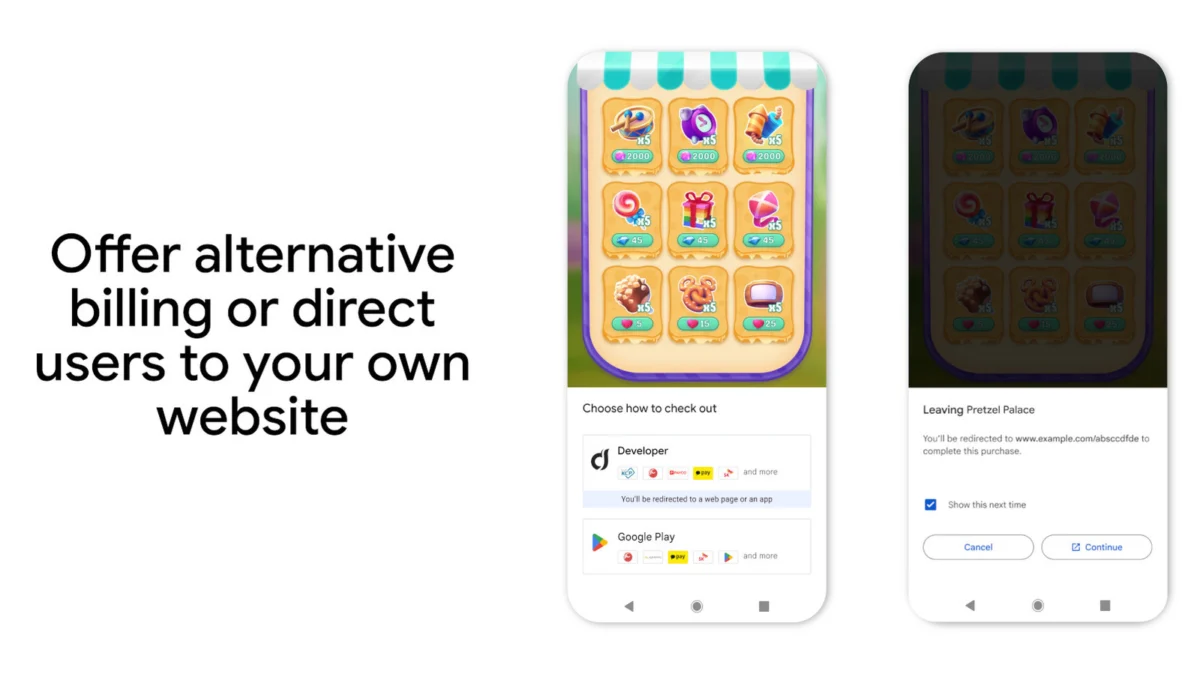
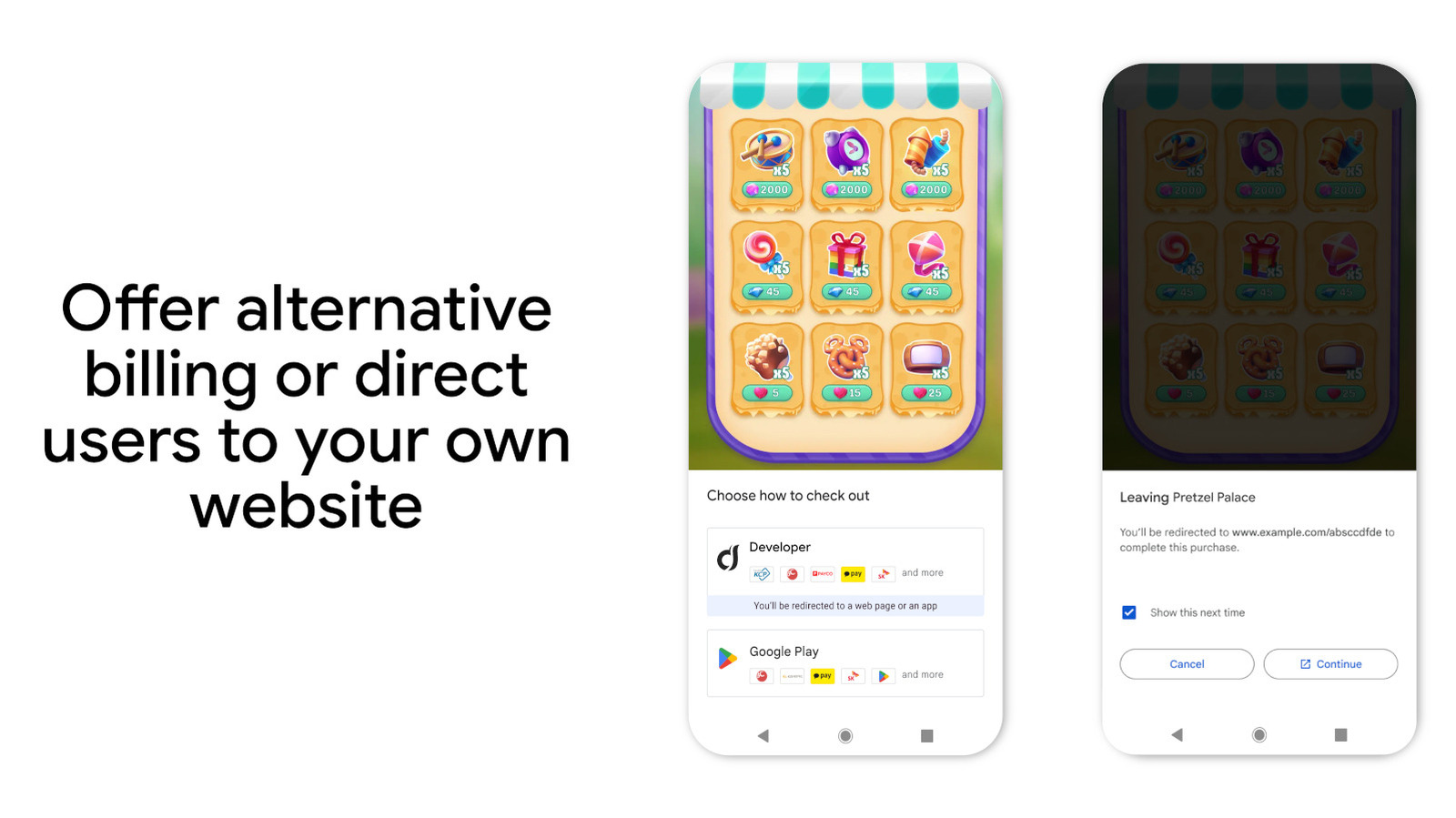
Starting June 30, developers operating in the United States, the United Kingdom, and the European Union will gain the ability to integrate alternative payment gateways directly into their applications. This transition allows developers to offer users a choice at checkout: they may continue to use the integrated Google Play billing system or opt for an external payment provider, or even a direct link to the developer’s own website.
The most notable aspect of this update is the unbundling of service fees from billing fees. Previously, Google charged a blanket 30 percent commission on nearly all digital goods and services sold through the Play Store. Under the new framework, the fee structure is significantly more granular:
- Service Fee (The "Base"): Developers will now pay a 10 percent service fee on their first $1 million in annual earnings, regardless of the billing method chosen by the customer. This fee covers the cost of the Android platform, security vetting, and distribution infrastructure.
- Billing Fee (The "Extra"): For transactions processed specifically through Google’s own payment system, an additional 5 percent fee is applied. This reflects the processing and fraud-prevention services Google provides for its native system.
- Scalability: Once a developer exceeds $1 million in annual revenue, the commission rates shift. For new installs, the service fee increases to 20 percent. For existing installs, fees for non-subscription transactions will range from 20 to 25 percent.
A Chronology of Conflict: How We Arrived Here
The journey toward this milestone was not voluntary; it was the result of a grueling legal and regulatory marathon.
The Epic Games Catalyst
The spark for these changes was ignited by the protracted antitrust litigation between Google and Epic Games. The Epic Games v. Google case challenged the legality of Google’s requirement that apps use Play Billing, arguing that it constituted an illegal monopoly. After a high-profile trial that exposed the inner workings of Google’s mobile business, the two companies reached a settlement in early 2024.
Regulatory Pressure
Beyond the courtroom, Google faced a global onslaught from antitrust regulators. The European Union’s Digital Markets Act (DMA) and similar legislative efforts in the UK and US forced the company to reconsider its gatekeeper status. Regulators argued that forcing developers to use proprietary billing systems harmed competition, stifled innovation, and artificially inflated prices for consumers.
The Roadmap to Implementation
- March 2024: Google formally announces its intention to restructure its billing and commission policies as part of the Epic Games settlement.
- June 30, 2026: The program officially launches in the US, UK, and Europe.
- September 30, 2027: The new fee and billing structure is scheduled to become the standard for the Google Play Store on a global scale.
Supporting Data: The Economic Impact on Developers
For the average independent developer, the new 10 percent base service fee represents a substantial financial reprieve. Under the previous "30 percent" regime, a developer earning $100,000 would lose $30,000 to Google. Under the new model, assuming they utilize a third-party payment processor with lower transaction fees (typically 2-3 percent), the total cost of business drops from 30 percent to roughly 12-13 percent.
However, the tiered nature of these fees introduces a level of complexity for high-revenue studios. The jump from 10 percent to 20 or 25 percent after the first million dollars is intended to ensure that Google remains compensated for the massive reach and infrastructure that "scale-up" developers rely on.
To mitigate the impact on high-performing developers, Google has introduced two incentive programs:
- Games Level Up: Targeted at developers of high-quality gaming experiences that meet specific engagement and performance metrics.
- Apps Experience Program: Designed for developers building premium, multi-device Android experiences (e.g., cross-platform productivity or design suites).
These programs allow eligible developers to continue paying lower fees even after exceeding the $1 million revenue threshold, provided they meet strict technical and UX guidelines.
Official Responses and Industry Perspectives
Google’s communication regarding these changes has been framed as a "choice program." In their official blog post, the company emphasized that user safety remains paramount. "While developers are free to offer alternative billing, they must ensure the user experience is transparent and secure," a Google spokesperson stated. To this end, Google has released a set of UX guidelines for custom billing screens. Developers are encouraged to design their own flows, but they must provide clear information about what the user is paying for and how the billing is handled.
Industry analysts have responded with cautious optimism. "This is a win for consumer choice, but it’s also a defensive maneuver by Google," says tech analyst Marcus Thorne. "By unbundling the fees, they are essentially future-proofing themselves against further antitrust action while acknowledging that the 30 percent era is simply no longer sustainable in a competitive market."
Epic Games, while instrumental in forcing the change, has signaled that their battle for a truly "open" platform is far from over. Their leadership has frequently argued that even a 10 percent fee remains a tax on innovation, and they continue to advocate for the total removal of platform fees for digital goods.
Implications for the Future of Mobile Computing
The impact of this policy shift will likely ripple through the entire mobile software ecosystem for years to come.
1. The Death of the "App Store Tax" Monopoly
The standard 30 percent cut, which was once the bedrock of the app economy, is effectively dead. With Apple and Google both facing regulatory pressure to allow third-party billing, developers are entering a new era where they can optimize their revenue streams based on the payment processors that offer the best value, not just the ones mandated by the platform holder.
2. Enhanced User Experience vs. Security Risks
While giving users choices is generally a positive development, it creates a potential fragmentation of the user experience. If every app uses a different payment interface, consumers may face confusion or, worse, become targets for phishing scams via malicious, non-vetted payment portals. Google’s commitment to "UX guidelines" suggests they intend to maintain a high level of oversight, but enforcement will be a significant operational challenge.
3. A Global Shift
By rolling these changes out regionally before a global expansion in 2027, Google is conducting a massive "stress test." If the transition is successful in Europe and the US, it will provide a blueprint for how to operate an open marketplace. If it leads to increased security incidents or technical instability, it may force a regulatory rethink.
4. Developer Autonomy
Developers are no longer tethered to a single billing partner. This allows for more creative business models, such as subscription-based services that offer better pricing for users who pay through a developer’s website directly, rather than through the app. This is expected to drive more direct-to-consumer traffic and help developers build stronger, more loyal relationships with their user base.
Conclusion
The opening of the Google Play Store to alternative billing on June 30 is more than just a policy update; it is a fundamental reconfiguration of the relationship between platform owners and the developers who populate them. As the mobile landscape shifts away from the rigid, monolithic structures of the past, the industry is entering a phase of greater flexibility and competition. While the path to global implementation by 2027 remains complex, the trajectory is clear: the digital storefront is becoming a more democratic, if increasingly complex, marketplace. For the end user, this likely means more options and potentially more competitive pricing; for the developer, it marks the long-awaited arrival of greater control over their own financial destiny.