The FOSS Weekly Digest: Brave’s Linux Perk, Gaming Breakthroughs, and the Future of AI Integration
The landscape of Open Source software is evolving at a breakneck pace. As we navigate the mid-year milestones of 2026, the intersection of enterprise-grade tooling, specialized hardware, and community-driven innovation has never been more vibrant. This week’s dispatch covers everything from exclusive software pricing models for Linux users to significant strides in Vulkan-based graphics performance and the latest in local AI integration.
Main Facts: The Brave Origin Release
In a move that has surprised many in the tech industry, Brave Software has unveiled Brave Origin, a streamlined, "de-bloated" iteration of its flagship browser. For years, the standard Brave browser has been synonymous with built-in crypto-wallets and aggressive rewards integration. Brave Origin strips away these features entirely, offering a focused, privacy-centric browsing experience that retains the core ad-blocking and anti-tracking engines users have come to rely on.

The Linux Privilege
Perhaps the most notable aspect of this release is its pricing strategy. While Windows and macOS users are expected to pay a $60 licensing fee for this premium, clutter-free version, Brave has decided to offer the software completely free of charge to the Linux community. This represents a rare instance where the open-source platform is treated as a first-class citizen, reversing the traditional industry trend where Linux users are often an afterthought.
Chronological Developments in the FOSS Ecosystem
State of Unreal 2026: The Rise of Lore
During the State of Unreal 2026 event, Epic Games took the industry by storm with the open-source release of Lore. Lore is designed as a direct competitor to Git, specifically engineered to address the friction developers face when managing projects that combine traditional codebases with massive binary assets. Where Git LFS (Large File Storage) often struggles with performance and synchronization, Lore promises a more robust architecture tailored for modern game engine workflows.

Mesa 26.2 and the NVK Breakthrough
The open-source Vulkan driver for NVIDIA hardware, known as NVK, has reached a critical performance milestone. Developers have confirmed that the driver can now support DLSS (Deep Learning Super Sampling) in gaming titles. While currently relegated to experimental status and requiring manual flag activation, this functionality is slated for full, stable integration in the upcoming Mesa 26.2 release, scheduled for August 2026. This brings NVIDIA hardware one step closer to seamless, high-performance compatibility within the Linux ecosystem.
Canonical’s "Implicit" AI
Months after Canonical teased its dual-pronged "implicit/explicit AI" framework, the first major implementation has arrived. Myna, an innovative local speech-to-text tool, is taking shape as the "implicit" component of this strategy. Designed for deep integration with the desktop environment, Myna aims to provide privacy-first, offline dictation capabilities, with a projected debut in the Ubuntu 26.10 release.

Supporting Data and Hardware Trends
The Evolution of ArmSoM
The Sige series from ArmSoM has long been a staple for Rockchip enthusiasts. However, the newly launched Sige6 marks a significant pivot in strategy. By opting for the Allwinner A733 SoC, the Sige6 signals a shift toward more versatile silicon.
- Key Specifications:
- Octa-core architecture with a dedicated 3 TOPS NPU.
- Support for up to 16GB of LPDDR5 RAM.
- Integrated M.2 slot for high-speed NVMe storage.
This hardware shift indicates a growing demand for edge-computing devices that can handle localized AI workloads without relying on cloud infrastructure.
Enterprise Linux: ARM64 Livepatching
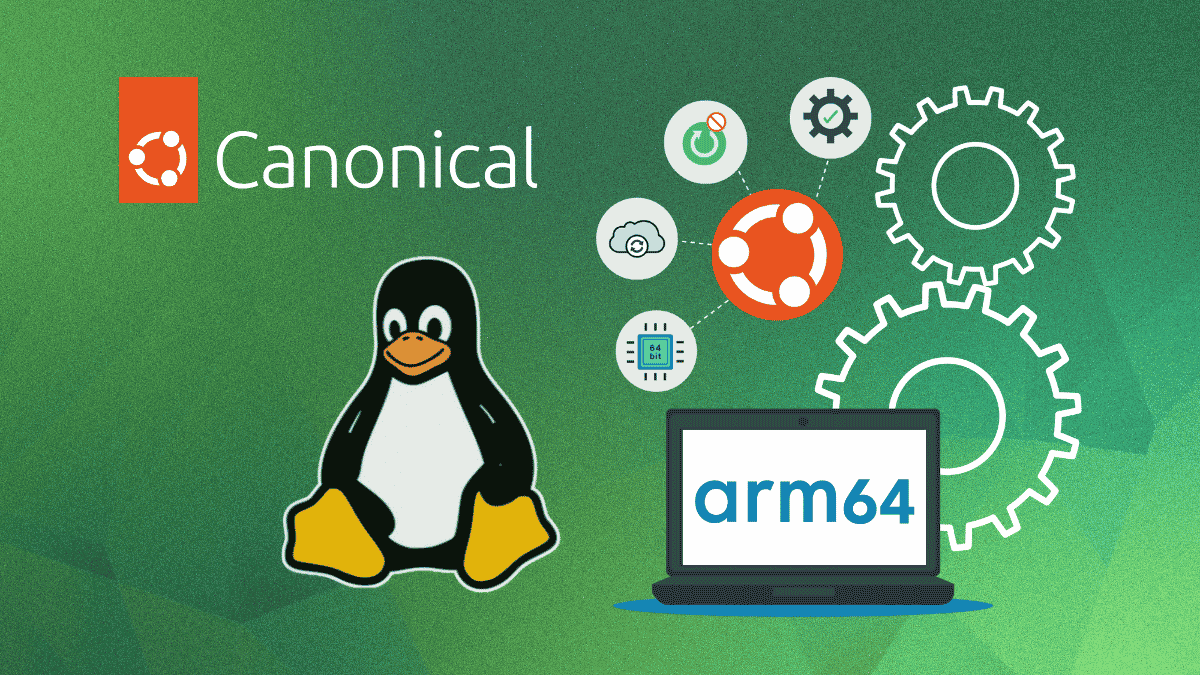
For server administrators, the wait is finally over. Canonical has officially extended Livepatch capabilities to ARM64 systems on Ubuntu 26.04 LTS and Ubuntu Core 26. This eliminates the necessity of system reboots for kernel vulnerability patching—a feature that has been a mainstay on AMD64 platforms for years. This development is expected to significantly reduce downtime for ARM-based cloud infrastructure providers.
Official Responses and Community Sentiments
The community response to the current wave of updates has been largely positive, though not without its characteristic skepticism. The "Brave Origin" announcement, in particular, sparked a lively debate on the It’s FOSS forums. While the free pricing for Linux is welcomed, it has reignited conversations regarding the long-term sustainability of "lite" software models.

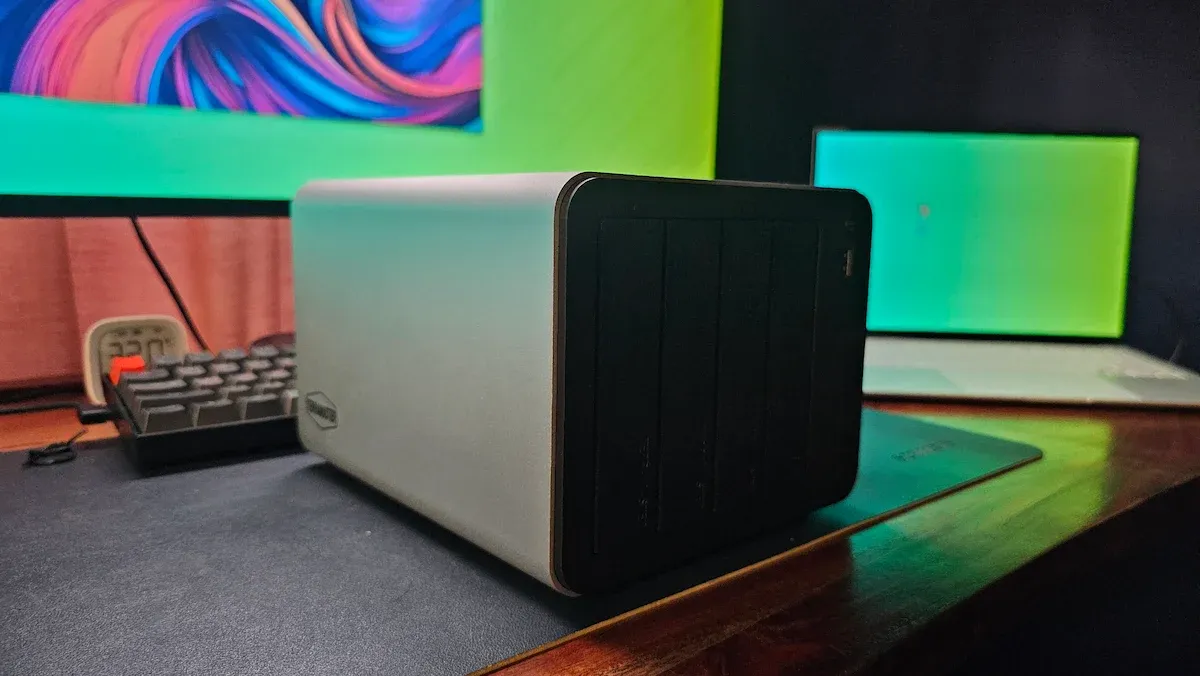
Regarding the Terramaster F4-425 Pro, early impressions suggest that while the hardware is a formidable step up, the software suite remains a work in progress. Users have noted that while the manufacturer is pushing hard into the local AI space, the software interface lacks the polish required for widespread adoption among power users.
Implications for the Future
The Shift Toward Local AI
The developments surrounding Myna and PineVoice (a $49.99 smart speaker that eschews cloud-based assistants like Alexa for local Home Assistant control) highlight a massive, industry-wide pivot toward local intelligence. By keeping data processing on the device, developers are not only enhancing user privacy but also addressing the latency issues inherent in cloud-dependent smart devices.
Gaming on Linux: A New Frontier
With the success of Proton, we are seeing a "Golden Age" of Linux gaming. The fact that the developers of Fruit Ninja are actively testing their new dungeon crawler on Linux via Proton—and finding it to be a frictionless experience—is proof that Linux is no longer a niche target for game studios. As Vulkan drivers like NVK continue to mature, the performance gap between Linux and Windows will continue to shrink, further incentivizing developers to build for the platform.
The Sustainability of FOSS
The recent push for "Lifetime Memberships" within the It’s FOSS community highlights the precarious nature of maintaining independent, high-quality technical journalism. Reaching 192 of the 200-supporter goal is a testament to the dedication of the community, but it also serves as a reminder that the tools and information we rely on are funded by the very users who benefit from them.

Quick Handy Tips and Learning Resources
For those looking to optimize their daily workflows, this week offers several notable improvements:
- KDE Plasma 6.7 Productivity: Users can now enable "Switch desktops independently for each screen" in the System Settings (Window Management -> Virtual Desktops). This is a game-changer for multi-monitor setups, allowing for better organization of tasks across different displays.
- Firefox Hidden Features: Many users overlook the sheer utility packed into Firefox. Features such as the built-in PDF merger, the eyedropper tool for web design, and full-page screenshot capabilities can replace several third-party browser extensions.
- LVM Mastery: Understanding the Logical Volume Manager (LVM) is essential for any Linux sysadmin. Moving beyond installer defaults to manual command-line configuration provides granular control over disk partitioning and snapshots.
Tech Trivia: A Look Back
It is worth remembering that on June 18, 1997, the DESCHALL Project proved that collective action could overcome industrial-grade encryption. By pooling the idle processing power of volunteers, they cracked the 56-bit Data Encryption Standard in 96 days. This historical event remains a cornerstone of the FOSS philosophy: when we combine our resources and our curiosity, we can challenge even the most entrenched security standards.
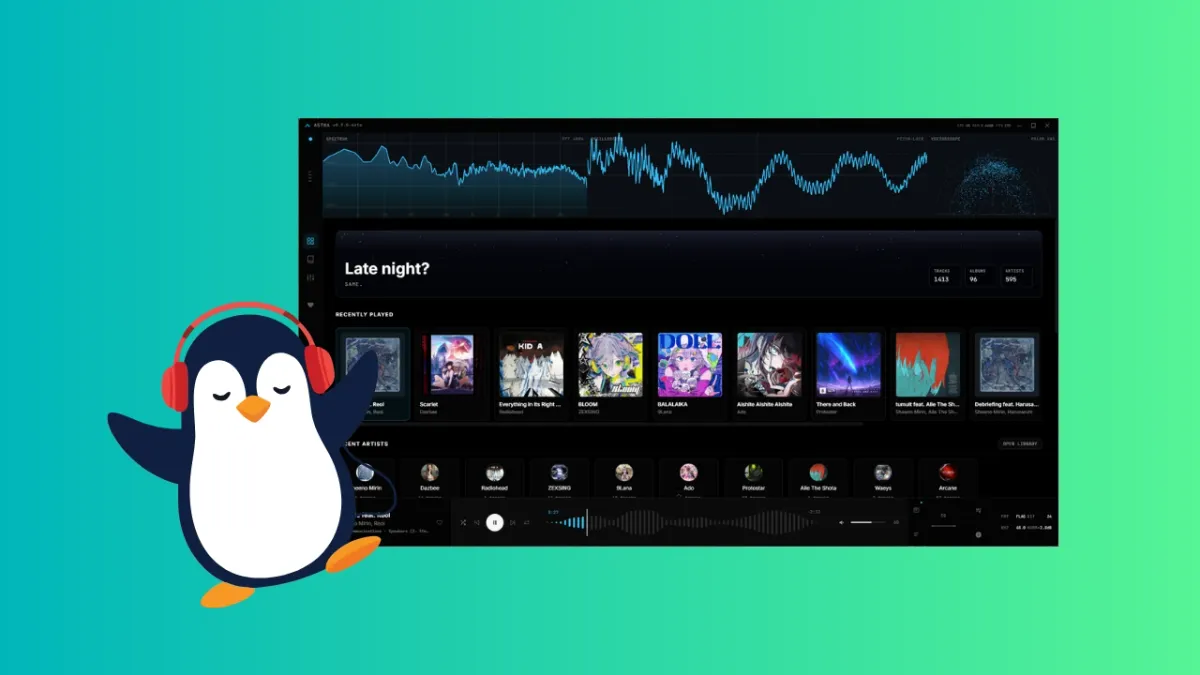
As we look toward the remainder of 2026, the message remains clear: the open-source ecosystem is not just surviving—it is defining the next generation of computing. Whether it is through the refinement of kernel patching, the adoption of local AI, or simply making high-fidelity music playback more accessible, the commitment to transparency, privacy, and user choice remains the driving force of our community.