The Xbox Paradox: Why Buying into the Ecosystem Now Is a Strategic Mistake
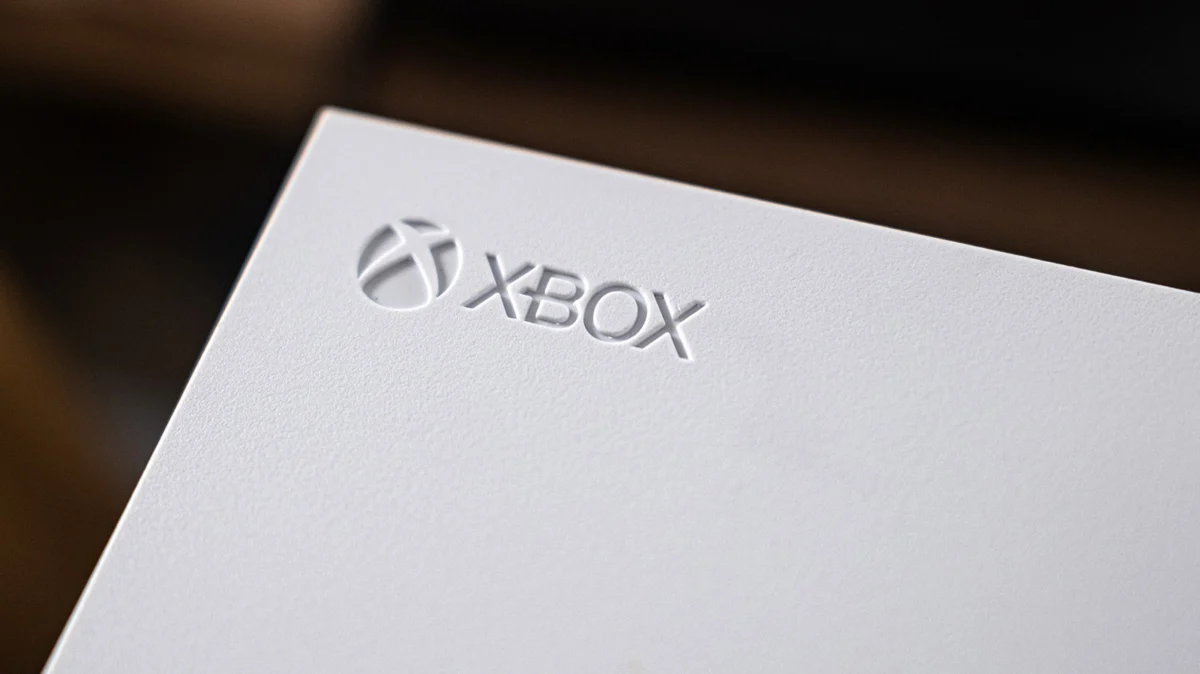
In the wake of Microsoft’s recent announcement that it will raise the retail prices of the Xbox Series X and Series S for the third time this generation, a peculiar narrative has emerged across the tech media landscape. Numerous outlets have urged consumers to "beat the clock," suggesting that the looming August 1 price hike, combined with current Prime Day discounts, creates a "now or never" window for prospective buyers.
The prevailing argument is one of fiscal pragmatism: buy now, save money later. However, a deeper look at the current state of the Xbox ecosystem reveals that this advice is fundamentally flawed. From an aging hardware lifecycle to a corporate strategy increasingly detached from console exclusivity, buying an Xbox in 2026 is not a savvy move—it is, by almost every metric, a bad deal.
A Chronology of Declining Value
To understand why current hardware prices are so egregious, one must look at the lifecycle of the consoles themselves. The Xbox Series S launched in 2020 at $300, while the flagship Series X debuted at $500. Under normal market conditions, a console entering its sixth year would be seeing significant price cuts, aggressive bundle deals, and refreshed hardware revisions.
Instead, the trajectory has been inverted. In the intervening years, consumers have seen the retail price of these machines climb steadily. While some may point to "deals" bringing the Series S to $350 and the Series X to $573, these numbers are higher than the consoles’ original launch prices.
This creates a bizarre psychological trap for the consumer. By framing these inflated prices as "discounts" compared to the upcoming post-August 1 MSRP, retailers are inducing artificial urgency. In reality, the hardware—which has remained technologically static since 2020—is depreciating in utility while appreciating in cost. Paying a premium for hardware that is entering the twilight of its generation is not a saving; it is an exercise in diminishing returns.
Supporting Data: The Component Scarcity and Corporate Strategy
The tech industry is currently navigating a volatile landscape defined by severe memory and storage shortages. While market volatility is a reality, Microsoft’s role in these supply chain pressures is significant. The company’s pivot toward massive, multi-billion-dollar investments in AI-driven data centers has strained the availability of the very components required to produce consumer gaming hardware.
When questioned about these price hikes, Microsoft’s rhetoric has been notably evasive. The company points to "market adjustments" and "component costs," yet it remains the primary architect of its own supply chain constraints. By prioritizing its enterprise AI infrastructure over its consumer gaming division, Microsoft has essentially signaled where its true financial interests lie. The consumer is left footing the bill for a corporate pivot that has little to do with the gaming experience itself.
The State of the Xbox Ecosystem: Internal Disarray
Beyond the hardware costs, the value proposition of the Xbox platform has never been more tenuous. The company is currently mired in a period of significant institutional turbulence. Following years of sustained layoffs and the shuttering of high-profile studios—including recent reports regarding the precarious futures of Double Fine, Ninja Theory, and Compulsion Games—the brand’s internal culture is in a state of flux.
The appointment of CEO Asha Sharma and Chief Content Officer Matt Booty has signaled a shift toward even more aggressive cost-cutting measures. With reports of further layoffs scheduled for July and a public admission from leadership that current profit margins are unsustainable, the stability of the Xbox service and its commitment to long-term support are in question. Investing in a platform whose internal leadership is openly questioning its own viability is a high-risk gamble for the average consumer.
Software Strategy and the Death of Exclusivity
Perhaps the most compelling argument against purchasing an Xbox today is the erosion of its unique selling point: the exclusive game. For years, the console was a necessary gatekeeper for Microsoft’s library. Today, that gate has been left wide open.
Microsoft’s first-party titles—such as Avowed, Indiana Jones and the Great Circle, and Keeper—are increasingly available on PC via Steam. Furthermore, due to legal mandates and a broader corporate strategy, major franchises like Call of Duty are being distributed across all competing platforms. The "Xbox" has effectively ceased to be a physical box and has instead become a software service.
Microsoft has pioneered a platform-agnostic approach, pushing its games toward PlayStation, Nintendo Switch, and cloud-based environments. While this is a "win" for accessibility, it is a defeat for the console hardware. If every game Microsoft produces can be played on a PC, a mobile device, or a competitor’s console, the rationale for owning a dedicated, high-priced piece of Microsoft-branded hardware vanishes. When everything is an Xbox, the Xbox console becomes redundant.
Implications for the Future: Waiting for the Next Cycle
The most logical move for a consumer today is inaction. The industry is on the cusp of a hardware transition, with rumors of next-generation initiatives—such as the "Project Helix" consoles slated for 2027—gaining momentum.
History dictates that when a new generation arrives, the current hardware will be "priced to clear." Waiting for this transition allows the consumer to avoid the current price-hike trap while positioning themselves to acquire either the latest technology or the current generation at a fraction of today’s inflated costs.
There is no professional or personal necessity to own the latest piece of gaming hardware the moment it hits the market, especially when the hardware is aged and the platform is in transition. The desire to "complete" one’s collection is often driven by social media influence, where the validation of owning the newest gadget provides a fleeting dopamine hit at a high financial cost.
Conclusion: A Better Path Forward
Encouraging consumers to rush into a bad deal during a Prime Day sale is a disservice to the gaming community. It prioritizes short-term sales volume over long-term consumer benefit.
If you have survived without an Xbox until now, there is no pressing reason to change that today. The ecosystem is in disarray, the hardware is overpriced, and the software is becoming increasingly platform-agnostic. Instead of succumbing to the pressure of an artificial deadline, investors in gaming hardware would be better served by keeping their wallets closed and waiting for the market to normalize.
After all, as the industry continues to evolve toward more open, cross-platform environments, the necessity of owning a locked-in console is fading. Perhaps the real question isn’t which Xbox to buy, but whether you should be saving your resources for the next wave of hardware, or perhaps looking toward the shifting landscape of PC gaming, where the value proposition remains significantly more stable than the volatile world of current-gen console pricing.