The Renaissance of Local Audio: An In-Depth Look at Astra, the Modern Audiophile’s Open-Source Haven
In an era defined by the ephemeral nature of streaming services—where licensing agreements dictate the availability of our favorite albums and compression algorithms frequently compromise the integrity of the original recording—a significant cultural shift is underway. Much like the resurgence of vinyl records and the renewed interest in physical media, a growing contingent of digital enthusiasts is turning away from the "all-you-can-eat" buffet of cloud-based music consumption. They are returning to the sanctity of local digital libraries, seeking ownership, permanence, and, most importantly, uncompromising fidelity.
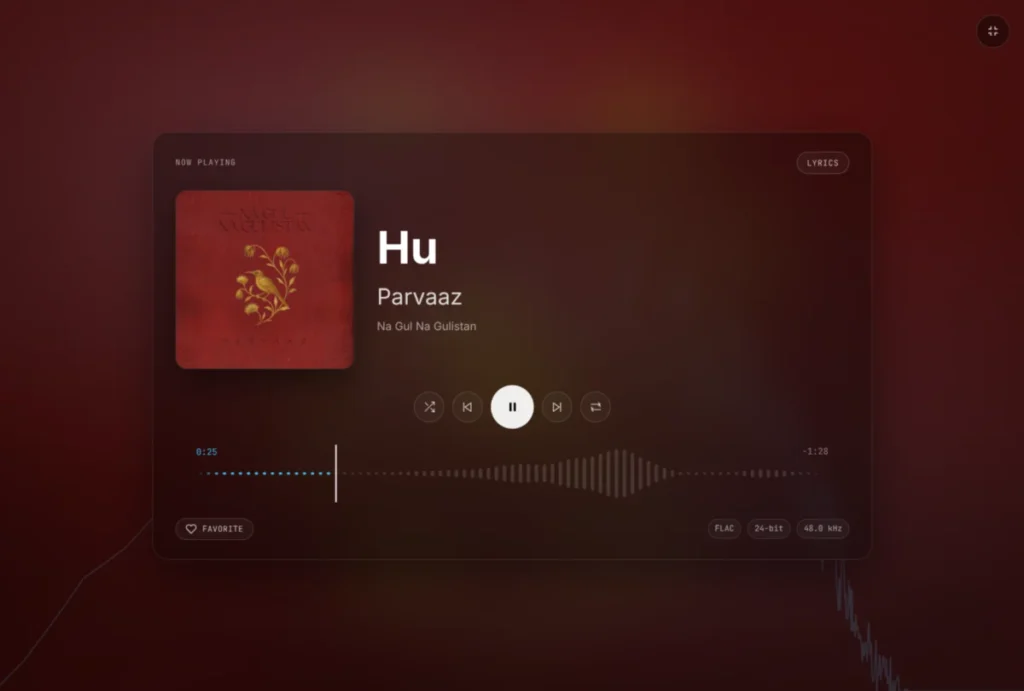
Enter Astra, an ambitious, open-source music player designed to bridge the gap between classic, high-fidelity audio requirements and the modern demand for feature-rich, visually dynamic software.
Main Facts: What is Astra?
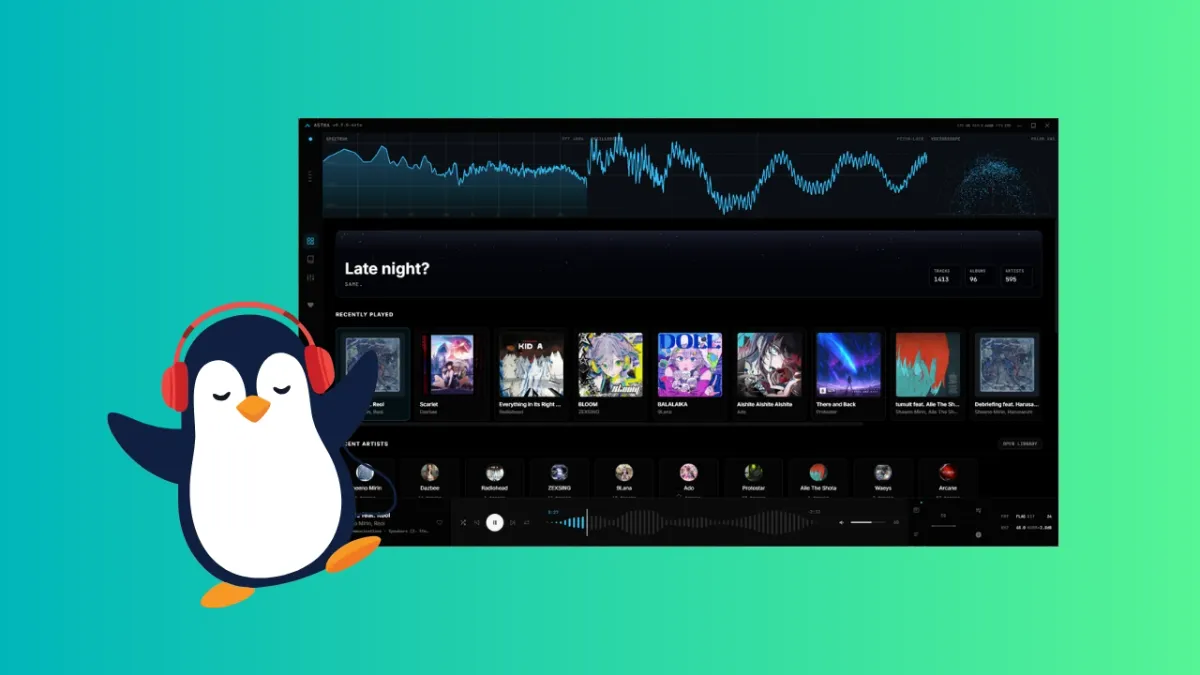
Astra is a cross-platform, open-source audio player engineered for users who treat their music collection with the reverence of a curator. Built on the Electron framework, it provides a unified experience for high-resolution audio playback.
Unlike lightweight players that prioritize minimalism at the expense of functionality, Astra positions itself as a "power user" tool. It supports a vast array of industry-standard codecs, including FLAC, WAV, MP3, OGG, AAC, M4A, OPUS, WMA, and AIFF. For the occasional obscure format, Astra intelligently falls back on an integrated FFmpeg engine, ensuring that no file is left unplayed.

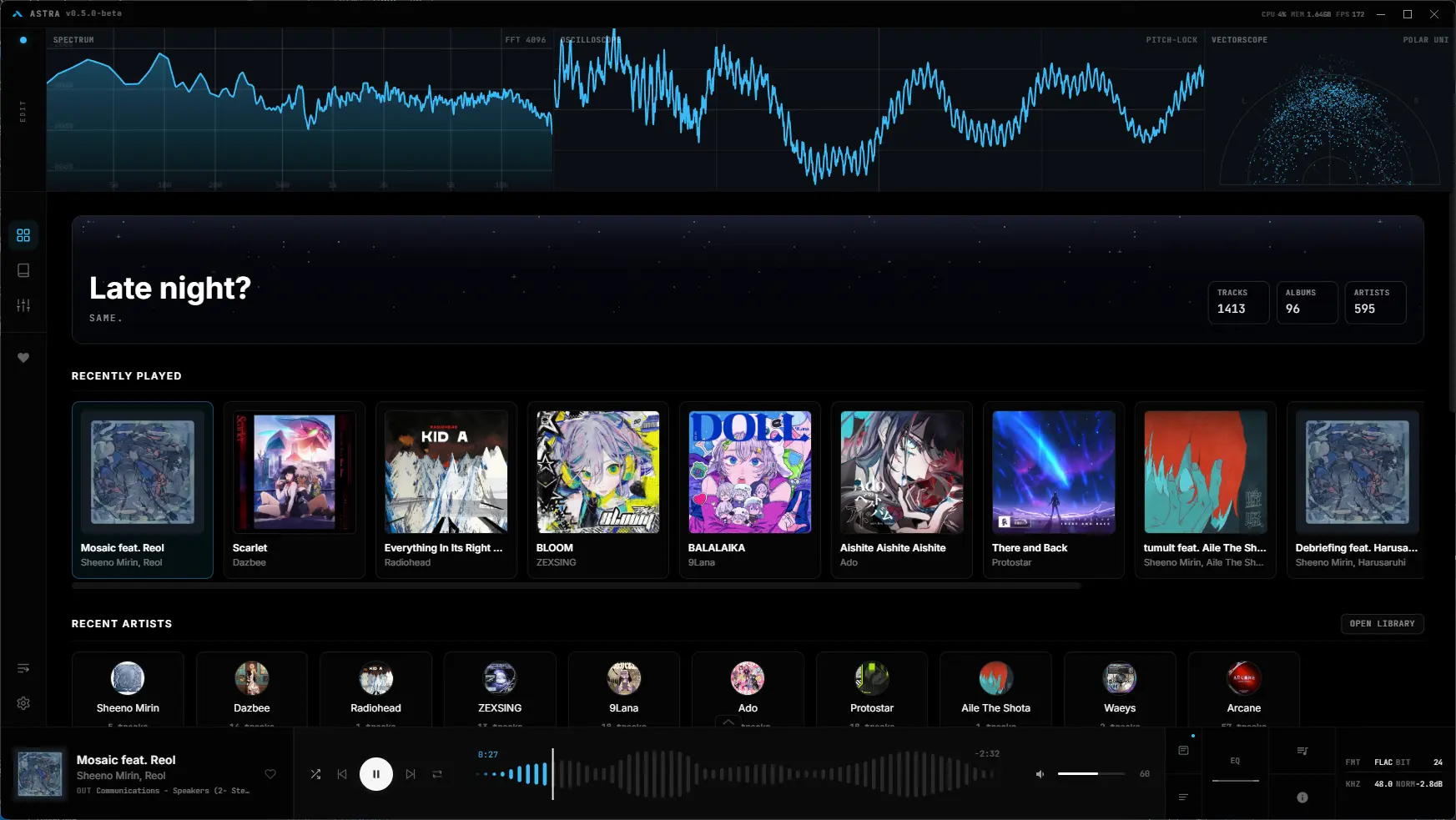
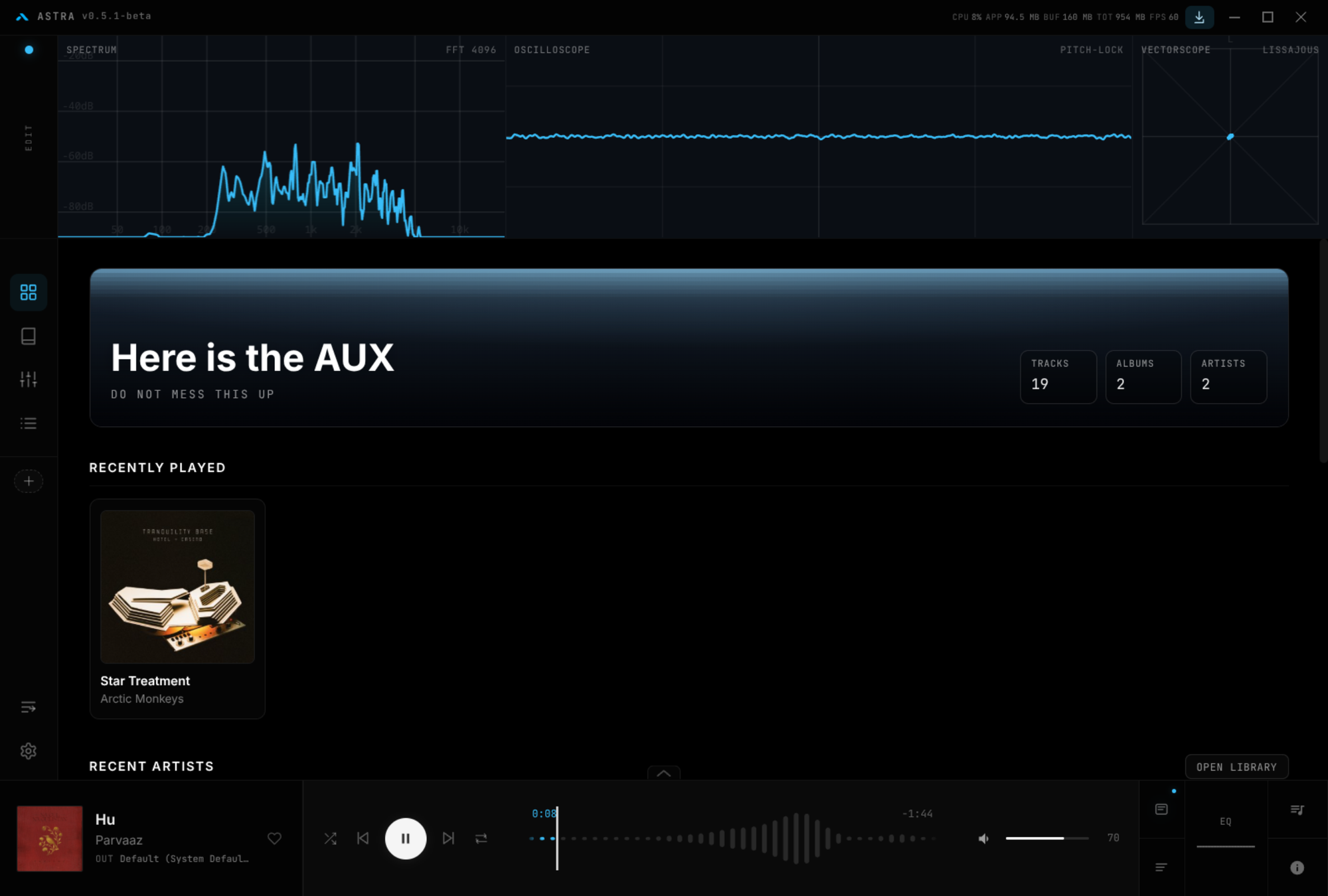
Beyond basic playback, Astra distinguishes itself through its focus on technical transparency and sonic customization. It offers a 10-band parametric equalizer, real-time audio visualization, and deep integration with metadata services like Last.fm and LRCLIB, all wrapped in an interface that evokes the "futuristic" aesthetic of early 2000s media players while maintaining modern usability.
The Chronology of Development
The emergence of Astra is a reflection of the current "back to the future" trend in software development. While the project is currently in its beta phase, its development cycle has been accelerated by modern collaborative tools.
Observant users may note that the GitHub repository for Astra lists various contributors, including AI-assisted development partners like Anthropic’s Claude. This integration of AI in the coding process has allowed the Astra team to rapidly iterate on complex features like the parametric equalizer and the multi-layered visualizers that require precise mathematical rendering.
Throughout its recent development, the team has focused on stability, moving from early alpha builds to a robust beta that now supports standard Linux deployment methods such as AppImage and .deb packages. While the software is fully functional, the beta label serves as a reminder that the developers are still actively soliciting feedback to refine the user experience and optimize resource utilization.
Supporting Data: Why Astra Stands Out
Astra’s value proposition lies in its technical capabilities, which move beyond simple "play" buttons to offer granular control over the listening experience.
Precision Audio Engineering
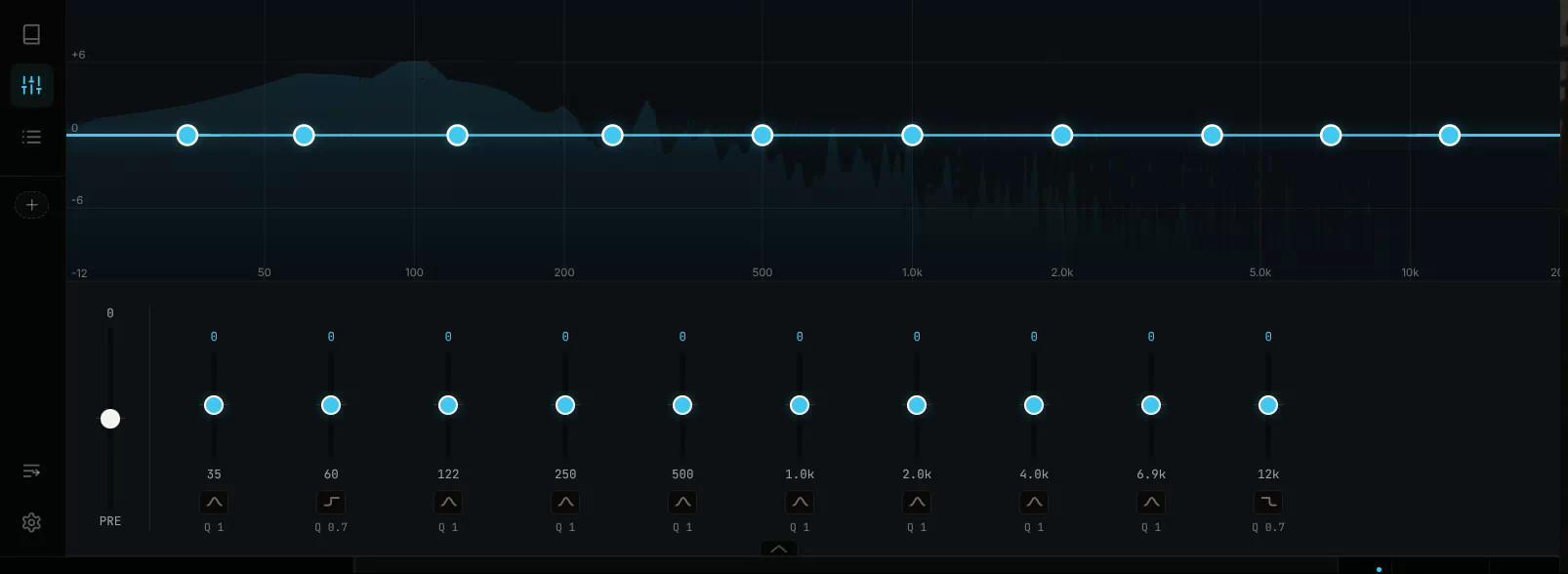
The most significant feature for the audiophile is the Parametric Equalizer. While many players offer basic "Bass" and "Treble" sliders, Astra provides a full 10-band parametric EQ. This allows users to target specific frequency ranges with surgical precision. Whether you are attempting to compensate for the acoustic limitations of your headphones or trying to bring out the warmth of a vintage recording, the visual feedback—which displays frequency volumes in the background of the panel—makes the process intuitive even for non-engineers.
Dolby Atmos and Spatial Adaptation
Astra claims to decode audio engineered for Dolby Atmos, even when the user’s hardware may not natively support the format. Through sophisticated downmixing algorithms, Astra adapts the spatial data to the user’s specific output device, providing an immersive, surround-sound sensation. While it is not a replacement for high-end surround sound setups, the subjective "depth" it adds to standard stereo playback is a welcome addition.
Playback Continuity
A persistent frustration in digital audio is the "dead air" or stuttering that occurs between tracks. Astra mitigates this through an aggressive pre-buffering strategy. By loading the subsequent track into memory before the current one finishes, the player achieves a seamless transition that mimics the fluid nature of a continuous vinyl side.
The Visualization Suite
Astra includes three distinct, highly configurable visualizers:
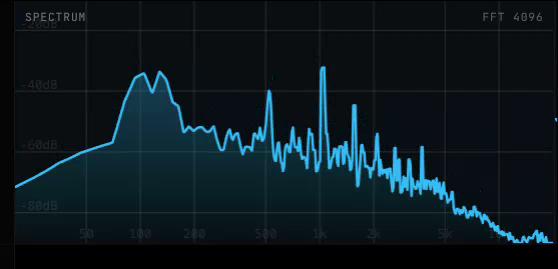
- Spectrum Analyzer: A classic 20Hz–20kHz visualization that provides real-time data on the audio balance.
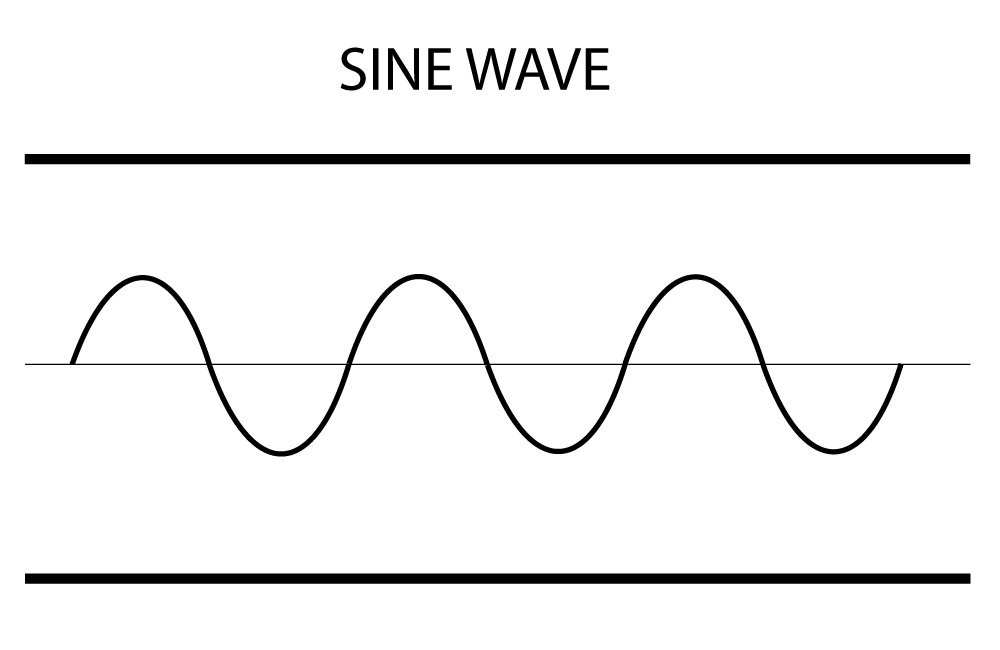
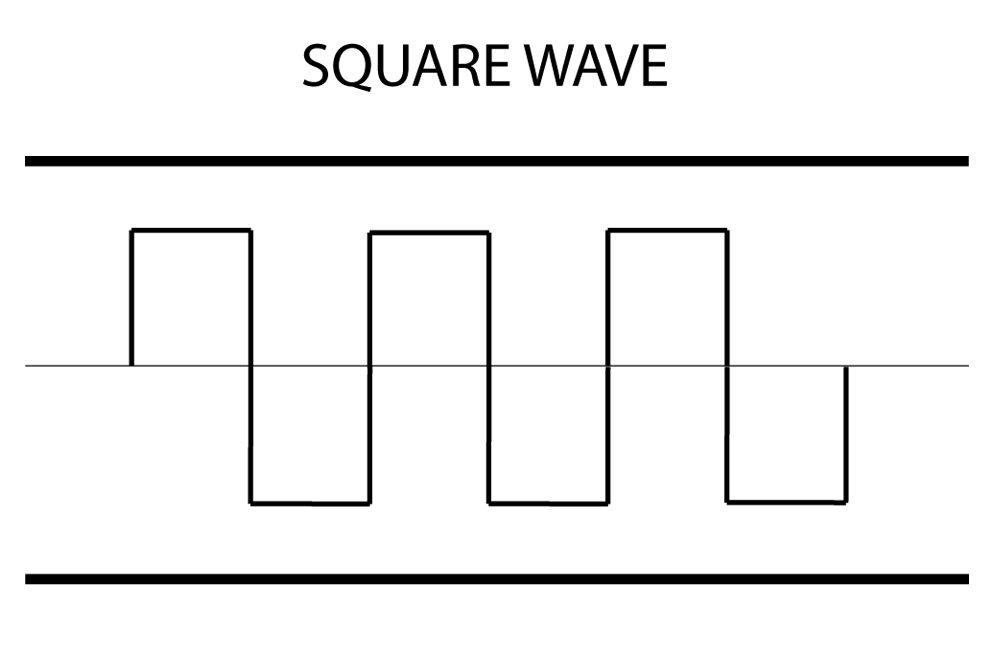
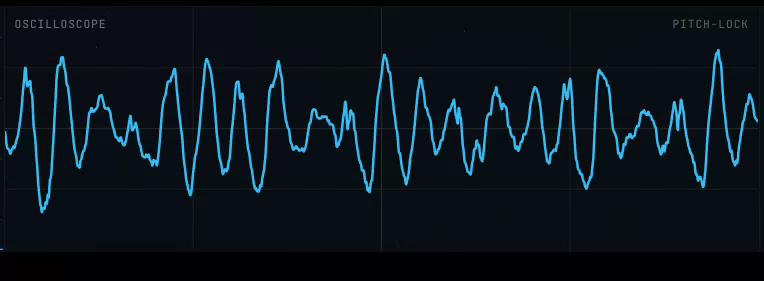
- Oscilloscope: A physics-based view that renders the waveform of the audio. This is particularly valuable for producers who wish to monitor for clipping or distortion.
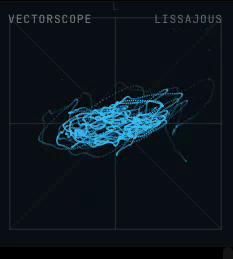
- Vectorscope: An essential tool for gauging the stereo width and phase relationships of a track, helping users visualize the "space" within the mix.
Official Responses and Philosophy
The development team behind Astra has been transparent about the software’s resource-heavy nature. Because it is built on Electron, Astra consumes more RAM than native C++ or Rust-based players. However, the developers argue that this trade-off is necessary to achieve the high level of UI interactivity and the complexity of the visualizers.
In recent communications, the team has acknowledged that while the app is "feature-complete" for beta purposes, the focus for the upcoming stable release is code optimization. They have explicitly stated that they are working to reduce the overhead of the visualizers, particularly for users on older hardware.
Furthermore, the integration of local API support—specifically for platforms like Jellyfin and Navidrome—highlights the team’s commitment to the "Self-Hosted" movement. By allowing users to stream their own local media collections as if they were a private Spotify, Astra positions itself as the bridge between the convenience of the cloud and the privacy of the local drive.
Implications: The Future of Desktop Audio
The release of Astra has significant implications for the Linux desktop ecosystem and the broader audio community.
A Move Toward "Prosumer" Tools
Astra signals a move away from the "simplified" interfaces that have dominated music player design for the last decade. By incorporating tools previously relegated to Digital Audio Workstations (DAWs)—such as the vectorscope and 10-band parametric EQ—Astra empowers the average listener to become more informed about the music they consume. It essentially teaches the user how to listen.
The Sustainability of Open Source
The use of AI-assisted coding in the project highlights a shift in how small, open-source teams can compete with corporate-backed software. By leveraging modern AI to handle boilerplate code and complex algorithmic logic, a small team can produce a high-polish product that would have otherwise taken years to develop.
Potential Challenges
Despite its strengths, Astra faces challenges. The interface, while visually stunning, has been criticized for low-contrast issues in dark mode and small font sizes, which can impact accessibility. Furthermore, its reliance on the Electron framework means that it will never be the most lightweight option for those running minimalist Linux distributions.
Ultimately, Astra is not for the user who wants a "set it and forget it" player. It is for the listener who wants to see the sound, tweak the frequencies, and manage their collection with meticulous care. It represents a mature, sophisticated approach to local media—a testament to the fact that, even in a world of streaming, the desire for high-fidelity, personal ownership of music is stronger than ever.
As the project matures out of its beta phase, it will likely become the gold standard for users who want to transform their desktop into a true audiophile listening station. Whether you are a casual listener who enjoys a good visualizer or a producer who needs to verify the phase of a mix, Astra offers a compelling reason to keep your music files local, organized, and, above all, perfectly tuned.