Reclaiming the Digital Hearth: The Rise of the Privacy-First Smart Home
Main Facts: The Intersection of Convenience and Surveillance
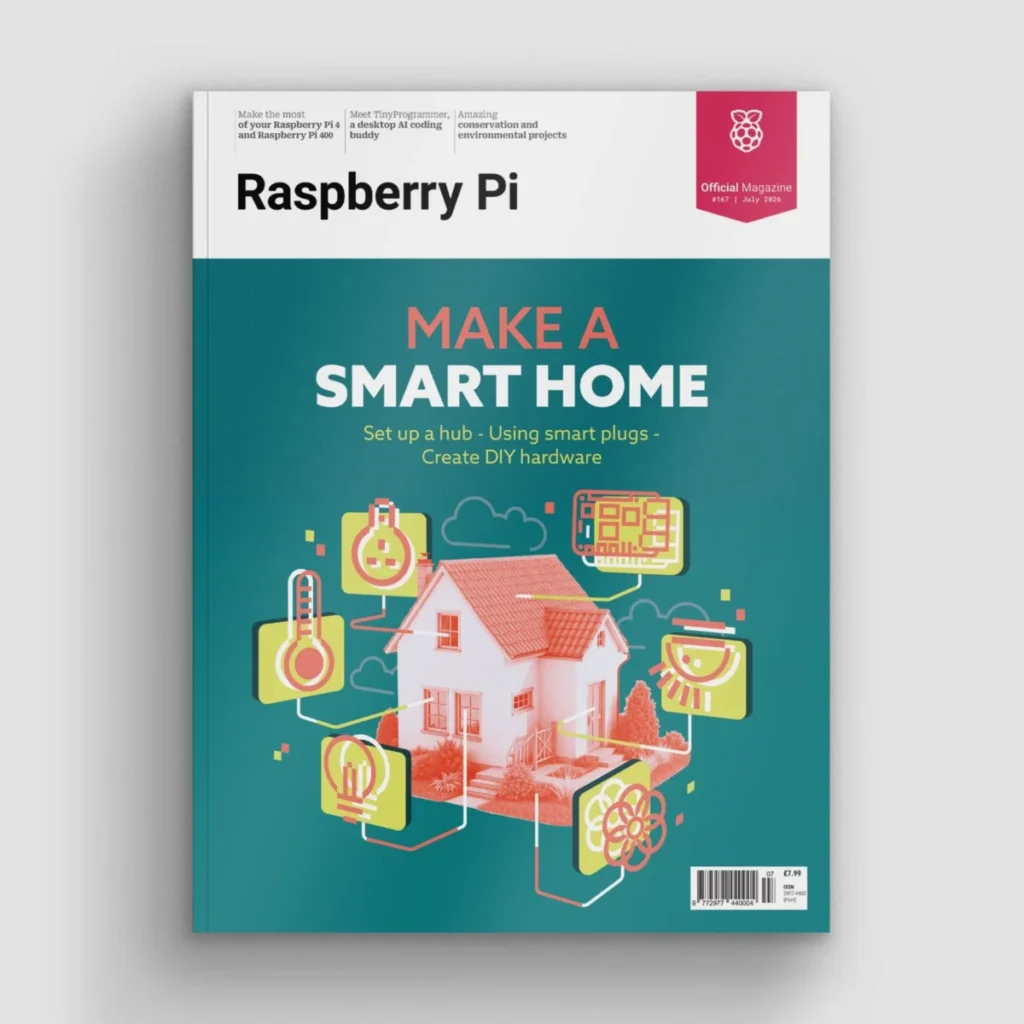
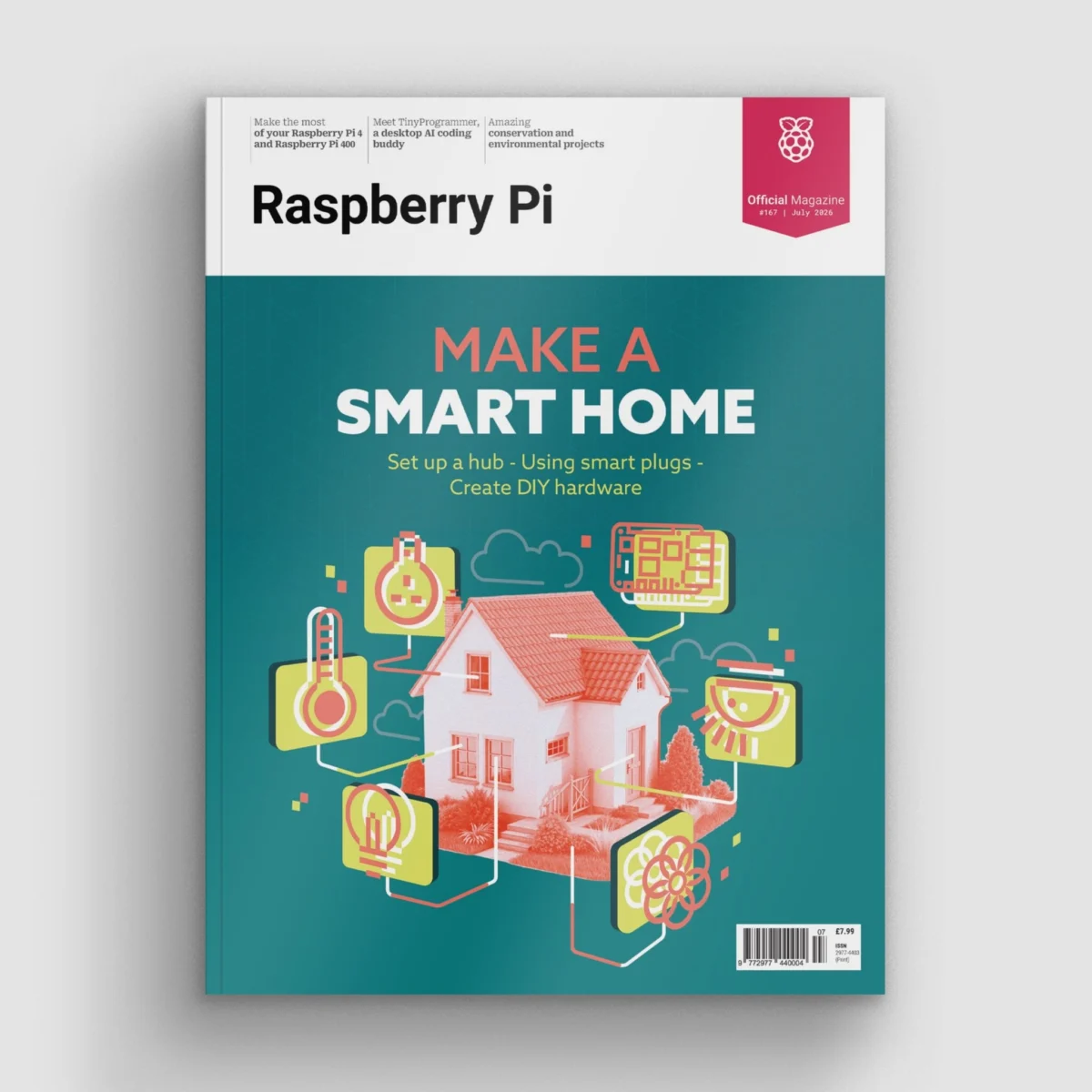
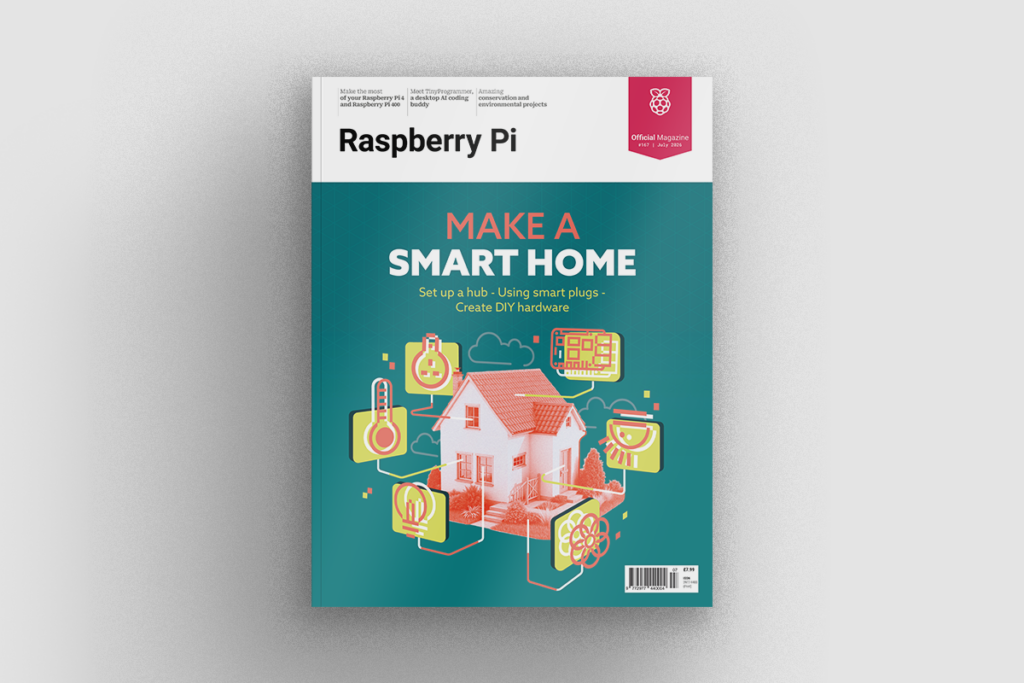
In the contemporary digital landscape, the "smart home" has transitioned from a mid-century science fiction trope into a ubiquitous domestic reality. However, this evolution has come at a significant cost to personal privacy. The latest release of The MagPi (Raspberry Pi Official Magazine), Issue 167, highlights a growing movement among technology enthusiasts and privacy advocates: the shift toward "local-first" automation.
At the heart of this movement is the use of the Raspberry Pi—a low-cost, high-performance single-board computer—as the central nervous system for the home. By utilizing open-source platforms like Home Assistant, users are now able to sever the umbilical cord connecting their domestic appliances to corporate data centers. The core fact remains that while the "smart" revolution promised efficiency, it delivered a silent, continuous stream of data harvesting.
The magazine’s latest feature, authored by Ben Everard, provides a comprehensive blueprint for building a "privacy-first" smart home hub. This initiative aims to address the "chatter" of modern devices—the relentless transmission of telemetry, DNS queries, and usage patterns to third-party manufacturers. By hosting these services locally on a Raspberry Pi 4 or 5, homeowners can enjoy the benefits of automation without the inherent risks of external surveillance or "cloud-dependency," where a device becomes useless if a manufacturer’s server goes offline.
Chronology: From The Jetsons to the Data-Exhaust Era
The concept of the automated home is not a product of the silicon age but a dream deferred for over sixty years.
1962–1990: The Sci-Fi Blueprint
The cultural touchstone for home automation was set in 1962 with the debut of The Jetsons. The show depicted a world of effortless living where robotics and voice-activated systems managed every domestic chore. For decades, this remained a fantasy, accessible only to the extremely wealthy through bespoke, hard-wired systems that were notoriously difficult to maintain.
1990–2010: The Early Adopters
The late 90s and early 2000s saw the emergence of X10 and Zigbee protocols, allowing hobbyists to begin experimenting with basic lighting and thermostat controls. These systems were largely local but lacked the user-friendly interfaces required for mass adoption.
2010–2020: The Cloud Revolution and the Silicon Valley Land Grab
The landscape shifted dramatically with the introduction of the Nest Thermostat (2011) and Amazon Alexa (2014). This era marked the transition to "Cloud-First" automation. To make devices easy to set up, manufacturers moved the "intelligence" of the device to their own servers. Every command given to a voice assistant was no longer processed in the room, but in a data center thousands of miles away.
2021–Present: The Privacy Backlash and Local Sovereignty
By 2023, the honeymoon period with cloud-based IoT (Internet of Things) began to sour. High-profile data breaches, the discontinuation of support for older devices (turning expensive hardware into "bricks"), and a growing awareness of data mining led to a resurgence in local control. This is the era we currently occupy—one where the Raspberry Pi has become the primary tool for users looking to reclaim their digital sovereignty.
Supporting Data: The Quantified Home
The scale of the privacy challenge is underscored by recent legislative and market research. A 2023 report by the UK House of Commons Culture, Media and Sport Committee provided a startling snapshot of the current state of British domestic technology.
According to the report, 77% of UK adults now own at least one smart home device. More significantly, the average UK household now contains nine such devices. These range from smart speakers and televisions to more innocuous items like light bulbs, plugs, and even large kitchen appliances.
The Problem of "Chatter"
Each of these nine devices represents a potential point of data egress. Technical analysis of standard IoT devices reveals several layers of data transmission:
- Telemetry: Constant pings to manufacturer servers to report device "health" and usage frequency.
- Analytics: Detailed logs of how a user interacts with the device, often sold to third-party marketing firms.
- DNS Queries: Even when not in active use, devices constantly "call home" to check for firmware updates or to maintain a heartbeat connection with the cloud.
- Unread Terms: The vast majority of users agree to these data-harvesting practices through lengthy Terms and Conditions (T&Cs) that are statistically never read, creating a "consent gap" in domestic privacy.
The Raspberry Pi Foundation’s research into their own community’s interests further supports this data. Analysis of user tutorials and chatbot queries indicates that "Pi-hole"—a network-wide ad and tracker blocker—remains one of the most popular applications for the hardware. This suggests a significant portion of the user base is actively seeking tools to mitigate the data-harvesting practices of their own devices.
Official Responses and Expert Perspectives
The push for local control is not merely a "tinfoil hat" conspiracy but a calculated move toward what experts call "Digital Health."
The Editorial Stance
Writing in the latest issue of The MagPi, Ben Everard emphasizes that understanding the internal mechanics of one’s home is a prerequisite for security. He argues that by setting up a local system, users gain a transparent view of their network’s traffic. This transparency allows for the identification of rogue devices that may be transmitting more data than necessary.
The Philosophy of "Making Your Own Sandwiches"
The article draws on a poignant metaphor from author Jeanette Winterson: "If you want to keep your own teeth, make your own sandwiches." In a digital context, this translates to the idea that if you want to maintain control over your personal data, you must build and manage the systems that process it. Relying on "pre-packaged" cloud services from tech behemoths inevitably involves compromising on the "ingredients" of your privacy.
Hardware Adequacy
A common misconception addressed by the magazine is the need for cutting-edge hardware to achieve these goals. While the Raspberry Pi 5 offers significant power, official guidance suggests that the Raspberry Pi 4—even models with lower RAM configurations—is more than capable of acting as a robust home hub. This lower barrier to entry ensures that privacy-first networking is accessible to a broader demographic, not just those with the budget for the latest specifications.
Implications: The Future of the Autonomous Home
The shift toward local, Raspberry Pi-based smart homes has profound implications for the future of consumer electronics, sustainability, and civil liberties.
1. The End of "Planned Obsolescence"
One of the most significant implications of the "Local-First" movement is the extension of hardware lifespans. When a smart device relies on a manufacturer’s cloud, its lifespan is tied to that company’s financial health or whim. If the company goes bankrupt or decides to stop supporting a model, the device becomes e-waste. By using local hubs like Home Assistant on a Raspberry Pi, users can often keep "legacy" devices functioning long after official support has ended, significantly reducing environmental impact.
2. Cybersecurity at the Edge
By using tools like Pi-hole, users are moving security to the "edge" of their network. Instead of relying on each individual (and often poorly secured) IoT device to protect itself, the Raspberry Pi acts as a gatekeeper, neutralizing trackers and malicious domains before they even reach the user’s laptop or smartphone. This creates a "hardened" domestic environment that is significantly more resilient to the botnets that frequently target IoT devices.
3. The Democratization of AI
As the Raspberry Pi Foundation explores the integration of AI and chatbots trained on their own documentation, the potential for "Local AI" grows. Future smart homes may use local machine learning models to process voice commands and automation logic without ever sending audio or behavioral data to the cloud. This would fulfill the original Jetsons promise while maintaining absolute privacy.
4. Subscription Fatigue and Economic Freedom
The current trend in the tech industry is the "subscriptionization" of hardware, where users must pay a monthly fee to access features of a product they already bought. A Raspberry Pi-managed home bypasses this model. Once the hardware is purchased and the open-source software is installed, there are no recurring costs. This represents a return to a traditional ownership model that is increasingly rare in the 21st century.
Conclusion: Joining the Movement
Issue 167 of The MagPi serves as both a manual and a manifesto for this new era of domestic technology. It encourages a shift from being a passive consumer of "black box" technology to an active architect of one’s own environment.
For those interested in reclaiming their digital hearth, the magazine is available through the Raspberry Pi Store in Cambridge, online for worldwide shipping, and via digital platforms on Android and iOS. Furthermore, the Raspberry Pi Foundation is incentivizing this transition by offering a free Raspberry Pi Pico 2 W with new six- or twelve-month print subscriptions—a tool that further enables the creation of custom, low-power, local sensors for the modern, private home.
In an age where our homes are increasingly designed to listen to us, the Raspberry Pi community is teaching us how to talk back—and, more importantly, how to choose who is allowed to hear.