The Era of Compounding Intelligence: AWS Summit New York City Sets a New Benchmark for Agentic AI
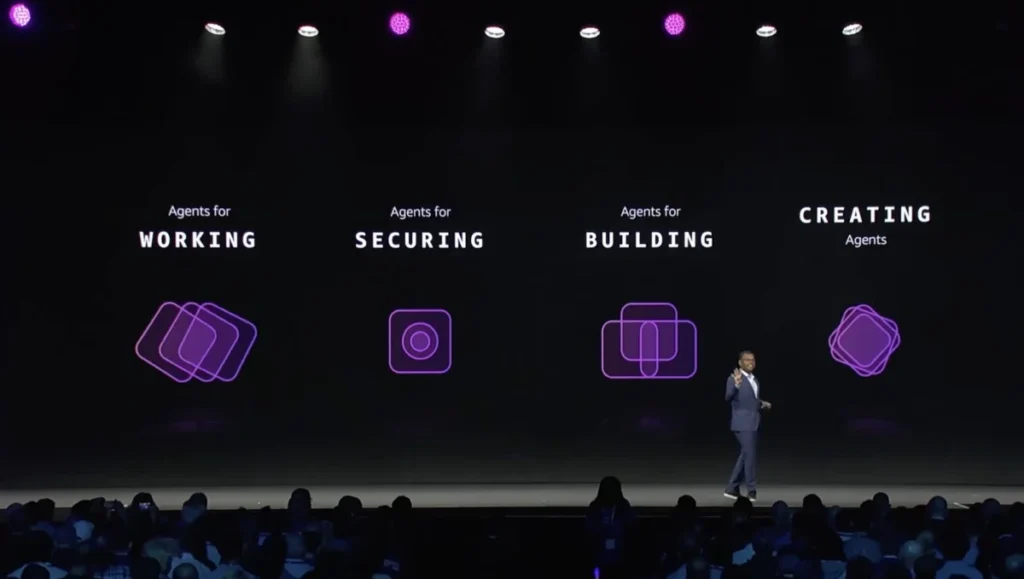
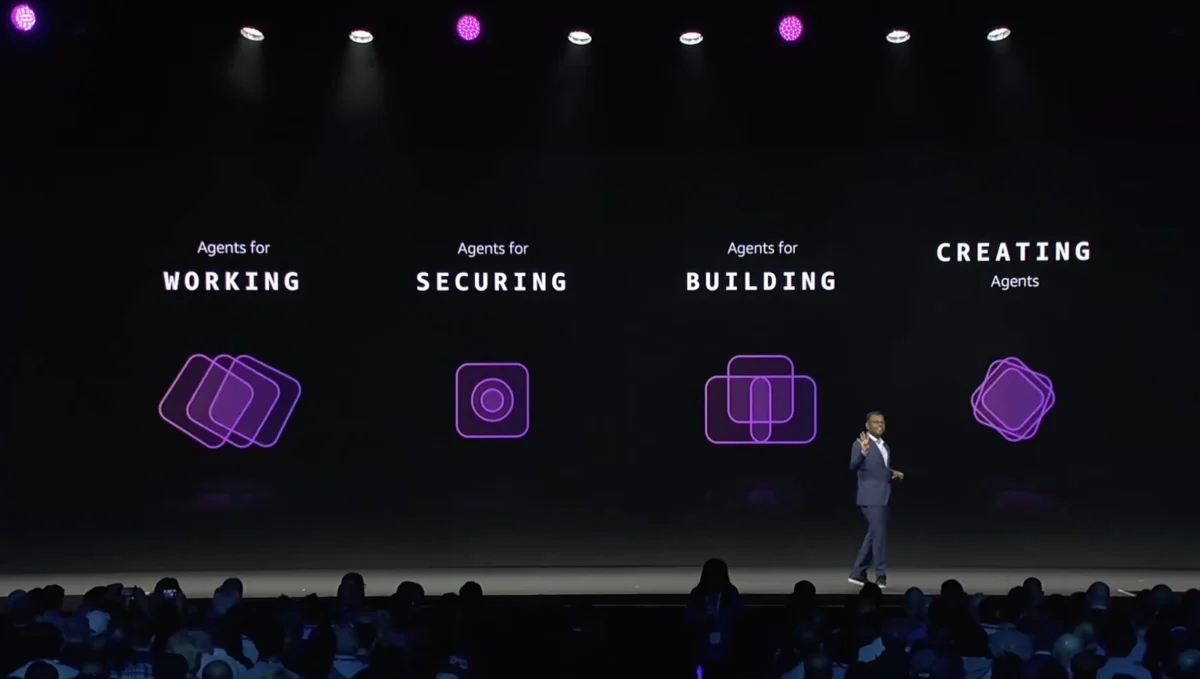
The cloud computing landscape shifted significantly last week as thousands of technologists, industry leaders, and developers converged at the Javits Center for the annual AWS Summit in New York City. The one-day event, a flagship pillar in Amazon Web Services’ global outreach, served as more than just a networking hub; it functioned as the official unveiling of a new strategic mandate: the era of "Agentic AI."
Dr. Swami Sivasubramanian, Vice President of Agentic AI at AWS, took center stage to outline a transformative vision for the future of cloud-native development. At the heart of his keynote was a single, unifying thesis: the industry is moving beyond passive large language models (LLMs) toward a new class of intelligent agents capable of compounding value over time.
The Core Thesis: Agents That Compound Value
For the past two years, the AI narrative has been dominated by "chat"—how quickly can a model answer a prompt? According to AWS leadership, that era is rapidly coming to a close. The new frontier, according to Dr. Sivasubramanian, is defined by autonomy and persistence.
"We are not just building tools that talk; we are building systems that act," Dr. Sivasubramanian noted during his address. The concept of "compounding value" refers to the ability of AI agents to maintain state, learn from historical interactions, and execute multi-step workflows across disparate enterprise systems without constant human intervention. By integrating these agents directly into the AWS fabric, the company aims to move AI from a novelty feature to the backbone of operational efficiency.
Chronology of the Summit: A Day of Rapid Innovation
The Summit’s schedule was meticulously engineered to provide attendees with a roadmap for this transition. The day began with a keynote that set the high-level vision, followed by a series of deep-dive breakout sessions.
- 09:00 AM – The Vision: Dr. Sivasubramanian introduced the framework for Agentic AI, emphasizing the importance of data gravity and security in the agentic workflow.
- 11:00 AM – Technical Deep Dives: AWS engineers led sessions on how developers can leverage existing AWS services to orchestrate complex AI tasks.
- 01:00 PM – Ecosystem Integration: Partners and customers showcased real-world implementations, ranging from automated supply chain management to predictive customer service bots.
- 04:00 PM – The "Builder" Closing: The day concluded with a focus on the community, highlighting how the AWS Builder Center will facilitate the sharing of agent architectures among developers.
Supporting Data: Why Agentic AI Matters
The push toward agentic systems is not merely a marketing pivot; it is a response to clear data regarding developer productivity and cloud complexity. AWS executives highlighted several key performance metrics during the summit:
- Workflow Complexity: AWS internal studies suggest that over 70% of enterprise AI use cases currently require multi-step integration, which is often manually managed. Agentic systems aim to reduce this manual overhead by up to 60%.
- Cost Efficiency: With the introduction of new, lower-cost model tiers and compute optimizations, AWS is positioning its platform as the most cost-effective environment for running high-frequency, long-running agent processes.
- Deployment Velocity: Early adopters of the AWS agentic framework have reported a 40% reduction in time-to-market for AI-driven applications compared to traditional manual API-orchestration methods.
Official Responses and Strategic Pivot
The AWS leadership team was clear that this shift is a fundamental transformation of their product roadmap. In official communications following the event, the company emphasized that "Agentic AI" is not a single product, but an orchestration layer that spans compute, storage, and database services.
"We are moving from a world where developers build software that users operate, to a world where developers build systems that operate autonomously to achieve user-defined goals," said a spokesperson for the AWS AI division. This sentiment was echoed in the official blog recap, which categorized the summit announcements as the most significant leap forward since the introduction of Amazon Bedrock.
The company also addressed concerns regarding data privacy and "black-box" decision-making. AWS reiterated its commitment to "Guardrails," a feature set that ensures AI agents operate within defined parameters and maintain audit logs of their decision-making processes—a critical requirement for enterprise adoption in regulated industries like finance and healthcare.
Implications for the Cloud Ecosystem
The implications of the New York City Summit are far-reaching, affecting developers, CTOs, and the broader software supply chain.
For Developers: A New Skill Set
Developers are being challenged to shift their mindset from "prompt engineering" to "agent architecture." This involves understanding how to manage long-lived memory for agents, how to design robust tool-calling interfaces, and how to debug asynchronous workflows. The AWS Builder Center is being retooled to provide these specific skills, offering a repository of "recipes" for agentic patterns.
For CTOs: The ROI of Autonomy
For decision-makers, the promise of Agentic AI is a potential solution to the "AI productivity gap." By automating the "plumbing" of AI systems, businesses can focus their human capital on high-level strategic problem-solving rather than maintenance and integration tasks. However, this shift requires a high degree of trust in the platform’s security protocols, which is why AWS is doubling down on enterprise-grade observability and governance.

For the Market: Price Reductions and Accessibility
AWS also signaled its intent to democratize these tools. Alongside the AI announcements, the company highlighted several price reductions for core compute and storage services. By lowering the cost of the underlying infrastructure, AWS is effectively removing the barrier to entry for smaller organizations to experiment with high-compute AI agents.
Looking Ahead: The Weekly Roundup
While the summit provided a dense roadmap for the coming year, it is just one component of the broader AWS ecosystem. As Channy Yun and the AWS team continue to publish their "Weekly Roundup," it is clear that the pace of innovation will not slow down.
The focus in the coming months will likely be on "agent interop"—how agents from different services can talk to one another, and how third-party SaaS providers can plug into the AWS agentic framework. For those who missed the summit, AWS has made the keynote address and technical sessions available on-demand, and the "What’s New with AWS" page remains the primary source for real-time updates on these rolling releases.
Conclusion
The AWS Summit New York City was a watershed moment that defined the next decade of cloud computing. By centering the conversation around Agentic AI, AWS has successfully moved the goalposts for the entire industry. The transition from LLMs to persistent, autonomous agents is not merely an incremental upgrade; it is a structural change in how applications will be built, deployed, and scaled.
As the industry moves forward, the success of this vision will depend on the ability of the builder community to adopt these new patterns. With the resources now available through the AWS Builder Center and the ongoing commitment to price optimization and infrastructure stability, the path to building the next generation of intelligent systems has never been clearer.
For developers, the mandate is simple: stop asking the machine for answers, and start giving the machine the authority to solve the problem. The age of the agent has arrived.