The Future of Autonomous Operations: AWS DevOps Agent Evolves with Advanced Release Management
In an era where artificial intelligence is rapidly accelerating software development, the traditional bottlenecks of quality assurance, security compliance, and deployment stability have reached a breaking point. To bridge the gap between high-velocity code generation and production-grade reliability, Amazon Web Services (AWS) has announced a significant expansion of its AWS DevOps Agent. By introducing new release management capabilities currently in preview, AWS is shifting the paradigm from manual oversight to autonomous, intelligence-driven delivery.
Main Facts: Automating the "Last Mile" of Delivery
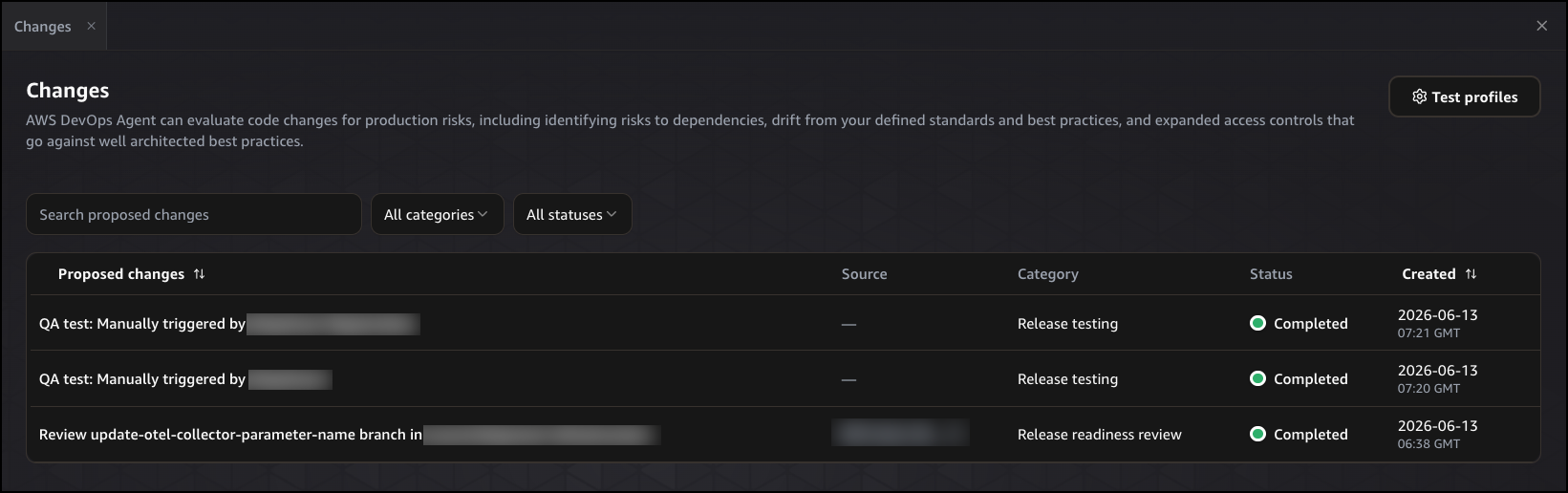
The AWS DevOps Agent, previously known for its proficiency in incident investigation and post-deployment mitigation, has officially evolved into a full-lifecycle partner. The new update introduces two critical pillars: Release Readiness Review and Autonomous Release Testing.
The platform is designed to function as an "always-available teammate," capable of parsing complex, multi-cloud, and on-premises environments. Unlike traditional CI/CD tools that rely on static, manually curated scripts, the AWS DevOps Agent leverages a deep knowledge graph of an organization’s service dependencies, infrastructure configurations, and production behavior.
The core value proposition is clear: as developers utilize AI-driven coding assistants to increase the volume of pull requests, the AWS DevOps Agent acts as an intelligent gatekeeper. It verifies code changes against user-defined, natural-language standards and executes tailored testing plans in production-like environments before a single line of code is merged into the main branch.
Chronology: The Evolution of the DevOps Agent
The trajectory of the AWS DevOps Agent reflects the broader industry movement toward "Agentic DevOps."
- Initial Launch: AWS introduced the DevOps Agent with a primary focus on the "run" phase of the software development lifecycle. Its early capabilities centered on autonomous incident triage, root cause analysis (RCA), and providing actionable mitigation strategies to site reliability engineers (SREs).
- The Mid-Cycle Expansion: Recognizing that incident response is only one piece of the puzzle, AWS began integrating the agent deeper into the developer workflow. This involved bridging the gap between code repositories and operational reality.
- Today (Preview Release): With the latest update, the agent has moved "left" into the development phase. By addressing release readiness and testing, the agent now spans the entire spectrum—from the initial commit to production maintenance. This marks the transition of the tool from an reactive diagnostic assistant to a proactive quality assurance engine.
Supporting Data: Why AI-Driven Governance is Necessary
The necessity for this evolution is driven by stark industry trends. As development teams integrate AI coding tools, the velocity of pull requests has outpaced the human capacity for review.

Current metrics suggest that when teams are under extreme time pressure:
- Review Quality Degradation: Code reviews are often approved with superficial examination, leading to "hidden" technical debt.
- Environmental Drift: Test environments frequently fall out of sync with production configurations, rendering automated tests unreliable.
- The "Waiting Room" Effect: AI-generated code often sits in review queues, negating the time-savings achieved during the coding phase.
AWS’s internal modeling indicates that these new features are designed to close this gap by identifying dependency risks and access control violations—often adhering to the AWS Well-Architected Framework—before the code ever enters the delivery pipeline. By running these checks in an isolated, AWS-managed environment, the agent ensures that the "production-like" state is not just a concept, but a verifiable baseline.
Official Responses and Strategic Vision
According to the team behind the AWS DevOps Agent, the goal is to transform the role of the developer and the reviewer. By offloading the burden of compliance checks and functional validation to the agent, human engineers are liberated to focus on architecture and complex problem-solving rather than mundane checklist verification.
"The agent reasons about what the change does," the development team notes, emphasizing that this is a departure from static testing suites. By constructing tests tailored specifically to the nature of the change, the agent can catch behavioral regressions that a generic, manually maintained test plan would almost certainly miss.
The integration with IDE plugins like Kiro or Claude Code ensures that these benefits are not just centralized in the AWS Console, but embedded directly into the developer’s native workspace. This "shift-left" philosophy ensures that errors are corrected at the point of creation, rather than during the final, high-pressure release phase.
Implications for the Modern Enterprise
The implications of this update for enterprise IT departments are profound, touching on security, velocity, and culture.
1. Hardening Security via Policy as Code
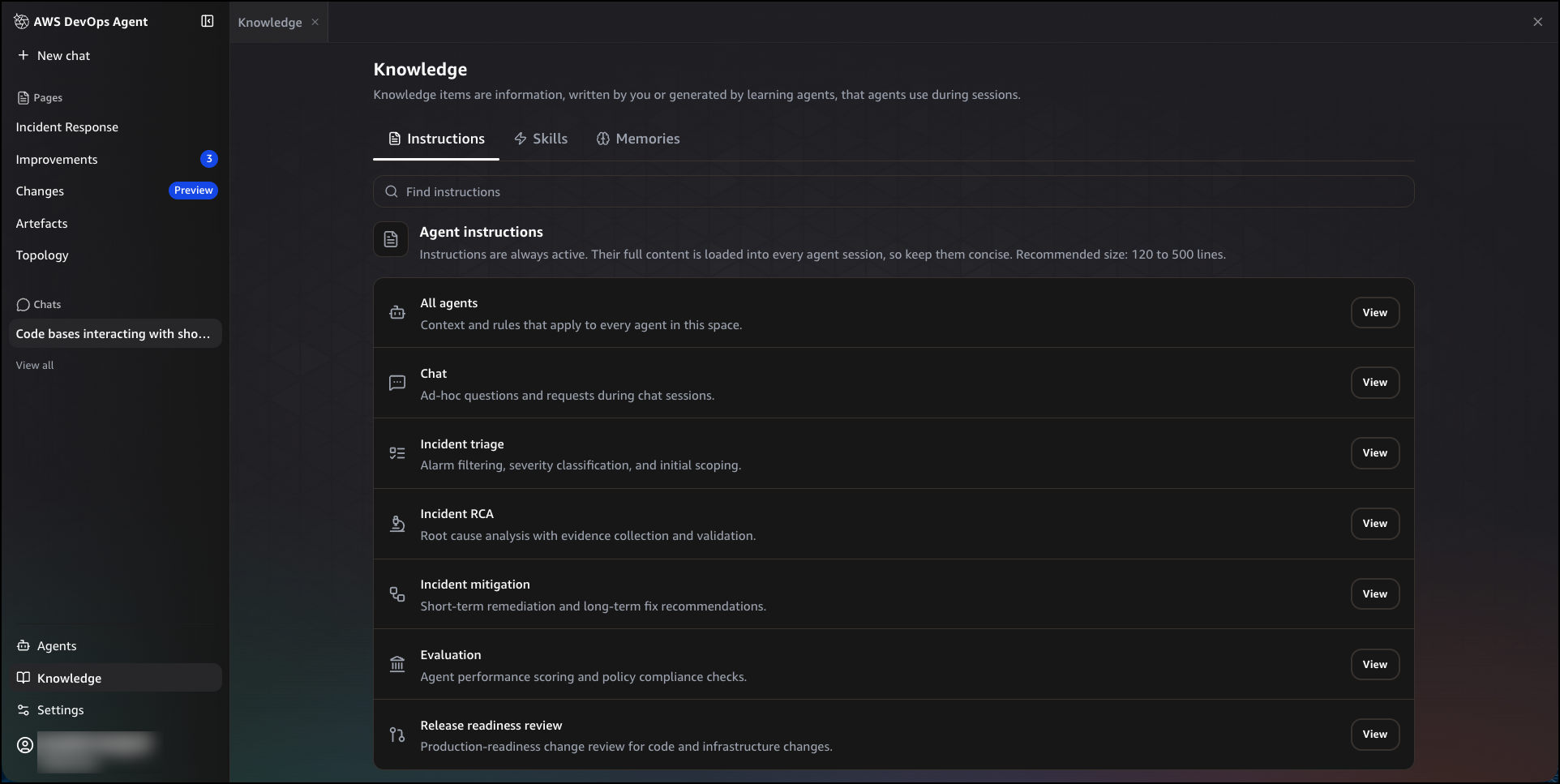
By allowing users to define internal standards in plain English—such as encryption requirements, network access rules, or data classification policies—AWS is effectively turning organizational policy into an active, enforceable guardrail. This removes the ambiguity of human interpretation during code reviews.
2. Eliminating the "Testing Gap"
The autonomous release testing feature addresses the persistent problem of test coverage. Because the agent dynamically generates test plans based on the code changes, it effectively covers "unknown unknowns." If a developer changes a specific API endpoint, the agent understands the downstream dependencies and crafts tests to ensure that these specific integrations remain functional.
3. Democratizing Operational Excellence
Previously, the ability to perform deep, production-readiness reviews was the domain of senior engineers or specialized SREs. With the DevOps Agent, these capabilities are democratized. Junior developers receive the same quality of feedback as senior architects, effectively raising the baseline of code quality across the entire organization.
4. Strategic Multi-Cloud Agility
Because the agent operates across AWS, multi-cloud, and on-premises environments, it serves as a unifying layer. In a world where enterprise infrastructure is rarely monolithic, having a single "agentic" source of truth for release readiness is a significant competitive advantage for maintaining stability across fragmented stacks.
Operational Workflow: How It Works in Practice
For organizations ready to adopt this technology, the process is streamlined. Once a repository (GitHub or GitLab) is connected, the agent builds a comprehensive knowledge graph.
When a developer submits a pull request, the workflow follows a precise, auditable path:
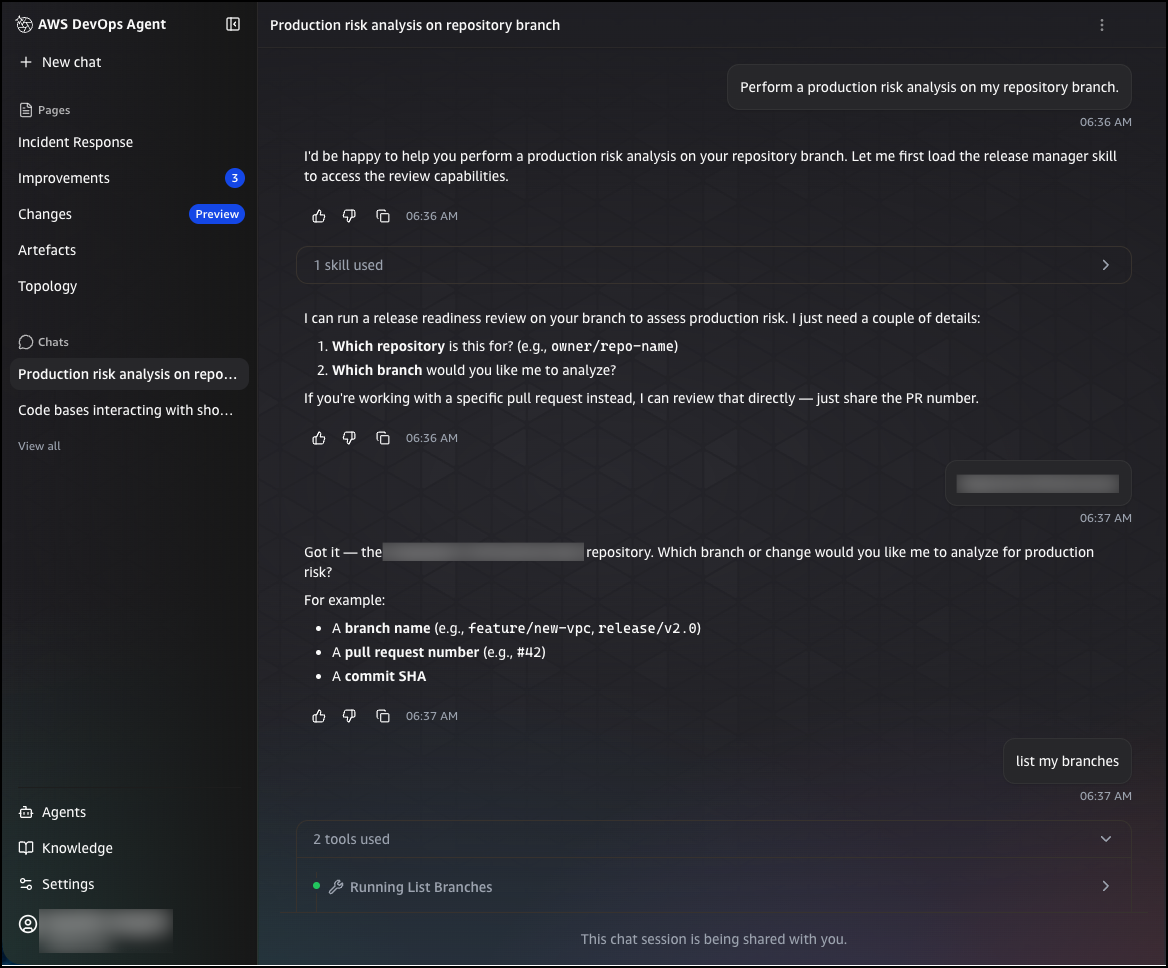
- The Request: The user triggers a review, either via a pull request or an on-demand chat query (e.g., "Perform a production risk analysis on my repository branch").
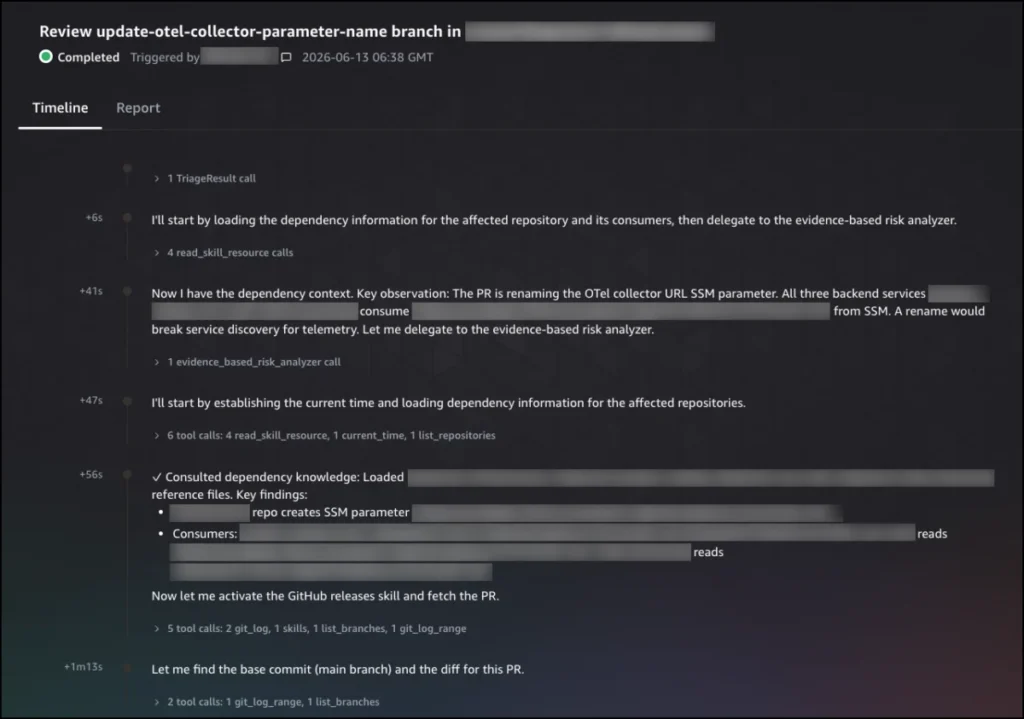
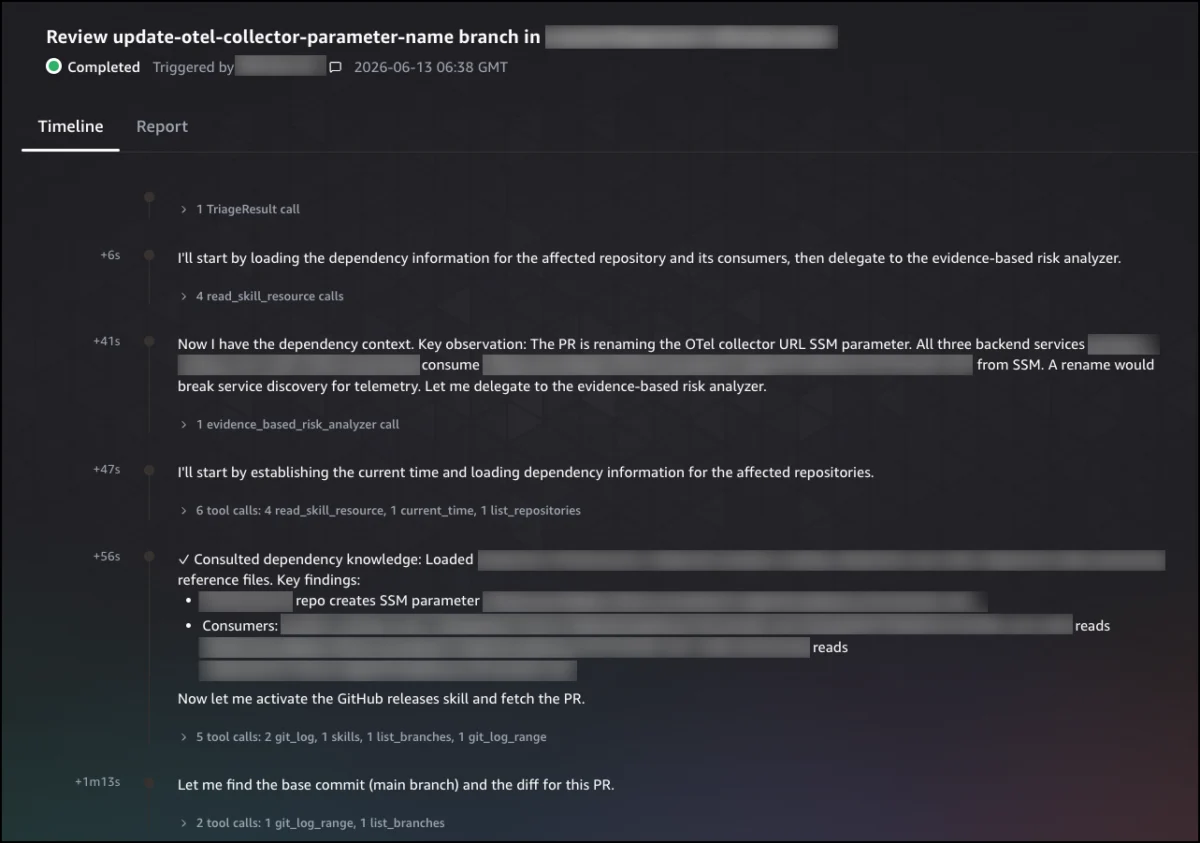
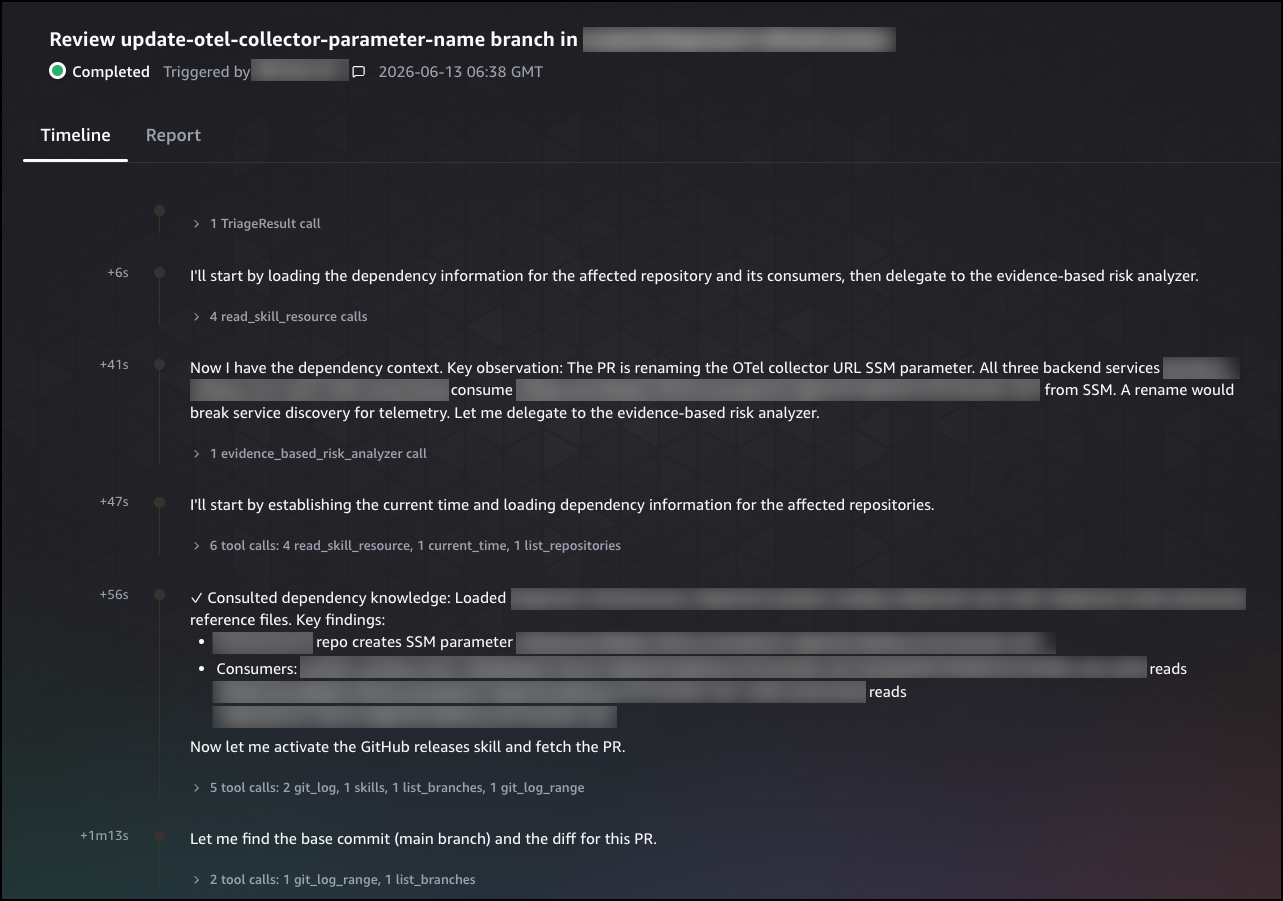
- The Reasoning: The agent analyzes the code, the infrastructure, and the dependencies, documenting its logic in a transparent Timeline tab. This allows reviewers to see exactly how the agent reached its conclusions.
- The Recommendation: The system returns a verdict: BLOCK, Proceed with Caution, or Safe to Release.
- The Remediation: If the verdict is not "Safe," the agent provides a granular list of issues categorized by severity, along with actionable steps for remediation.
Conclusion: The New Standard for Release Management
The introduction of release management capabilities to the AWS DevOps Agent is more than just a feature update; it is an acknowledgment that the scale of modern software development requires a fundamental change in how we ensure reliability. By blending autonomous reasoning with structured, evidence-based reporting, AWS is providing a path forward for teams struggling to balance the speed of AI-assisted coding with the rigid demands of production stability.
As the preview progresses, the industry will be watching closely to see how effectively these agents handle the nuance of unique, complex enterprise architectures. If early results hold true, the "Release Readiness Review" may soon become a standard expectation rather than a premium feature, signaling a future where the friction of the deployment process is effectively a thing of the past.
For now, the tool is available in the US East (N. Virginia) Region at no additional cost during the preview, inviting developers and operations teams to begin training their own digital teammates to help navigate the future of code delivery.