The Agentic Shift: OpenClaw Launches Mobile Apps as AI Enters a New Era of Autonomy
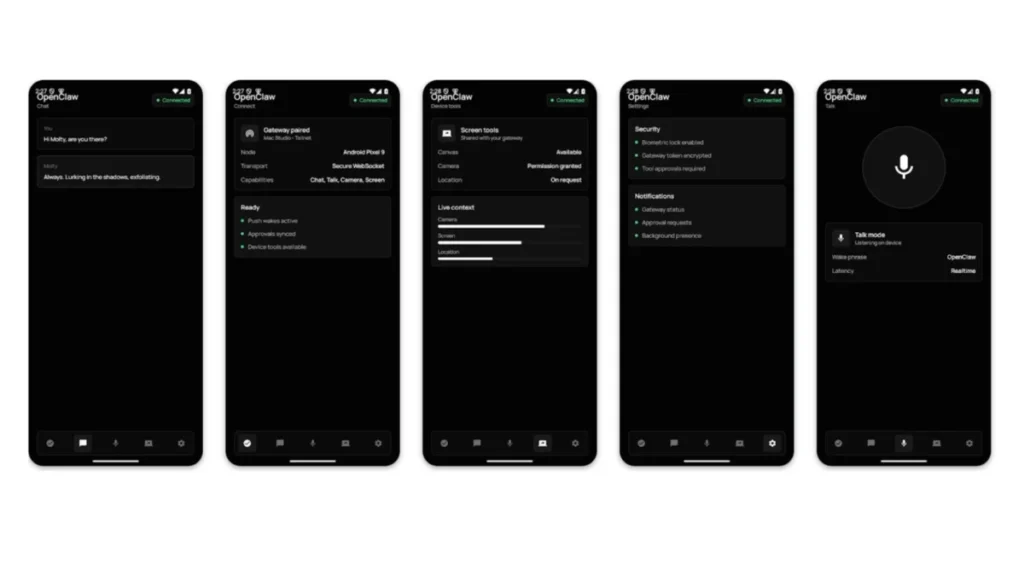
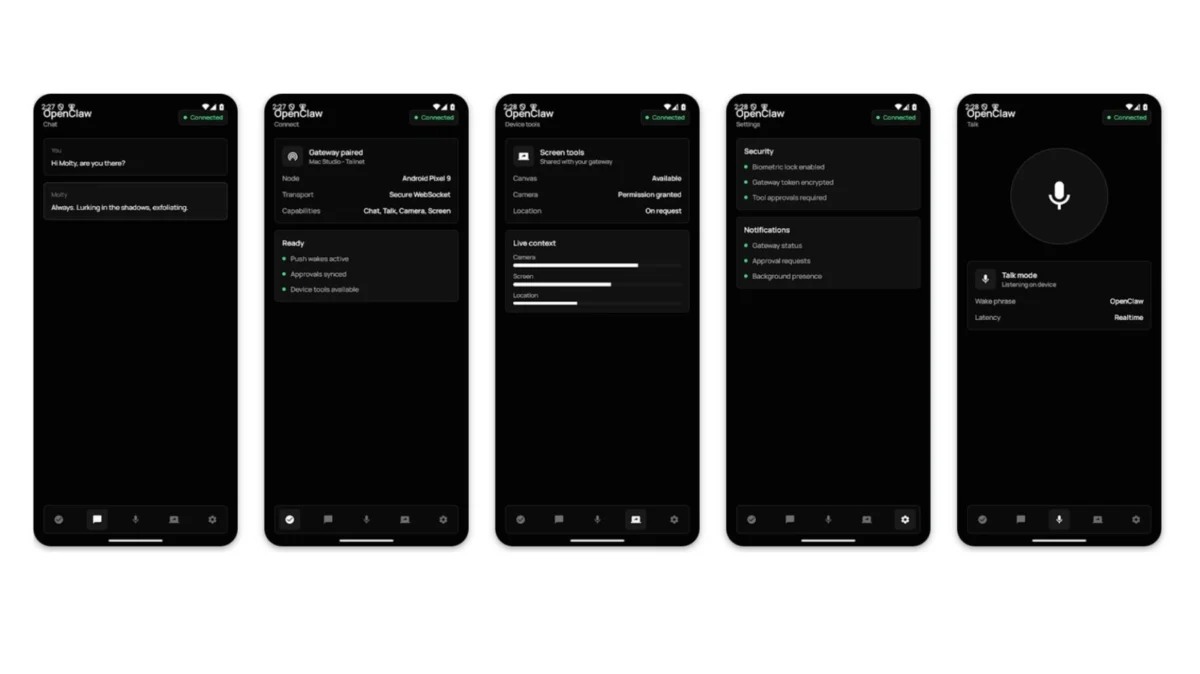
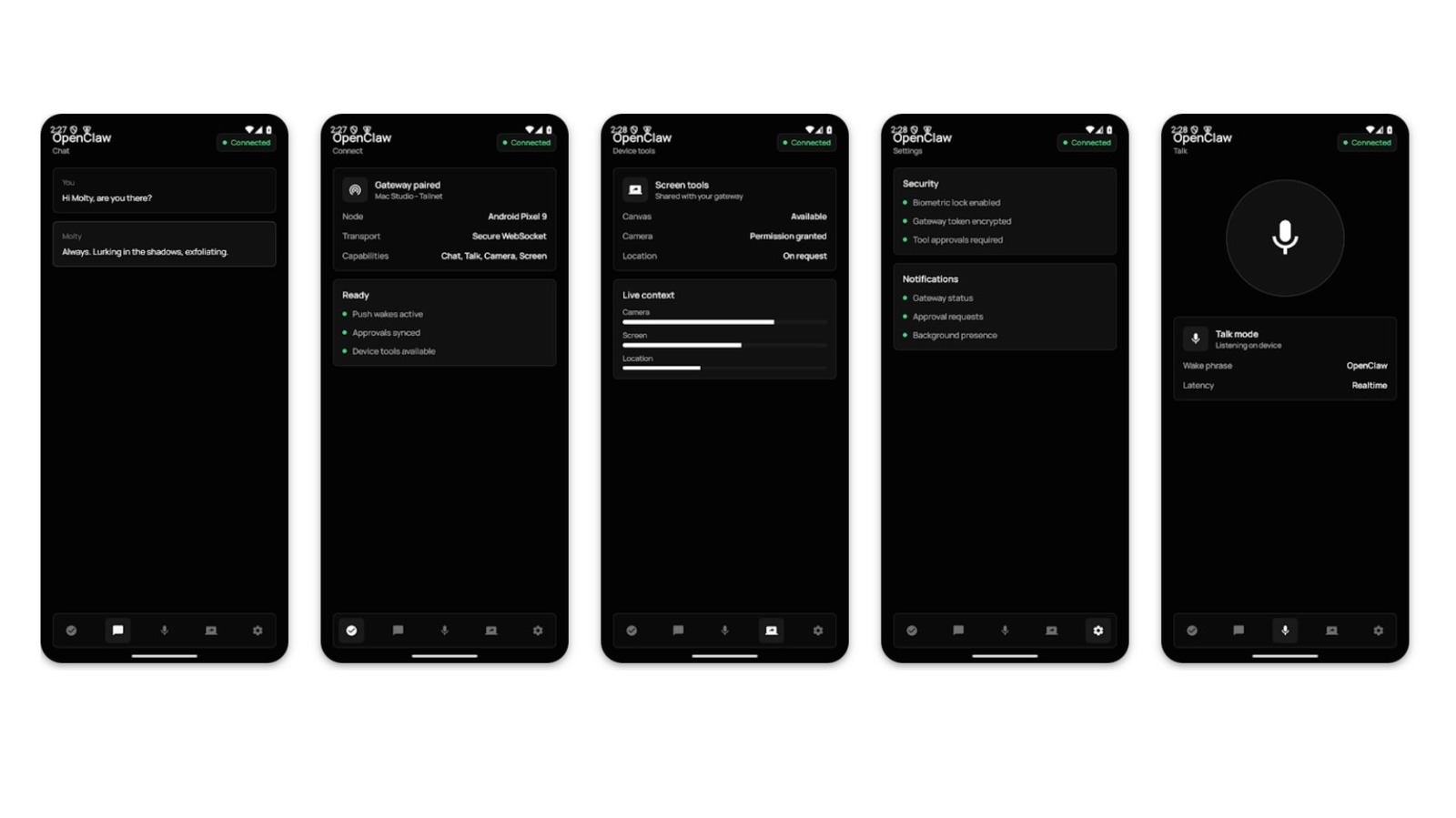
The smartphone—a device that has long served as a passive window into the digital world—is rapidly evolving into an active participant. With the official launch of standalone OpenClaw applications for both iOS and Android, the tech industry has crossed a significant threshold: the era of "agentic AI" has officially arrived on the platforms that define our daily lives.
No longer confined to desktop browsers or obscure command-line interfaces, these agents are now poised to navigate the complex, permission-gated ecosystems of our mobile devices. By granting these systems access to the camera, contacts, calendar, and real-time screen data, users are effectively handing over the keys to their digital identity to autonomous software.
The Evolution of OpenClaw: From Niche Project to Mobile Powerhouse
The journey of OpenClaw is a testament to the lightning-fast trajectory of modern AI development. What began as a specialized project has, in the span of months, transformed into a foundational player in the agentic space.
The catalyst for this shift was the high-profile transition of founder Peter Steinberger, who departed the project to join the ranks at OpenAI earlier this year. Rather than letting the project wither, the transition led to the formation of the OpenClaw Foundation. While the foundation operates as an independent entity, the involvement of OpenAI—which has pledged unspecified support to the project—has signaled to the industry that agentic AI is a priority for the titans of Silicon Valley.
The release of these mobile apps is not merely a convenience; it is a tactical expansion. By entering the Apple App Store and Google Play Store, OpenClaw is validating the viability of agentic frameworks in regulated, consumer-facing environments.
Chronology: How We Got Here
The ascent of agentic AI into the mainstream mobile market was neither smooth nor inevitable. It followed a tumultuous period of development and regulatory friction:
- Early 2024: OpenClaw gains traction within developer communities as an open-source solution for task-oriented AI automation.
- Mid-2024: Peter Steinberger, the architect behind the platform, is recruited by OpenAI, sparking speculation about the future of the project.
- Summer 2024: The OpenClaw Foundation is established to maintain the project’s open-source integrity, backed by strategic support from OpenAI.
- Autumn 2024: Reports emerge regarding Apple’s internal debates over the security implications of "vibe coding" and autonomous agents within the iOS ecosystem.
- November 2024: OpenClaw officially bypasses previous gatekeeping hurdles, launching native applications for iOS and Android, allowing for direct system-level integration.
Understanding Agentic AI: Beyond the Chatbot
To understand why the release of the OpenClaw app is a turning point, one must distinguish between traditional generative AI (like a standard chatbot) and agentic AI.
A traditional chatbot is a reactive entity; it waits for a prompt and provides a response. An agentic AI, conversely, is proactive. It possesses "agency"—the ability to perceive its environment, formulate a plan to achieve a goal, and execute a series of steps to see that goal to completion.
On a smartphone, this means the OpenClaw agent can theoretically:
- Navigate the UI: Interact with buttons, menus, and text fields across different applications.
- Contextual Awareness: Access the user’s camera, location, and reminders to provide "just-in-time" assistance.
- Cross-App Orchestration: Take data from an email, cross-reference it with a calendar, and initiate a draft message in a third-party app without manual intervention.
This level of integration requires deep system permissions. By enabling these features, users are moving from using their phones as tools to using their phones as platforms for a digital concierge.
The Regulatory Battleground: Apple’s "Vibe Coding" Concerns
The path to the Apple App Store was not paved with ease. For months, the Cupertino giant maintained a strict posture regarding agentic software. The primary concern was, and remains, the security risks associated with "vibe coding"—a term used to describe AI systems that operate on probabilistic outcomes rather than deterministic, hard-coded rules.
Apple’s review process has historically been designed to prevent apps from acting in ways that could compromise user privacy or system integrity. Because an agentic AI can technically perform any action the user can perform, the potential for "unauthorized" interactions—such as an AI accidentally deleting files or sending sensitive emails—is significant.
Prior to the launch of the OpenClaw app, users interested in agentic workflows were forced to rely on "workarounds," utilizing chat-based interfaces like Telegram or WhatsApp to pipe commands to their agents. This kept the interaction within a sandbox, insulating the operating system from the agent’s potential errors. The official arrival of a dedicated app suggests that either OpenClaw has developed robust safety guardrails or that Apple is finally softening its stance in the face of the inevitable AI-driven future.
Implications for User Privacy and Security
The convenience of having a device that "knows what you need" comes at a steep price: data exposure. By granting an agent access to contacts, photos, and calendar data, the user is creating a centralized point of failure.
Data Sovereignty
As the OpenClaw Foundation manages the backend of these agents, the question of data sovereignty becomes paramount. While the app is open-source, the processing of personal data—even if done locally—requires the agent to have a persistent map of the user’s life. If this data is synced to the cloud, the risks of interception, leakage, or unauthorized training on personal datasets increase exponentially.
The "Black Box" Problem
Agentic AI often operates as a "black box." When an agent completes a task, it is often difficult for the end-user to discern the "reasoning" behind specific steps. If an agent accesses a private document, the user may not know which parts of that document were read, analyzed, or stored. Security researchers have long warned that agentic autonomy, if not strictly constrained by "human-in-the-loop" protocols, could lead to unforeseen privacy breaches.
Looking Ahead: The Future of the Agentic Ecosystem
The launch of the OpenClaw app is likely just the opening volley in a much larger war for the "agent-first" operating system. Both Google and Apple are expected to integrate their own native AI agents deeper into their OS architectures in the coming year.
The Consolidation of Control
We are moving toward a future where the smartphone operating system serves as a host for a primary AI agent. This agent will eventually replace the current paradigm of "App-Centric" computing. Instead of opening a weather app, a calendar app, and a navigation app, users will simply make a request to their agent, which will handle the underlying app interaction.
The Economic Shift
For developers, this presents a crisis and an opportunity. If users stop interacting with app interfaces directly, the value of the traditional mobile UI diminishes. Companies will need to optimize their services not just for human eyes, but for agentic consumption. This will require new APIs and "machine-readable" interfaces that allow agents to interact with services reliably and securely.
Conclusion: The New Overlords
"Smartphones are welcoming the agentic AI overlords," noted early observers, and the arrival of the OpenClaw app confirms that this is no longer hyperbole. It is a fundamental shift in how humans interface with technology.
As we grant these agents more control, the responsibility falls on both the OpenClaw Foundation and the platforms that host them to ensure that these systems remain transparent, secure, and—above all—controllable. The convenience of a digital assistant that can run our lives is undeniable, but the transition from user to delegator requires a level of vigilance we have yet to master.
For now, the OpenClaw app is a powerful tool for those willing to experiment at the bleeding edge of technology. Whether it becomes the standard for human-computer interaction or a cautionary tale about the dangers of unchecked automation remains to be seen. One thing is certain: the screen in your pocket is no longer just a display—it is an interface for an autonomous intelligence, and it is here to stay.