The Paradigm Shift: Everything We Know About the Rumored ‘MacBook Ultra’
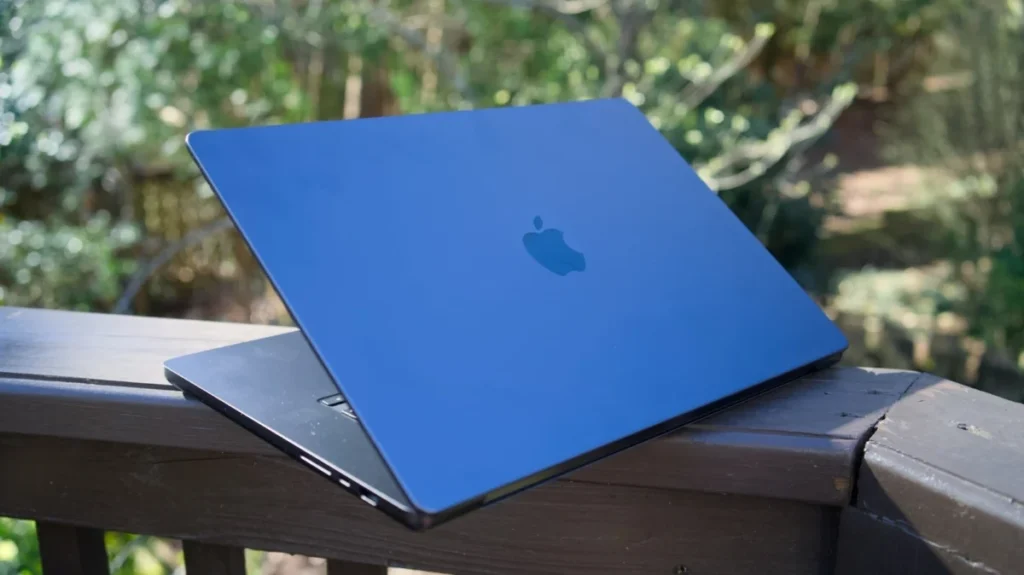
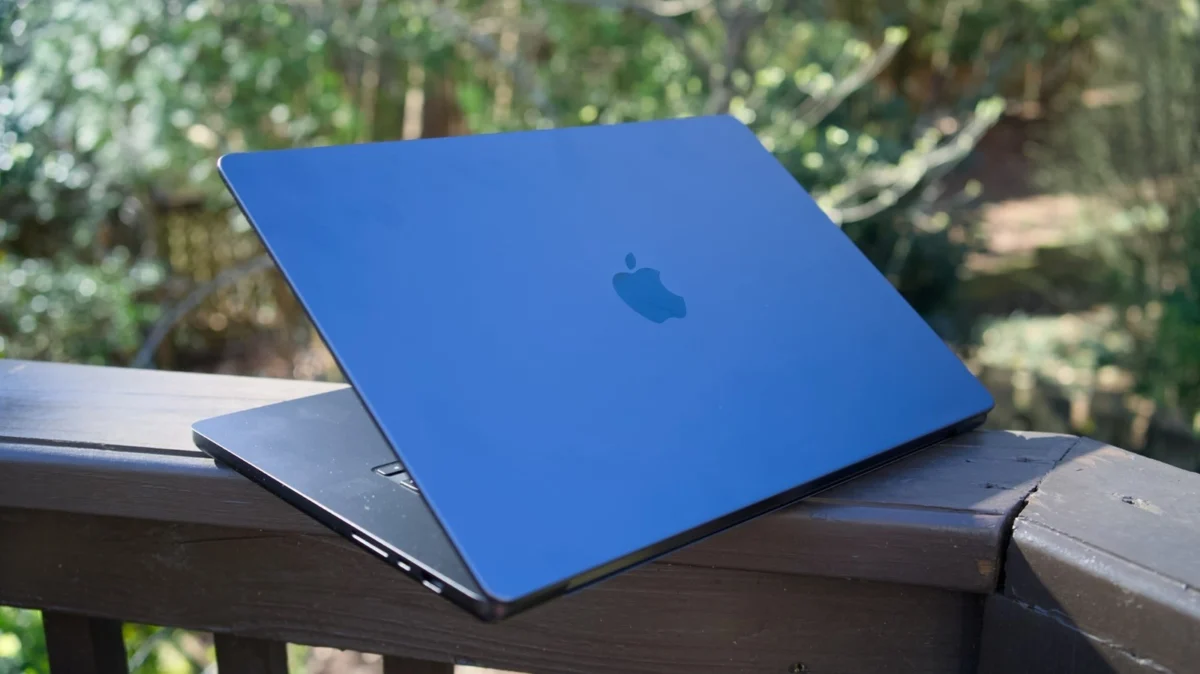
For decades, the gospel according to Apple regarding laptop interfaces was absolute: Steve Jobs famously dismissed the notion of a touchscreen MacBook as “ergonomically terrible,” famously arguing that the human arm was not designed to hover over a vertical screen for extended periods. However, in the fast-evolving landscape of 2026, Apple appears to be preparing for a radical pivot. Industry whispers and supply chain leaks suggest that the Cupertino giant is ready to bridge the gap between its creative-focused macOS environment and the tactile versatility of the iPad, culminating in a new flagship category: the "MacBook Ultra."
Main Facts: A New Era of Apple Computing
The MacBook Ultra represents the most significant hardware departure for Apple’s laptop division since the transition to Apple Silicon. While still unconfirmed by official press releases, the consensus among supply chain analysts and insiders points to a 2026 launch.
The headline feature is, undeniably, the integration of a multi-touch OLED display. This move signals a strategic attempt to reclaim the professional creative market from Windows-based rivals like the Microsoft Surface Laptop Studio and various high-end 2-in-1s. Beyond the touch interface, the device is expected to debut a “total redesign,” moving away from the industrial aesthetic established by the 2021 MacBook Pro models.
Key hardware highlights include:
- OLED Panel: A superior display technology promising deeper blacks, enhanced color accuracy, and improved energy efficiency.
- Dynamic Island Integration: Replacing the traditional menu bar notch with the pill-shaped, software-integrated cutout familiar to iPhone users.
- Advanced Silicon: A strategic rollout of M5 and M7 architecture.
- Cellular Connectivity: Potential inclusion of native 5G, marking the first time a MacBook has operated independently of Wi-Fi or tethering.
Chronological Development: From Rumor to Reality
The journey toward a touch-capable Mac has been a slow burn. The narrative began to shift in early 2023, when Bloomberg’s Mark Gurman first reported that Apple’s internal engineering teams were actively testing touch-input integration for the Mac.
Throughout 2024 and 2025, those early reports transitioned from speculative "what-if" scenarios to concrete supply chain sightings. Analysts like Ming-Chi Kuo noted that panel manufacturers were receiving orders for flexible OLED layers tailored for larger-than-tablet formats. By mid-2026, the leaks reached a fever pitch. Reports indicated that Apple had settled on code names K114 and K116 for the 14-inch and 16-inch variants, respectively.
As of the latest industry updates, the product is in the final stages of pre-production validation. While Apple rarely deviates from its traditional September/October hardware cycles, experts suggest that a product of this magnitude might receive a dedicated "Special Event" late in the fourth quarter of 2026 to ensure it receives undivided market attention.
Supporting Data: Why Now?
The logic behind Apple’s decision to abandon the "no-touch" philosophy is rooted in a fundamental shift in user behavior. For years, the iPad Pro was positioned as the "touch-first" alternative to the MacBook. However, as creative workflows—such as 3D rendering in Blender, complex masking in Photoshop, and professional video editing in DaVinci Resolve—have migrated to mobile platforms, the limitations of iPadOS have become glaringly obvious.
iPadOS, despite its power, remains a restricted environment. Professional creators have long expressed frustration that they must choose between the portability and touch-input of the iPad or the raw power and file-management capabilities of the MacBook. By introducing the MacBook Ultra, Apple is effectively conceding that the "desktop-class" experience is no longer strictly bound to a keyboard and trackpad.
Furthermore, the hardware metrics are compelling. The transition to OLED is not merely an aesthetic upgrade; it is a thermal and electrical necessity. OLED panels are thinner and more power-efficient than MiniLED alternatives, allowing for a sleeker chassis design without compromising the battery life that has become a hallmark of the Apple Silicon era.
Official Responses and Corporate Strategy
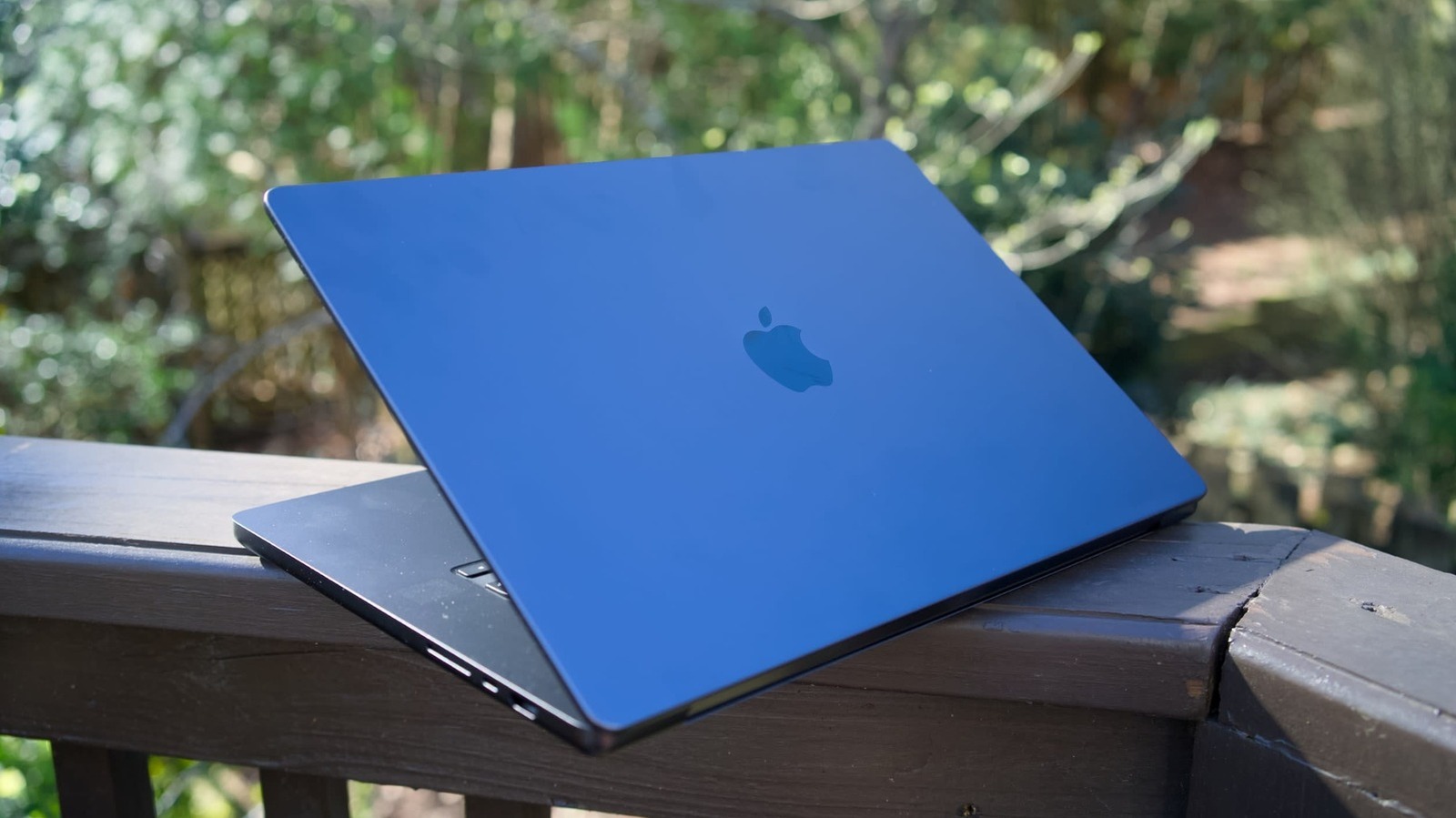
Apple has maintained its characteristic "no comment" policy regarding unannounced products. However, the company’s recent software updates offer a breadcrumb trail of their intentions. The evolution of "Sidecar" and "Universal Control"—features that allow for seamless interaction between Macs and iPads—serves as the software foundation for the MacBook Ultra.
From a strategic perspective, Apple is not looking to replace the iPad. Instead, they are filling the "Ultra" void. Current market segments are clearly defined: the MacBook Air for consumers, the MacBook Pro for power users, and the MacBook Ultra for the high-end creative professional. By keeping the keyboard and trackpad as the primary input methods while layering touch as a "secondary" utility, Apple is attempting to avoid the ergonomic pitfalls Steve Jobs once warned about. The touch interface is expected to be context-sensitive; it will not require the user to reach for the screen for every task, but rather provide "hot zones" for specific tools—a dynamic interaction model that keeps the user’s wrists firmly on the palm rest.
Implications: The Market and the User
The arrival of the MacBook Ultra carries significant implications for the wider tech industry.
1. The Death of the "Pure" Laptop
For years, the industry has watched as the line between tablet and laptop blurred. If Apple successfully integrates touch into the Mac, it will likely accelerate the decline of traditional non-touch laptops. Windows manufacturers, who have long held the monopoly on touch-enabled professional laptops, will face a stiff challenge from a device that marries hardware-level touch optimization with the superior software ecosystem of macOS.
2. Pricing and Exclusivity
With the "Ultra" moniker comes a premium price tag. Given that the current 16-inch MacBook Pro tops out at nearly $4,000 when fully specced, analysts anticipate the MacBook Ultra could push the base-model entry point well above the $3,000 threshold. This positions the device as a tool for the elite: film editors, architects, and industrial designers.
3. The Future of Apple Silicon
The decision to skip the "M6" high-end chips for the MacBook Ultra in favor of an accelerated jump to the M7 architecture is telling. It implies that Apple views this device as the testing ground for its next-generation AI and machine-learning capabilities. The M7 chips are rumored to feature a vastly expanded Neural Engine, specifically designed to handle on-device AI tasks that will power the new touch-menu interface.
Conclusion: A Calculated Risk
Is the MacBook Ultra a surrender to market demands or an evolution of Apple’s vision? It is likely a bit of both. By maintaining the integrity of the macOS while embracing the utility of touch, Apple is attempting to solve the "iPad dilemma" once and for all.
As we approach the anticipated late-2026 launch window, the tech world waits with bated breath. If the rumors hold, the MacBook Ultra will not just be a laptop with a screen you can touch; it will be a recalibration of how we interact with our digital tools. While the ghosts of Apple’s past may have viewed such a device as an ergonomic failure, the future of the company appears to be betting on the fact that for the modern professional, the ability to reach out and touch their work is the ultimate productivity multiplier.
Whether the device lives up to the "Ultra" name remains to be seen, but one thing is certain: the era of the static laptop screen is drawing to a close.