Beyond the AAA Deluge: Discovering the Hidden Gems of the Indie Scene
In an era defined by the "AAA deluge," where monolithic studios routinely drop 30-to-100-hour experiences every single week, the rhythm of gaming has become increasingly exhausting. The modern player is often treated less like an enthusiast and more like a consumer in a factory line, bombarded by massive open worlds and live-service mandates. However, tucked away from the high-budget marketing machines lies the vibrant, experimental heart of the industry: the indie scene. This week, we turn our attention away from the bloated blockbusters to highlight three distinct titles currently redefining their respective genres on itch.io: Mr Platformer, Videoverse, and TEST TEST TEST.
Mr. Platformer: The Return of a Minimalist Master
Main Facts and Design Philosophy
Terry Cavanagh is a name synonymous with the indie movement. Having previously defined the challenging, high-stakes nature of platforming with VVVVVV and Super Hexagon, his latest offering, Mr Platformer, arrives with the understated confidence of an auteur who has nothing left to prove.
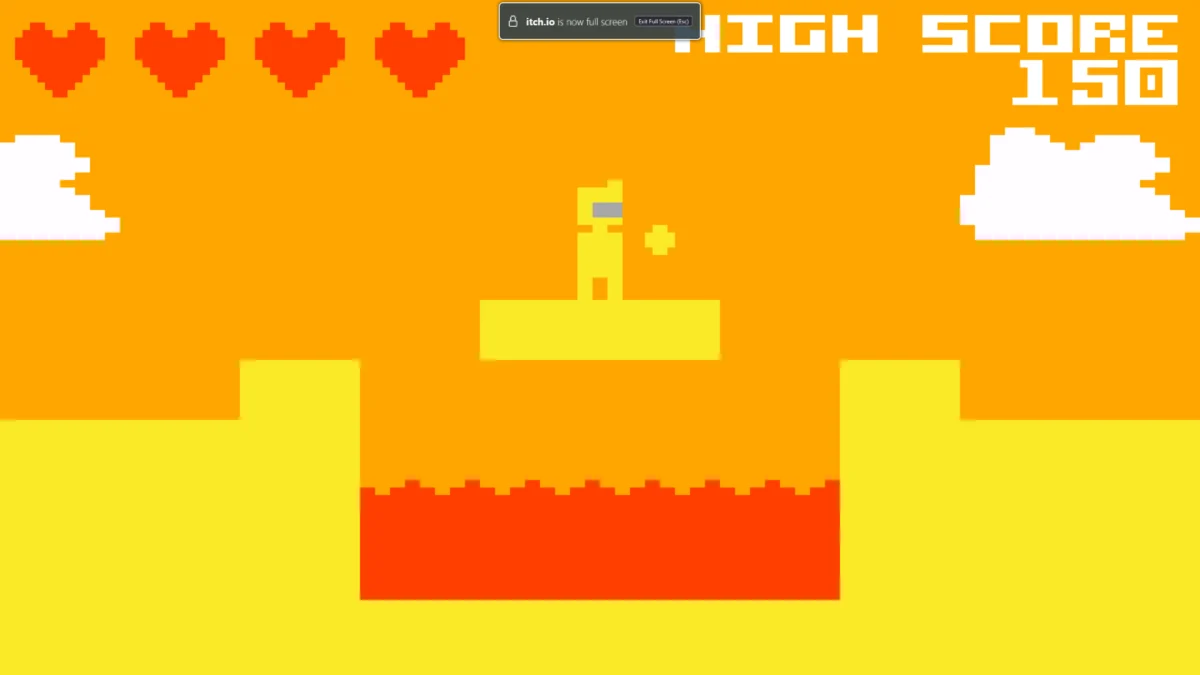
At its core, Mr Platformer is an exercise in deceptive simplicity. Its store page description—"running, jumping, and swimming"—is arguably the most dry, literal summary of a game ever written. Yet, it is precisely this "spartan" approach that allows the mechanics to shine. Cavanagh strips away the clutter of modern gaming, returning to the tactile joy of movement for movement’s sake.
Chronology and Gameplay Implications
While the game begins as a straightforward platformer, it quickly evolves. Through exploration, the player discovers that Mr Platformer is not merely about traversing point A to point B. It is a puzzle of physics and discovery. By choosing not to spoil the deeper mechanics, the developer invites players to experiment with the environment, turning a simple jump-and-run into a profound exploration of spatial awareness. For those who have followed Cavanagh’s career, this game serves as a masterclass in how to iterate on foundational mechanics without succumbing to feature creep.
Videoverse: A Nostalgic Deep-Dive into Digital Connection
The Context of Early Social Media
Before the internet became a landscape of algorithmic rage and corporate-monitored feeds, it was a frontier of genuine connection. Videoverse, developed by Kinmoku, serves as a poignant, interactive love letter to the early 2000s—a time when forums and instant messaging were the primary vessels for building community around niche interests.

Narrative Architecture
Players step into the shoes of Emmett, a young fan-turned-artist who navigates his life through the lens of a fictional social network dedicated to a favorite RPG series. The narrative success of Videoverse lies in its restraint. It avoids the traps of "historical revisionism," where the past is painted with either too much cynicism or too much blind rose-tinted nostalgia. Instead, it captures the raw, awkward, and sincere energy of being a teenager online.
Visual Design and Aesthetic
Beyond the writing, Videoverse is a triumph of visual language. Kinmoku has crafted an art style that pays homage to 90s and 2000s anime aesthetics without falling into the trap of being "cheesy" or derivative. The visual design is not just a backdrop; it is an active participant in the storytelling. The expressiveness of the character portraits and the UI design create a "tonally perfect" experience that feels like a window into a bygone era.
Official Response
The developer, Kinmoku, has expressed active engagement with their community, recently commenting on the impact of the game’s reception, noting, "Thanks for recommending VIDEOVERSE!" This synergy between developer and player highlights the unique ecosystem of itch.io, where creators and audiences maintain a close, supportive dialogue.
TEST TEST TEST: The Unsettling Office Simulation
The Rise of Mojiken
Mojiken Studio has quietly cemented its reputation as one of the most consistent and evocative developers in the independent space. Despite their track record of producing high-quality, heartfelt stories, they remain an under-recognized powerhouse. TEST TEST TEST serves as a critical entry in their portfolio, marking a pivot toward the unsettling and the psychological.
The Premise of "Human Potential"
The game places the player in the role of an employee at the "Triquetra Consulting Firm." The company’s mission statement—to "unlock human potential"—is a classic trope of corporate horror that is executed here with surgical precision. The player is tasked with testing new software, but as the premise suggests, the process is far from benign.
The game excels at atmospheric storytelling. By focusing on the minutiae of office life and the mounting dread of the testing process, TEST TEST TEST creates a sense of unease that is rare in short-form indie adventures. It is a testament to the idea that horror is often found in the mundane, provided the environment is constructed with enough care.
Community Reception and Implications
The reaction from the community has been one of genuine appreciation for Mojiken’s versatility. As one player noted in the project’s discussion threads, "So many great games with beautiful art to the nines." This sentiment captures the broader implication of the indie movement: studios like Mojiken are not just making games; they are building curated, artistic experiences that prioritize vision over mass-market appeal.
Implications of the Indie Surge
The Sustainability of Independent Development
The existence of these three games—Mr Platformer, Videoverse, and TEST TEST TEST—highlights a critical shift in the gaming industry. While AAA games are currently locked in a cycle of diminishing returns and escalating budgets, independent developers are finding success by focusing on tighter, more emotionally resonant experiences.
The implications for the industry are clear:
- Genre Innovation: By ignoring the pressures of market trends, indie developers are free to experiment with mechanics (like Cavanagh’s minimalist platforming) and narrative structures (like the forum-based storytelling in Videoverse).
- Community Building: Platforms like itch.io have become essential not just for distribution, but for the cultivation of a "third space" where developers and players can discuss the nuances of a game’s design.
- The Power of Short-Form Media: These games prove that a 30-hour runtime is not a prerequisite for quality. In many cases, the brevity of these titles—such as the tight, unsettling narrative of TEST TEST TEST—is what makes them impactful.
Supporting the Ecosystem
The rise of these titles is a direct challenge to the "deluge" mentioned at the outset. When we choose to spend our time with games that prioritize artistic intent over engagement metrics, we shift the power dynamic of the industry. We move away from the "AAA deluge" and toward a more curated, thoughtful way of consuming digital entertainment.

In conclusion, while the industry giants continue their race toward technological scale, the real innovation is happening on the screens of small, passionate teams. Whether it is the precision of a Terry Cavanagh platformer, the nostalgic heart of Videoverse, or the creeping dread of Mojiken’s latest experiment, these games serve as a reminder that the best stories are often told in the quietest corners of the web.
The question remains: What will you choose to play next? The deluge of the AAA machine will always be there, but the hidden gems are waiting for those willing to look a little closer.