Itch.io Evolution: A Deep Dive into the Latest Platform Overhaul
The digital landscape for independent game development is constantly shifting, and itch.io remains a cornerstone for creators looking to bypass the restrictive barriers of major storefronts. In its latest sweeping update, the platform has rolled out a series of significant infrastructural enhancements—ranging from discovery tools and bundle management to third-party integrations. These changes, aimed at both the casual shopper and the professional developer, represent a maturation of the platform’s back-end capabilities.
This article details the comprehensive updates recently deployed by the itch.io team, providing a roadmap for how these changes impact the ecosystem.
The Core Updates: An Overview
The recent deployment focuses on four primary pillars of the itch.io experience:
- The Sale Explorer: A sophisticated interface designed to manage the high traffic and vast volume of projects during sitewide sales.
- Bundle Hosting Revamp: A complete rewrite of the architecture supporting multi-creator collaborative bundles.
- Modernized Jam Theme Editor: A UI update for game jam organizers to bring their event pages in line with modern design standards.
- Enhanced Patreon Integration: A robust migration to the Patreon V2 API, solving long-standing issues regarding tier-based access and multi-currency support.
1. Navigating the Digital Tsunami: The Sale Explorer
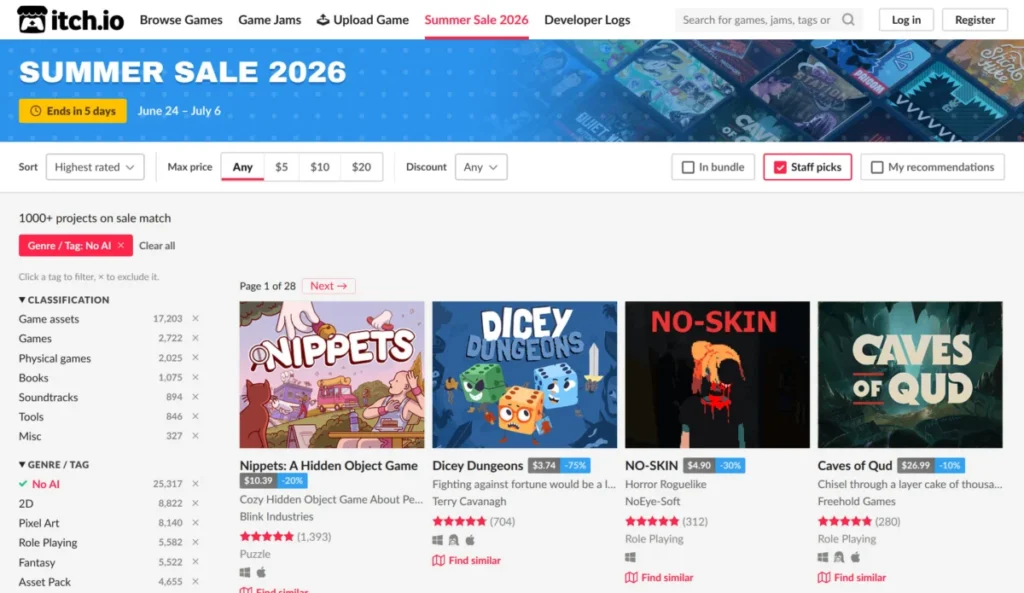
With the Summer Sale currently showcasing over 30,000 discounted projects, the challenge of discovery has become a primary bottleneck for users. The introduction of the "Sale Explorer" is a strategic response to this friction.
Mechanics of Discovery
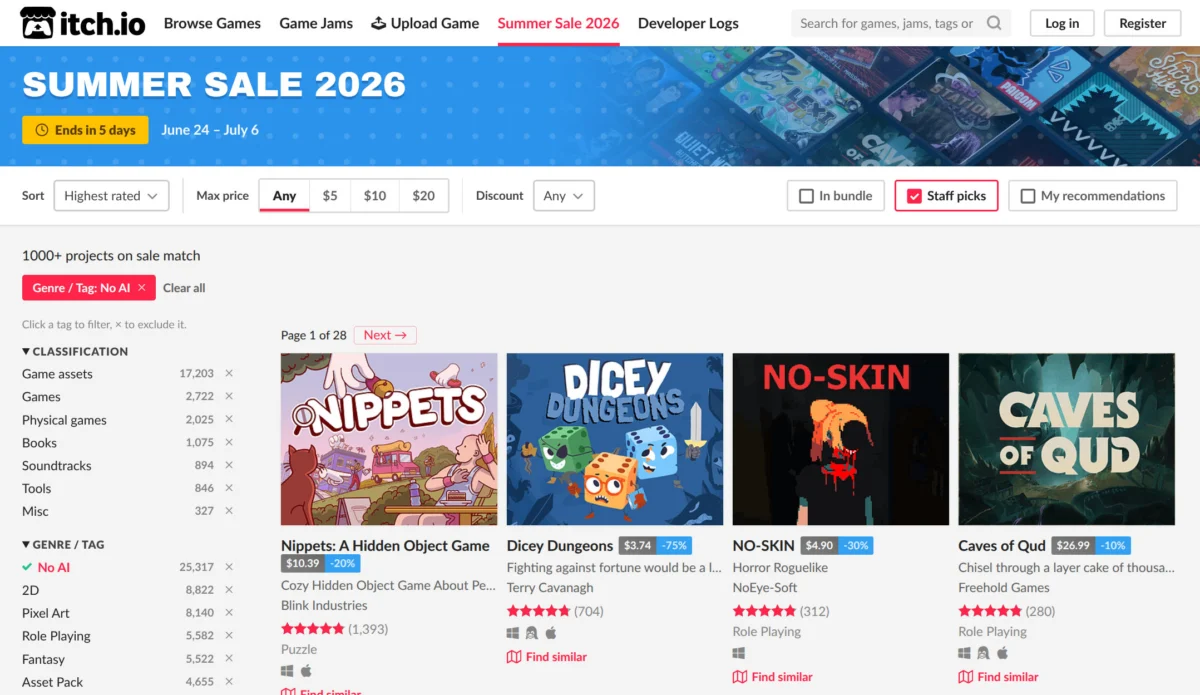
The Sale Explorer is not merely a filter; it is an intelligent browser overlay that triggers automatically during seasonal site-wide events. It replaces the traditional, static list-view with a dynamic, responsive grid that allows users to drill down into the massive catalog with surgical precision.
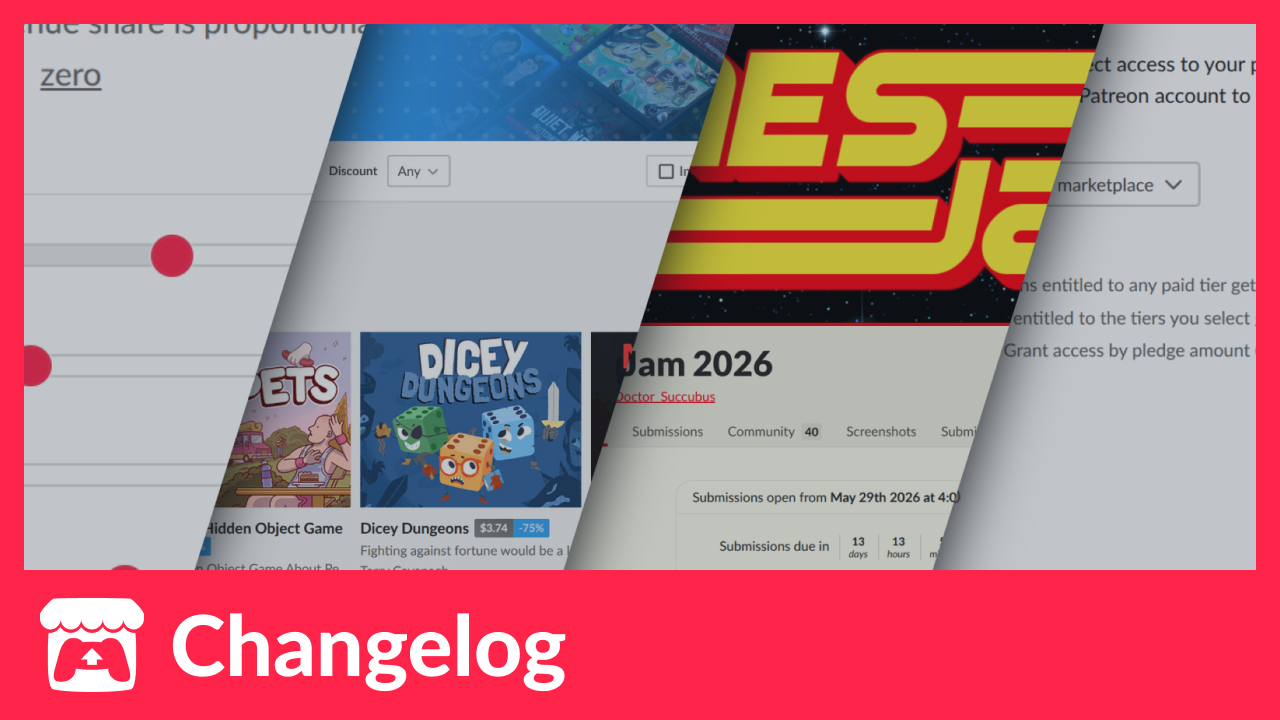
By leveraging the metadata already associated with these 30,000+ projects, the system allows users to sort by genre, price, platform compatibility, and user ratings in real-time. The itch.io development team has indicated that the success of this tool during the current sale is a pilot program; they intend to harvest the UI/UX lessons learned here to improve the site’s standard browsing pages in the coming year.
2. Infrastructure Resilience: The Bundle Hosting Overhaul
For over a decade, itch.io has been the industry standard for indie game bundles, most notably for charitable causes. However, the legacy systems for managing these bundles had become cumbersome as the scale of these events grew. The recent overhaul targets the "hosting side" of the bundle ecosystem.
Key Improvements for Organizers
The new system is designed for high-collaboration scenarios, addressing long-standing pain points for project leads:
- Streamlined Participation: The process for developers to join, update, or withdraw their projects from a bundle is now handled through a centralized dashboard.
- Collaborative Control: Organizers can now manage bulk permissions, allowing them to oversee how individual project metadata is presented within the bundle context without needing to manually edit every single entry.
- Reset Functionality: Existing pending bundles can now tap into these new features by resetting their participation status, allowing them to benefit from the modern backend without needing to start from scratch.
This architectural shift is a clear signal that itch.io intends to remain the primary hub for the "bundle-for-a-cause" movement, providing the stability necessary for massive collaborative efforts involving hundreds of developers.
3. The Creative Frontier: Jam Theme Editor Revamp
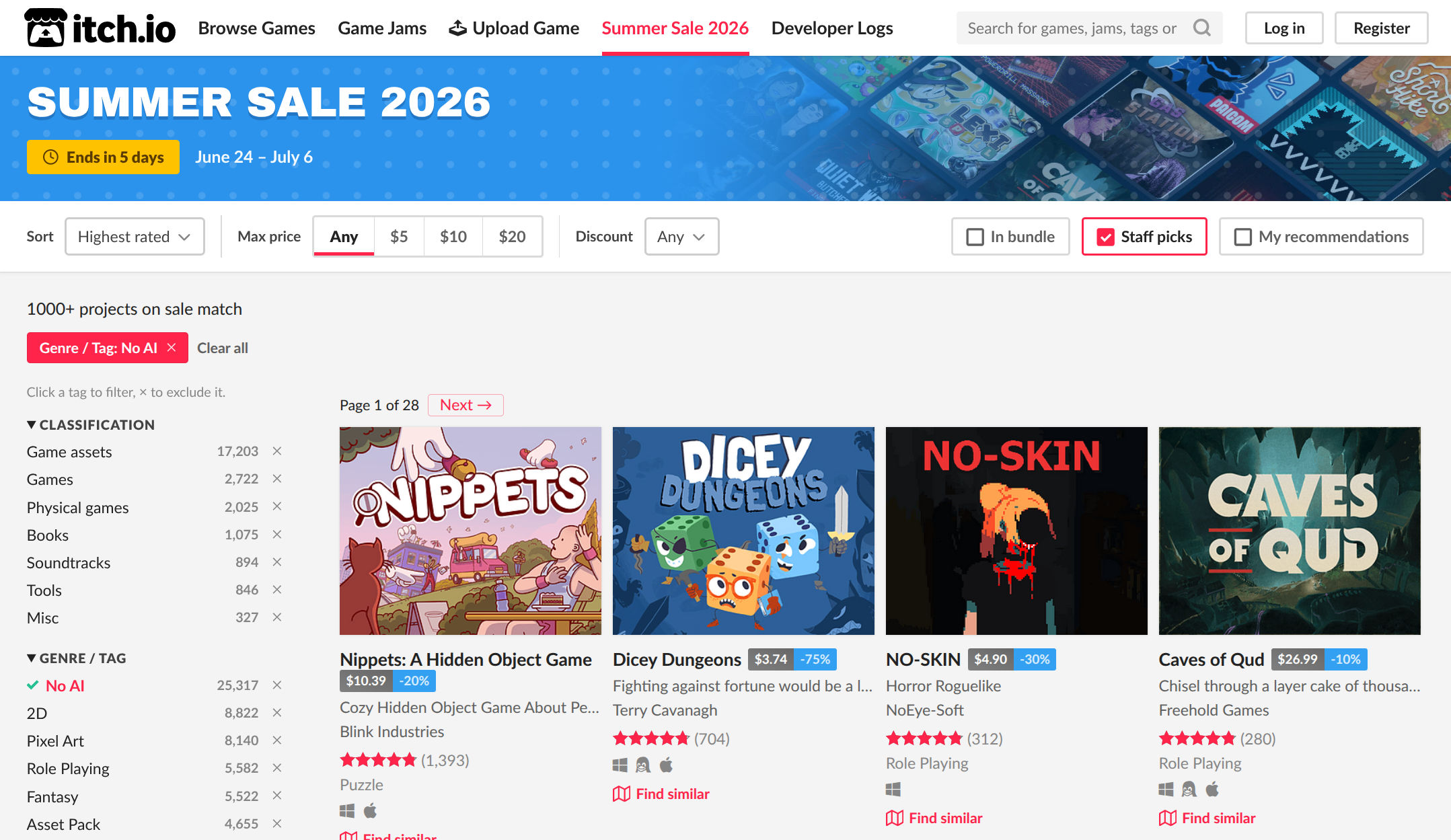
Game jams are the lifeblood of the itch.io community. The platform’s ability to host these events is essential for its growth, and the new Jam Theme Editor is a significant quality-of-life upgrade for organizers.
Modernization and Customization
By migrating the editor to the same UI framework used throughout the rest of the site, itch.io has reduced the learning curve for new hosts while simultaneously granting power users more control.
- UI Parity: The interface is now consistent with the site’s broader design language, making it intuitive for those who have previously customized personal project pages.
- Preserving Legacy: A major concern for developers was the potential for breaking existing custom CSS. The development team prioritized backward compatibility, ensuring that historical jam pages remain intact while providing new, flexible CSS hooks for future events.
- New Creative Options: Organizers now have access to a broader palette of layout configurations, allowing them to better brand their jam events without requiring extensive web development knowledge.
4. Financial Connectivity: Enhanced Patreon Integration
Perhaps the most technically significant update is the migration to the Patreon V2 API. This move is not merely a version update; it is a fundamental shift in how the platform verifies supporter benefits.
Solving the Currency Conflict
The legacy integration relied on pledge amounts, which created significant headaches for creators with international fanbases. If a patron pledged in a currency other than the one set by the creator, the API would often fail to trigger access, leading to support tickets and user frustration.
The new V2 integration solves this by shifting to membership tiers.
- Tier-Based Logic: Access is now granted based on the specific membership tier selected by the patron, effectively rendering currency differences irrelevant.
- Expanded Grant Options: Creators now have three distinct ways to grant access, providing granular control over which projects are gated by which Patreon tier.
- Indefinite Access: A key feature remains: once a patron claims access to a project, they maintain it indefinitely, even if they later adjust their pledge, provided they met the requirements at the time of the initial grant.
Official Responses and Community Feedback
The platform’s transparency is highlighted by its engagement with the community on these changes. In the developer updates forum, itch.io lead developer ‘leafo’ has been actively responding to feedback.
The "Revenue Split" Request
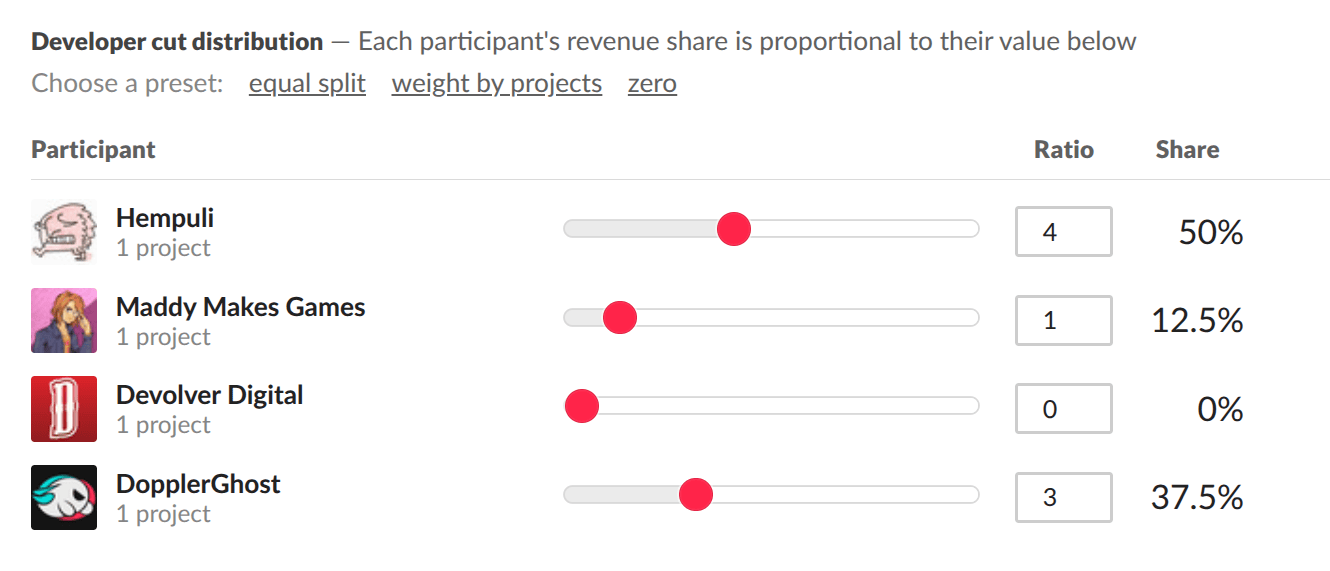
A notable moment in the recent community discourse involved a request from a user for "per-project revenue splitting." This feature would allow multiple collaborators on a single project to have their earnings automatically distributed at the point of sale. While this feature is not yet live, the public acknowledgement from leadership—"It’s something I want to work on at some point"—confirms that the platform is actively listening to the needs of collaborative indie studios.
Addressing Technical Nuances
Community members have been quick to audit the new features. For instance, questions regarding platform filtering (e.g., the omission of Android from certain filters) have been raised. This iterative feedback loop is essential to the platform’s development, as it allows the itch.io team to catch oversights in real-time during the rollout phase.
Implications: A Platform Maturing
The implications of these updates extend beyond simple convenience. By consolidating its tools—standardizing the UI, upgrading API integrations, and refining backend hosting—itch.io is positioning itself as a professional-grade alternative to centralized, corporate-controlled storefronts.
For the Developer
The combination of improved bundle management and superior Patreon integration reduces the administrative overhead for independent creators. Developers can spend less time managing the technical aspects of their shop pages and more time iterating on their games.
For the Consumer
The Sale Explorer is a major step toward making the "discovery problem" manageable. As the library of independent games grows, the ability to effectively filter, sort, and search is what defines a functional storefront. By bringing these data-driven browsing tools to the forefront, itch.io is ensuring that smaller, niche titles have a better chance of being seen by potential players.
Looking Forward
The roadmap suggested by these updates implies a period of rapid refinement. As the team brings the Sale Explorer’s features to the standard browse pages, and as the possibility of revenue-splitting features looms on the horizon, itch.io is clearly focusing on building a cohesive, integrated ecosystem.
In conclusion, these updates reflect a platform that is not just maintaining its status quo but is actively investing in its infrastructure. For a community that prides itself on independence and creativity, these tools provide the necessary foundation to ensure that the indie scene remains vibrant, profitable, and accessible for years to come. Whether you are a solo developer launching your first game or a seasoned studio managing a massive collaborative project, these changes represent a significant leap forward in the usability and power of the itch.io platform.