Cultivating the Next Generation of PostgreSQL Experts: Inside the "Developer U" Montreal Summit
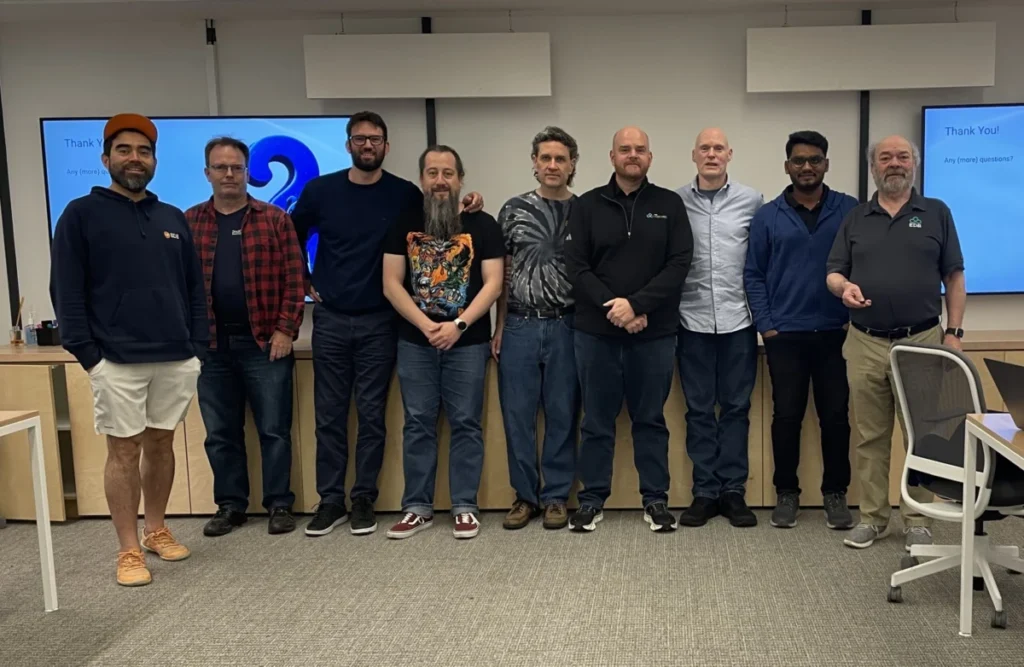
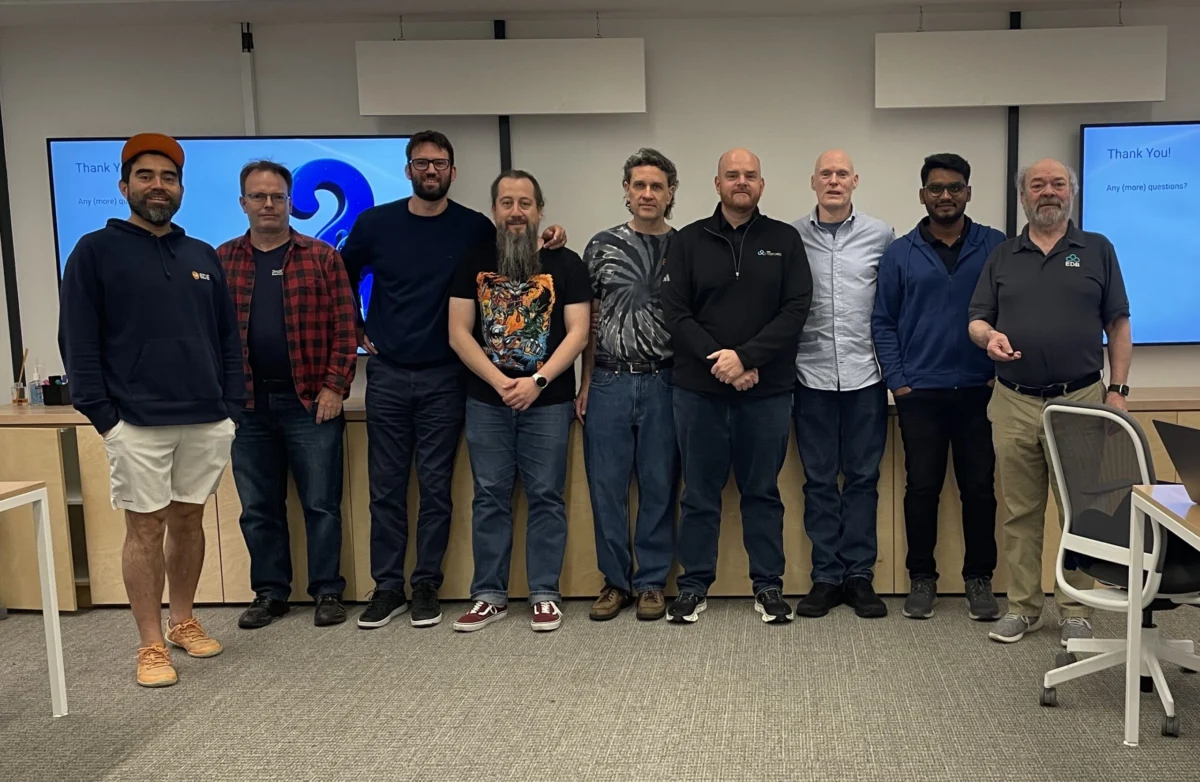
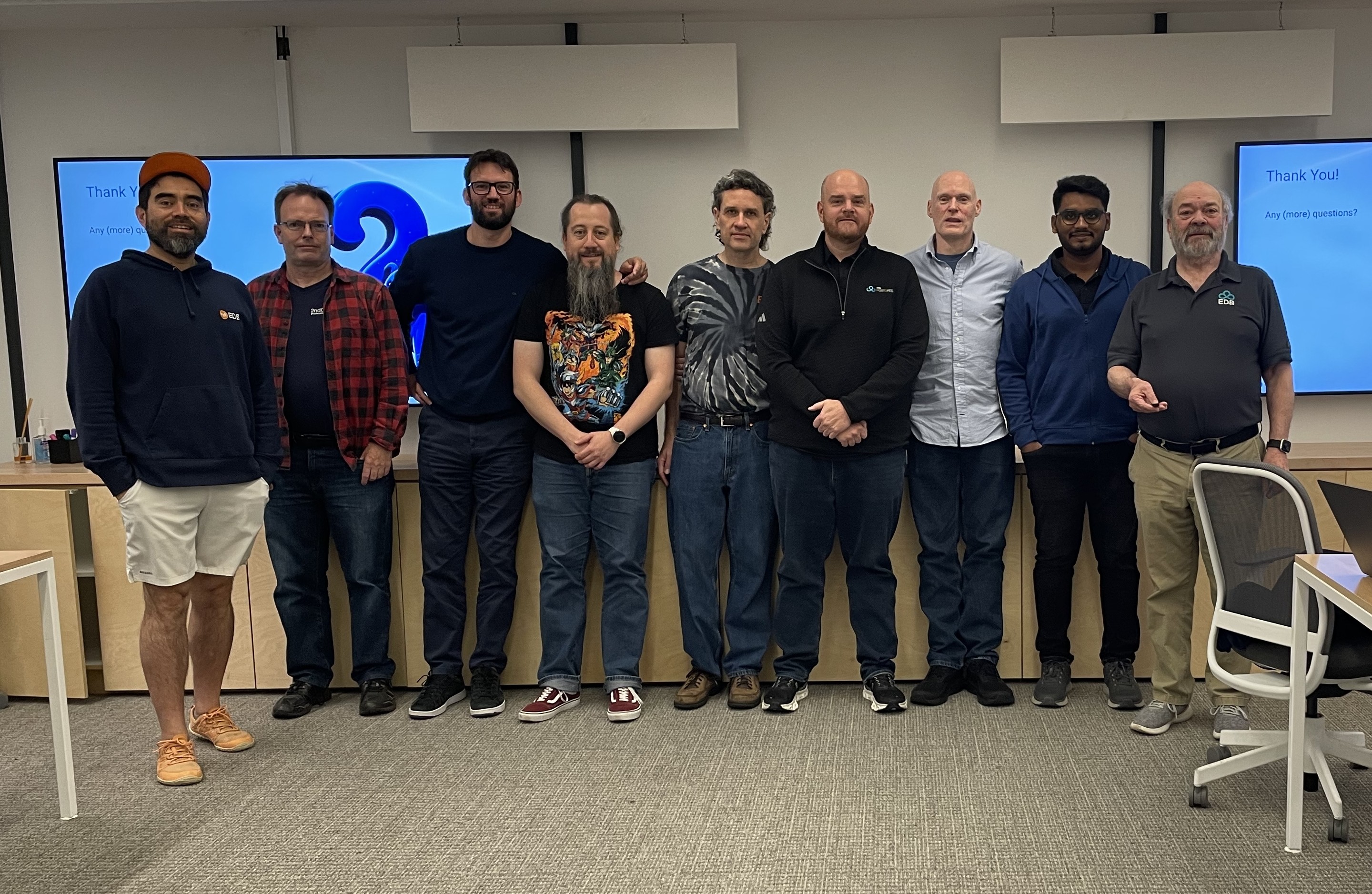
In an era where open-source database technology serves as the bedrock of global digital infrastructure, the sustainability of projects like PostgreSQL relies heavily on the constant influx of new, highly skilled contributors. Addressing this need head-on, our internal "Developer U" program—a dedicated initiative to transform promising engineers into elite PostgreSQL hackers—recently reached a major milestone. Last week, the cohort gathered in Montreal for their third intensive in-person summit, a collaborative event that underscored the value of face-to-face mentorship in an increasingly remote world.
The Montreal meetup occurred exactly one month after PGConf.Dev in Vancouver, where program lead Andrew Dunstan shared insights into the initiative’s successes and challenges. By bringing together a global team of developers to Canada, the program reinforced its commitment to building a robust, international pipeline of talent capable of navigating the complex internals of the world’s most advanced open-source database.
The Evolution of the Curriculum
The "Developer U" program is structured to provide deep, hands-on exposure to the various subsystems of PostgreSQL. Each week of the intensive is meticulously curated to bridge the gap between application-level database usage and kernel-level engine modification.
Following initial guidance from industry veterans Amul Sul and Alvaro Herrera during the program’s inaugural week, and subsequent instruction by Peter Eisentraut, the Montreal session leveled up with the inclusion of Robert Haas. A prominent figure in the PostgreSQL community and manager of the PostgreSQL Hacking Discord, Haas provided an advanced curriculum focused on three critical areas: the PostgreSQL Optimizer, Inter-Process Communication (IPC) and Shared Memory, and the intricacies of the Wire Protocol.
The Art of Mentorship
Robert Haas brought a pedagogical rigor to the event that went beyond simple lecture-style delivery. Utilizing the group’s dedicated Slack channel, Haas initiated a pre-summit dialogue, collecting feedback on specific learning objectives and assigning "homework" that allowed participants to arrive in Montreal with a foundational understanding of the complex topics at hand.
"We had good discussions; I enjoy teaching," Haas noted. His influence was felt throughout the week, as participants moved from theory to practical application. Andrew Dunstan, who spearheaded the event, expressed high satisfaction with the sessions. Dunstan himself focused on the development of extensions—demonstrating his ongoing work on pgyaml—and led discussions on Table Access Methods and Index Access Methods, candidly addressing the current limitations and future potential of these architectures.
Chronology: A Week of Technical Immersion
The Montreal summit followed a structured progression, moving from architectural review to cutting-edge innovation.
- Days 1–2: Deep Dives into Core Internals. Under the guidance of Robert Haas, the team deconstructed the PostgreSQL Optimizer. The sessions moved beyond basic query execution, exploring how the planner generates multiple execution paths, evaluates them through dynamic programming principles, and selects the most efficient plan.
- Day 3: IPC and Networking. The focus shifted to how PostgreSQL manages memory and communicates across processes. Mario Gonzalez, a Senior Staff SDE II, noted that these sessions were pivotal for his interest in operating-system-level optimizations.
- Day 4: AI-Assisted Development. A highlight of the week was a presentation by student Jonathan Gonzalez, who introduced a new "review harness" designed to evaluate AI-generated code. The group immediately tested the tool by running it against existing patches, including those authored by Andrew Dunstan. The demonstration successfully identified actionable improvements, proving the efficacy of integrating automated review tools into the development workflow.
- Day 5: Synthesis and Roadmap Planning. The final day was dedicated to individual project roadmaps, where participants aligned their personal learning goals with the broader needs of the PostgreSQL community.
Supporting Data and Participant Perspectives
The "Developer U" initiative has proven that remote mentorship, while effective for day-to-day tasks, is significantly amplified by the intensity of in-person collaboration. For many participants, such as Ian Barwick, who works from Japan, the Montreal summit provided a rare and vital opportunity to engage with peers in a high-bandwidth environment.
The Optimizer Sessions
Vaibhav Dalvi, a Staff SDE, highlighted the optimizer deep-dive as the program’s highlight. "Robert walked us through how the planner generates all possible paths," Dalvi explained. "Having the opportunity to discuss these complex internals in person was fantastic."
The benefit of the pre-summit homework was a recurring theme. Participants noted that by the time they reached the physical classroom, they were already past the "beginner" threshold, allowing the group to engage with Haas on a much more technical, nuanced level.
Infrastructure and Performance Optimization
The participants are already identifying concrete areas for contribution based on their learnings:
- WAL Optimization: Inspired by his deep dive into the wire protocol, Mario Gonzalez is investigating whether PostgreSQL could send multiple Write-Ahead Log (WAL) files concurrently. This could significantly decrease recovery time for replicas that have fallen behind, effectively removing a self-imposed network bottleneck.
- Query Planning: Barwick, who maintains a foreign data wrapper (FDW), intends to use his newfound knowledge of the planner to optimize how his wrapper interacts with the database engine, potentially improving performance for federated queries.
Official Responses and Strategic Implications
The success of the Montreal summit serves as a proof-of-concept for the broader PostgreSQL community. Andrew Dunstan’s presentation at PGConf.Dev highlighted that this model is not only sustainable but necessary for the long-term health of the project.
"Any company could potentially run a similar program," Dunstan stated, emphasizing that fostering internal expertise is the most effective way to ensure a steady stream of high-quality patches and maintainers. By institutionalizing the transfer of knowledge from veterans like Haas and Dunstan to the next generation, EDB is effectively future-proofing the database.
Internal Mobility and Growth
The impact of the program is already manifesting in career progression. Bryan Green, though unable to attend the Montreal event, has transitioned into a dedicated PostgreSQL development role on Andrew Dunstan’s team. This shift is a testament to the program’s success in identifying and nurturing talent from within the existing workforce.
The Path Ahead: From Training to Contribution
The immediate future for the "Developer U" cohort is filled with tangible project goals:
- DDL Functions: Ian Barwick is moving forward with his patch for a retail Data Definition Language (DDL) function. This builds upon his successful contribution of the
regdatabasefunction in PostgreSQL 19, which is now utilized in thepg_get_database_ddl()utility. - Planner Enhancements: Vaibhav Dalvi is slated to review a patch suggested by Robert Haas regarding query plan logging. Furthermore, he is preparing to tackle the implementation of
enable_unparameterized_nestloopas a learning project. - Tooling Innovation: Jonathan Gonzalez is expected to move his AI-assisted code review harness toward a public release, potentially providing the wider community with a new standard for ensuring code quality in automated patch generation.
Conclusion
The Montreal summit was more than a training event; it was a strategic investment in the future of data management. By fostering a culture of curiosity and providing access to the deep technical knowledge of the PostgreSQL elite, "Developer U" is creating a blueprint for open-source sustainability. As these developers return to their respective regions—from Japan to North America—they carry with them not only new technical skills but a shared sense of responsibility for the ongoing evolution of the world’s most resilient database. The work continues, and the community can expect to see the fruits of this intensive week reflected in upcoming PostgreSQL releases.