Operation Lifeline: NASA Launches High-Stakes Mission to Rescue the Swift Observatory
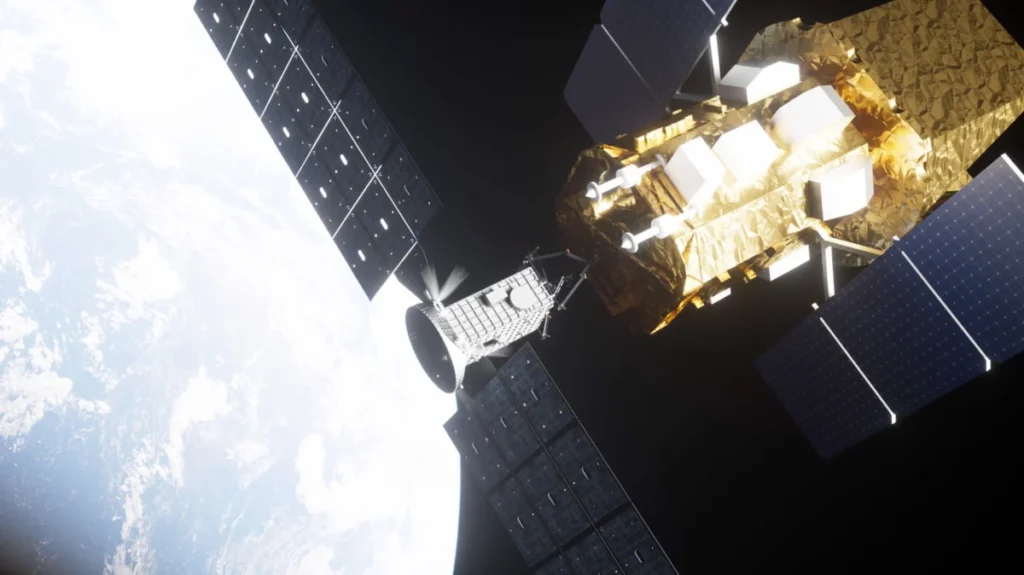
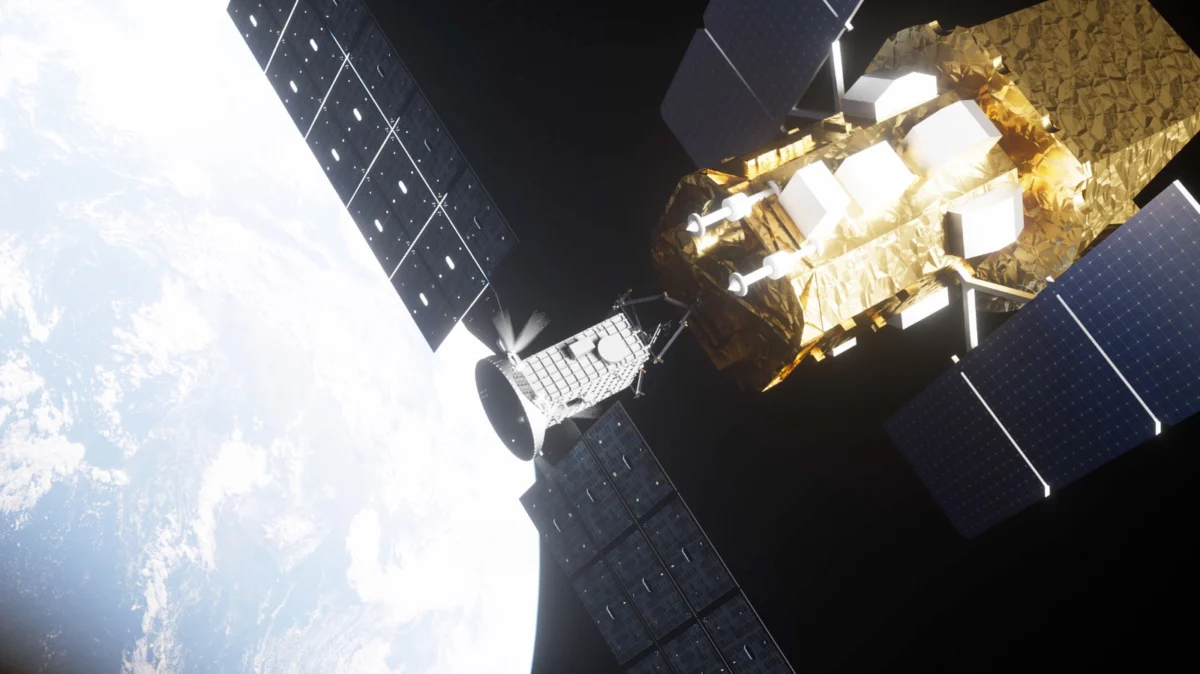
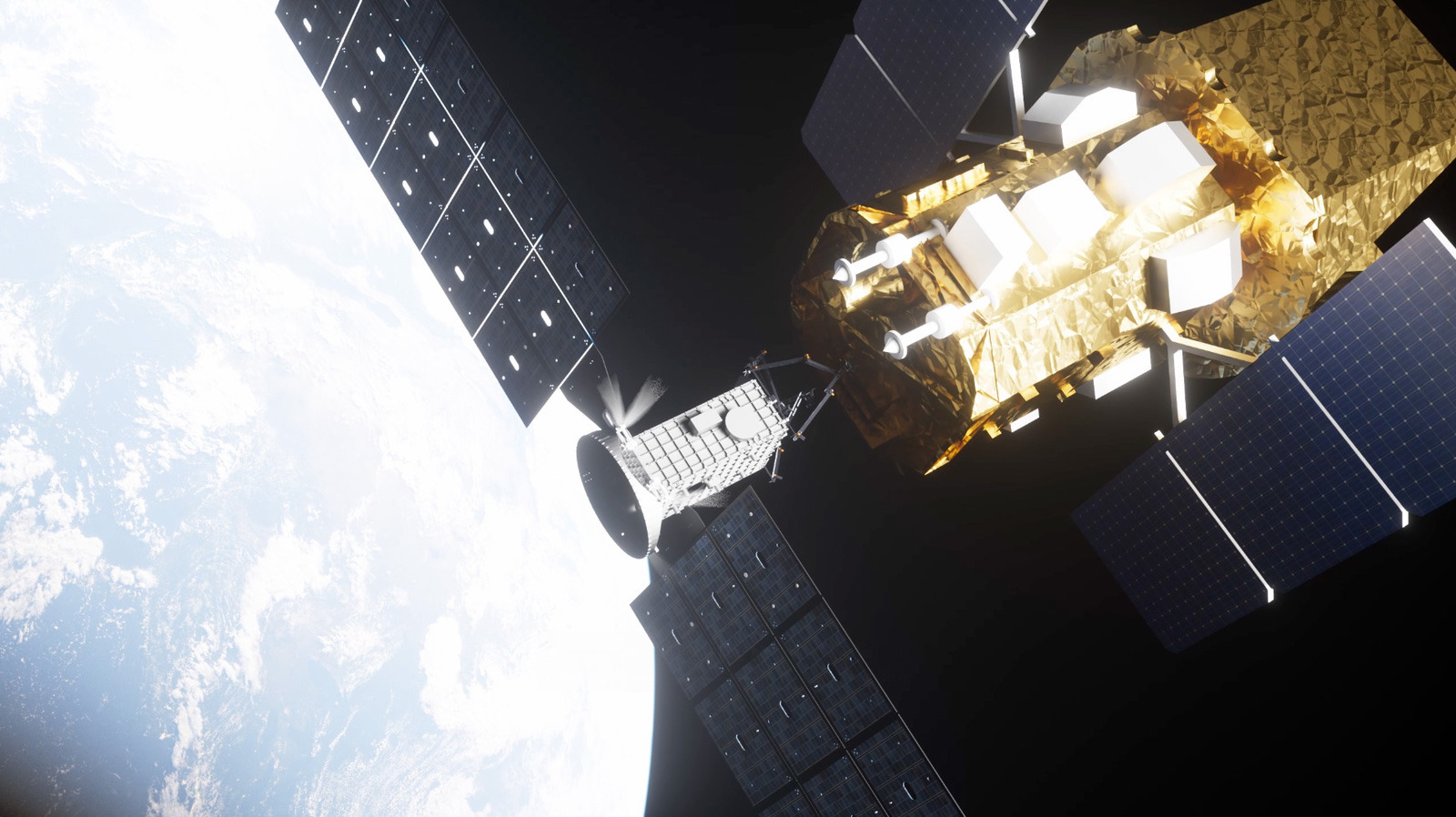
In an unprecedented display of orbital salvage, NASA has successfully launched a daring rescue mission aimed at saving one of the most prolific tools in the study of high-energy astrophysics. The Neil Gehrels Swift Observatory, a cornerstone of cosmic research for over two decades, has been experiencing a rapid orbital decay due to increased solar activity. To prevent the telescope from burning up in the Earth’s atmosphere, NASA has deployed "LINK," a specialized robotic spacecraft designed to physically dock with the observatory and boost it into a stable, higher orbit.
The mission, dubbed the Swift Boost, marks a significant shift in space exploration: moving from a model where aging hardware is left to perish to an era of active orbital maintenance and life-extension.
The Launch: An Airborne Engineering Marvel
The mission successfully commenced on July 3, 2026, at 4:36 AM Eastern Time from the Marshall Islands. Unlike traditional ground-based vertical launches, the deployment of the LINK spacecraft was a feat of aerial precision.
The rescue craft was securely mounted to a Northrop Grumman Pegasus XL rocket, which was carried into the stratosphere by a specialized carrier aircraft known as Stargazer. Upon reaching an altitude of approximately 40,000 feet over the Pacific Ocean, the Stargazer released the Pegasus XL. Following a brief period of freefall, the rocket’s engines ignited, propelling the LINK spacecraft into low-Earth orbit.
This "air-launch" method provides NASA with a flexible, mobile launch platform, allowing the agency to target specific orbital inclinations with greater precision. Shortly after reaching orbit, ground control teams confirmed that they had established a stable communication link with the robotic craft—the mission’s first critical success.
Chronology: The Road to Retrieval
The path to this rescue mission was necessitated by a harsh reality: the sun’s recent, volatile cycle.
- Pre-2026: The Neil Gehrels Swift Observatory continues to provide invaluable data on gamma-ray bursts, having operated well beyond its original design life.
- Early 2026: Increased solar activity causes the Earth’s upper atmosphere to heat up and expand. This increased density creates greater drag on the Swift Observatory, accelerating its descent toward Earth.
- April-May 2026: NASA engineers conclude that without intervention, the telescope will likely re-enter the atmosphere and disintegrate by the end of the year.
- June 2026: Final preparations are made for the launch of the LINK spacecraft, a custom-engineered solution developed by the Arizona-based firm Katalyst Space.
- July 3, 2026: The Swift Boost mission launches from the Marshall Islands, successfully deploying the LINK craft into orbit.
- July 2026 (Upcoming): LINK undergoes rigorous diagnostic testing of its propulsion and navigation sensors.
- August–October 2026: LINK performs the rendezvous, docking, and the subsequent multi-week boost maneuver to raise the observatory to an altitude of 370 miles.
Technical Specifications: How LINK Will Save Swift
The rescue effort relies on the sophistication of the LINK spacecraft. Developed by Katalyst Space, the vehicle is essentially a "robotic tugboat" designed to perform rendezvous and proximity operations (RPO) with non-cooperative or aging assets.
The Docking Maneuver
Once LINK completes its initial health check—assessing its navigation systems and propulsion hardware over the coming weeks—it will initiate the intercept phase. The process of capturing a telescope in space is a delicate dance. LINK is equipped with three specialized robotic arms designed to interface with the Swift Observatory.
The Boost Phase
After a secure mechanical connection is established, LINK will initiate a series of precise burns. The goal is to raise the current orbital altitude to a stable 370 miles. This maneuver is expected to be a gradual process, spanning 10 to 12 weeks. By moving the observatory to this higher altitude, NASA expects to extend the life of the telescope by at least a decade, effectively doubling its total scientific contribution.
Supporting Data: Why Swift Is Worth Saving
The Neil Gehrels Swift Observatory is not just another piece of space junk; it is arguably one of the most important "first responders" in the history of astronomy. Its primary mission involves the detection and analysis of gamma-ray bursts (GRBs)—the most powerful explosions in the universe.
The Science of Destruction
Brad Cenko, the principal investigator for the Swift mission, notes that GRBs are "short-lived flashes of high-energy light that release more energy in just a few seconds than the sun will in its entire lifetime." These events are triggered by the most cataclysmic phenomena in the cosmos, such as the collapse of massive stars or the violent collision of binary neutron stars.
The "Gold" Standard
Data harvested by Swift has revolutionized our understanding of nucleosynthesis. Astronomers have confirmed that these cosmic explosions are the furnaces where the heaviest elements in the periodic table are forged. When a star explodes or neutron stars merge, the intense pressure and heat create elements such as platinum and gold. As Cenko famously noted, the gold in the jewelry we wear today likely originated in these violent stellar environments.
The Cosmic Dispatcher
Beyond its role in fundamental physics, Swift acts as a vital "dispatcher." Because it is positioned in space, it is immune to the atmospheric interference that plagues ground-based telescopes. When a sudden cosmic event occurs, Swift is often the first to detect it and automatically alerts other observatories—both space-based and ground-based—to pivot their instruments toward the target within seconds. This rapid-response capability is irreplaceable.
Official Responses and Strategic Implications
NASA’s decision to rescue Swift signifies a major shift in space policy. Historically, once a satellite reached the end of its life, it was simply abandoned. However, as the orbital environment becomes increasingly crowded, the ability to perform "in-space servicing" has become a strategic priority.
A New Paradigm for Space Sustainability
By opting to rescue the observatory rather than letting it fall, NASA is setting a precedent for the commercial space sector. The use of a commercial partner like Katalyst Space demonstrates the agency’s commitment to fostering a market for "space logistics"—services that include refueling, repairing, and boosting existing satellites.
"We are entering an age where the lifespan of an asset is no longer dictated solely by its fuel reserves," says a NASA spokesperson. "By extending the mission of a high-value asset like Swift, we save hundreds of millions of dollars in development costs for a replacement while keeping our scientific output uninterrupted."
Looking Ahead: The Future of Orbital Maintenance
As the mission progresses through the next three months, the global scientific community will be watching closely. If LINK succeeds in docking and boosting the Swift Observatory, it will provide a proof-of-concept that could transform how we manage low-Earth orbit.
If the maneuver is successful, the Swift telescope will continue its vigil, scanning the heavens for the next decade. It will continue to provide the data necessary to understand the birth of elements, the death of stars, and the fundamental mechanics of the universe.
The success of the Swift Boost mission serves as a poignant reminder that in the vast, unforgiving vacuum of space, human ingenuity—and a little bit of robotic help—can keep the light of discovery burning for years longer than anyone dared to imagine. As the LINK spacecraft closes the distance to its target, it carries with it not just the weight of a telescope, but the future of modern high-energy astrophysics.