Nostalgia in Four Shades: Inside the Success of the GB Pixel Art Jam 2024
The digital landscape is often defined by the push for hyper-realism and high-fidelity graphics. Yet, for a dedicated community of creators, the most compelling canvas remains the humble, monochromatic screen of the 1989 Nintendo Game Boy. Recently, the itch.io platform concluded its annual GB Pixel Art Jam 2024, an event that challenged digital artists to push the boundaries of extreme technical constraint. With 378 unique submissions, the event serves as a testament to the enduring creative power of retro-inspired aesthetics.
Main Facts: The Art of Constraint
The GB Pixel Art Jam 2024 is not merely an exercise in nostalgia; it is a rigorous design challenge. Participants are tasked with creating original pixel art that adheres to the strict technical architecture of the original Game Boy hardware. This includes the famous four-shade palette, a 160×144 resolution, and the specific tile-based limitations that defined portable gaming for a generation.
By stripping away the ability to use complex lighting engines, infinite color palettes, or high-resolution textures, the jam forces creators to master the fundamentals of visual storytelling. Clarity, composition, and "pixel-perfect" placement become the primary vehicles for expression. The event has successfully grown into a cornerstone of the pixel art community, drawing in both veteran digital illustrators and newcomers eager to test their mettle against the limitations of 8-bit architecture.
Chronology of the Jam
The 2024 iteration of the jam followed a structured timeline designed to encourage iterative development and community feedback.
- The Announcement: The event was formally introduced to the itch.io community, setting the stage for artists to begin conceptualizing their work.
- The Submission Period: Over several weeks, the jam portal saw a steady influx of submissions. Unlike traditional game jams that prioritize mechanics or coding, this event functioned as a digital gallery, with artists uploading static pixel art pieces.
- The Peak: As the deadline approached, the submission volume surged, resulting in a total of 378 entries. This breadth of content showcased a diverse range of themes, from serene coastal landscapes to dark, atmospheric character portraits.
- The Conclusion: Following the closing of the jam, the organizing team initiated the curation process. Currently, the community is awaiting the release of a "compiled ROM," a technical feat that will allow users to view the entire gallery of entries on actual Game Boy hardware or emulators.
Supporting Data: A Gallery of Notable Entries
While all 378 submissions contribute to the collective tapestry of the jam, several pieces have emerged as standout examples of how modern artists utilize 8-bit constraints to convey complex emotions and settings.
Featured Works
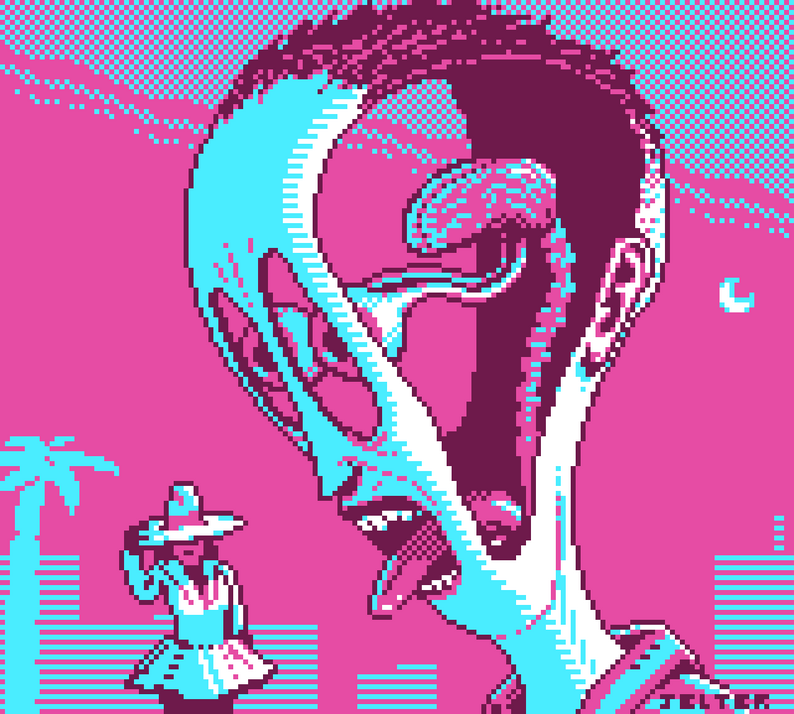
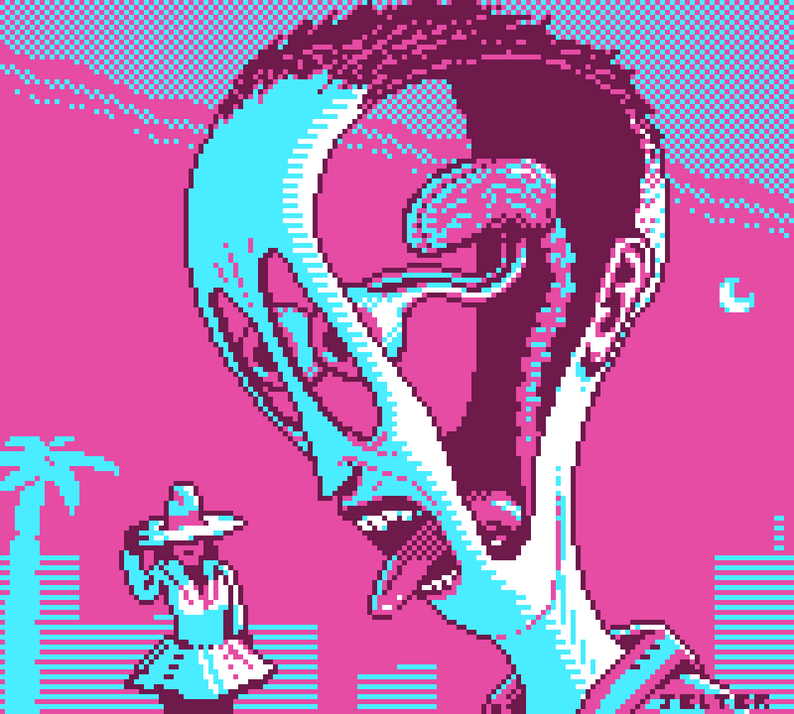
- Malibu Dream by BenJelter: A stunning example of landscape composition, proving that atmospheric perspective can be achieved even with a four-shade palette.
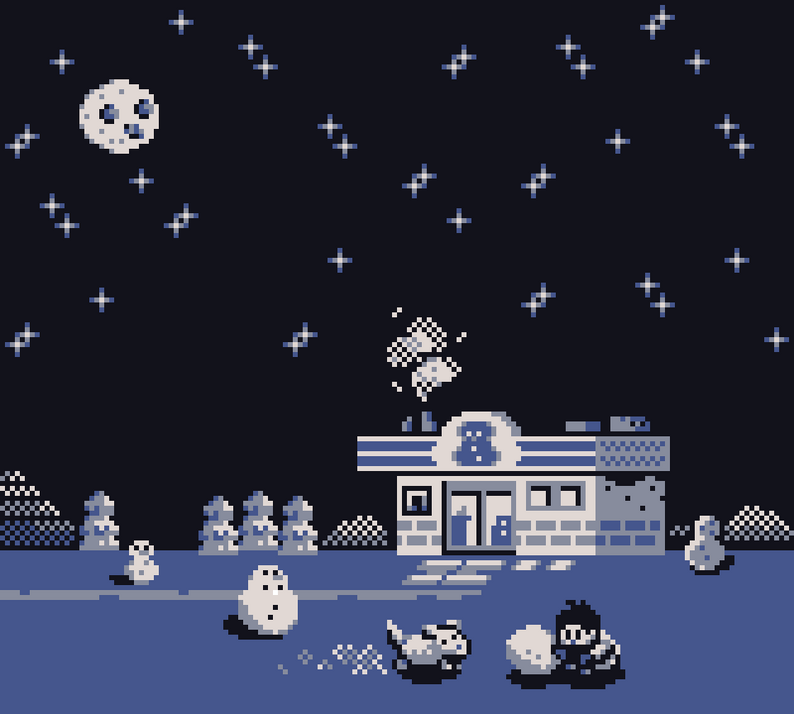
- Night time at Snowball Conbini by howdy riceball: This piece utilizes high-contrast pixels to create a cozy, nocturnal atmosphere, evoking the feeling of a late-night urban convenience store.
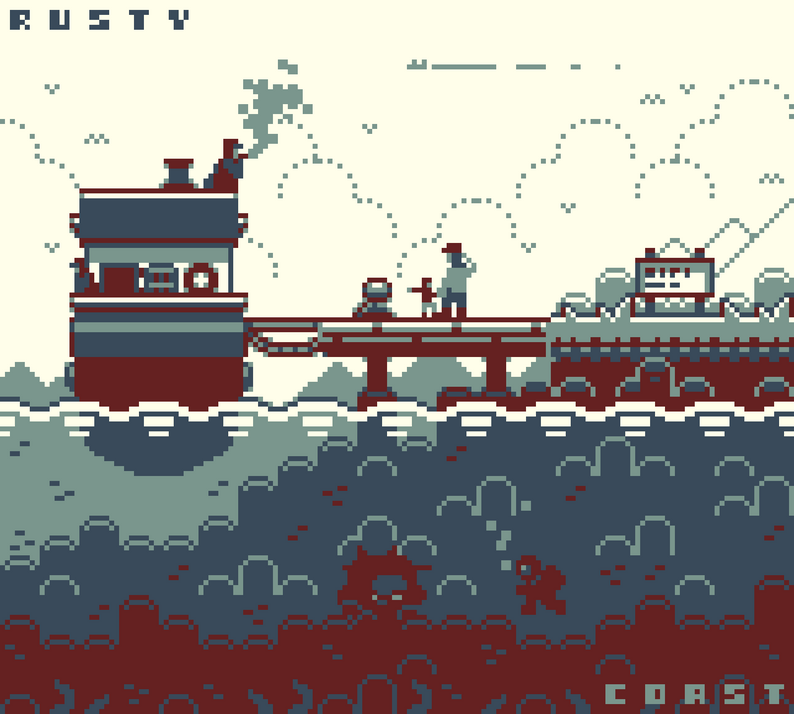
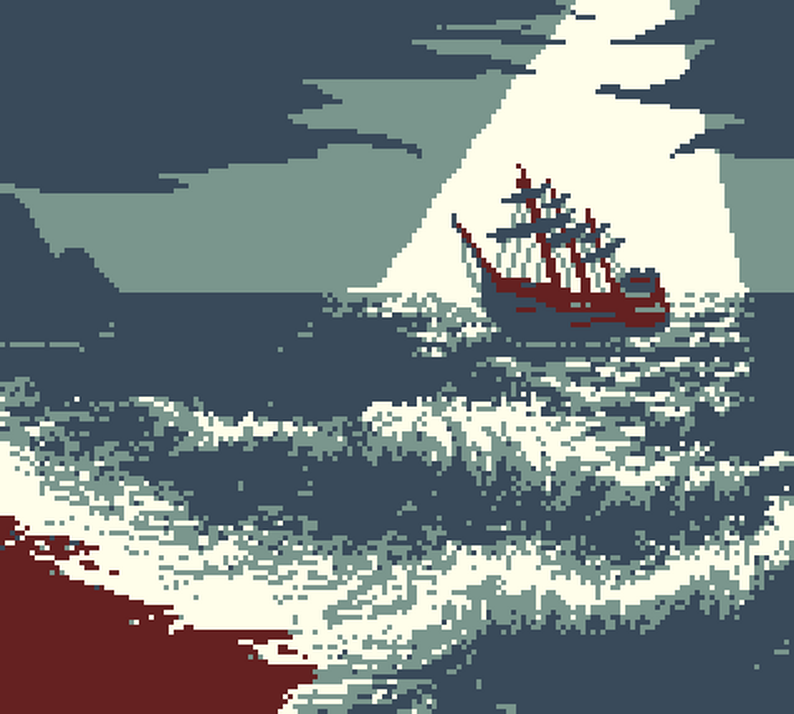
- Rusty Coast by Birds Probably: A masterclass in "dithering"—a technique used to create the illusion of depth and texture in limited-color environments.
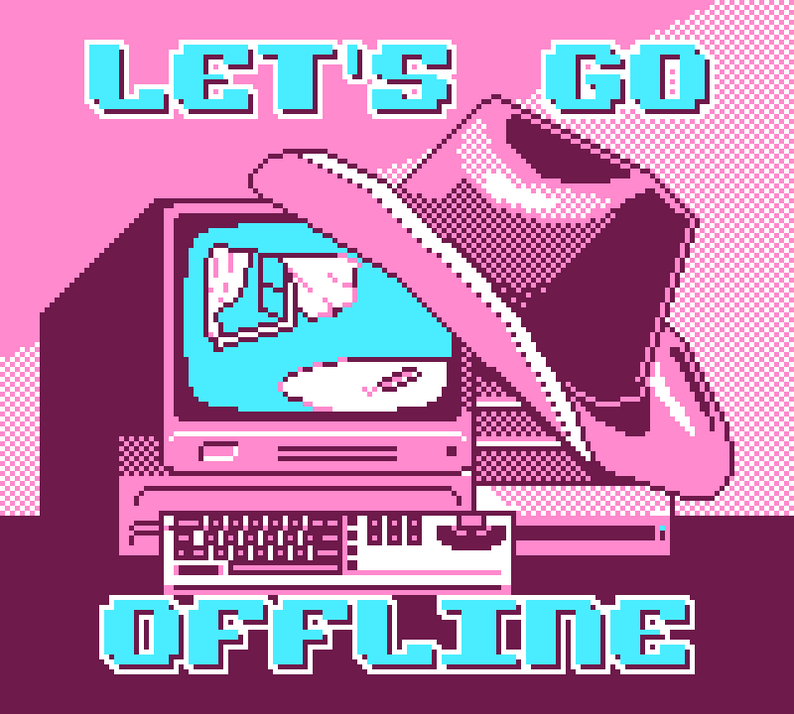
- Let’s Go Offline by Robert Doman: A meta-commentary on the digital age, rendered with the precise, sharp edges characteristic of classic hardware.
- A Lament for Forgotten Souls by Annagmo: This piece demonstrates how the Game Boy’s limitations can be leveraged to create haunting, gothic imagery.
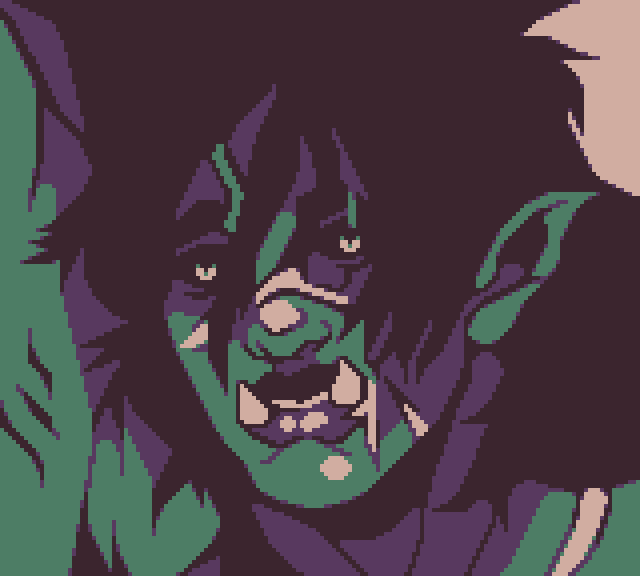
- Aren, Orc Warrioress by Rohezk: A high-detail character portrait that showcases the expressive potential of limited-pixel character sprites.
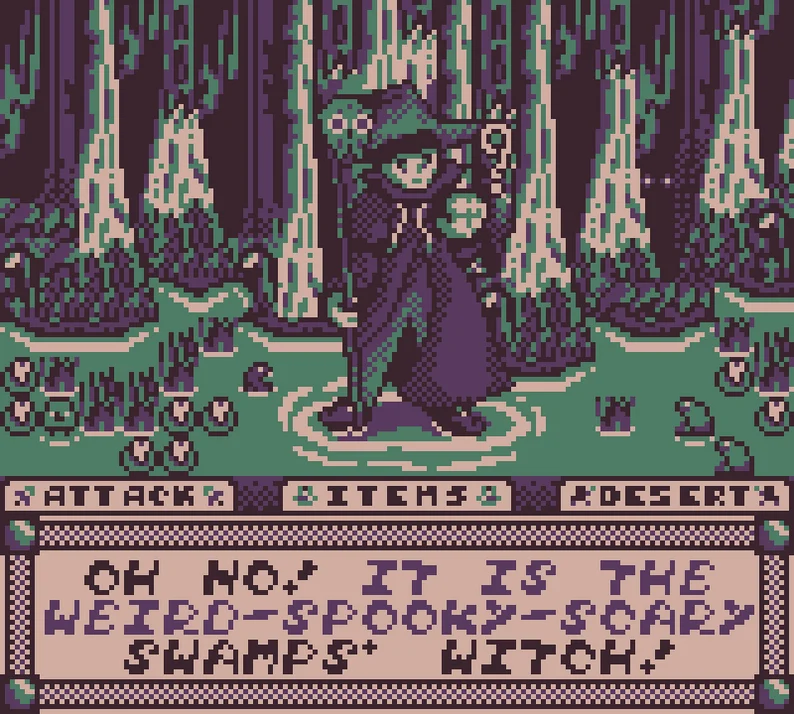
- Swamps’ witch by BifStek: A whimsical yet dark fantasy scene that highlights the effectiveness of simple, bold silhouettes.
These works, along with hundreds of others, confirm that the "GB aesthetic" is not a static style, but a living language that continues to evolve.
Official Perspectives and Community Impact
The itch.io Jam system has become the gold standard for decentralized creative competitions. By providing a streamlined interface for submissions, feedback, and peer-to-peer appreciation, itch.io has empowered artists to bypass traditional publishing gatekeepers.
The organizers of the GB Pixel Art Jam 2024 noted that the success of this year’s event was driven by the sheer variety of the submissions. "We’re always impressed with the wide range of events people have used our Jams feature for," the platform stated in an official announcement. By fostering an environment where artists can engage with technical history, the jam effectively bridges the gap between the limitations of the past and the sophisticated workflows of the present.
Implications for Digital Art and Game Design
The implications of the GB Pixel Art Jam extend far beyond the duration of the event. The surge in interest in retro-constrained art reflects a broader cultural trend: the "demake" movement.
The Return to Fundamentals
In an era where modern gaming engines allow for photorealistic graphics, the popularity of the GB Pixel Art Jam suggests that developers and artists are seeking a return to design fundamentals. When you cannot rely on high-fidelity rendering, you must rely on:
- Readability: Can the player or viewer identify the subject matter instantly?
- Silhouette: Does the character or object have a recognizable shape?
- Economy of Detail: Every pixel must serve a purpose. This constraint-driven design often leads to more intentional and impactful creative choices.
Preservation and Digital Archaeology
The upcoming compiled ROM of all 378 submissions is a significant act of digital archaeology. By packaging modern digital art into a file format that functions on 1989 hardware, the jam participants are essentially keeping the Game Boy "alive." This encourages a form of community-driven preservation where new content is constantly generated for legacy hardware, ensuring that these machines remain relevant to contemporary creators.
The Role of Community Jams
The success of this jam highlights the changing nature of the "creative studio." In the past, artistic movements were localized to physical schools or cities. Today, a global community can congregate on a platform like itch.io, share techniques, and collaborate on a massive, unified project within weeks. The Jam system serves as a digital town square, fostering a culture of mutual improvement. Participants do not just submit work; they review, comment, and share, creating a feedback loop that accelerates the development of individual skill sets.
Conclusion: Looking Forward
The GB Pixel Art Jam 2024 has effectively demonstrated that the Game Boy’s aesthetic is not a relic of a bygone era, but a robust and versatile medium for modern expression. As the community waits for the final compiled ROM, the event stands as a reminder that constraints do not stifle creativity; rather, they demand innovation.
For those interested in exploring the full breadth of the entries, the complete collection of 378 submissions remains accessible. Whether you are a seasoned pixel artist looking to refine your craft or a curious onlooker interested in the intersection of retro technology and modern art, the work on display offers a compelling glimpse into what is possible when we look back to look forward.
As the itch.io team continues to support these diverse creative events, one thing is clear: the spirit of the 8-bit era is stronger than ever. The challenge for future participants will not just be to replicate the past, but to continue finding new, imaginative ways to paint with only four colors. If this year’s submissions are any indication, the future of pixel art is as vibrant and limitless as ever, despite its monochrome roots.