Beyond the Dashboard: Navigating the Evolution of Kubernetes Management
By Will Case (Headlamp)
Monday, June 01, 2026
For nearly a decade, the Kubernetes Dashboard has served as the definitive "first window" into the containerized world. For millions of developers, students, and system administrators, it was the bridge that turned the abstract, complex reality of YAML manifests and CLI commands into a tangible, visual experience. It provided a low-barrier-to-entry onramp that demystified the cluster, turning the daunting task of orchestration into a manageable, point-and-click workflow.
However, as of June 2026, the Kubernetes Dashboard project has officially been archived. While this marks the end of a foundational era in cloud-native tooling, it also represents a pivotal moment for the ecosystem to mature. As the complexity of Kubernetes clusters has scaled—moving from single, isolated environments to sprawling, multi-cloud, and multi-cluster architectures—the need for more robust, extensible, and context-aware interfaces has become undeniable.
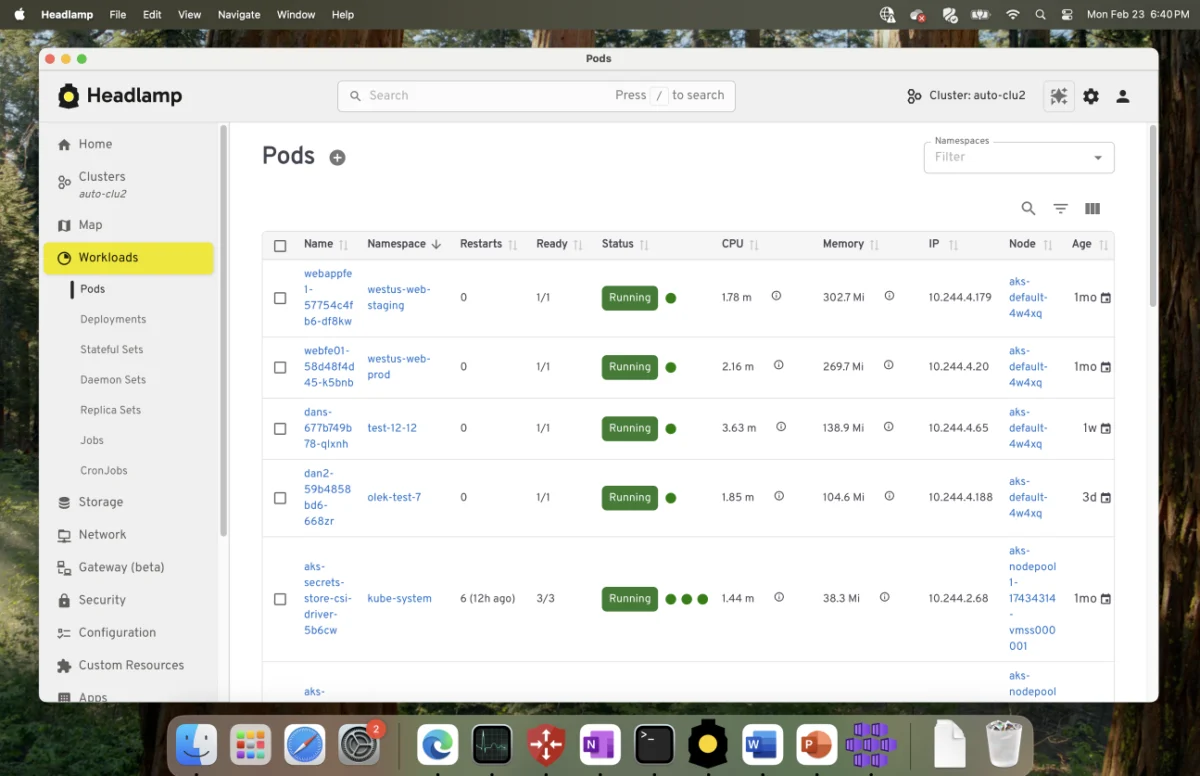
Headlamp, the open-source Kubernetes UI project, is positioning itself as the natural successor to this legacy. By synthesizing the familiar simplicity of the original Dashboard with the advanced requirements of modern DevOps teams, Headlamp is not merely replacing a tool; it is upgrading the standard for cluster visibility.
The Chronology of an Ecosystem Shift
The evolution of Kubernetes management reflects the growth of the technology itself. In the early days (circa 2015–2017), the primary challenge was simply getting a cluster up and running. The Kubernetes Dashboard was designed for this single-cluster, "see-what’s-happening" paradigm.
By 2020, the industry began a rapid transition toward GitOps, multi-cluster management, and sophisticated application lifecycle models. The Dashboard, while reliable, began to hit its architectural limits. It remained largely static, struggling to integrate the complex plugins and modern authentication patterns required by today’s security-conscious enterprises.
In 2026, with the official sunsetting of the Kubernetes Dashboard, the industry is seeing a consolidation toward tools that treat Kubernetes as a platform rather than just a collection of resources. Headlamp’s emergence as the primary migration path is the result of years of community feedback, prioritizing extensibility and a user-first experience that honors the workflows of the past while building for the future.
Supporting Data: Why the Transition Matters
The move to a more modern interface isn’t just about aesthetics; it’s about operational efficiency. According to recent developer experience surveys, Kubernetes practitioners spend approximately 35% of their time navigating resource lists and debugging connectivity between namespaces.
Headlamp addresses this "cognitive load" through several key design pillars:
- Multi-Cluster Context: Where the legacy Dashboard required context-switching or multiple browser windows, Headlamp’s architecture allows for simultaneous oversight of development, staging, and production environments.
- Reduced Friction: By supporting both in-cluster and desktop-native deployments, teams can standardize their UI experience across local development machines and production management planes.
- Plugin Extensibility: The modern stack requires more than just resource viewing. With integrations like Flux for GitOps and AI-driven troubleshooting assistants, Headlamp transforms from a passive viewer into an active diagnostic tool.
Mapping the Workflow: Continuity and Growth
A primary concern for any organization migrating from a long-standing tool is the "learning curve." If an engineering team has spent five years relying on the Kubernetes Dashboard, a complete UI overhaul could be detrimental to velocity.
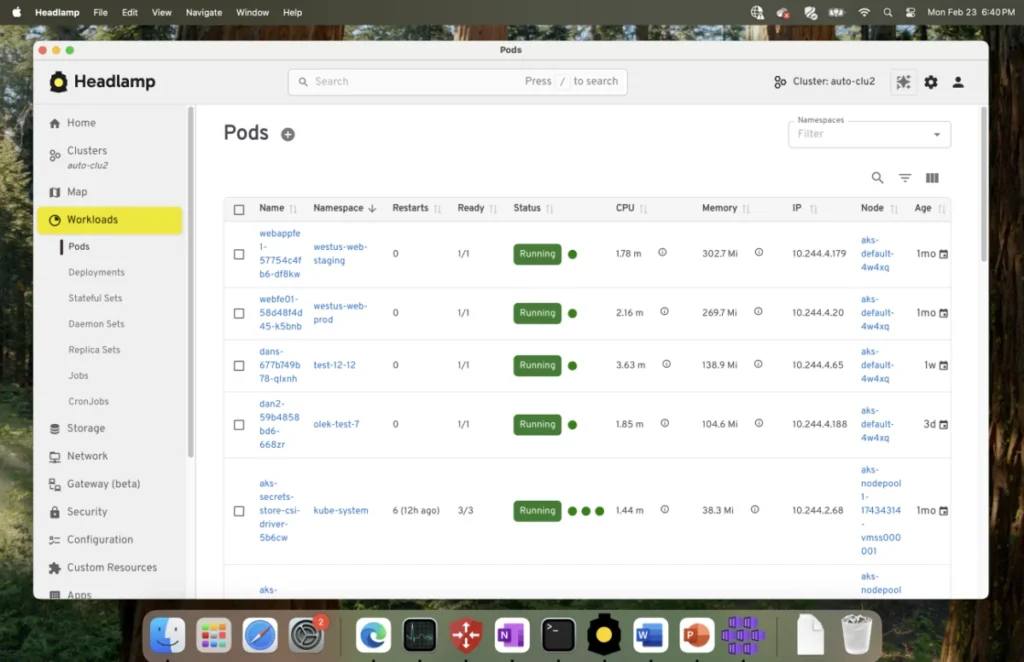
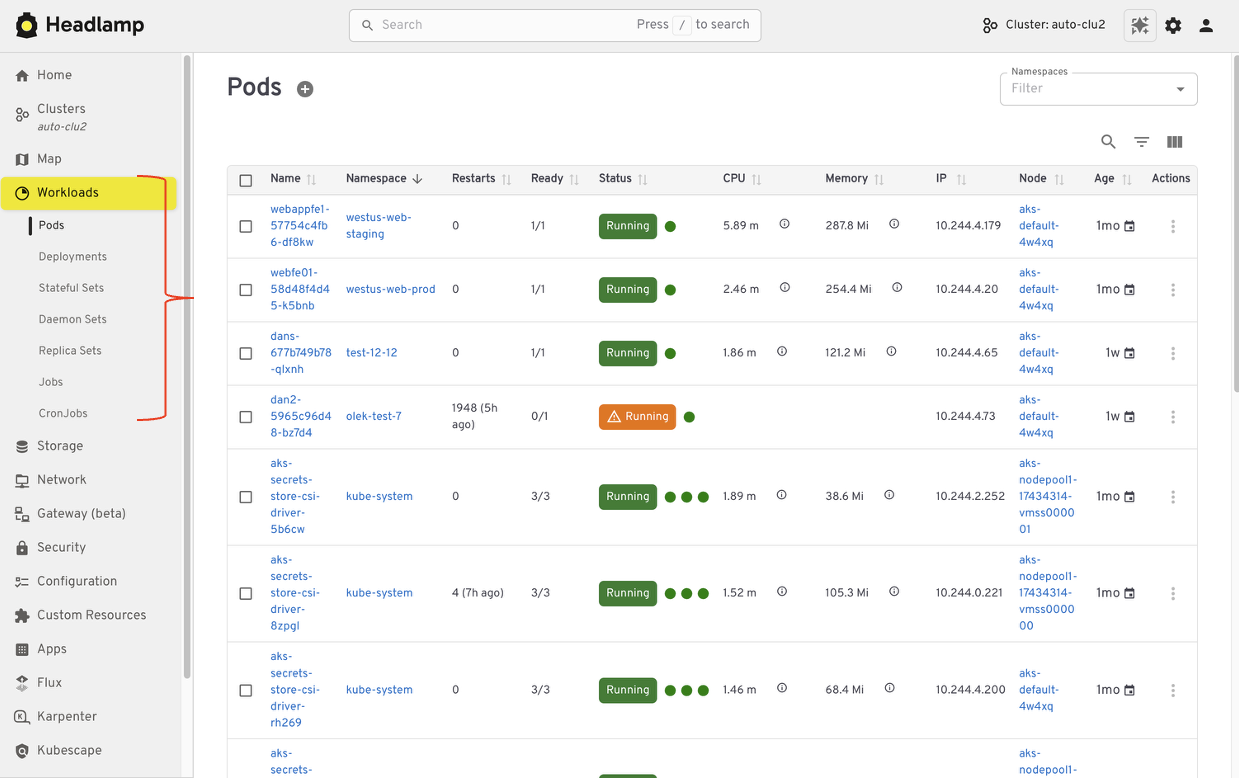
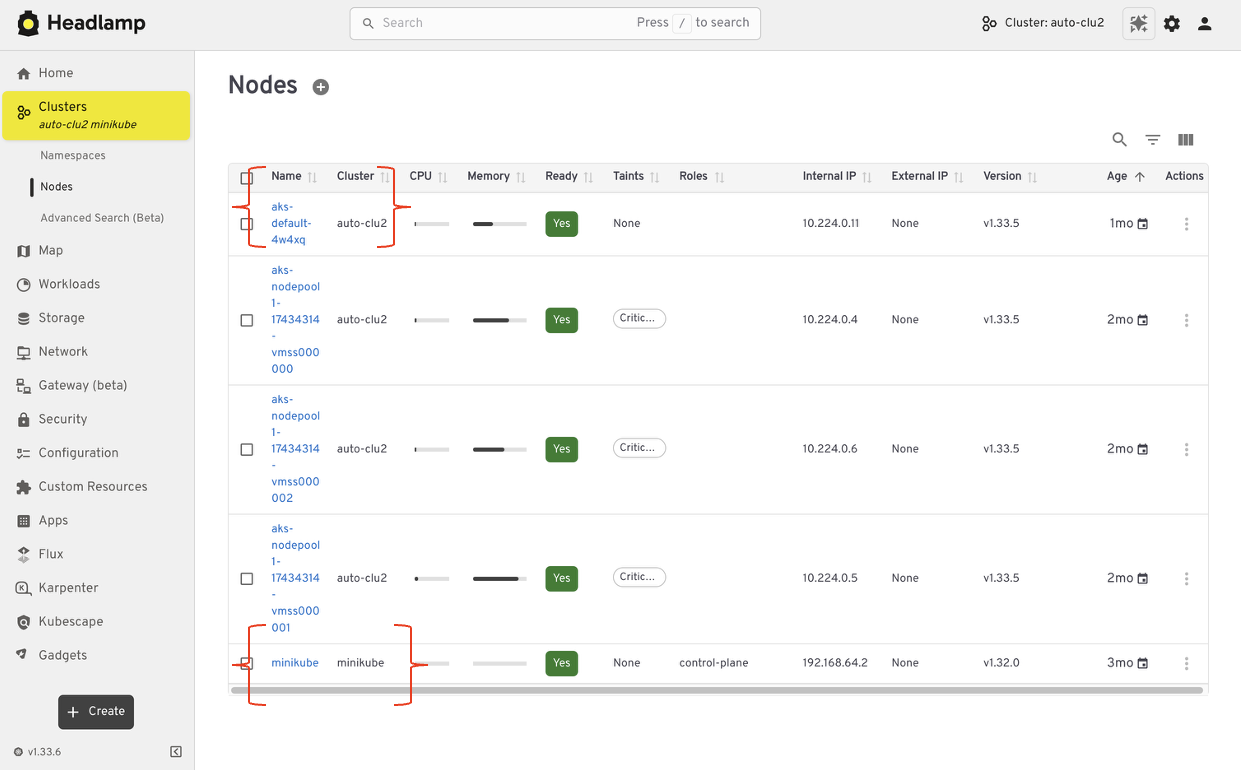
Headlamp’s design philosophy is rooted in continuity. When a user logs into Headlamp for the first time, they find their resources—Pods, Deployments, Services, and Namespaces—exactly where they expect them to be.
Viewing and Interacting with Resources
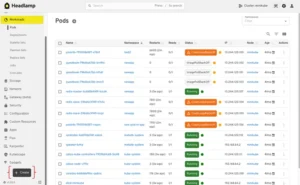
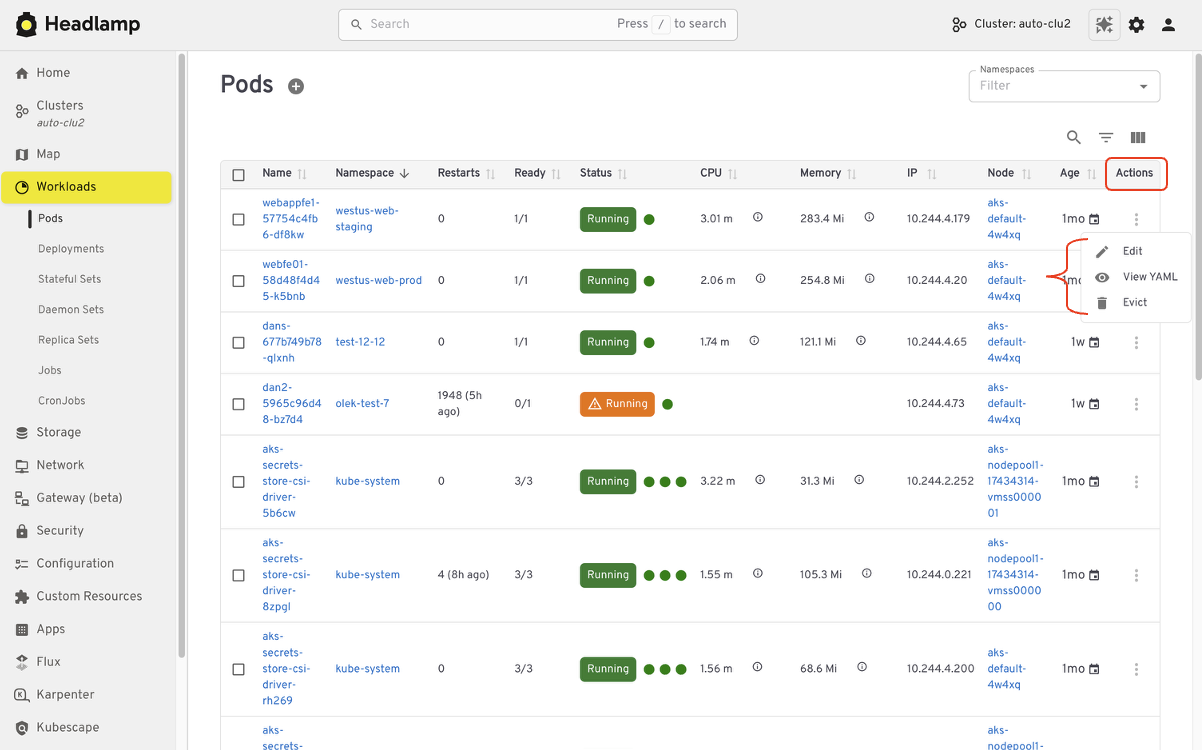
The basic mechanics remain unchanged. If you could view a pod’s logs, scale a deployment, or edit a YAML manifest in the Dashboard, you can do exactly the same in Headlamp. The tool adheres strictly to standard Kubernetes RBAC (Role-Based Access Control). If your user account has permission to delete a resource in the cluster, that permission is recognized and honored by Headlamp’s interface. There is no "new way" to manage your permissions; the underlying logic of the cluster remains the source of truth.
Understanding Complex Relationships
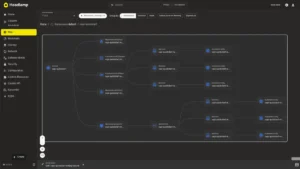
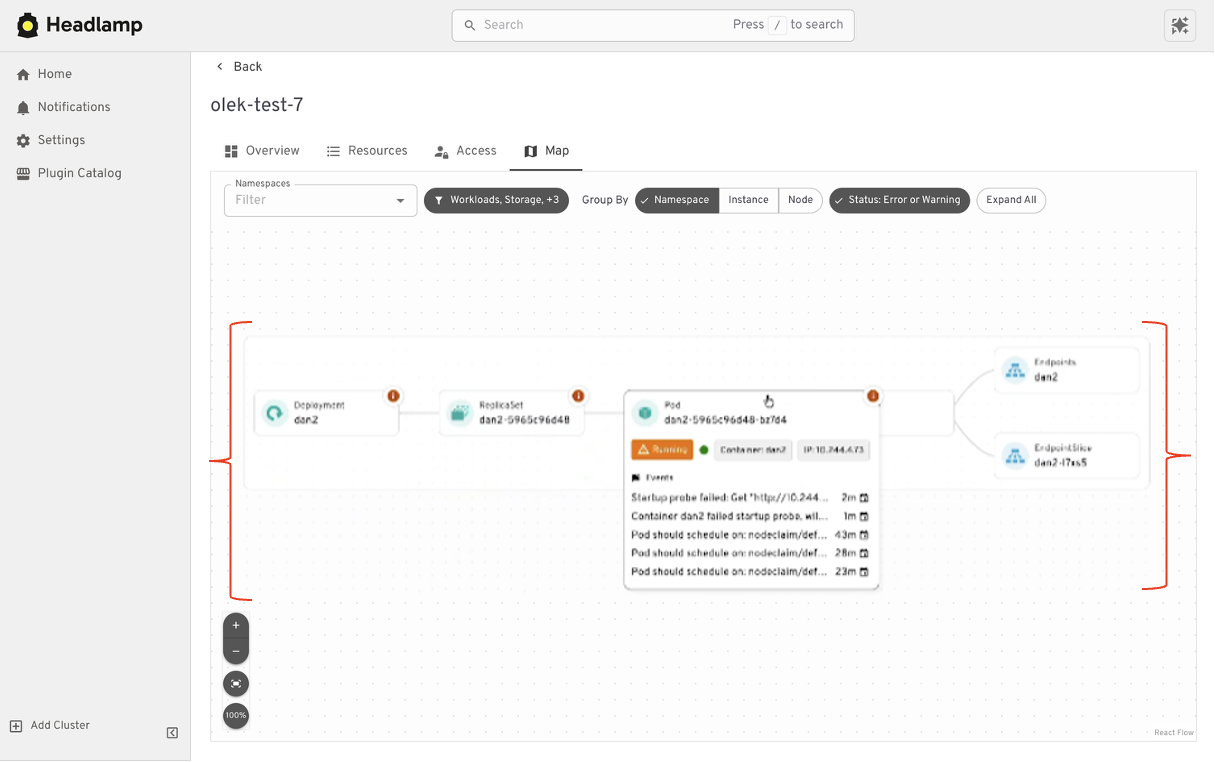
The "upgrade" becomes apparent when moving beyond basic list views. Headlamp introduces visual relationship mapping. Instead of clicking through five different resource types to understand why a pod is failing, Headlamp provides a contextual view that connects the pod to its service, its ingress, and its underlying configuration. This reduces the time-to-resolution during outages by providing the "big picture" alongside the specific resource details.
Beyond the Dashboard: Modern Features
The shift to Headlamp is defined by three major advancements that were largely absent from the original Dashboard project.
1. The Power of "Projects"
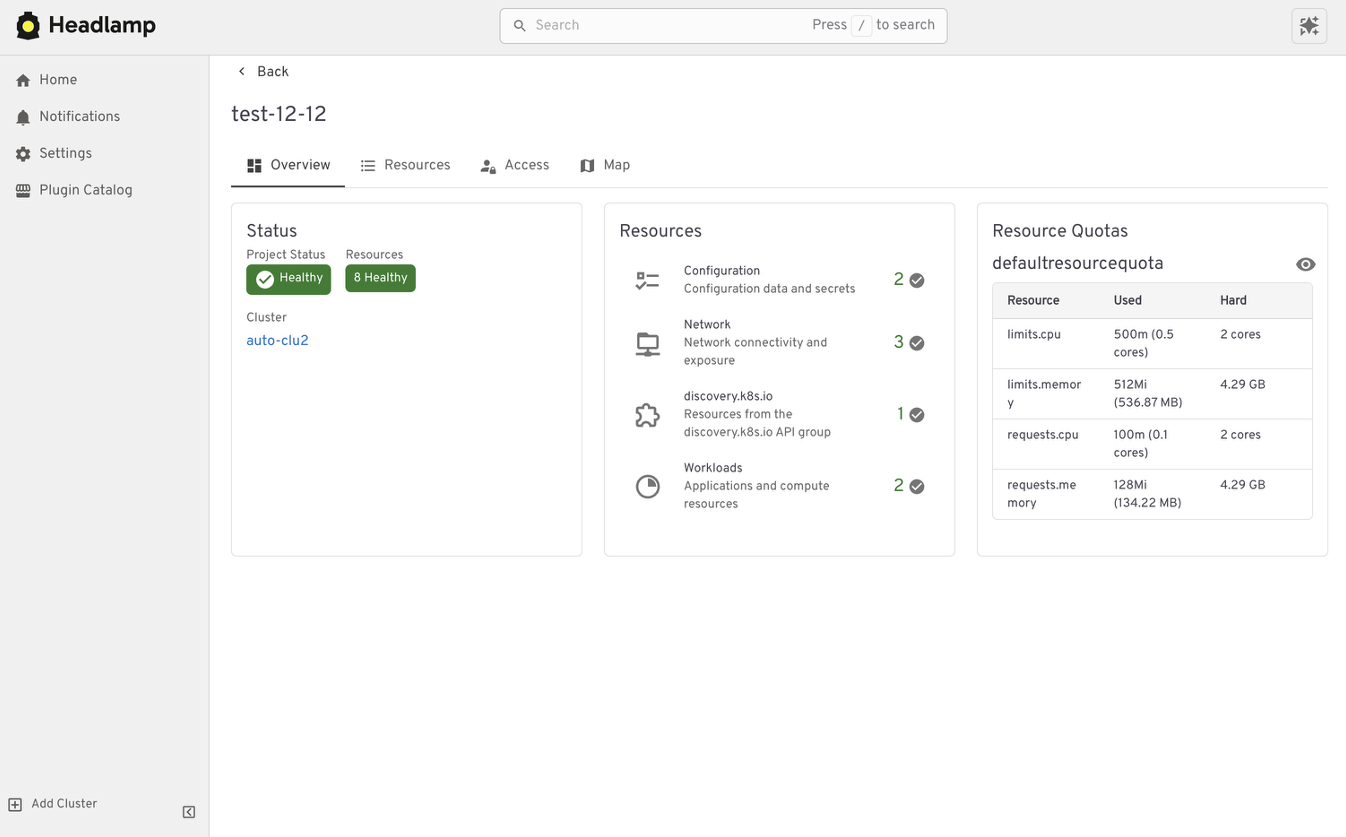
The most significant departure from the traditional resource-centric view is the concept of Projects. In standard Kubernetes, resources are often scattered across various namespaces and labels. Projects allow teams to aggregate these disparate elements into a logical application view. This is a game-changer for platform engineers, as it allows them to see the state of an entire application—including databases, frontends, and networking—at a glance.
2. The Plugin Ecosystem
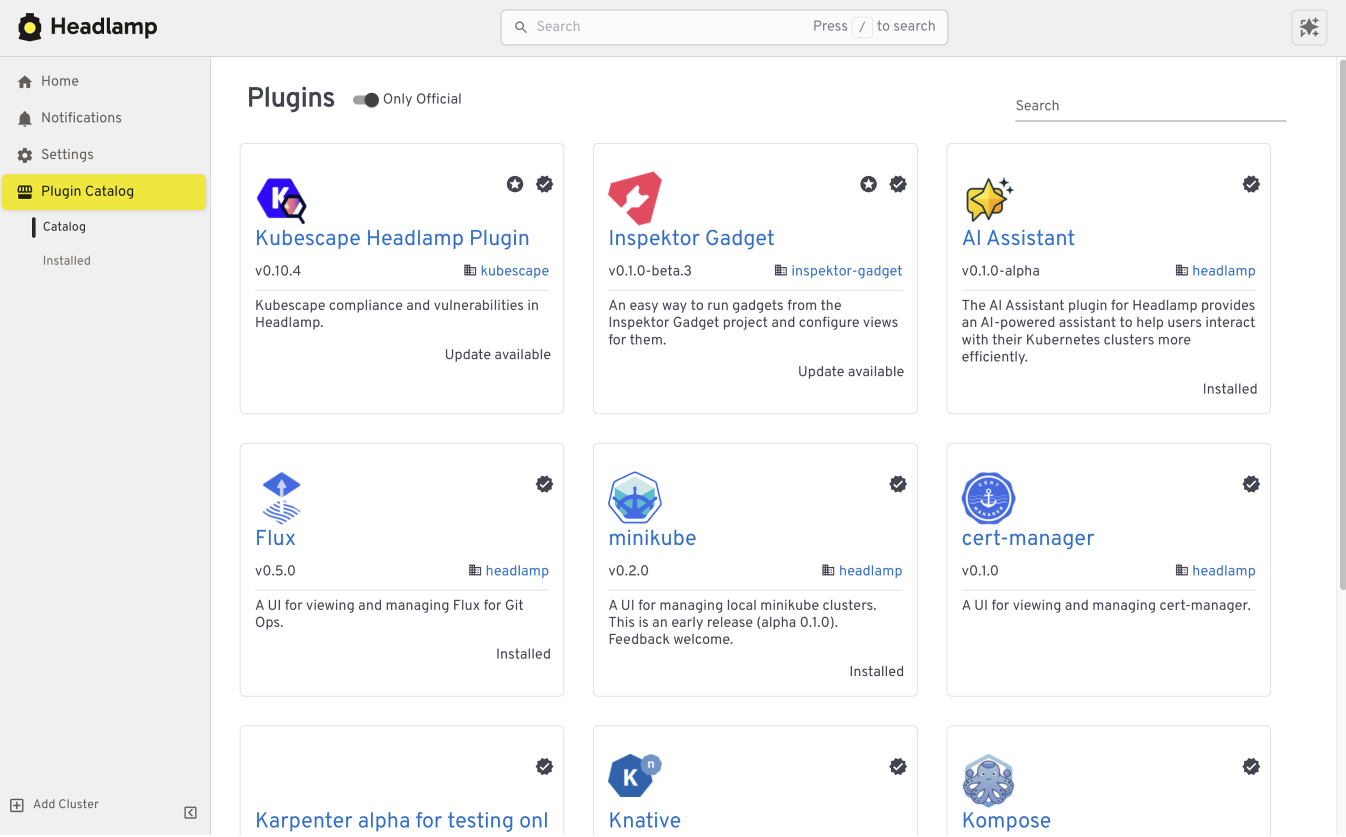
Perhaps the most powerful feature of Headlamp is its extensibility. The community can build plugins that inject custom workflows directly into the UI.
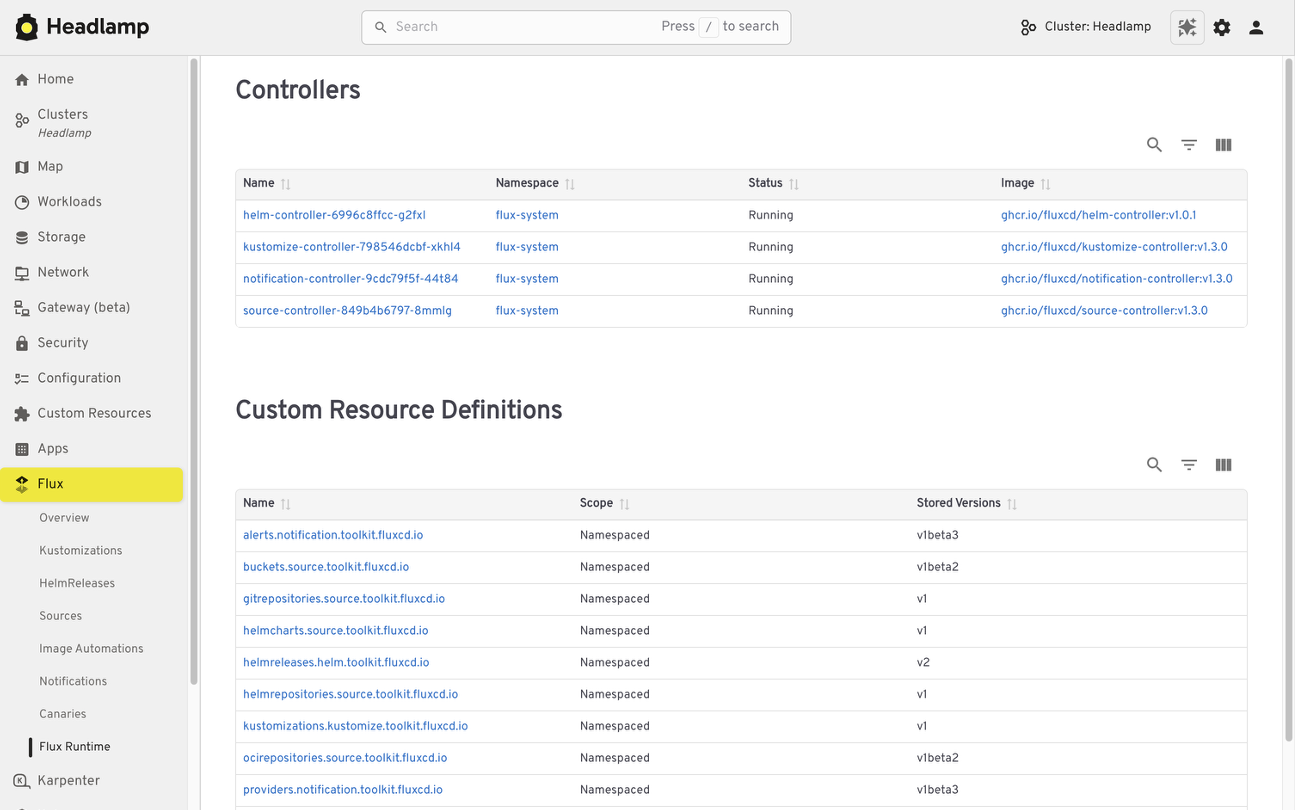
- GitOps Integration: The Flux plugin allows users to see their Git repository status alongside their live cluster state.
- AI Assistants: Newer plugins offer conversational debugging, where the UI can suggest fixes for common errors (like
CrashLoopBackOff) based on the logs it sees in real-time.
3. Flexible Deployment Models
Headlamp recognizes that developers work in different environments. For a team needing a shared, centrally governed interface, Headlamp can be deployed in-cluster, mirroring the traditional Dashboard’s setup. For the individual developer working on a laptop, the desktop application provides a local, secure window into any cluster accessible via their kubeconfig.
Official Perspective: Honoring the Legacy
The archival of the Kubernetes Dashboard is a testament to the success of the open-source model. It did exactly what it was meant to do: it brought Kubernetes to the masses.
In a statement regarding the project’s transition, maintainers emphasized that the goal of the archival was to ensure that users are directed toward modern, well-maintained tools that can support the next generation of cloud-native development. "The Dashboard taught us how to talk to our clusters," notes the project documentation. "Headlamp is here to help us listen to what they are telling us."
Implications for Your Organization
As your organization plans its migration, the transition should be viewed as an opportunity to audit your operational workflows.
Steps for a Successful Transition:
- Inventory Your Workflows: Document the specific actions your team performs most frequently in the legacy Dashboard.
- Map to RBAC: Ensure that your existing service accounts and kubeconfigs are ready for a direct import into the Headlamp desktop app.
- Explore the Plugin Catalog: Identify the "pain points" in your current process. If your team struggles with GitOps synchronization, prioritize the installation of the Flux plugin early.
- Phased Rollout: Begin by introducing the Headlamp desktop app to power users, then gradually move to an in-cluster deployment for broader team access.
The transition from the legacy Kubernetes Dashboard to Headlamp is not merely an installation task; it is a shift in mindset. It is a move away from the "static list" era of Kubernetes management and toward an era of integrated, intelligent, and context-aware cluster operations.
For teams looking to get started, the headlamp.dev documentation provides a comprehensive library of resources, including a forthcoming step-by-step migration guide designed to make the transition as seamless as possible. By embracing these modern tools, organizations can ensure that their Kubernetes management keeps pace with the increasing sophistication of their software delivery pipelines.
The dashboard may be archived, but the need for clear, visual, and powerful Kubernetes management is more vital than ever. Welcome to the next chapter.