What’s !important: The Evolution of Modern CSS and Web Standards (Edition #18)
As the seasonal shift brings a cooler breeze, the world of CSS development is heating up with a flurry of new specifications, browser implementations, and developer tooling. This 18th edition of What’s !important dives into the most significant updates from the last fortnight, exploring how these changes are reshaping the way we build, style, and interact with the web. From the nuanced management of UI tooltips to the ambitious proposal of new CSS selectors, we are witnessing a period of rapid maturation for the web platform.
Main Facts: A Paradigm Shift in Web Interactivity
The current landscape of web development is characterized by a push toward "native" browser solutions for problems that previously required heavy JavaScript libraries. We are seeing a significant transition from manual state management to browser-native handling of common UX patterns.
The primary highlights of this update include:
- The Rise of Interest Invokers: Moving beyond simple hover states to sophisticated, performance-oriented UI triggers.
- The Geolocation Element: Bridging the gap between legacy API complexity and modern declarative HTML.
- Native Syntax Highlighting: Leveraging the Custom Highlight API to replace heavy third-party scripts.
- CSS Grid Introspection: Unlocking the ability to map grid coordinates into custom properties, enabling reactive layout behaviors.
- Proposed Selectors and Queries: The potential introduction of class prefix selectors and
named-feature()for more robust feature detection.
Chronology of Developments
The Tooltip Dilemma: Delay and Instantaneous Action
The fortnight began with a vital discussion on UI ergonomics. Abhishek Jakhar initiated a deep dive into why tooltips should operate on a "delayed-then-instant" model. The logic is simple yet profound: an immediate tooltip can clutter the interface during rapid mouse movement, while a delayed tooltip ensures the user intends to interact with an element. However, once the tooltip is active, subsequent interactions should be near-instantaneous to maintain responsiveness.
Chris Coyier expanded on this with a modern implementation using "interest invokers." By utilizing interest-delay-start and interest-delay-end, developers can now offload the timing logic to the browser engine. While current support is limited to Chrome, this is a quintessential example of progressive enhancement.
Geolocation: From API Friction to Native HTML
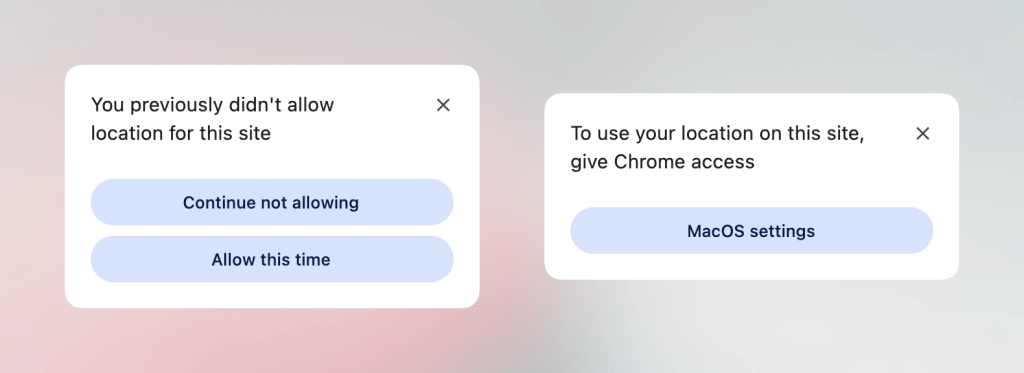
The Geolocation API has historically been a headache for developers due to the fragmented nature of hardware sensors (GPS, Wi-Fi, cell towers). The introduction of the <geolocation> element attempts to standardize this. While it introduces new styling constraints, it simplifies the permission lifecycle. Experts are currently navigating the transition period, using the new element alongside the legacy API to ensure cross-browser stability.
The MicroLighter Revolution
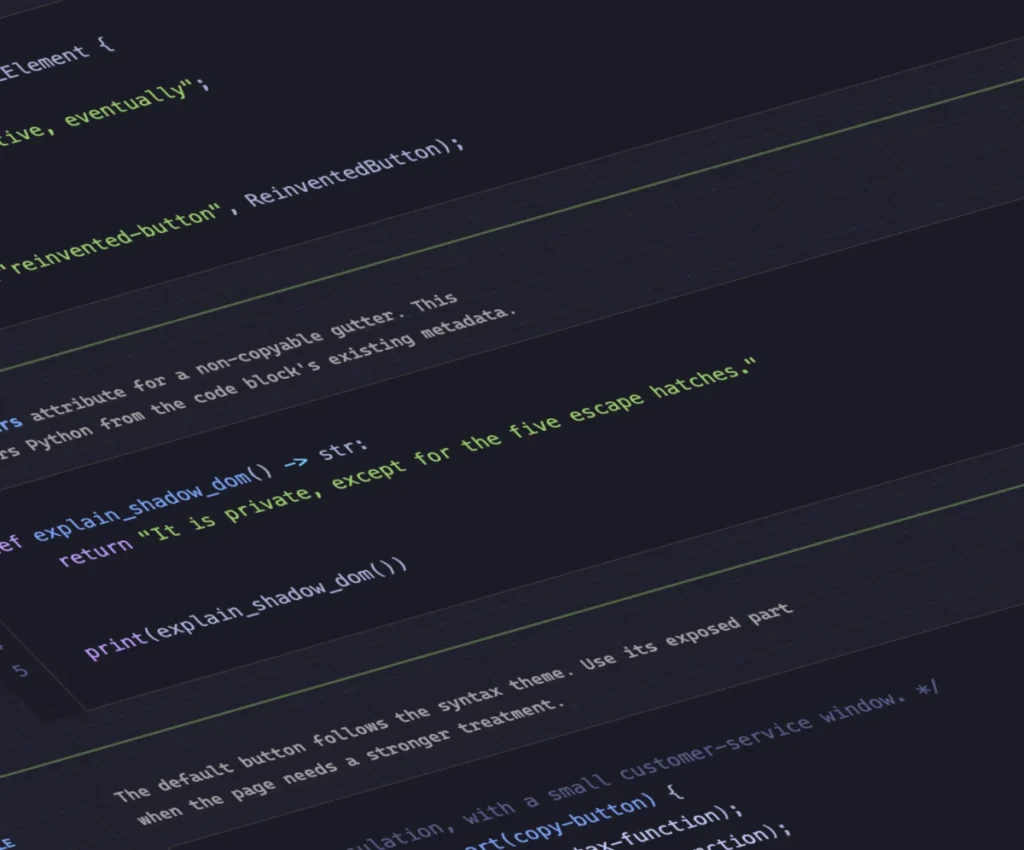
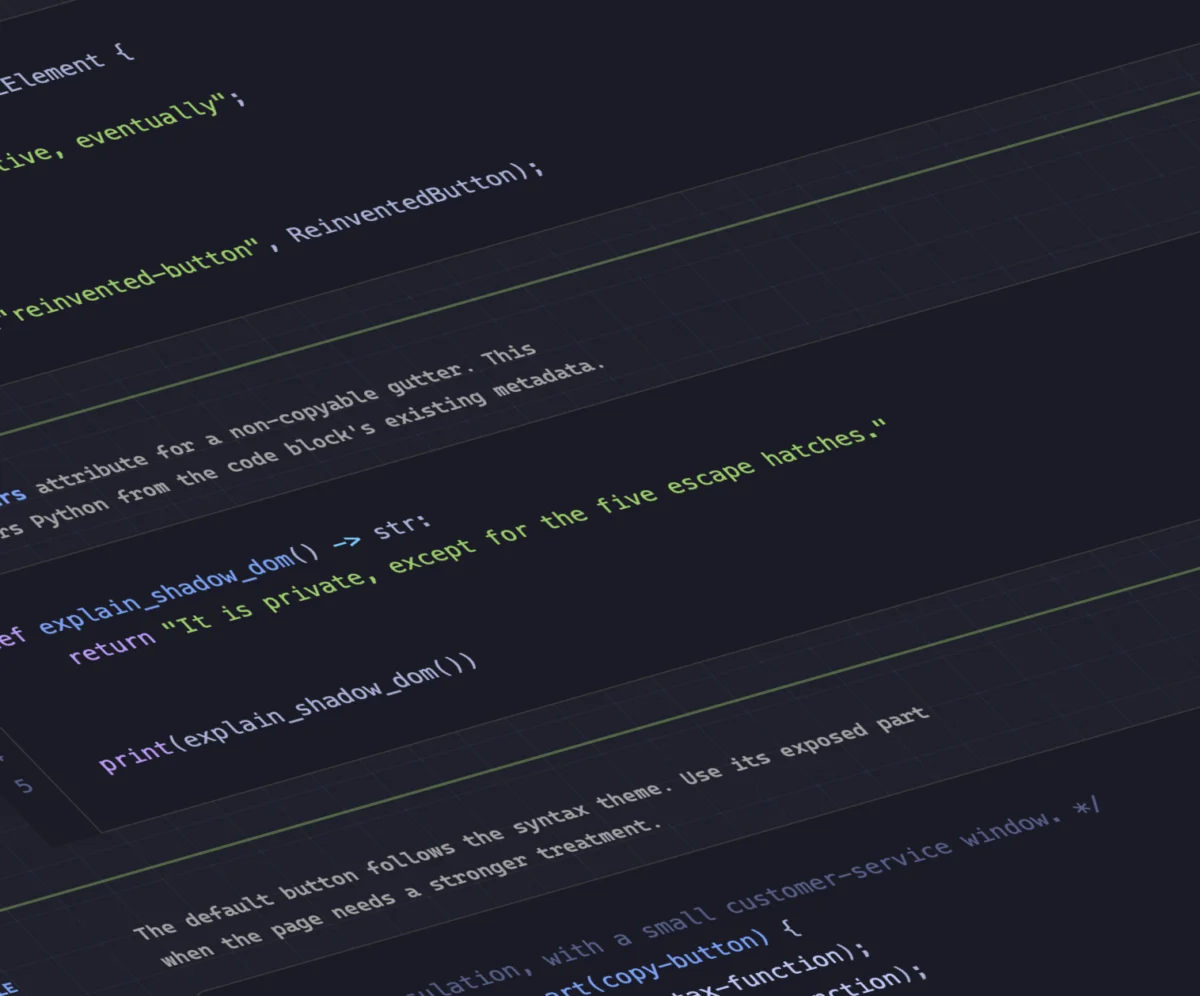
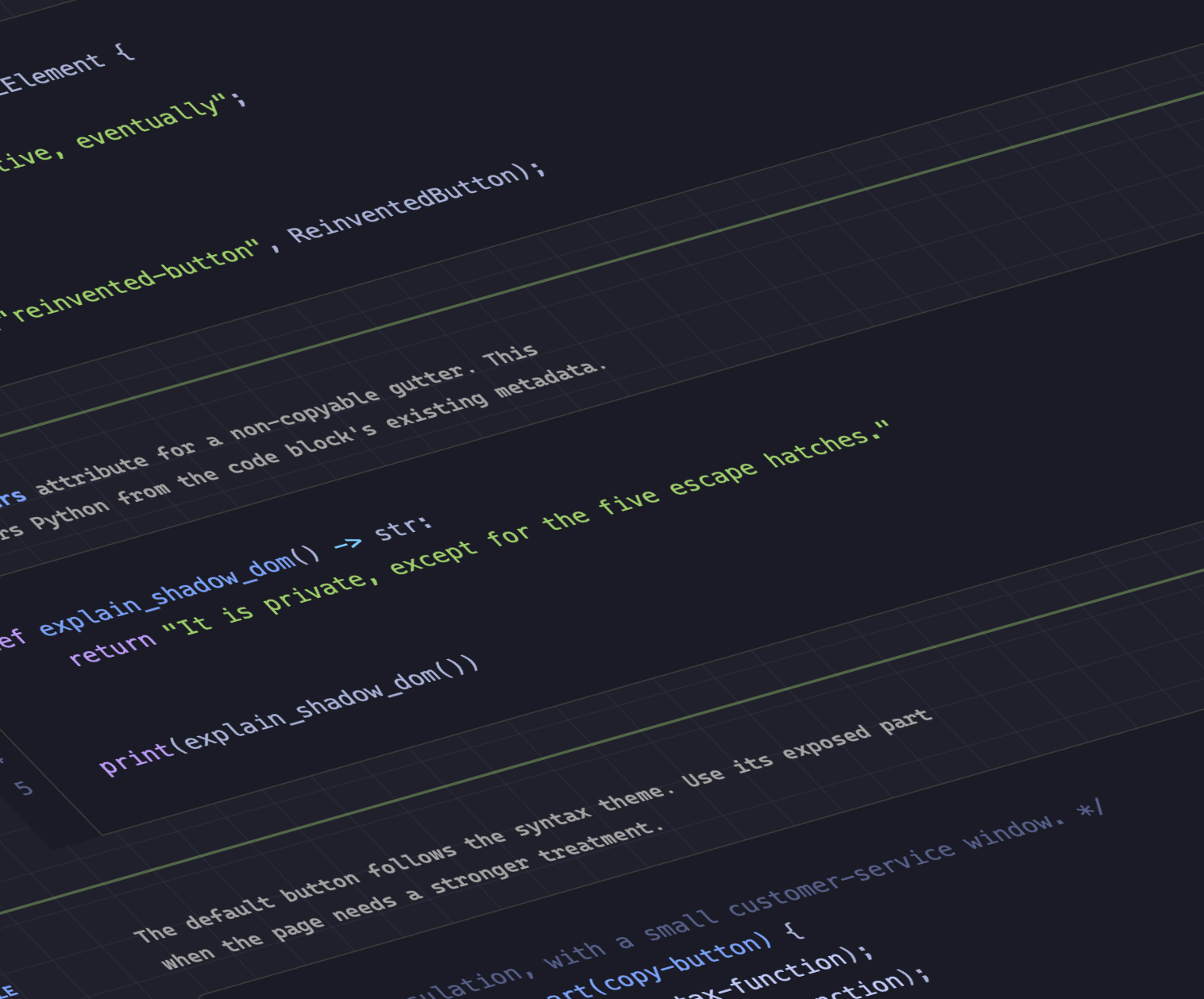
Dave Rupert has introduced MicroLighter, a lightweight syntax highlighter built upon the CSS Custom Highlight API. By offloading the highlighting process to the browser’s native rendering engine, developers can bypass the performance penalties associated with DOM-heavy syntax highlighters.
CSS Grid and Reactive Layouts
Temani Afif provided a breakthrough for layout engineers by demonstrating how to export CSS Grid information into Custom Properties. By capturing row/column counts and cell coordinates, developers can now build interfaces that respond dynamically to their own grid structure.
Supporting Data: Why Native Implementation Matters
The shift toward native browser features—such as flex-wrap: balance—is not merely about developer convenience; it is about performance.
| Feature | Primary Benefit | Current Status |
|---|---|---|
interest-delay-start |
Reduced UI "noise" | Chrome Experimental |
<geolocation> |
Simplified Permissions | Progressive Enhancement |
::highlight() |
DOM Performance | W3C Candidate |
flex-wrap: balance |
Improved Typography/Flow | Chrome Experimental |
The introduction of flex-wrap: balance (detailed by Ahmad Shadeed) mirrors the success of text-wrap: balance, ensuring that flex items distribute themselves evenly across rows. This prevents the "widow" effect in layout containers, significantly improving the aesthetic quality of responsive designs without requiring manual media query overrides.
Official Responses and Industry Discourse
The Dark Mode Debate: Two-State vs. Tri-State
A spirited debate has emerged regarding the implementation of Dark Mode toggles. Lea Verou advocates for a two-state approach, prioritizing simplicity, while Bramus pushes for a tri-state model (Light, Dark, and System Default). The consensus, currently championed by Vale.Rocks, suggests an "auto-until-overridden" approach—a hybrid that respects the system preference until a user explicitly opts for a manual override.
The Future of Selectors: The Class Prefix Proposal
Perhaps the most ambitious item discussed is the "class prefix selector." Bramus introduced the concept of a selector that matches prefixes, such as .something-*.
- The Problem: Current attribute selectors (
[class^="something-"]) are verbose, perform worse, and lack the specificity management that developers crave. - The Proposed Solution: A native CSS selector syntax that is cleaner and significantly more performant. While no browser supports this yet, the industry sentiment is high; proponents believe this could drastically reduce the weight of CSS bundles by simplifying complex component-based styling.
Feature Detection: named-feature()
Bramus also introduced the named-feature() function within @supports. This addresses a long-standing frustration in web development: the inability to detect whether a browser supports a specific behavior (like anchor positioning with transforms) rather than just a specific property. This represents a major leap forward for @supports as a robust feature-testing tool.
Implications for the Future of Web Development
As we look toward the end of the year, these updates signal a move away from the "framework-first" era and back toward a "platform-first" era.
1. Performance Gains
By offloading syntax highlighting, tooltip management, and layout balancing to the browser, we are effectively reducing the reliance on JavaScript. This directly correlates to better Core Web Vitals and lower Time-to-Interactive (TTI) metrics.
2. The Standardization of "Quirks"
The Geolocation and Flex-Wrap updates indicate that browser vendors are increasingly willing to introduce specialized, high-utility features to solve common pain points. However, this increases the importance of a solid progressive enhancement strategy. As seen with the <geolocation> element, the "bridge" method—using new elements for modern browsers while falling back to legacy APIs—will be the standard operating procedure for the foreseeable future.
3. Developer Tooling Evolution
The proposal for class prefix selectors suggests that CSS is moving toward more expressive, developer-friendly syntax. If adopted, this will change the way we write CSS-in-JS and utility-first CSS frameworks, likely leading to a reduction in the sheer volume of generated CSS code.
Conclusion
Edition #18 of What’s !important highlights a robust, evolving ecosystem. We are not just adding new properties; we are fundamentally changing the browser’s role in the development stack. From balancing flex items to intelligently querying browser features, the tools available to CSS developers are becoming more powerful and more declarative.
As autumn approaches, the message to the developer community is clear: keep an eye on the Chrome experiments and the W3C proposals. The way we write CSS today is rapidly becoming the legacy code of tomorrow, and those who lean into these native features early will find themselves building faster, cleaner, and more resilient web experiences. Stay tuned to the next edition as we continue to track these developments and their impact on the global web architecture.