Nostalgia in Four Shades of Green: Reflecting on the GB Pixel Art Jam 2024
The digital landscape is often defined by an unrelenting pursuit of fidelity—4K textures, ray-tracing, and hyper-realistic physics engines. Yet, there exists a vibrant, dedicated community that finds boundless creative freedom in the severe limitations of yesteryear. The recently concluded GB Pixel Art Jam 2024, hosted on itch.io, serves as a poignant reminder that constraint is the ultimate catalyst for innovation. By challenging artists to emulate the iconic 160×144 resolution and the restrictive four-shade color palette of Nintendo’s original Game Boy, the jam has once again proven that "less is more."
The Core Concept: Celebrating Hardware Constraints
At its heart, the GB Pixel Art Jam 2024 is an exercise in technical discipline. The Game Boy, released in 1989, was a marvel of portable engineering, but its visual capabilities were primitive by modern standards. Developers and artists of the era had to master the art of "dithering"—placing pixels in specific patterns to trick the human eye into perceiving shades of gray that didn’t technically exist.
The 2024 iteration of this jam invited participants to capture that distinct aesthetic. It wasn’t merely about drawing in "pea soup green"; it was about understanding how to communicate atmosphere, character, and depth within the technical architecture of an 8-bit handheld. Participants were required to adhere to strict guidelines regarding resolution and palette, ensuring that every submission felt like a "lost" title from the handheld’s legendary library.
A Chronological Overview: From Announcement to Gallery
The jam’s lifecycle followed a structured path, typical of the professional-grade organization seen on the itch.io platform.
The Call to Arms
Months prior to the deadline, the organizers announced the 2024 edition, setting the stage for a creative surge. The community was invited to submit original pixel art pieces. The goal was twofold: to celebrate the legacy of the Game Boy and to provide a collaborative space for pixel artists to sharpen their skills.
The Creative Sprint
During the submission window, the jam page became a hive of activity. Artists from around the globe began uploading their work, ranging from landscape studies to complex character sprites. The diversity of the submissions was staggering; while some artists focused on tranquil, static scenes, others leaned into the "Gothic" or "Cyberpunk" aesthetics that seem paradoxically well-suited to the high-contrast Game Boy display.
The Conclusion and Exhibition
Following the deadline, the jam transitioned into its exhibition phase. With 378 total entries, the sheer volume of content is a testament to the community’s passion. Organizers are currently in the process of compiling these into a single, playable ROM, allowing enthusiasts to experience these modern works on original hardware or emulators—a digital time capsule of 2024’s finest pixel art.
Supporting Data: The Anatomy of a Submission
To understand the significance of this event, one must look at the data provided by the entries themselves. With 378 submissions, the jam represents a massive repository of niche artistic talent.
Featured Highlights
The selection process for the showcase was highly competitive. Among the standout entries were:
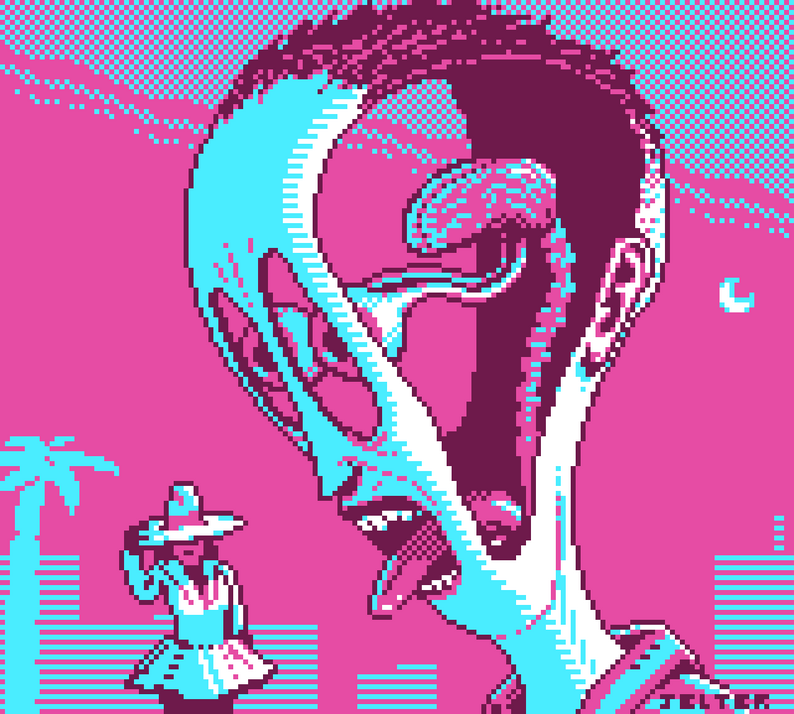
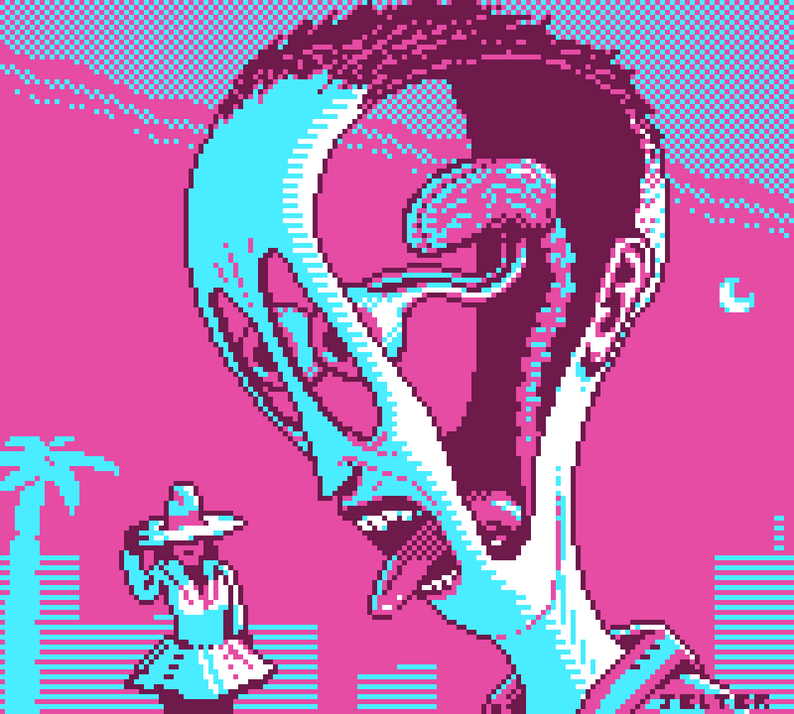
- Malibu Dream by BenJelter: A masterful use of negative space and atmospheric perspective, proving that even a tiny canvas can hold a vast sense of place.
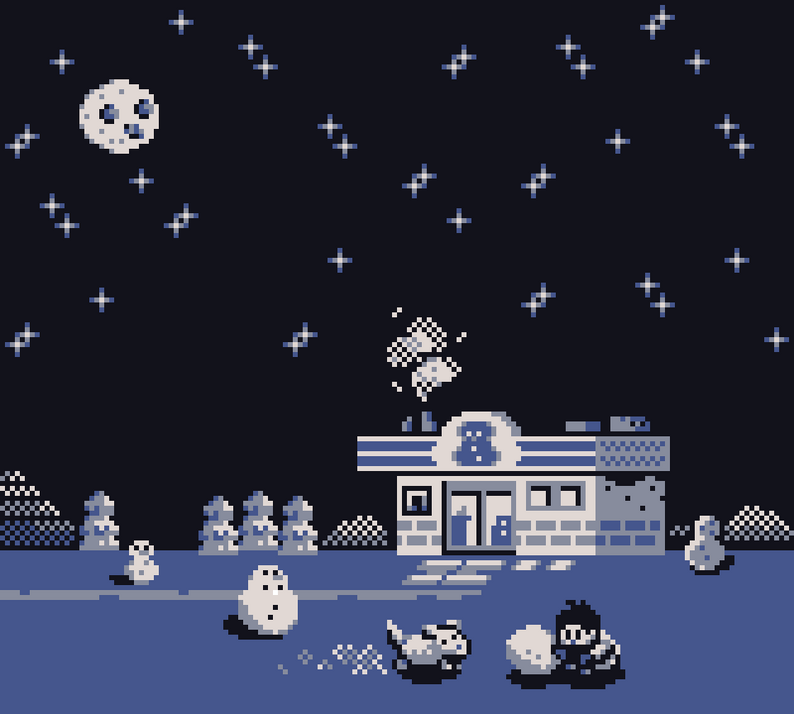
- Night time at Snowball Conbini by howdy riceball: This piece captured the "cozy" aesthetic popular in modern indie games, adapted perfectly to the 8-bit medium.
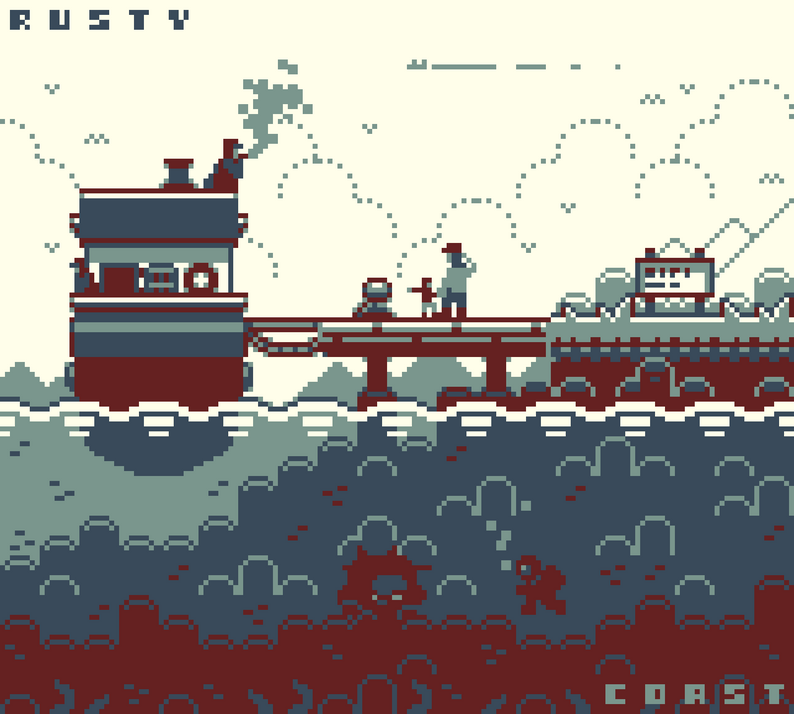
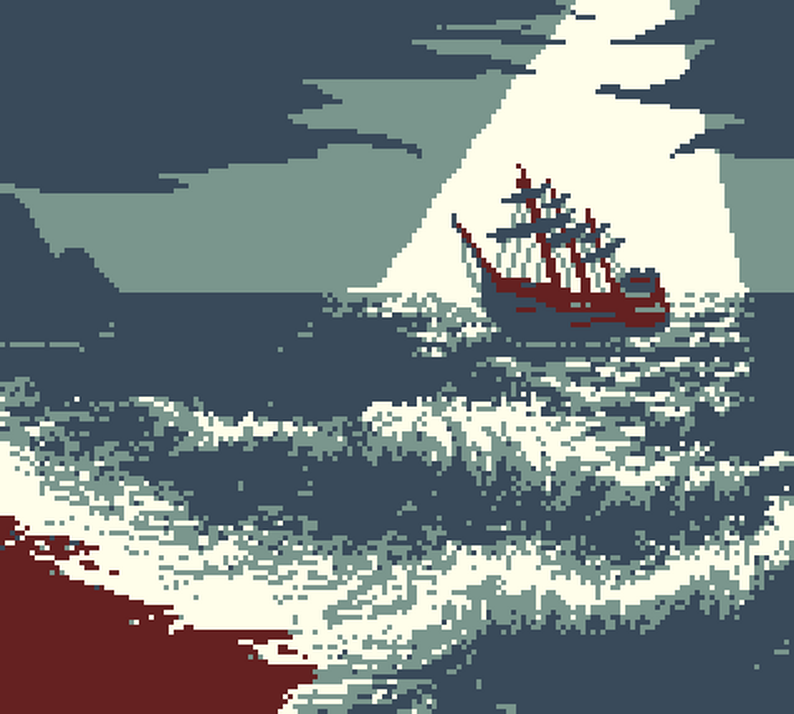
- Rusty Coast by Birds Probably: A gritty, textural piece that showcased how well the Game Boy palette handles organic, weathered surfaces.
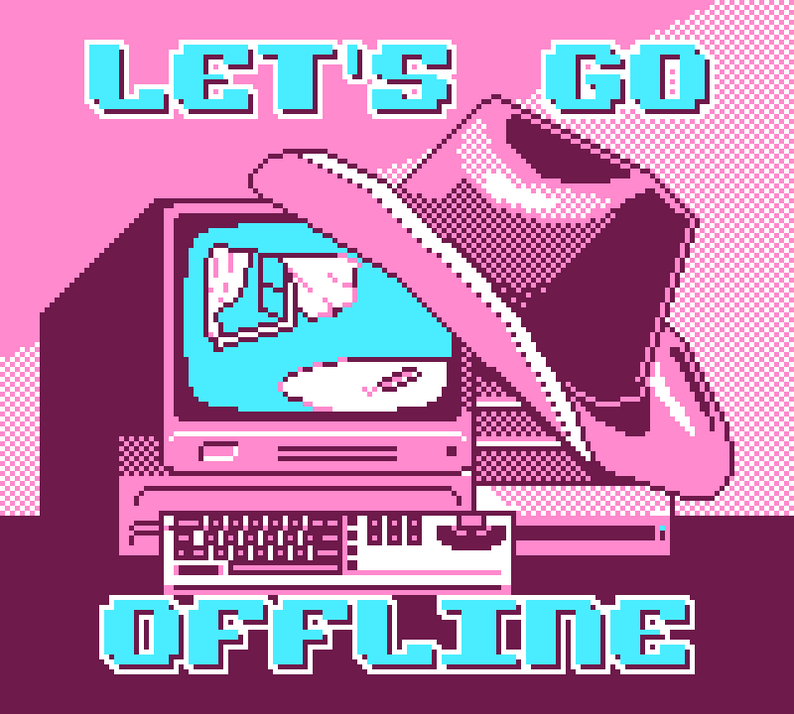
- Let’s Go Offline by Robert Doman: A meta-commentary on the digital age, utilizing the limitations of the hardware to evoke a sense of quiet isolation.
- A Lament for Forgotten Souls by Annagmo: A haunting character study that highlighted the expressive power of monochromatic portraiture.
- Aren, Orc Warrioress by Rohezk: A high-action sprite design that wouldn’t look out of place in an authentic 1990s RPG.
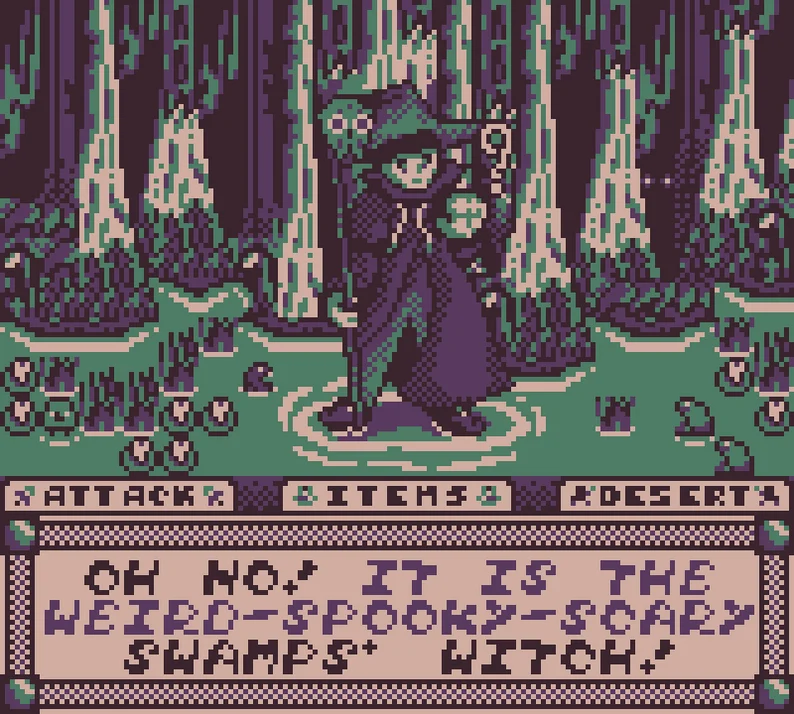
- Swamps’ witch by BifStek: A whimsical, character-driven piece that utilized clever pixel layering to create depth.
These entries demonstrate that the Game Boy aesthetic is not just a relic of the past; it is a living, breathing design language.
Official Perspectives and Community Feedback
The itch.io Jam system has become the gold standard for game development and art competitions, and this event highlights why. By providing a centralized hub for communication, voting, and asset management, itch.io has effectively democratized the ability to host world-class design challenges.
The response from the community has been overwhelmingly positive. Participants have noted that the "Jam" structure provides the necessary pressure to actually finish a project. "Without the deadline and the community aspect, many of these pieces would have remained as sketches on a hard drive," remarked one regular contributor. The organizers, for their part, expressed deep satisfaction with the quality of submissions, noting that the technical proficiency of the participants has risen significantly compared to previous years.
Implications for Modern Game Design
The success of the GB Pixel Art Jam 2024 has broader implications for the gaming industry. As modern titles grow increasingly complex, often requiring massive teams and multi-million dollar budgets, there is a growing movement toward "intentional simplicity."
The Return of the "Lo-Fi" Aesthetic
We are currently seeing a resurgence of interest in retro-inspired aesthetics. Titles like Shovel Knight, Sea of Stars, and Animal Well have proven that players crave the readability and charm of pixel art. By participating in jams like this, artists are essentially building the foundation for the next wave of indie hits. They are learning the fundamentals of shape language, composition, and visual hierarchy—skills that are directly transferable to professional game development.
Technical Preservation
Beyond the artistic value, there is a preservationist aspect to this jam. By encouraging artists to work within the actual technical limits of the Game Boy, the community is keeping the knowledge of "old-school" coding and optimization alive. Understanding how to work within a 160×144 pixel grid is a valuable lesson in efficiency, a skill that is arguably being lost in an era of infinite hardware resources.
Conclusion: A Legacy Reimagined
The GB Pixel Art Jam 2024 was more than just an art contest; it was a collective act of creative archeology. It allowed 378 artists to step back in time, stripping away the bloat of modern digital tools to focus on the pure essence of their craft.
As we look toward the future, the "compiled ROM" that the organizers promised to release will serve as an enduring testament to this event. It will be a digital artifact—a collection of 2024’s imagination viewed through the glass of 1989.
For those who missed the submission window, the gallery remains open for viewing. It stands as an invitation: pick up your digital stylus, set your canvas to 160×144, limit your palette to four shades, and see what you can create. The limitations are not there to stop you; they are there to help you find your voice. Whether you are a professional pixel artist or an amateur hobbyist, the itch.io Jam system remains the most effective, collaborative environment for pushing the boundaries of what is possible in the world of digital art.
The success of this jam is a reminder that while technology moves forward at a breakneck pace, the human desire for creative expression remains constant. Sometimes, the most powerful way to move forward is to look back, acknowledge the masters of the past, and learn how to work within the constraints of the world we have been given.