Bridging the Gap: Bringing Reinforcement Learning to Cross-Platform Mobile Gaming with Flutter and TensorFlow Lite
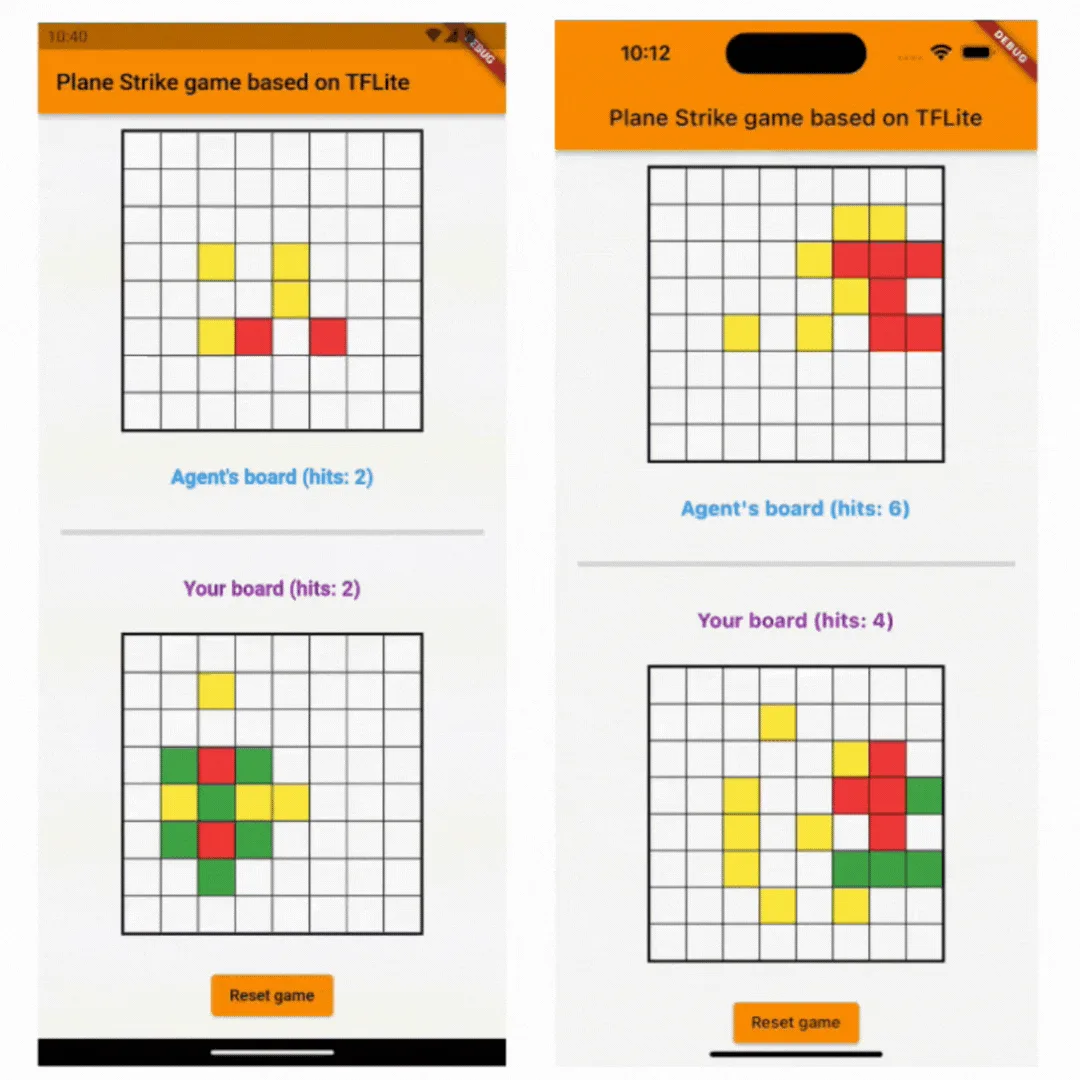
In the rapidly evolving landscape of mobile development, the integration of artificial intelligence (AI) into consumer applications has transitioned from a futuristic novelty to an essential design consideration. Developers are constantly seeking ways to make advanced machine learning (ML) models lightweight, responsive, and platform-agnostic. Addressing this demand, Google has recently unveiled a significant milestone: the full integration of the TensorFlow Lite (TFLite) plugin for Flutter. This development marks the culmination of a multi-year effort to streamline the deployment of Reinforcement Learning (RL) agents across mobile ecosystems.
Main Facts: A New Frontier for Cross-Platform AI
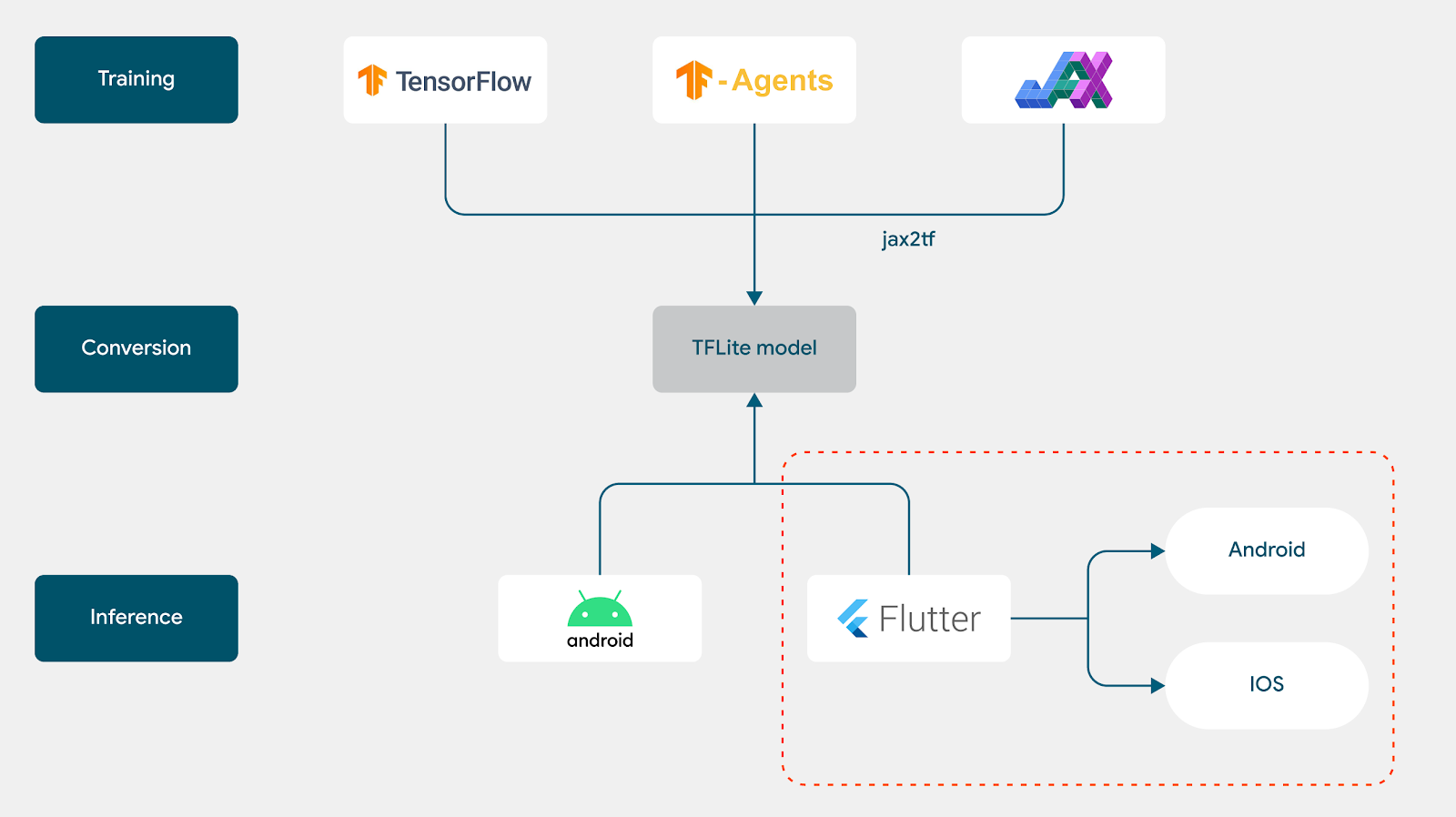
The core of this technical evolution lies in the ability to port sophisticated AI models—specifically those trained to play board games—to a cross-platform environment. For years, Android developers enjoyed exclusive access to robust TFLite deployment tools. However, the release of the TensorFlow Lite Plugin for Flutter effectively dismantles these barriers, allowing developers to write code once and deploy it across both Android and iOS environments.
The technical demonstration centers on "Plane Strike," a specialized board game designed to showcase the efficacy of RL agents. By leveraging the TFLite interpreter, developers can now load pre-trained models directly into a Flutter application, execute real-time inference, and provide a seamless user experience that was previously restricted by platform-specific coding requirements. This move signifies a shift toward unified AI development, where the logic of an intelligent agent can exist independently of the underlying mobile operating system.
Chronology: The Evolution of a Deployment Strategy
The path to this cross-platform capability was not immediate. It was built upon a deliberate series of tutorials and technological rollouts:

- The Foundation (2021): The journey began with the release of the initial TFLite reference app. This tutorial focused on the fundamentals of building a board game app, specifically targeting Android developers and demonstrating how to embed a basic AI opponent into a mobile application.
- Expanding the Toolkit (2022): Building on the initial success, the team introduced JAX into the ecosystem. By demonstrating how to train a reinforcement learning agent using both TensorFlow and JAX, the team proved that the underlying framework for training could be diverse, provided the final model could be successfully exported to the TFLite format.
- The Flutter Integration (2023–2024): Recognizing the massive growth of the Flutter community, Google officially released the TensorFlow Lite Plugin for Flutter. This was the missing piece of the puzzle. It allowed for the wrapping of native TFLite C APIs into a Dart-friendly interface, enabling Flutter apps to harness the power of on-device inference without the need for complex, platform-specific glue code.
Supporting Data: Implementing the Inference Engine
The technical implementation of this integration is remarkably concise. By utilizing the Interpreter class provided by the plugin, developers can load a .tflite model directly from the application’s asset bundle.
The inference process involves three critical stages:
- Model Loading: The interpreter is initialized via
Interpreter.fromAsset(_modelFile), which maps the pre-trained neural network to the mobile memory space. - Data Preparation: Input data, such as the current state of a game board, must be transformed into a format the model understands. In the case of "Plane Strike," this involves converting the grid-based board state into a multi-dimensional array compatible with the model’s input tensors.
- Inference and Output Processing: Once the
_interpreter.run()method is called, the model outputs a probability distribution. Through anargmaxfunction, the code identifies the index with the highest probability, effectively selecting the "best" move for the AI agent to make.
This workflow demonstrates that mobile AI does not require a cloud connection; it can operate entirely on-device, ensuring low latency and data privacy for the end user.
Official Responses and Developer Advocacy
Wei Wei, a Developer Advocate at Google, has spearheaded this initiative, emphasizing the importance of community feedback. "We have heard from the Flutter developer community that it would be interesting to make the app cross-platform," Wei noted during the announcement.

The strategy reflects Google’s broader philosophy of "Democratizing AI." By providing clear, open-source examples on GitHub—such as the repository containing the full Flutter frontend and the TFLite integration code—the team is removing the "black box" nature of AI deployment. The official response from the developer community has been overwhelmingly positive, as it lowers the barrier to entry for mobile game developers looking to incorporate competitive, self-learning AI into their titles.
Implications for the Future of Mobile Gaming
The implications of this development extend far beyond a simple board game. By standardizing the way AI models interact with mobile UI frameworks, several shifts in the industry are likely to occur:
1. The Rise of "Intelligent" Edge Devices
As hardware becomes more powerful, the need for off-device server-side processing for games will decrease. The Flutter/TFLite integration empowers developers to create complex, adaptive non-player characters (NPCs) that learn from the player’s behavior in real-time, all while maintaining 60 frames per second on a mobile device.
2. Standardization of Cross-Platform AI
With the Flutter plugin, the "write once, run anywhere" philosophy of Flutter finally extends to machine learning. This consistency reduces development overhead significantly. A startup or indie developer can now focus their resources on training a high-quality model rather than debugging two separate implementations for Android and iOS.
3. A New Paradigm for Game Design
Reinforcement Learning allows for game mechanics that were previously impossible to hard-code. In "Plane Strike," the agent learns through trial and error. In a larger commercial context, this could lead to procedural content generation where the game world itself adapts to the player’s skill level, creating a unique and personalized experience for every user.
Conclusion and Next Steps
The integration of TFLite into the Flutter ecosystem is a transformative step for mobile development. It serves as a bridge between the complex, data-heavy world of machine learning research and the practical, high-performance world of mobile application development.
For those looking to explore this technology, the path forward is clear: start by experimenting with the official repository provided by the TensorFlow team. As the community continues to refine these tools, we can expect to see an explosion of AI-enhanced mobile applications that are as intelligent as they are performant. Whether you are a seasoned data scientist or a mobile developer taking your first steps into AI, the tools now exist to create the next generation of intelligent, cross-platform experiences.
As we close this chapter of the series, the focus shifts from the how to the what. What will you build? The tools are available, the documentation is open, and the potential for innovation is limited only by the creativity of the developer. Keep your eyes on the Google Developers and TensorFlow channels for the next wave of advancements in this exciting, rapidly maturing field.