The Indie Landscape: A Mid-Week Roundup of Retro Demakes, Cosmic Narratives, and Whimsical Adventures
As the gaming industry continues to expand into ever-more complex territory—characterized by massive, open-world experiences and hyper-realistic graphics—there remains a vibrant, pulsing heart of independent development that prioritizes ingenuity, artistic constraint, and mechanical purity. This week on itch.io, three distinct titles have captured the community’s attention, proving that the most resonant experiences are often those that dare to simplify, subvert, or purely charm.
From the nostalgic, lo-fi grit of a border-crossing demake to the existential, starlit silence of deep-space fishing, and finally, the hand-drawn, frog-led escapades of a prolific development collective, this week’s curation offers a masterclass in diverse game design.
The Chronology of Creativity: From Border Control to Deep Space
The trajectory of indie gaming this week mirrors a broader trend: the reclamation of history through modern lenses. It began with the unexpected return of Lucas Pope’s Papers, Please—not as a sequel, but as a "demake." Simultaneously, developers like the team behind The Anglerfish Project are pushing the boundaries of genre-mashing, blending the narrative weight of space exploration with the meditative cadence of fishing simulators. Finally, the relentless, clockwork consistency of the Sokpop Collective reminds us that there is a place for pure, aesthetic-driven joy in the industry.
LCD, Please: The Art of Mechanical Reduction
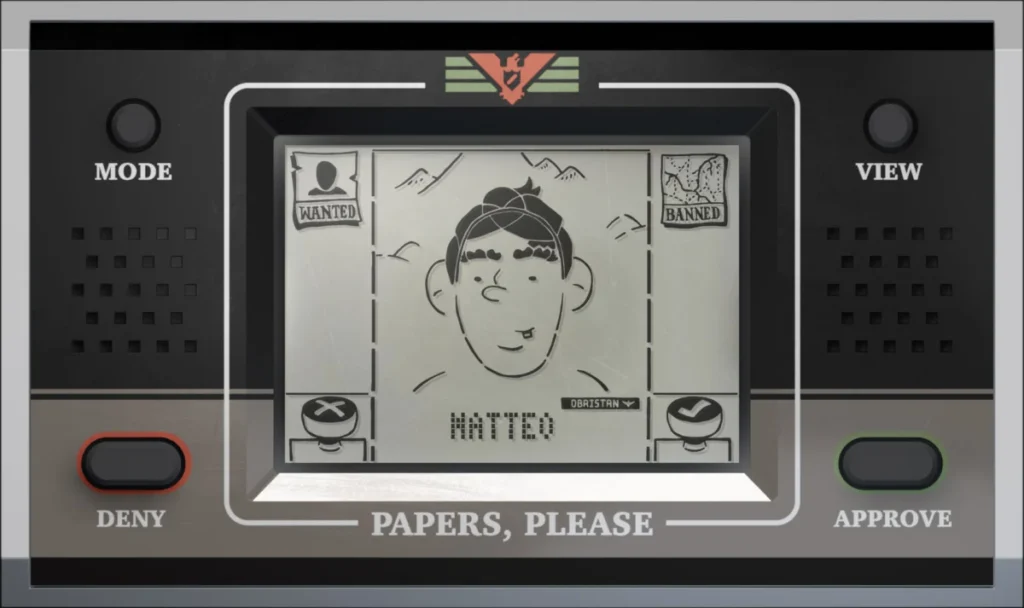
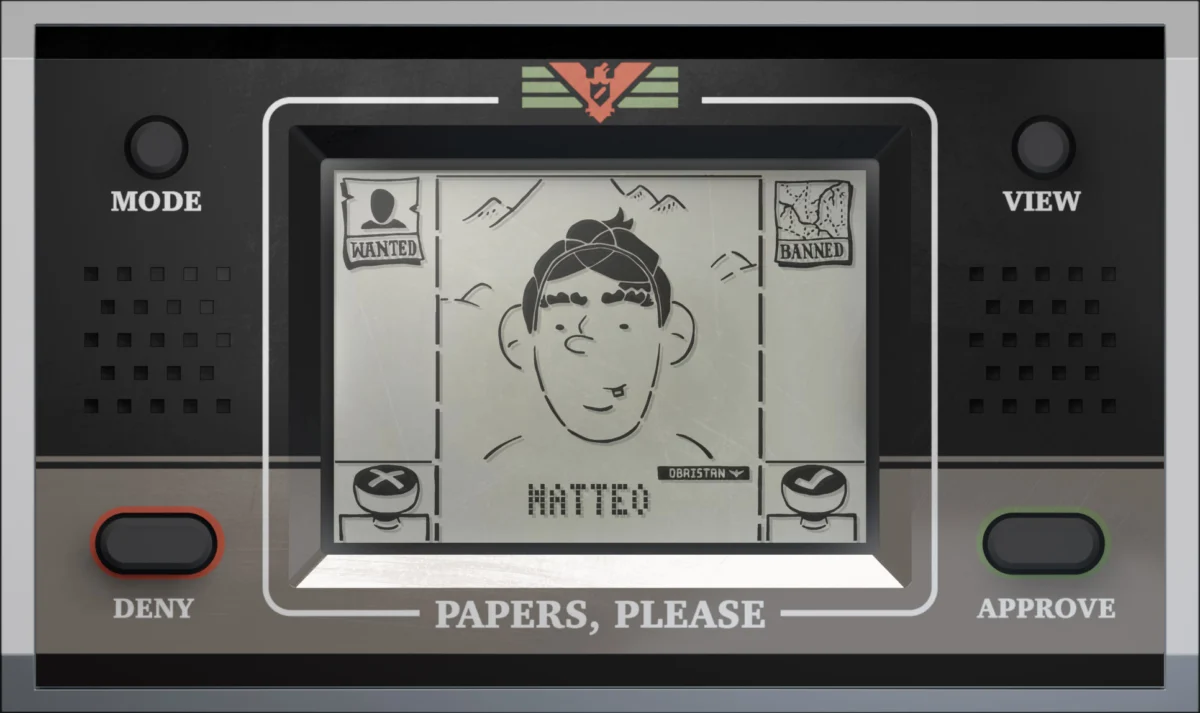
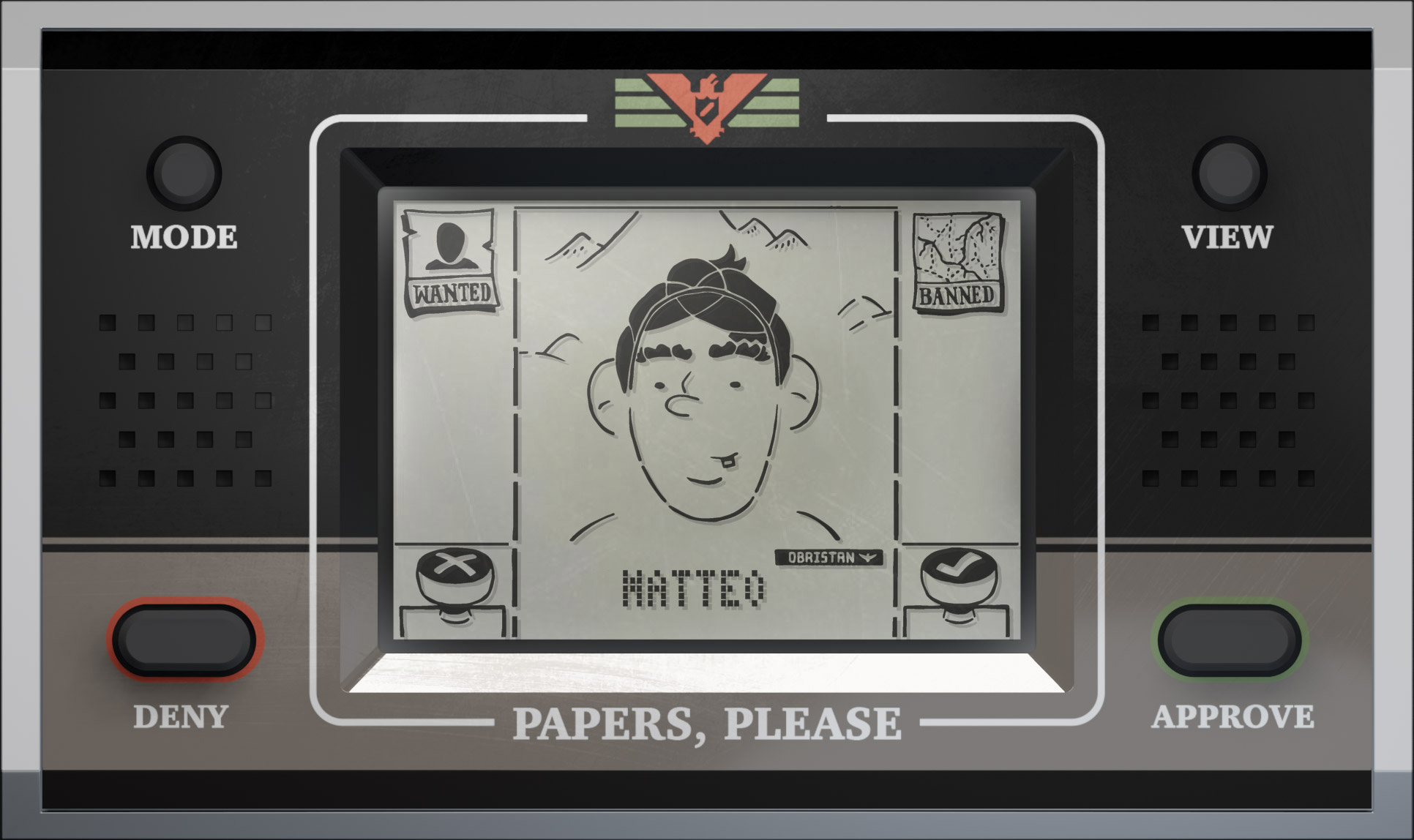
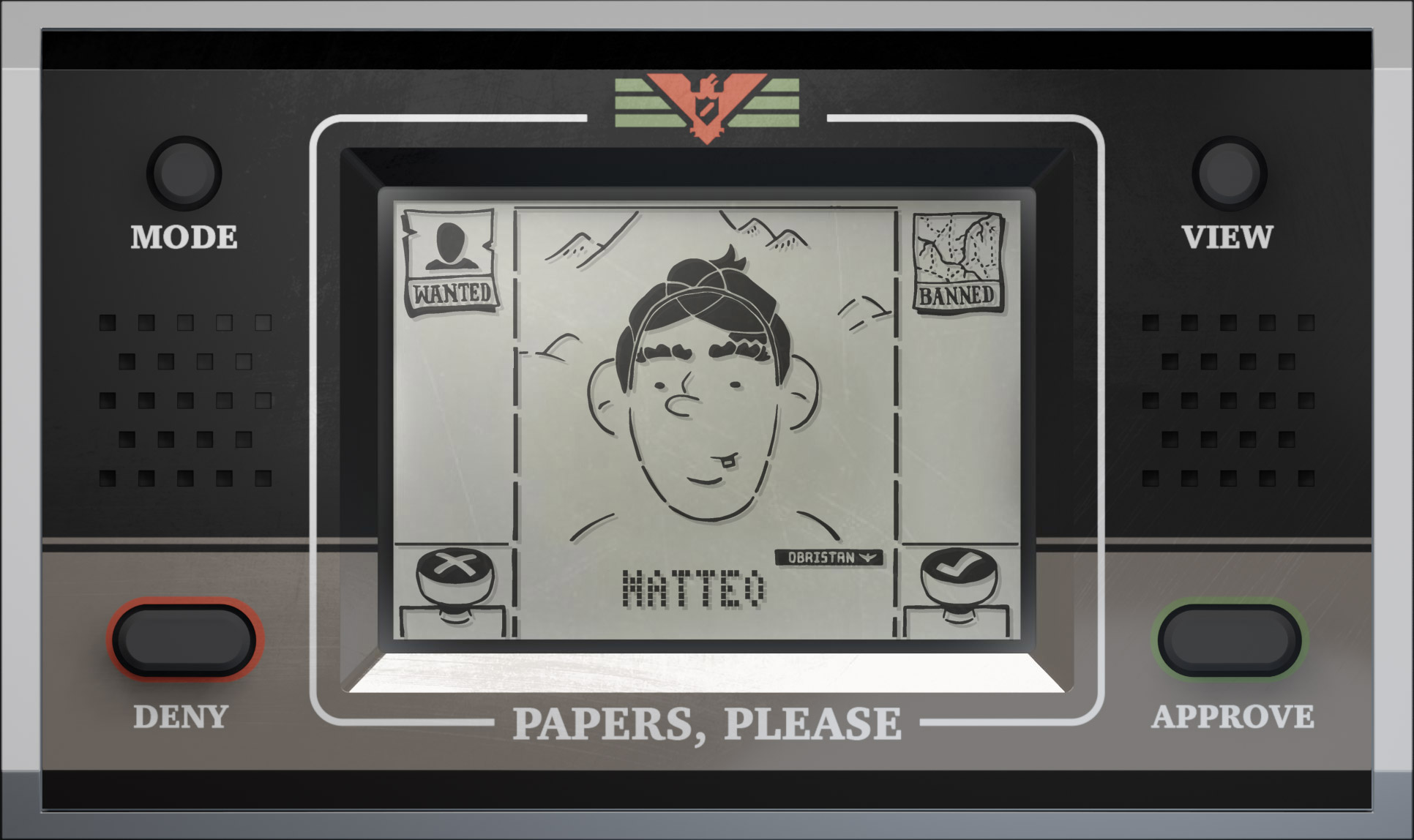
Ten years ago, Papers, Please redefined the "bureaucracy simulator." It turned the mundane, soul-crushing reality of border control into a high-stakes ethical dilemma. Now, Lucas Pope has revisited this titan of the indie scene with LCD, Please.
This is not merely a graphical update; it is a conceptual distillation. By stripping away the atmospheric grit of the original and re-imagining it as a handheld LCD-style game, Pope forces players to focus exclusively on the core logic loops of the experience. It serves as a stark reminder of the game’s fundamental brilliance: the mechanics were so strong, so perfectly balanced, that they function just as effectively on a simulated monochrome screen as they did in the original full-color release. It is a retrospective study in game design that honors the legacy of the original while providing a fresh, bite-sized challenge for veteran players.
The Anglerfish Project: Bridging Genres
If LCD, Please represents the refinement of an existing formula, The Anglerfish Project by Selkie Harbour represents a bold fusion. The game asks an intriguing question: what happens when you combine the vast, terrifying isolation of space with the quiet, rhythmic patience of fishing?
The result is a narrative adventure that subverts expectations. Players do not hunt for biological life; instead, they cast a modified probe into the cosmic abyss to "fish" for messages. This mechanic acts as the primary narrative delivery system, slowly piecing together a mosaic of the universe’s history and the lives of those who inhabit it. It is a game that prioritizes emotional resonance over mechanical difficulty, earning praise for its poignant, human-centric writing and its ability to turn the act of "gathering" into an act of empathy.
Frog’s Adventure: The Sokpop Standard
The Sokpop Collective continues to operate as an anomaly in the modern development cycle. By maintaining a consistent, monthly release schedule, they have become a touchstone for indie fans who crave artisanal, curated experiences. Their latest title, Frog’s Adventure, is a testament to the power of a cohesive art style. Featuring a charming, hand-drawn protagonist, the game functions as a classic "fetch-quest" adventure. While the gameplay loop is intentionally modest—focused on traversal and dialogue—the sheer aesthetic joy of the project demonstrates that "fun" is often derived from the charm of the world-building rather than the complexity of the systems.
Supporting Data: Why Small-Scale Development Matters
The success of these titles—and the platform that hosts them—is backed by an increasing consumer shift toward "micro-experiences." Data from digital storefronts like itch.io shows that players are increasingly looking for games that can be consumed in a single sitting.
- Retention and Completion: Games with smaller, more focused scopes (such as Frog’s Adventure) consistently see higher completion rates compared to massive, 100-hour RPGs.
- Genre Blending: The popularity of The Anglerfish Project suggests a growing appetite for "narrative-first" mechanics, where gameplay systems serve as a conduit for storytelling rather than as a hurdle for the player.
- The Nostalgia Market: The success of LCD, Please highlights the longevity of indie IPs. When a game has a strong enough core identity, it can be ported, remade, or demade decades later, continuing to provide value to the community.
Official Responses and Developer Intent
In the current climate of the industry, developers are increasingly transparent about their intent. Lucas Pope’s approach to LCD, Please was explicitly framed as a creative experiment—an homage to the era of handheld electronic games. Meanwhile, the team at Selkie Harbour has emphasized the "kindness" of their game design. By removing the pressure of "winning" or "losing" in the traditional sense, they have tapped into a vein of therapeutic gaming that continues to grow in popularity.
The Sokpop Collective, conversely, continues to focus on the "boy band" model of development—high-output, collaborative, and iterative. Their official stance remains that the process of making the game is just as vital as the product itself, a philosophy that resonates with an audience increasingly interested in the "human element" of game creation.
Implications for the Future of Indie Gaming
What do these three titles tell us about the future of the medium?
First, Constraints are the Mother of Innovation. By forcing themselves to work within the limitations of an LCD screen or a simple fetch-quest loop, these developers have created more memorable experiences than many AAA titles that suffer from feature creep.
Second, The "Vibe" Economy. Players are increasingly selecting games based on the emotional state they wish to occupy. The Anglerfish Project offers quiet introspection; Frog’s Adventure offers whimsical comfort; LCD, Please offers sharp, focused stimulation. The industry is moving away from the idea that every game must be a sprawling epic, and toward a future where games are categorized by the specific "mood" or "feeling" they provide.
Finally, The Democratization of Nostalgia. As the gaming generation matures, the ability to revisit classic mechanics in new ways will become a significant pillar of the indie scene. We are likely to see more "remixing" of classic indie titles, creating a library of games that feel both comfortably familiar and surprisingly new.

Conclusion: Engaging the Community
As we head into the weekend, the message from the itch.io community is clear: whether you are looking to solve the bureaucratic puzzles of a border crossing, drift through the quiet stars, or hop along with an adorable amphibian, there is a space for you. The beauty of these games lies in their accessibility and their willingness to prioritize heart over hardware.
As we look toward the next week of releases, one thing is certain: the spirit of independent development remains as innovative and unpredictable as ever. The industry may be large, but the most important stories are often told in the quiet corners of the internet, where a single developer with a singular vision can change the way we think about play.
What are you playing this week? The conversation continues in the comments below. Whether it is the data-driven mysteries of high-concept narrative games or the retro-inspired logic puzzles that defined a decade, share your experiences and help shape the next week of our community roundup.