The itch.io Autumn Extravaganza: A Deep Dive into the Platform’s Upcoming Sale and Creator Day Initiative
The digital landscape for independent game development is about to undergo a significant shift this week as itch.io, the premier destination for indie creators and boutique gaming experiences, announces a dual-pronged event. Starting this Wednesday, November 27th, the platform will launch its annual Autumn Sale, accompanied by the highly anticipated return of "Creator Day" this coming Friday, November 29th.
For the vast, eclectic community of developers, asset creators, and players that call itch.io home, these events represent more than just a reduction in price points; they function as a vital economic lifeline and a celebration of the creative spirit that defines the indie sector.
Main Facts: A Convergence of Commerce and Community
The Autumn Sale is set to commence at 10:00 AM PT on Wednesday, November 27th, and will span an entire week, concluding on December 5th at 10:00 AM PT. As of the latest reports from the platform, over 7,400 individual projects—ranging from experimental indie games and complex asset packs to physical tabletop modules—have already been registered for inclusion in the promotional event.
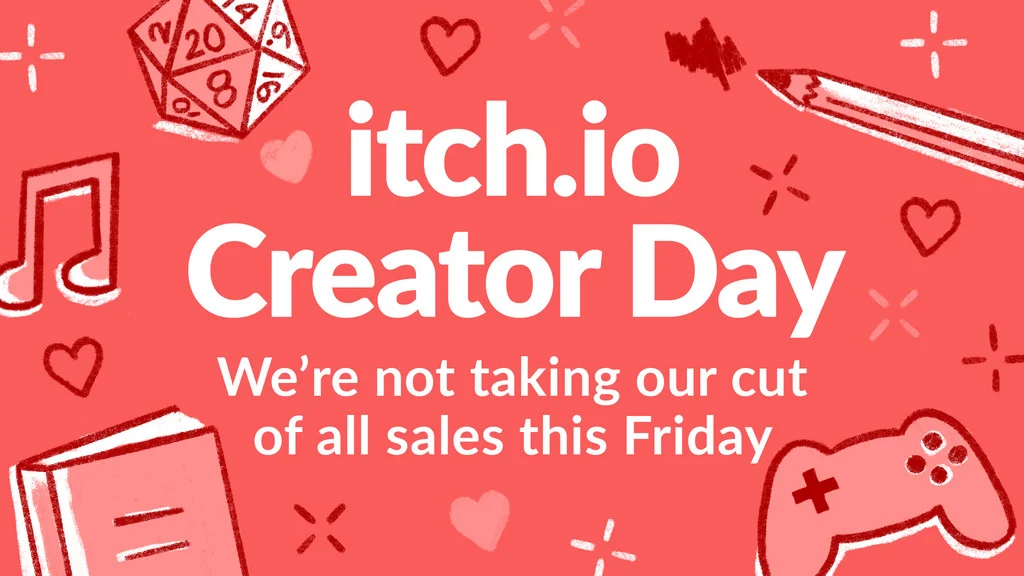
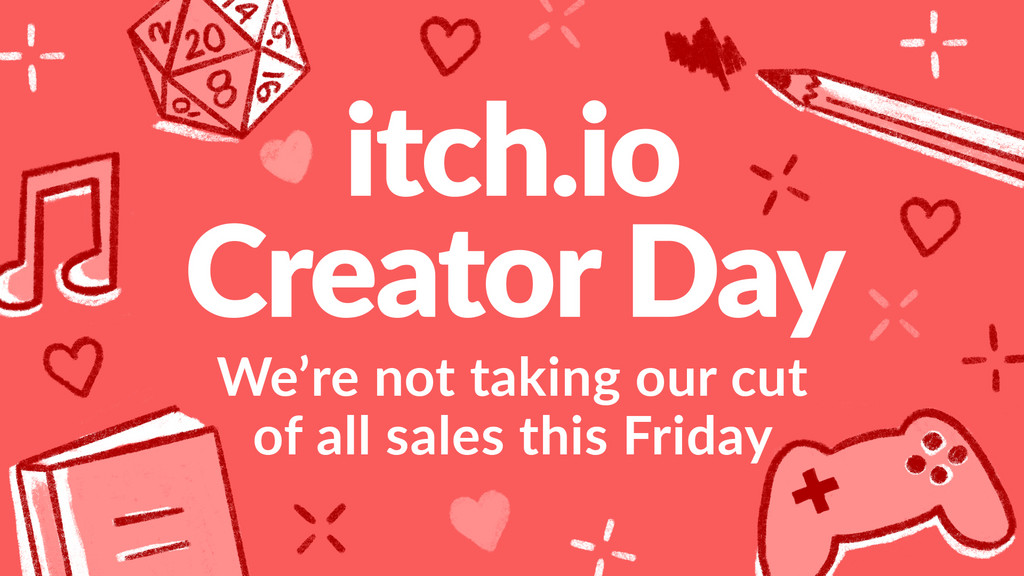
Simultaneously, the platform has scheduled a "Creator Day" for Friday, November 29th. Running for a full 24-hour cycle from midnight to midnight (Pacific Time), itch.io has committed to waiving its standard marketplace commission on all sales processed during this window. By eliminating their own revenue share, the platform ensures that 100% of the proceeds from these sales go directly into the pockets of the developers, artists, and writers.
This combination of a massive store-wide sale and a direct-support initiative provides a dual benefit: players are incentivized to expand their libraries, while creators receive a significant boost in earnings during a peak holiday shopping period.
Chronology of Events
To ensure participants can navigate the week effectively, the following timeline has been established:
- Wednesday, November 27th (10:00 AM PT): The Autumn Sale officially goes live. The portal at itch.io/sales will open, featuring thousands of discounted titles.
- Friday, November 29th (12:00 AM – 11:59 PM PT): The itch.io Creator Day. During this 24-hour window, the platform’s revenue-sharing model is temporarily suspended to maximize creator earnings.
- Thursday, December 5th (10:00 AM PT): The Autumn Sale concludes, and all store prices revert to their standard listings.
For developers still looking to join the festivities, the backend tools for organizing sales remain open, allowing them to schedule their discounts to align with these key dates.
Supporting Data: Why This Matters for the Indie Ecosystem
The significance of these events cannot be overstated. Unlike the centralized, high-barrier storefronts of major console manufacturers, itch.io operates on a model that prioritizes creative autonomy and developer agency. The platform currently hosts an astronomical variety of content, and the scale of the Autumn Sale—with over 7,400 participating projects—is a testament to the platform’s health.
The financial model of "Creator Day" is particularly noteworthy. In the standard digital distribution market, platform fees typically range between 12% and 30%. By waiving these fees entirely on Black Friday—a day synonymous with consumerism—itch.io is effectively participating in a "pro-creator" movement. This empowers developers to sustain their livelihoods without relying on external publishers or predatory funding models.
For the player base, the platform offers curated discovery tools that set it apart from its competitors. Users can browse the sale via:
- Personalized Recommendations: Leveraging user history and browsing habits to highlight titles that align with individual tastes.
- Followed Creator Feeds: Allowing users to see which of their favorite developers are participating in the sale.
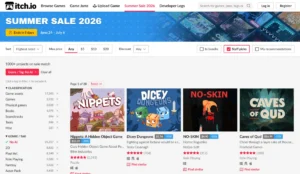
- Global Aggregation: The main sales portal, which allows for browsing by genre, platform, and price point.
Official Responses and Technical Maintenance
The lead-up to the event was not without its minor technical hurdles. As is often the case with platform-wide updates, some developers reported issues with the date-picker widgets used for setting up sale parameters. Specifically, users encountered a mismatch in date formatting when attempting to register their projects, leading to submission errors.
The responsiveness of the itch.io leadership was swift. Leafo, a key member of the development team, acknowledged the friction on the community forums, noting that the issue stemmed from a recent update to the platform’s date-picker widgets. "Yikes, good catch," the response stated. "I’ll get a fix out shortly." This transparency and rapid iterative feedback cycle underscore the platform’s commitment to maintaining a stable environment for its users.
Implications for the Future of Indie Gaming
The convergence of the Autumn Sale and Creator Day highlights a broader shift in the video game industry. As major corporate entities continue to struggle with layoffs and "live-service" fatigue, independent developers are finding that smaller, community-focused platforms are becoming more essential than ever.
The Economic Shift
By incentivizing direct sales through the Creator Day initiative, itch.io is fostering a "direct-to-consumer" model that rewards quality and niche appeal. This encourages creators to produce content that is authentic to their vision rather than chasing mass-market trends dictated by algorithms.
Community-Led Growth
The forums on itch.io are filled with developers and artists expressing excitement for the event. For many, this is the most critical period for revenue generation. Whether it is a 2D illustrator looking to connect with potential clients or a hobbyist developer earning their first dollar from a published project, the platform acts as a digital incubator.
Sustainability and Longevity
The longevity of the indie scene depends on the economic viability of its participants. Initiatives like these ensure that the "middle class" of indie developers—those who aren’t necessarily multi-million-dollar hits but produce consistent, high-quality work—can continue to operate. When a platform takes a stand to waive its fees, it signals a long-term investment in the community that goes beyond quarterly earnings.
Conclusion: How to Participate
Whether you are a developer looking to move units during the holiday season or a player looking for your next obsession, the week ahead is a crucial window of opportunity.
For Developers:
It is not too late to participate. By navigating to the dashboard, you can set up your sale to start on November 27th. Ensure your pricing is competitive, and remember that any sales processed on Friday, November 29th, will maximize your total revenue due to the Creator Day waiver.
For Players:
The best way to support the ecosystem is to visit itch.io/sales once the event begins. By purchasing games, assets, and soundtracks during this time, you are directly contributing to the sustainability of the indie scene. Keep an eye on your personalized recommendations and the feeds of the creators you follow to find hidden gems that might not get the spotlight on larger, algorithm-heavy storefronts.
As the industry continues to evolve, itch.io remains a beacon for the unconventional, the experimental, and the deeply creative. This week’s events are a reminder that the heart of gaming doesn’t just beat in the boardrooms of major publishers, but in the individual projects and community connections fostered on platforms built for the creators themselves. Prepare your wallets and your hard drives; the Autumn Sale is almost here.