Kick-Off 2025: A New Era of Innovation in the Global Game Jam Circuit
The dawn of 2025 has brought with it a renewed fervor in the independent game development community. As the digital landscape continues to evolve, itch.io remains the beating heart of experimental game design, serving as the primary incubator for thousands of developers worldwide. This month, the platform has showcased a robust schedule of game jams—competitive, collaborative, and creative sprints that challenge developers to push the boundaries of software engineering, narrative design, and artistic expression.
From high-stakes, tournament-style elimination rounds to intimate, atmosphere-focused winter retreats, the January 2025 calendar highlights the diversity of the indie scene. Whether you are a seasoned studio veteran or a solo hobbyist working from a bedroom, the current slate of jams offers an entry point for every skill level.
The Chronology of January’s Creative Sprints
The game jam circuit in January has been defined by a mix of long-term development projects and rapid-fire prototyping. Understanding the timeline of these events is crucial for participants looking to manage their workflows effectively.
Mid-Month Kick-offs (January 16–17)
The month opened with the Horror Ham-Jam 2025, which launched on January 16. This event, hosted by Gxvrnxr and Pizza Doggy, challenges participants to master the art of tension in confined spaces. Unlike many broad-scope jams, this event demands technical discipline, requiring developers to restrict their play areas and utilize a specific, provided asset bundle.
Following closely on January 17 was the Pirate Software – Game Jam 16, arguably one of the most anticipated events of the season. Running for 14 days, this event requires a more formal professional structure, including the submission of a Game Design Document (GDD) and a functional, browser-compatible prototype. Simultaneously, Mini Jam 176: Foxes launched, providing a more focused, 72-hour window for developers to respond to surprise limitations—a classic test of adaptability and rapid problem-solving.
The Late January Surge (January 23–24)
As the month progresses, the tone shifts from high-intensity competition to atmospheric exploration. The Cozy Winter Jam 2025, hosted by Virtual Turtle Games, began on January 23. This three-day sprint focuses on the "cozy" aesthetic—a genre that has seen explosive growth in recent years, emphasizing relaxation, warm color palettes, and low-stress gameplay loops.
Simultaneously, the Road Trip Game Jam began its long-form development cycle. Spanning three months, this jam allows for significant scope, welcoming everything from digital interactive fiction to physical tabletop role-playing games. This is a stark contrast to the ScoreSpace Jam #33, which launched on January 24. This event represents the "hardcore" segment of the jam scene, requiring developers to integrate complex leaderboard systems and high-score mechanics that will be stress-tested by professional streamers.
Supporting Data: The Scale of Participation
The sheer volume of participation in these events underscores the health of the independent ecosystem. For instance, the recently concluded GDKO 2025 (Round 1), organized by Xanderwood, serves as a masterclass in community engagement. Described by the organizers as a "Game Dev Knockout," the event saw 215 unique submissions. In a tournament-style format, participants were judged on their ability to weave core and secondary mechanics into a cohesive experience.

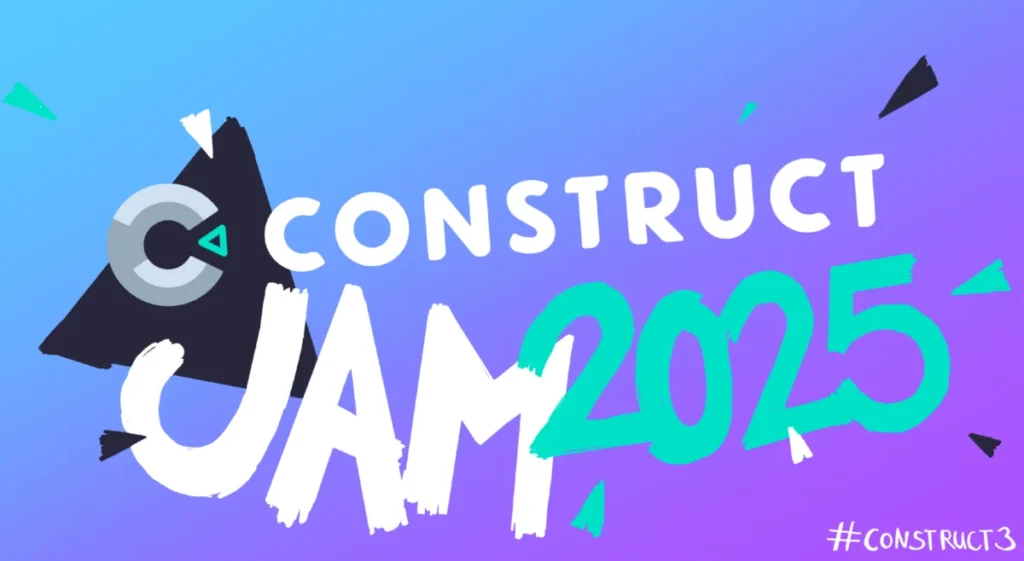
Similarly, the CONSTRUCT JAM 2025 demonstrated the power of specialized engine communities. By focusing exclusively on the Construct engine, the organizers (Blue Pin Studio, Armaldio, and skymen75) were able to curate a high-quality pool of entries that adhered strictly to the "Tough Choice" theme. These numbers—often numbering in the hundreds of entries per jam—reveal that itch.io is not merely a distribution platform; it is a critical hub for technical skill-sharing.
Technical Requirements and Judging Criteria
A common misconception among outsiders is that game jams are "anything goes" environments. On the contrary, modern jams are increasingly professionalized, often mirroring the constraints and expectations of commercial development.
- Playability and Polish: In the Pirate Software Jam, judges look specifically for browser compatibility—a high bar for web-based games that must handle various hardware configurations.
- Mechanical Integrity: The ScoreSpace Jam mandates that developers implement functional leaderboard systems, effectively forcing participants to engage with backend integration and UI/UX design.
- Thematic Adherence: Across almost all events, "theme implementation" remains the primary metric for success. Whether it is the constraint of "Foxes" in the Mini Jam or the "confined space" requirement of the Horror Ham-Jam, the ability to creatively interpret a prompt is the hallmark of a successful submission.
Official Responses and Community Feedback
The atmosphere surrounding these jams is not without its complexities. While the platform continues to foster creativity, the community remains vocal regarding the platform’s administrative decisions.
In recent discussions on the itch.io forums, developers have expressed a mix of gratitude for the platform’s accessibility and frustration over policy changes. Comments regarding content moderation and the implementation of AI-generated assets in thumbnails have surfaced as recurring points of contention. One user, reflecting on recent platform updates, noted that while the influx of new games is "beautiful to see," the relationship between the developers and the hosting platform remains sensitive, particularly regarding transparency and community communication.
Despite these tensions, the enthusiasm for the jams themselves remains undiminished. The community continues to use these spaces to showcase their work, troubleshoot bugs, and provide peer-to-peer feedback. The "support" section of the blog—while occasionally met with skepticism—indicates a persistent, albeit sometimes strained, dialogue between the platform operators and the creators who keep the ecosystem alive.
Implications for the Future of Indie Gaming
What do these trends suggest for the future of the industry?
- Specialization: We are seeing a shift away from "generic" game jams toward highly specialized events. Whether it is engine-specific (Construct), genre-specific (Horror), or mood-specific (Cozy), developers are finding more success when they cater to niche interests.
- Professionalization: The shift toward requiring Game Design Documents and complex leaderboard integration suggests that the line between a "jam game" and a "commercial prototype" is blurring. Many successful indie titles began as jam entries that were later fleshed out into full releases.
- The "Tournament" Model: The popularity of the GDKO (Game Dev Knockout) indicates that developers are hungry for competitive formats. The gamification of the development process itself provides a psychological incentive that keeps creators engaged, moving them through multiple rounds of iteration.
Conclusion: How to Get Involved
For those looking to enter the fray, the process is straightforward but demanding. The primary advice from organizers is to start small. Whether you are participating in a 72-hour sprint or a three-month-long road trip project, the key to success is scope management.
Prospective participants are encouraged to browse the full itch.io jams calendar to identify events that align with their specific skill sets. For those who feel inspired to lead, the official guide to hosting your own jam offers a blueprint for building a community, setting rules, and managing the judging process.
As we move deeper into 2025, one thing is certain: the spirit of indie game development remains resilient. Through these jams, developers are not just building games—they are building a culture of rapid iteration, community support, and relentless creativity that will undoubtedly shape the gaming landscape for years to come.