Games of the Week: Navigating the Complexity of Labor, Whimsy, and Collective Growth
In the rapidly evolving landscape of independent game development, the themes of labor, societal structure, and community have moved from the periphery to the center of discourse. While gaming is often viewed as an escape from the mundanity of daily existence, a new wave of developers is using the medium to reflect, critique, and reimagine the very systems that govern our lives. This week, we examine three titles that challenge the traditional relationship between player and game, shifting the focus from individual conquest to systemic participation.
1. The Existential Weight of Time Bandit: Labor as a Mechanic
At the forefront of this thematic exploration is Time Bandit, a title that dares to ask what happens when the exploitative nature of the modern workplace is mapped directly onto the player’s real-world schedule.
The Philosophy of Real-Time Precarity
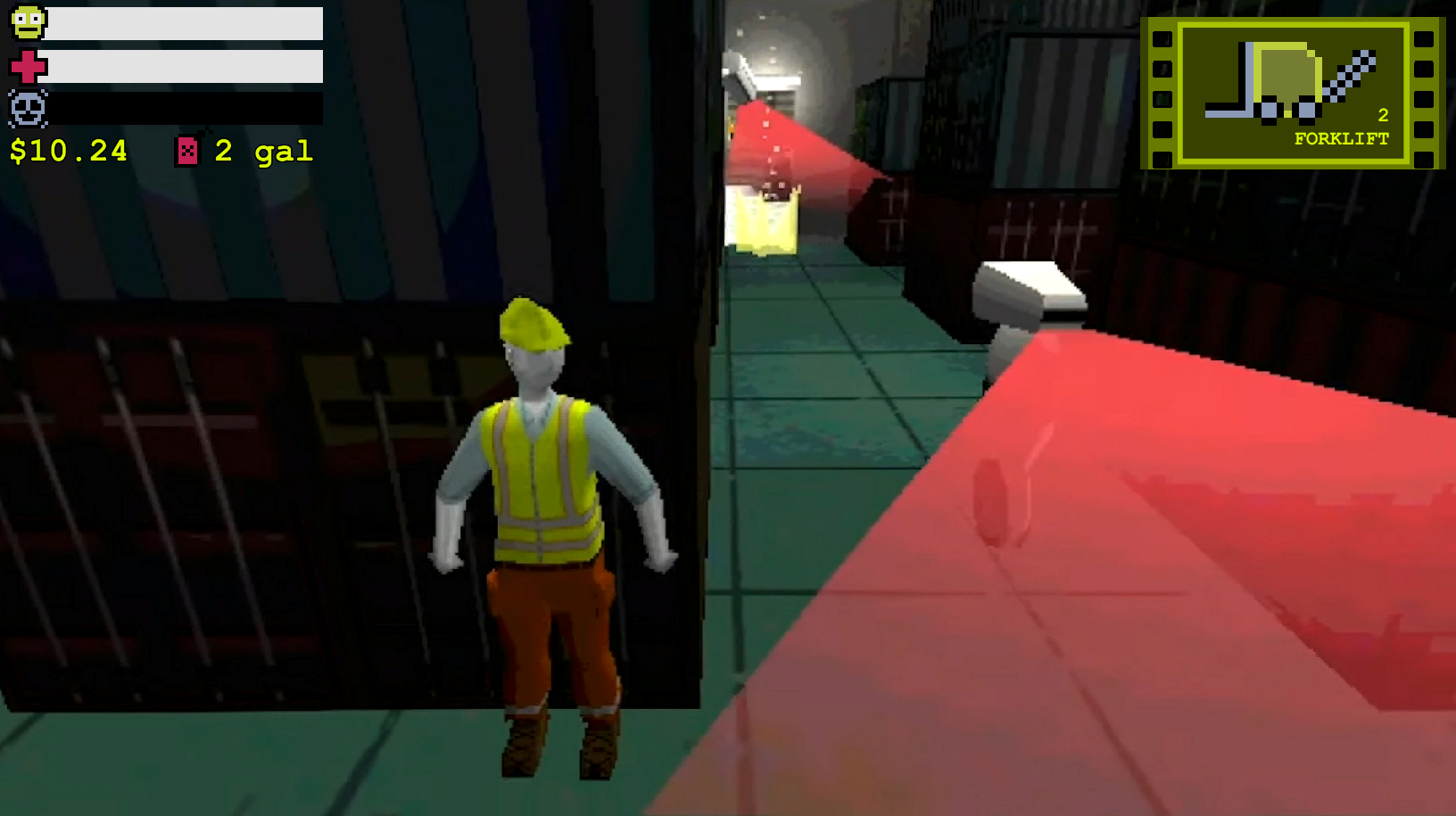
Time Bandit is not merely a game about working; it is an exercise in synchronization. By tethering its gameplay loop to real-world time and external variables like local weather, the developer has created a uniquely uncomfortable, yet compelling, experience. When the game’s internal clock determines you are "on shift," your presence at the virtual job site is mandatory.
The tasks assigned are deliberately time-consuming, forcing players to grapple with the realization that their limited free time is being siphoned away by menial, repetitive virtual labor. This mirrors the precarious nature of the capitalist machine, where the fruits of one’s labor are often alienated from the laborer themselves.
Stealth as Subversion
The game bifurcates into two distinct phases: the "on-shift" labor phase and the "off-shift" stealth phase. In the latter, the player is given the opportunity to reclaim the value they generated during their shift. This mechanic serves as a powerful metaphor for class struggle, pitting the player against the very systems they were previously forced to maintain. Choosing between the safety of peaceful, compliant labor and the high-risk, high-reward path of the "Time Bandit" provides a profound narrative tension that few AAA titles would ever dare to explore.
2. Ducky’s Delivery Service: The Paradox of High-Octane Whimsy
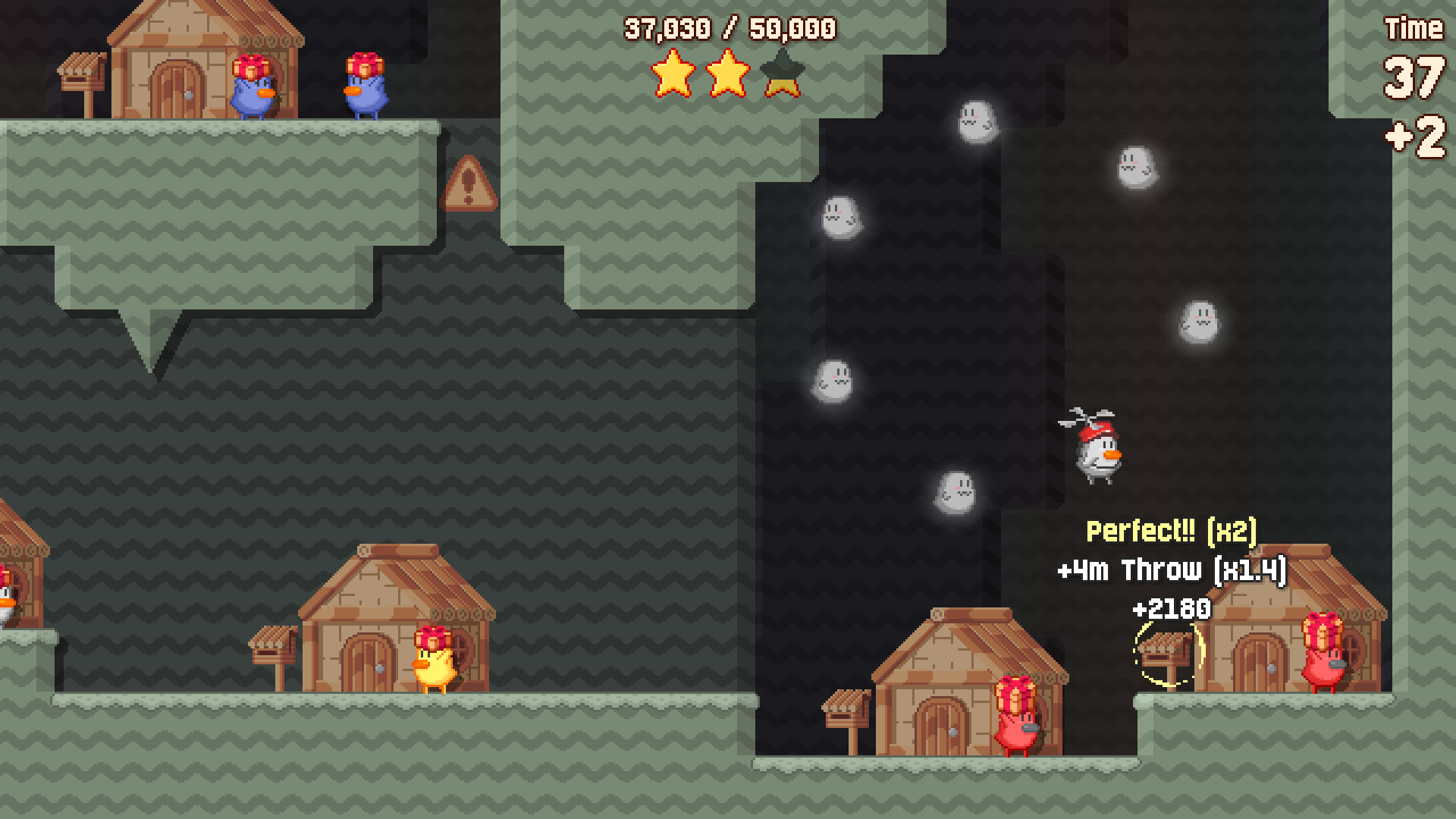
While Time Bandit explores the darker implications of labor, Ducky’s Delivery Service pivots toward the more energetic, rewarding side of the work experience. It replaces the anxiety of the corporate office with the frantic, joyful energy of a delivery professional—who just happens to be a duck with a helicopter backpack.
The Mechanics of Mastery
On its surface, Ducky’s Delivery Service is a simple arcade experience. Players must navigate treacherous levels, delivering packages while maintaining altitude through rhythmic, repetitive button inputs reminiscent of classic titles like Balloon Flight. However, beneath the adorable aesthetic lies a deep, intricate scoring system that caters to the "sweaty" competitive gamer.
The game incentivizes trick shots, combos, and speed, transforming a mundane delivery job into a high-stakes performance. It is a masterclass in game design: accessible enough for a casual player to pick up and enjoy, yet deep enough to satisfy those who live for leaderboard dominance.
Accessibility and Inclusivity
One of the most notable aspects of Ducky’s Delivery Service is its robust suite of accessibility tools. By allowing players to calibrate the game’s difficulty and control schemes, the developer ensures that the thrill of the delivery is available to a wide audience. This inclusive design philosophy serves as a reminder that the "labor" of gaming should be defined by the player’s agency, not by arbitrary barriers.
3. Communite: The Power of Collective Building
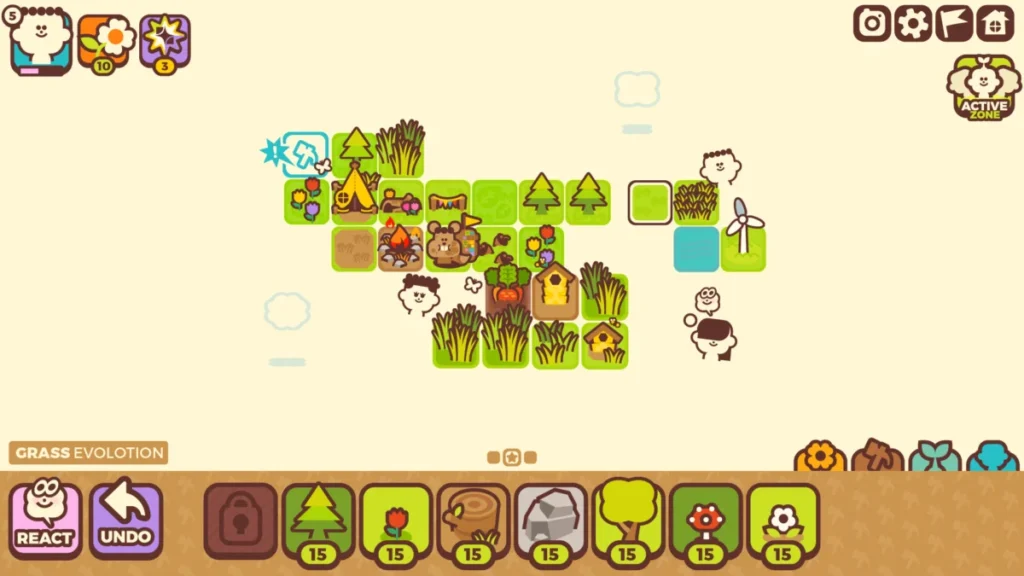
If Time Bandit is about the struggle of the individual and Ducky’s Delivery Service is about the performance of the professional, Communite is about the necessity of the collective. It is a title that reimagines the multiplayer experience not as a series of battles, but as a long-term collaborative project.
The Architecture of Cooperation
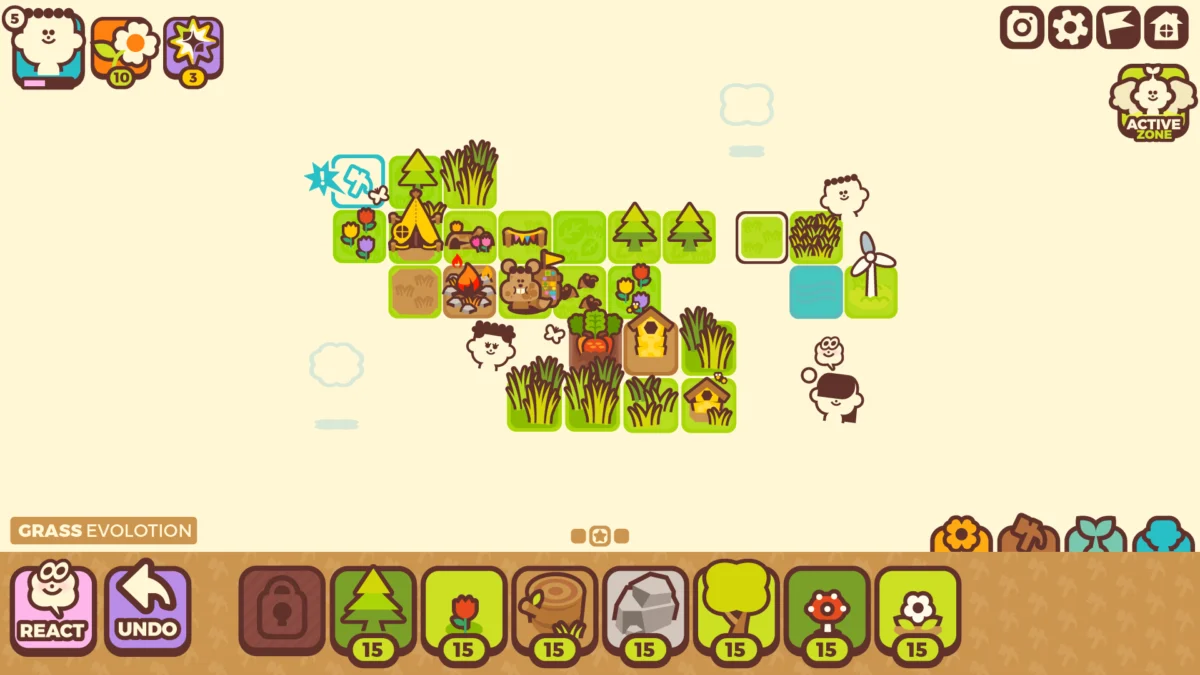
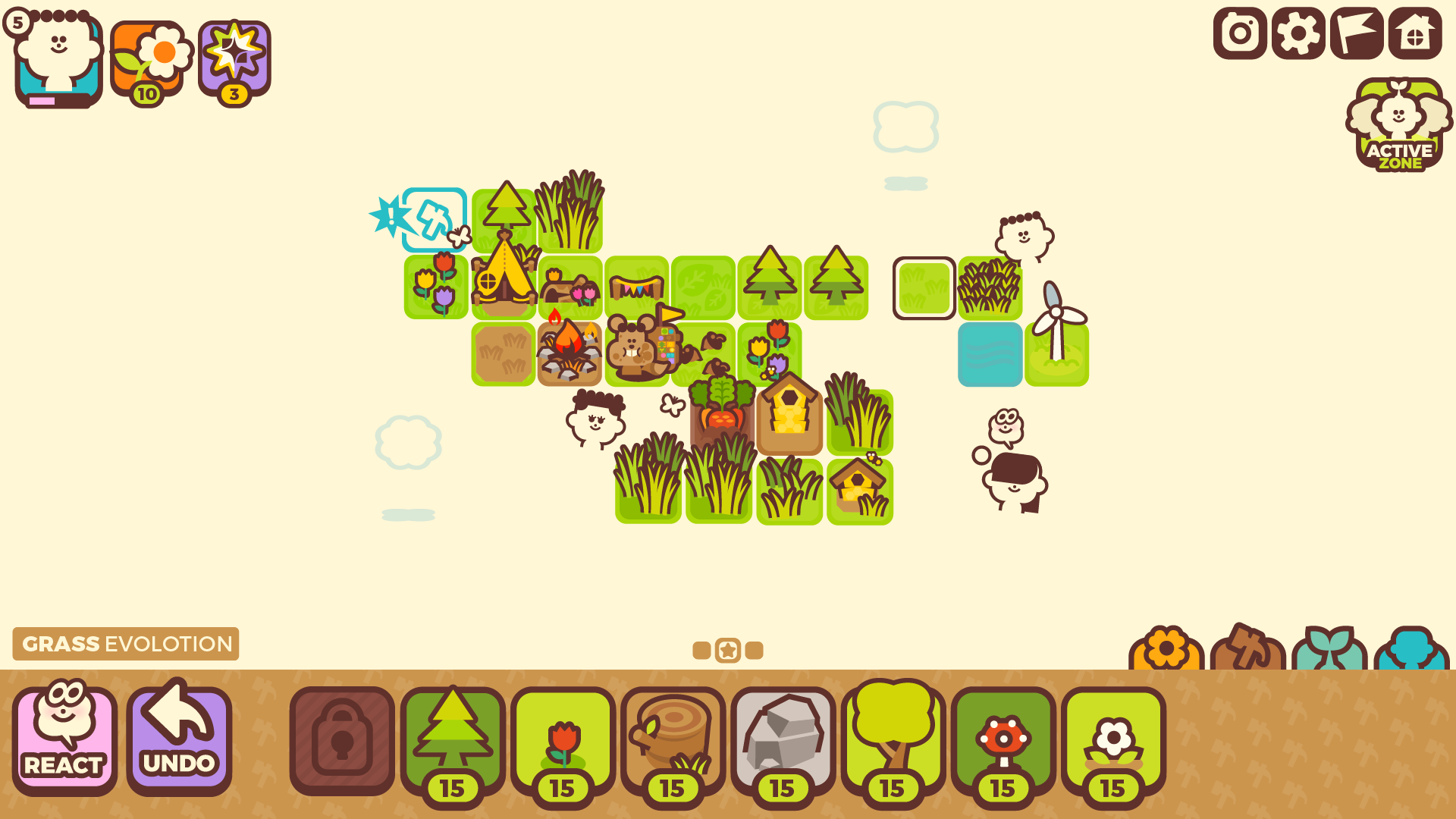
In Communite, individual agency is intentionally constrained. While players are free to initiate projects and decorate a top-down, isometric world, they are physically incapable of completing these tasks alone. Every structure, from a simple garden fence to a grand monument, requires the contributions of others. This design forces a shift in perspective: the player stops viewing the world as something to be "beaten" and starts viewing it as a space to be cultivated.
The Passive Social Loop
The game’s stamina system is a stroke of brilliance. By limiting how much a single player can contribute at any given time, the developer mandates that users log out and return to find their world transformed by the actions of their neighbors. This creates a "community-first" rhythm. When a player logs in, they are directed to the area in most desperate need of support, effectively gamifying altruism.
Communite succeeds because it trusts its players. It acknowledges that the most rewarding experiences in gaming aren’t always found in the heat of combat, but in the quiet satisfaction of knowing that you have contributed to something greater than yourself.
Chronology of Development and Impact
The emergence of these titles follows a clear trend in the indie scene over the last 24 months.
- Early 2022: Initial prototypes for "labor-based" mechanics began surfacing on itch.io, focusing on the intersection of real-time clock integration and game progression.
- Late 2022: The success of experimental, low-stakes "cozy" games created a market appetite for titles that emphasized community building over competitive combat.
- Mid-2023: Developers began merging these two worlds—taking the technical rigor of arcade games and the socio-political commentary of labor simulators—to create the current batch of hits we see today.
The reception of these titles has been overwhelmingly positive. Community forums and social media metrics indicate that players are increasingly looking for games that respect their time and values, leading to a rise in "slow gaming" trends where the player’s role is that of a steward rather than a conqueror.
Implications for the Future of Indie Gaming
The success of Time Bandit, Ducky’s Delivery Service, and Communite suggests a fundamental shift in the gaming industry’s trajectory.
The Death of the "Solo Hero" Myth
For decades, the standard for gaming has been the "lone hero" narrative—the idea that one player, through skill and persistence, can conquer any challenge. These three titles systematically dismantle that narrative. Whether by showing the hollowness of individual labor (Time Bandit), the necessity of community support (Communite), or the joy found in accessibility and shared performance (Ducky’s), these games reflect a more nuanced, realistic, and perhaps more optimistic view of the world.
Sustainability and Player Wellbeing
The industry is moving toward a model of "sustainable play." Developers are realizing that by incorporating accessibility, real-world time management, and collaborative mechanics, they can create experiences that are not only more engaging but more conducive to player health. The days of "grinding" for the sake of artificial engagement are being replaced by designs that value the player’s time as a precious commodity.
The Role of the Platform
Platforms like itch.io continue to be the incubators for these revolutionary ideas. By providing a home for developers who operate outside the constraints of traditional publishing, itch.io acts as a vital artery for the industry’s creative health. The "Games of the Week" series is more than just a recommendation list; it is a barometer for the changing values of the gaming public.
Conclusion: A New Frontier
Whether you choose to challenge the system in Time Bandit, push your reflexes to the limit in Ducky’s Delivery Service, or help build a better world in Communite, this week’s recommendations offer more than just entertainment. They offer a mirror. They ask us to consider how we work, how we play, and most importantly, how we relate to one another in an increasingly digitized society.
As these trends continue to develop, we can expect to see more titles that bridge the gap between social commentary and interactive art. For now, the call is clear: the strength of our gaming future lies not in the power of our processors, but in the power of our communities.
What have you been playing lately? Do you find that your gaming habits are shifting toward more collaborative or reflective experiences? Let us know your thoughts in the comments below.