The Sovereign Home: Reclaiming Privacy in the Age of Ubiquitous Connectivity
The vision of the "home of the future" has long been a staple of popular culture, most famously encapsulated by the 1962 animated series The Jetsons. In that mid-century dream, technology was a silent, obedient servant: lights activated upon entry, meals were synthesized at the touch of a button, and the environment catered to the inhabitant’s every whim. Decades later, that vision has largely materialized. We live in an era of smart speakers, intelligent thermostats, and internet-connected appliances. However, this convenience has arrived with a hidden cost—a constant, invisible stream of data flowing from our private sanctuaries to the servers of global tech giants.
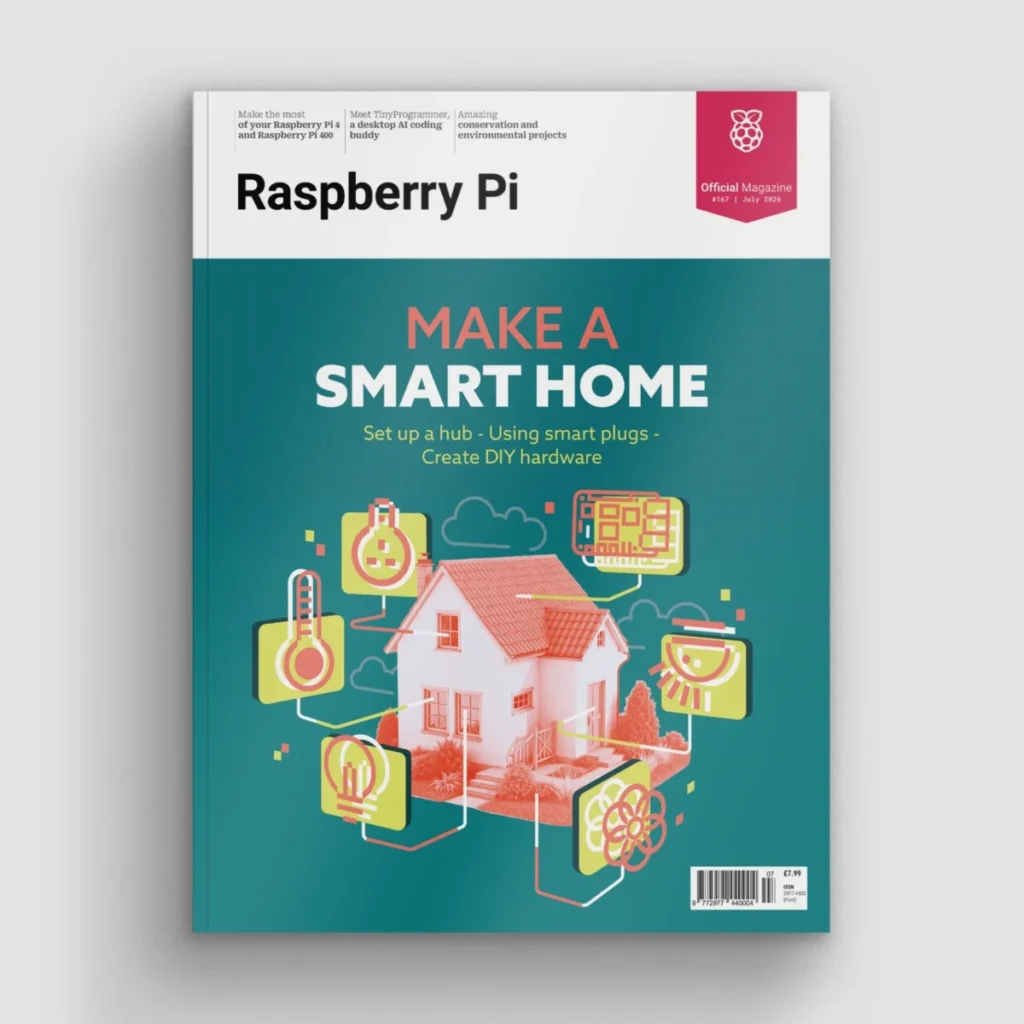
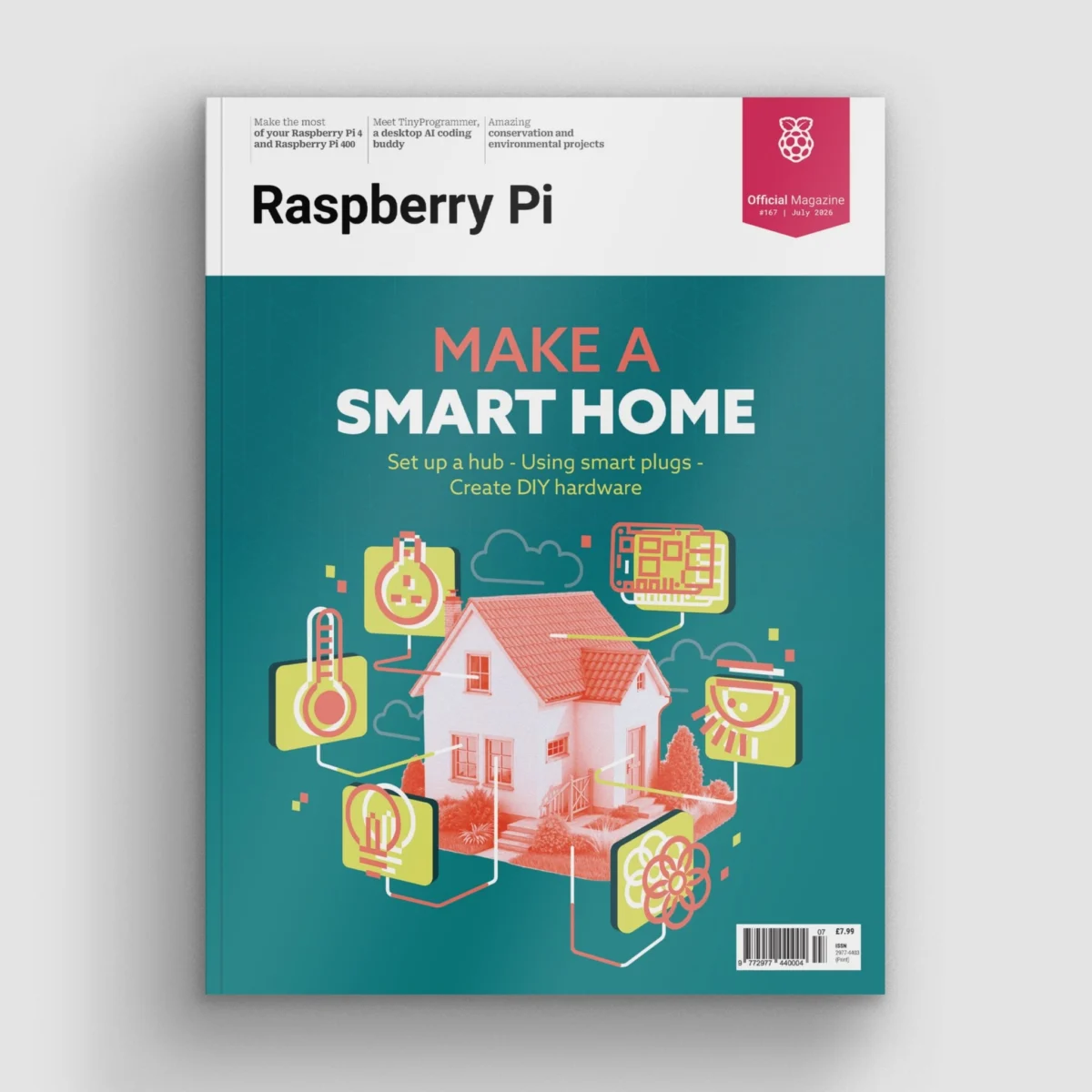
As the latest issue of the Raspberry Pi Official Magazine (Issue 167) highlights, the modern smart home is no longer just a collection of gadgets; it is a complex data ecosystem. While the convenience is undeniable, the "chatter" between domestic devices and third-party data centers has raised significant concerns regarding privacy, security, and digital sovereignty. The solution, increasingly adopted by tech-savvy homeowners, lies in shifting the "brain" of the smart home from the cloud to the local network using accessible hardware like the Raspberry Pi.
Main Facts: The State of the Connected Home
The contemporary smart home is characterized by its reliance on "the cloud"—a euphemism for remote servers owned by manufacturers. Whether it is a smart bulb from a startup in Shenzhen or a voice assistant from a Silicon Valley behemoth, these devices are rarely self-contained. They require an active internet connection to process commands, update firmware, and, crucially, report analytics.
According to the latest industry insights and the feature report by Ben Everard in Raspberry Pi Official Magazine, the primary challenge for consumers is the opacity of these systems. Most users agree to Terms and Conditions (T&Cs) that they never read, effectively signing away their domestic data in exchange for the ability to dim their lights via a smartphone app. This data includes everything from usage patterns—which can indicate when a house is empty—to voice recordings and even floor maps generated by robotic vacuum cleaners.
The movement toward a "privacy-first" smart home seeks to decouple functionality from internet dependency. By utilizing platforms like Home Assistant and hardware like the Raspberry Pi, users can create a centralized hub that manages devices locally. This ensures that a command to "turn on the kitchen light" stays within the four walls of the home, rather than traveling across the Atlantic and back.
Chronology: From Animated Dreams to Data Realities
To understand the current tension between convenience and privacy, one must look at the evolution of home automation:
- 1962: The Jetsons premieres, setting the cultural expectation for automated living. Technology is depicted as a tool for leisure and efficiency, with no mention of data harvesting.
- Early 2000s: The "Internet of Things" (IoT) begins to take shape. Early devices are often expensive, niche, and require professional installation.
- 2010–2015: The explosion of consumer-grade IoT. The launch of the Nest Thermostat (2011) and Amazon Echo (2014) democratizes smart home technology. Connectivity becomes the standard, and "the cloud" becomes the primary architecture for these devices.
- 2018–2022: Growing public awareness of data privacy. High-profile leaks and the implementation of GDPR in Europe begin to change the conversation around how much data smart devices should be allowed to collect.
- 2023: A landmark report from the UK House of Commons Committee highlights the sheer scale of device penetration in domestic spaces, prompting calls for better regulation and consumer education.
- Present: A "local-first" counter-movement gains momentum. Enthusiasts and privacy advocates pivot toward open-source solutions like Home Assistant and Pi-hole to reclaim control over their digital environments.
Supporting Data: The Scale of Domestic "Chatter"
The scale of the modern connected home is larger than many realize. In 2023, a report by the House of Commons Culture, Media and Sport Committee, titled "Connected tech: smart or sinister?", provided startling statistics on the UK’s adoption of IoT technology.
The report stated that 77% of UK adults own at least one smart home device. More impressively, the average UK household now contains nine such devices. These range from smart TVs and speakers to more utilitarian items like connected washing machines and security cameras.
Each of these nine devices represents a potential point of data egress. Technical analysis of IoT traffic reveals that these devices are constantly "phoning home." They send telemetry data to manufacturers, conduct DNS queries through third-party infrastructure, and maintain persistent connections to analytics servers. For a household with nine devices, this creates a constant "chatter" that continues 24 hours a day, regardless of whether the devices are actively being used.
The hardware requirements for managing this data locally are surprisingly modest. While the Raspberry Pi 5 represents the current pinnacle of performance for the platform, experts note that the Raspberry Pi 4—even models with lower RAM configurations—is more than capable of acting as a robust smart home hub. This accessibility is crucial for the democratization of privacy, allowing users to repurpose older hardware to secure their modern networks.
Official Responses and Expert Perspectives
The push for privacy-first systems is not merely a hobbyist trend; it is a response to the systemic vulnerabilities of cloud-reliant architecture. Ben Everard, a leading voice in the Raspberry Pi community, argues that local control is about more than just avoiding "tinfoil hat" paranoia. It is about "digital health."
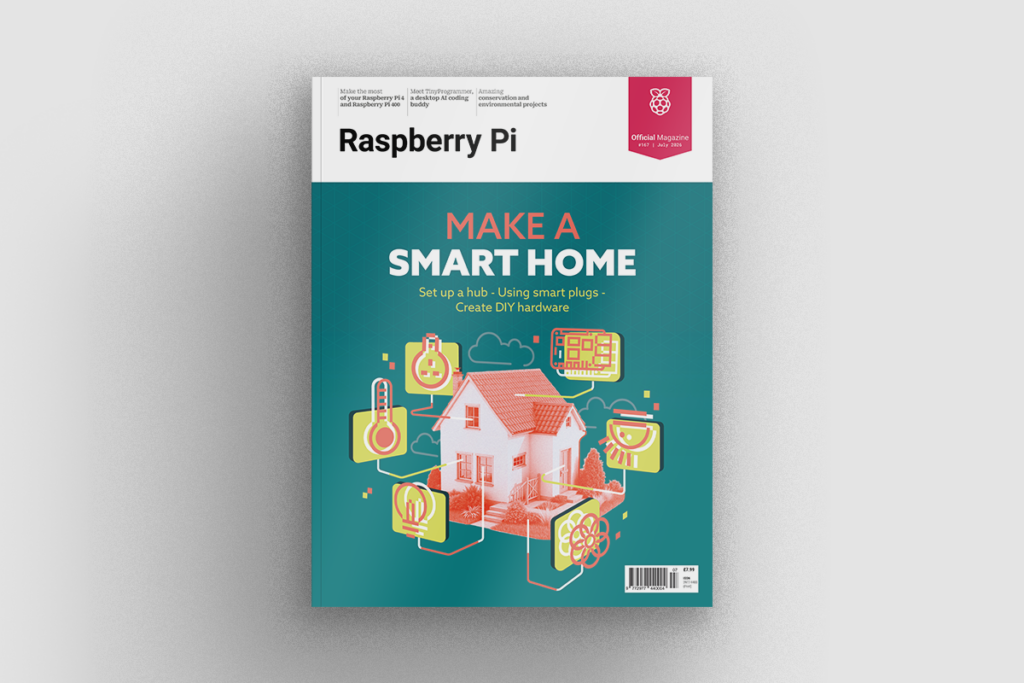
Everard’s recent work highlights the "floaty clouds" of manufacturers as a point of failure. If a company goes bankrupt or decides to end support for a product, a cloud-dependent device becomes a "brick"—useless electronic waste. By contrast, a locally controlled device continues to function as long as the local hub is active.
This sentiment is echoed by literary and cultural figures. Author Jeanette Winterson famously remarked, "If you want to keep your own teeth, make your own sandwiches." In the context of the digital age, this translates to a call for self-reliance. If users want to maintain their privacy and the longevity of their devices, they must understand and manage the "ingredients" of their home network.
Furthermore, the Raspberry Pi organization itself has responded to user demand by emphasizing tutorials for privacy-centric tools. Internal analytics from the Raspberry Pi chatbot—trained on years of magazine archives—reveal that Pi-hole remains one of the most popular tutorials in the community’s history. Pi-hole acts as a network-wide ad and tracker blocker, preventing smart devices from communicating with known tracking servers at the DNS level.
Implications: The Future of the Sovereign Home
The shift toward local-first smart homes has profound implications for the future of consumer electronics and personal privacy.
1. Data Sovereignty and Security
By hosting a smart home hub locally, users practice data sovereignty. They decide what information is stored and for how long. This also reduces the "attack surface" for hackers. A breach of a major cloud provider could expose the data of millions of homes simultaneously; however, a locally secured network requires a targeted effort to compromise, making the average user significantly safer.
2. Environmental Sustainability
The "local-first" approach combats planned obsolescence. When a device is no longer dependent on a manufacturer’s server, its lifespan is determined by its physical durability rather than a corporate board’s decision to sunset a service. This reduces e-waste and promotes a more sustainable model of technology consumption.
3. The Impact of the AI Boom
The current global focus on Artificial Intelligence and the subsequent roll-out of massive AI data centers has had a side effect on the hardware market. Increased demand for silicon and server components has, at times, fluctuated the availability and price of consumer microcomputers. However, the ability to run sophisticated home automation on older, low-cost hardware like the Raspberry Pi 4 provides a buffer against these market pressures, ensuring that privacy remains affordable.
4. Education and Empowerment
The popularity of Issue 167 of the Raspberry Pi Official Magazine and projects like Pi-hole suggests a growing "maker" class that is no longer content with "black box" technology. As more individuals learn to build and manage their own systems, the power dynamic between consumers and tech giants begins to shift.
Conclusion
The dream of The Jetsons is here, but it requires a new kind of stewardship. As we surround ourselves with nine or more connected devices, the responsibility of managing those connections falls upon the user. The Raspberry Pi ecosystem offers a path forward—one where the convenience of a smart home does not come at the expense of personal privacy.
For those looking to begin this journey, the resources are more accessible than ever. Whether through a digital subscription or a physical copy of The MagPi, the community is providing the blueprints for a home that is not only smart but also secure and truly private. As we look toward a future dominated by AI and ubiquitous connectivity, the humble Raspberry Pi stands as a vital tool for those who wish to "make their own sandwiches" and maintain their digital health.
Issue 167 of the Raspberry Pi Official Magazine is currently available at the Raspberry Pi Store in Cambridge, online for worldwide shipping, and via digital platforms on Android and iOS. New subscribers for six- or twelve-month print editions are currently eligible to receive a free Raspberry Pi Pico 2 W, further expanding the possibilities for local, privacy-focused innovation.