The Dawn of the Tactical Tricorder: How the ATLAS System is Redefining Field Intelligence
In the annals of science fiction, few devices are as iconic or as coveted as the Star Trek Tricorder. For decades, the notion of a handheld device capable of sensing, analyzing, and interpreting the physical world in real-time remained a fantasy of the 23rd century. However, the gap between science fiction and functional reality has narrowed to the point of erasure. Enter the ATLAS—the Advanced Tactical Laboratory and Analysis System.
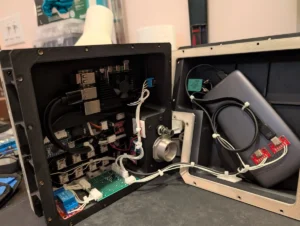
Developed by engineer Apollo Timbers and his firm, Second Robotics, the ATLAS is not a prop or a toy; it is a ruggedized, high-performance field tool designed for the most unforgiving environments on Earth. Built upon the cutting-edge Raspberry Pi RP2350 microcontroller architecture, the ATLAS represents a paradigm shift in how explorers, engineers, and first responders interact with their surroundings.
Main Facts: A Convergence of Sensing and Intelligence
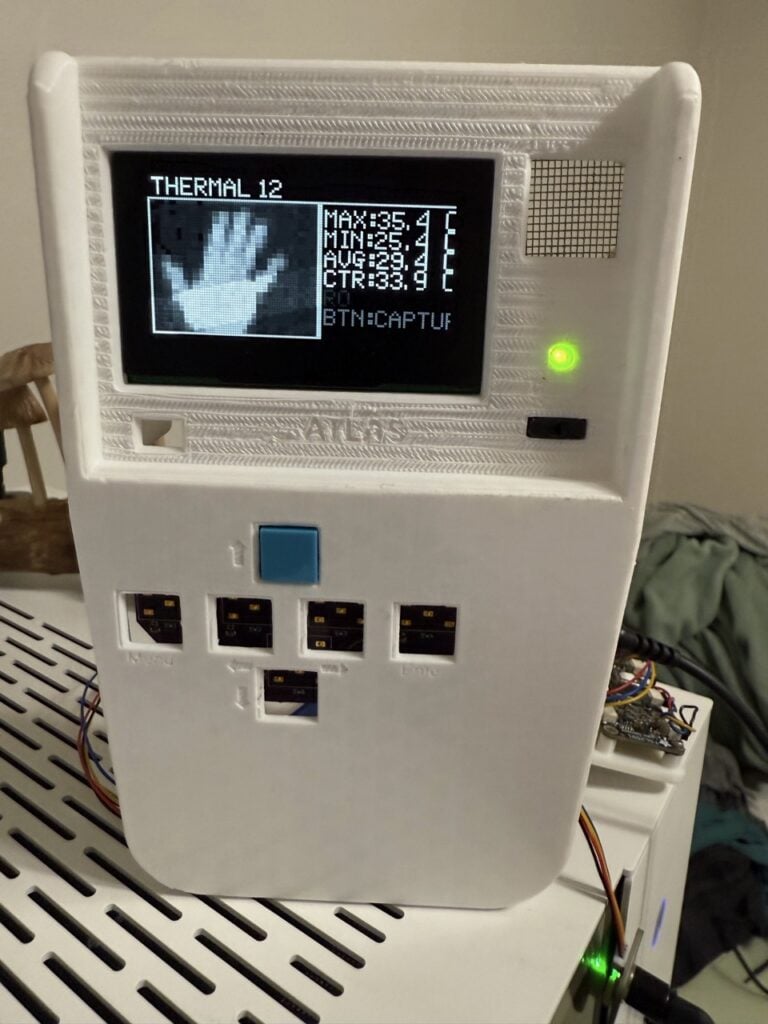
The ATLAS is defined by its ability to provide "actionable intelligence" rather than mere sensor readings. While traditional handheld meters might display a raw numerical value for radiation or atmospheric pressure, the ATLAS interprets that data through its onboard logic to provide direct, plain-English warnings.
The Core Mission
The device is engineered to serve three primary functions: environmental monitoring, biological identification, and threat detection. It is designed for users who need to know, instantly and without an internet connection, whether the air is breathable, the weather is turning dangerous, or the flora and fauna in their immediate vicinity are hazardous.
Key Hardware Specifications
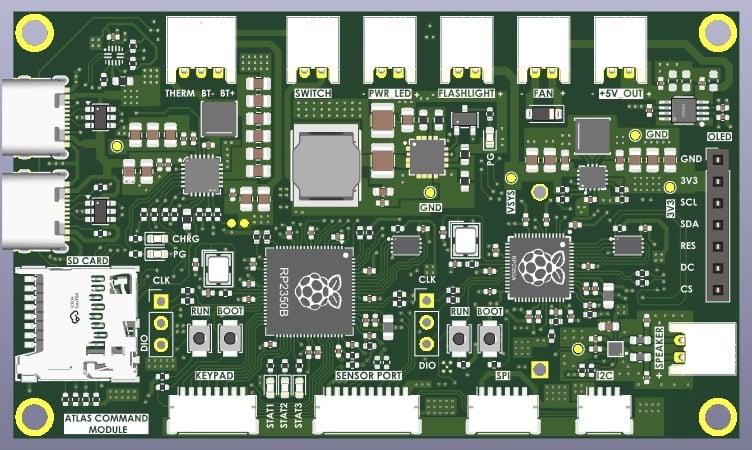
- Processing Power: Dual Raspberry Pi RP2350 microcontrollers (one RP2350A and one RP2350B).
- AI Acceleration: Integrated Google Coral Mini AI for edge computing.
- Imaging: 5MP onboard camera for visual analysis.
- Connectivity: Integrated GPS for geo-tagging every data point; designed for offline operation (no Wi-Fi/Bluetooth required for core functions).
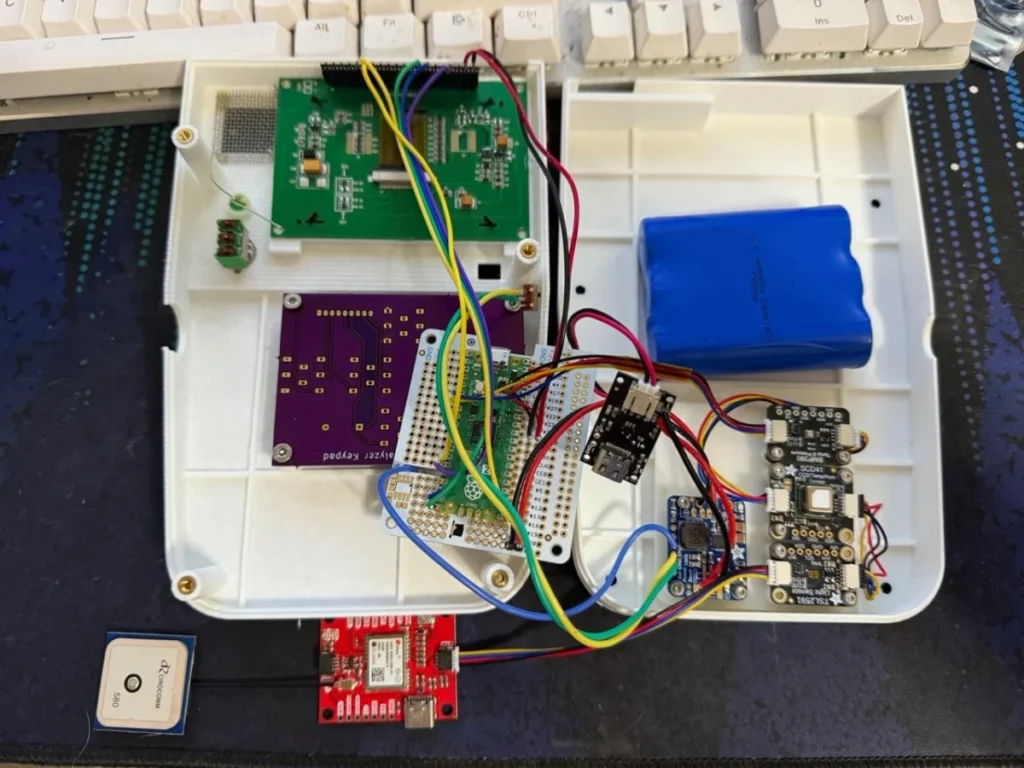
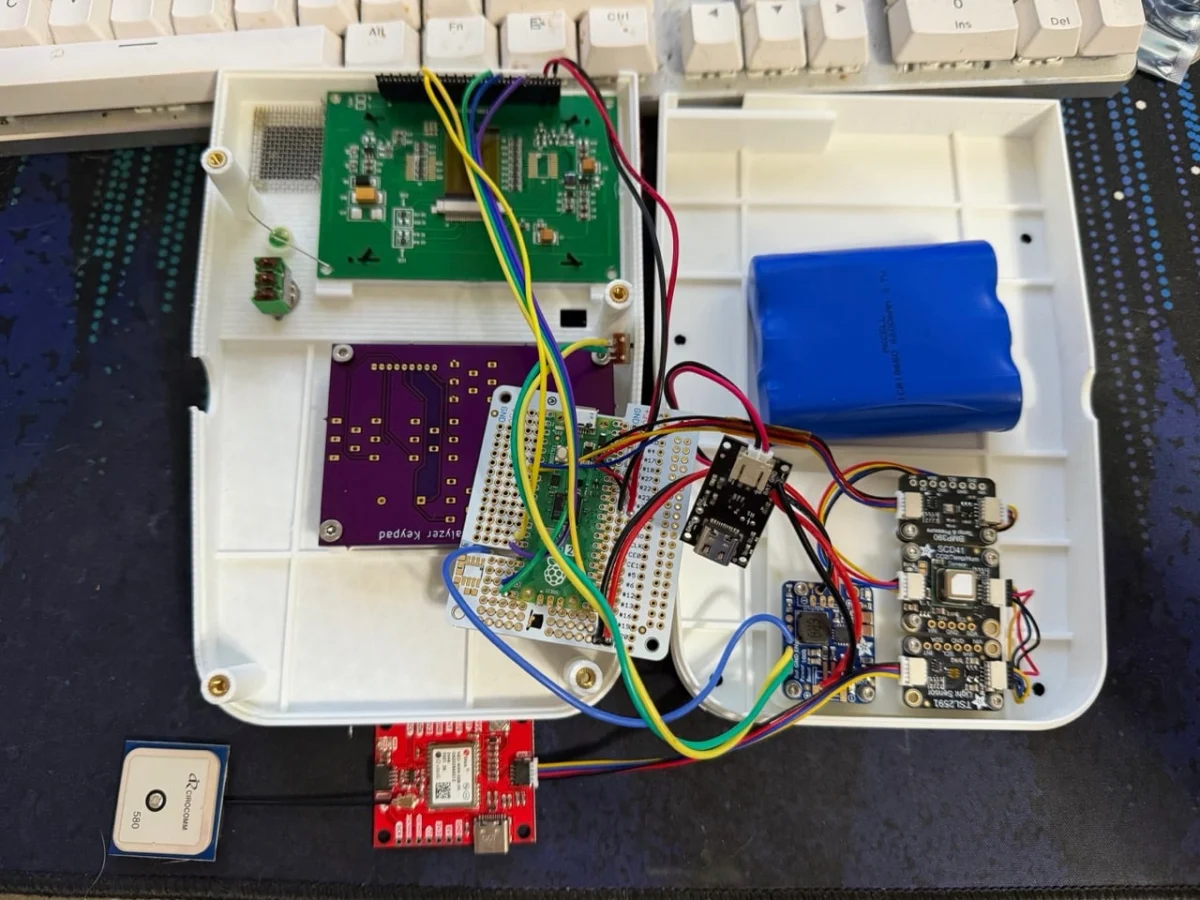
- Sensors: A massive stack including Geiger counters for radiation, CO2 and VOC sensors, barometric pressure, humidity, light, sound, and a 9-axis Inertial Measurement Unit (IMU).
By combining these components, Timbers has created a device that doesn’t just see the world—it understands it.
Chronology: From Concept to 2026-Era Reality
The development of the ATLAS was a meticulous process that spanned approximately one year, though its roots lie in the long-standing desire of the maker community to replicate the utility of fictional scanning devices using modern silicon.
The Development Cycle
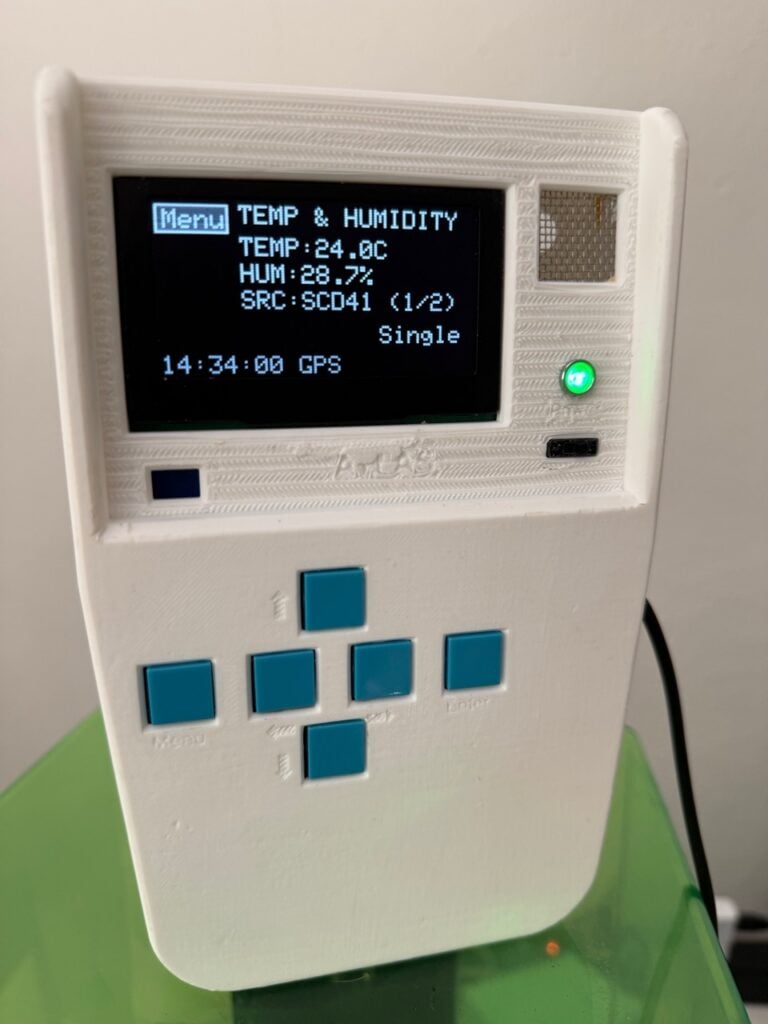
Apollo Timbers, an engineer with a focus on robotics and environmental systems, began the project with a clear goal: to consolidate a dozen disparate laboratory tools into a single, handheld chassis. Throughout the development year, the project evolved from a collection of breadboarded sensors to a sophisticated multi-PCB (Printed Circuit Board) system.
The timing of the development was critical. The project coincided with the release of the Raspberry Pi RP2350, the successor to the wildly popular RP2040. The RP2350 offered the increased security, higher clock speeds, and expanded I/O (Input/Output) necessary to handle the massive sensor fusion required by the ATLAS.
The Integration of Voice
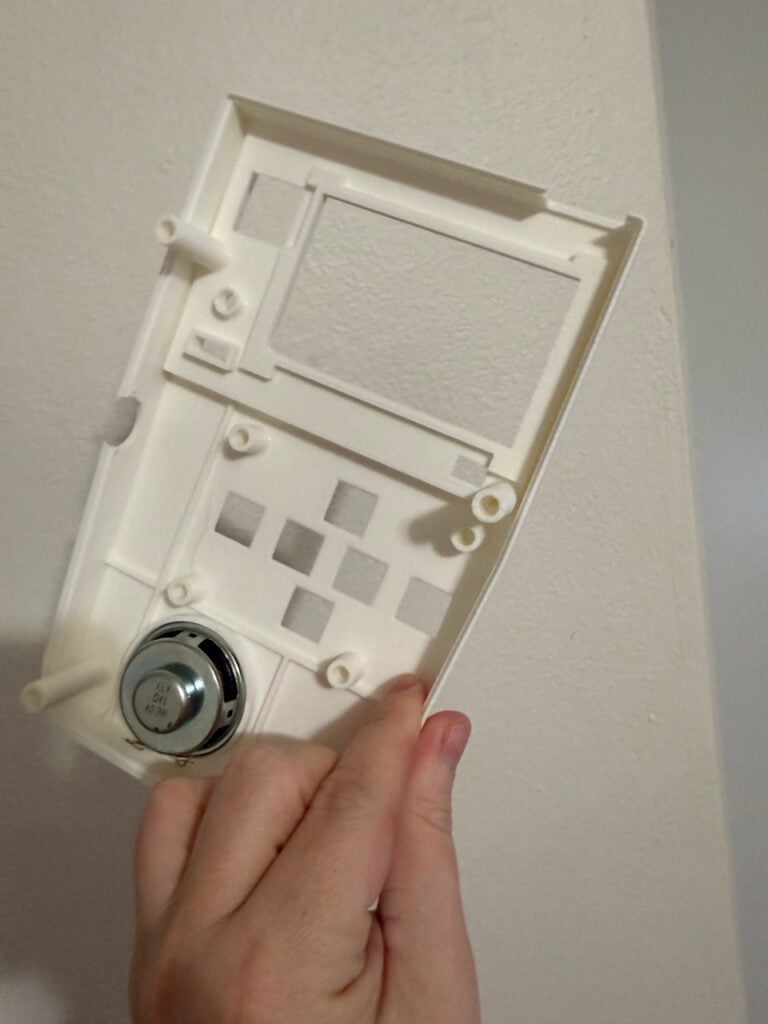
A significant milestone in the chronology was the decision to implement a "voice" for the device. Rather than using modern, high-fidelity text-to-speech, Timbers looked back to the late 1970s. By implementing a TMS5100-class linear predictive coding (LPC) speech synthesizer, he gave the ATLAS a retro-futuristic auditory identity. As Timbers noted during the development phase, "A 1978-lineage voice on your 2024 silicon… felt right." This was finalized in late 2024, setting the stage for the device’s deployment in the field.
Supporting Data: The Engineering Behind the "Tricorder"
To understand the ATLAS, one must look "under the hood" at the sophisticated distribution of labor between its dual processors and its specialized AI hardware.
Dual-Processor Architecture
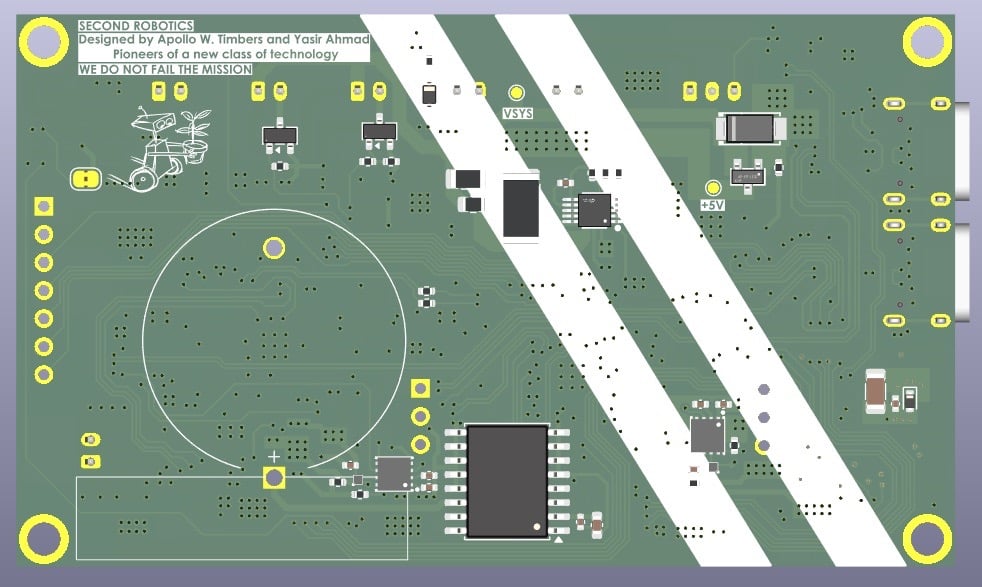
The ATLAS utilizes a "Command Module" powered by two distinct RP2350 chips, each with a dedicated role:
- The RP2350B (The "Main Brain"):
This chip was chosen for its higher pin count and memory capacity. It manages the primary sensor stack, including the environmental and weather monitoring systems. It handles the "heavy lifting" of sensor fusion—taking disparate data points from the IMU, the barometer, and the gas sensors to predict incoming storms or detect atmospheric threats. - The RP2350A (The "Communication Specialist"):
This chip is dedicated to the user interface and the speech synthesis system. By offloading the vocal alerts and display management to a second processor, the ATLAS ensures that critical sensor monitoring is never interrupted by UI lag.
The Sensor Stack and Fusion
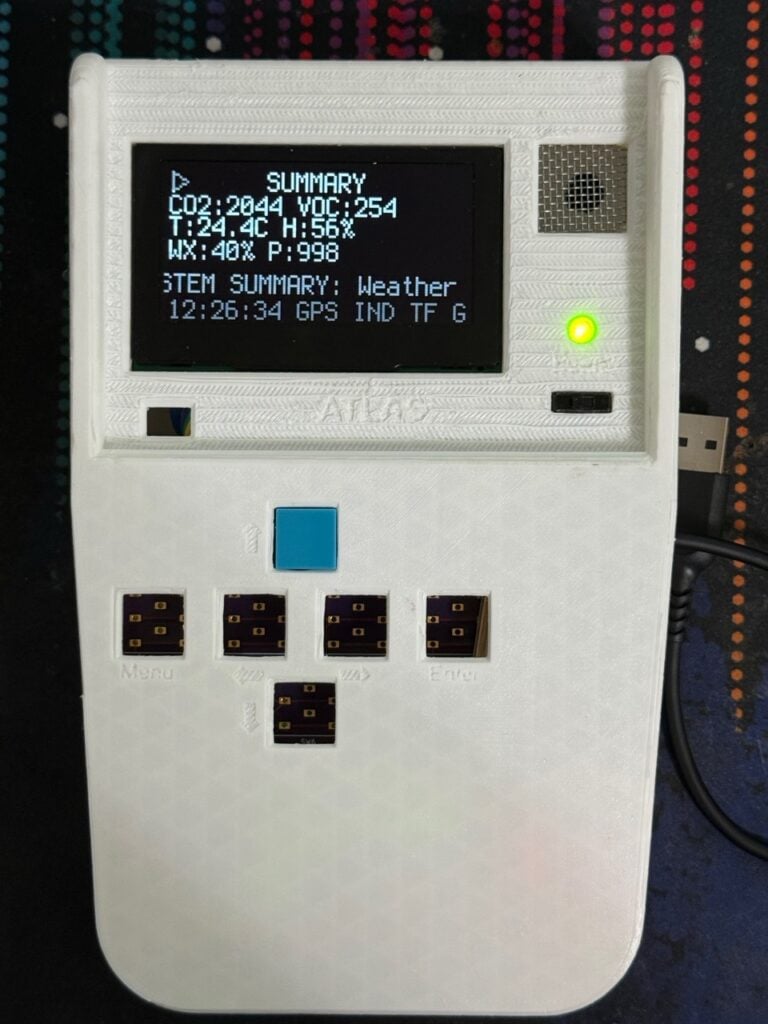
The "massive" sensor stack is the heart of the device. It includes:
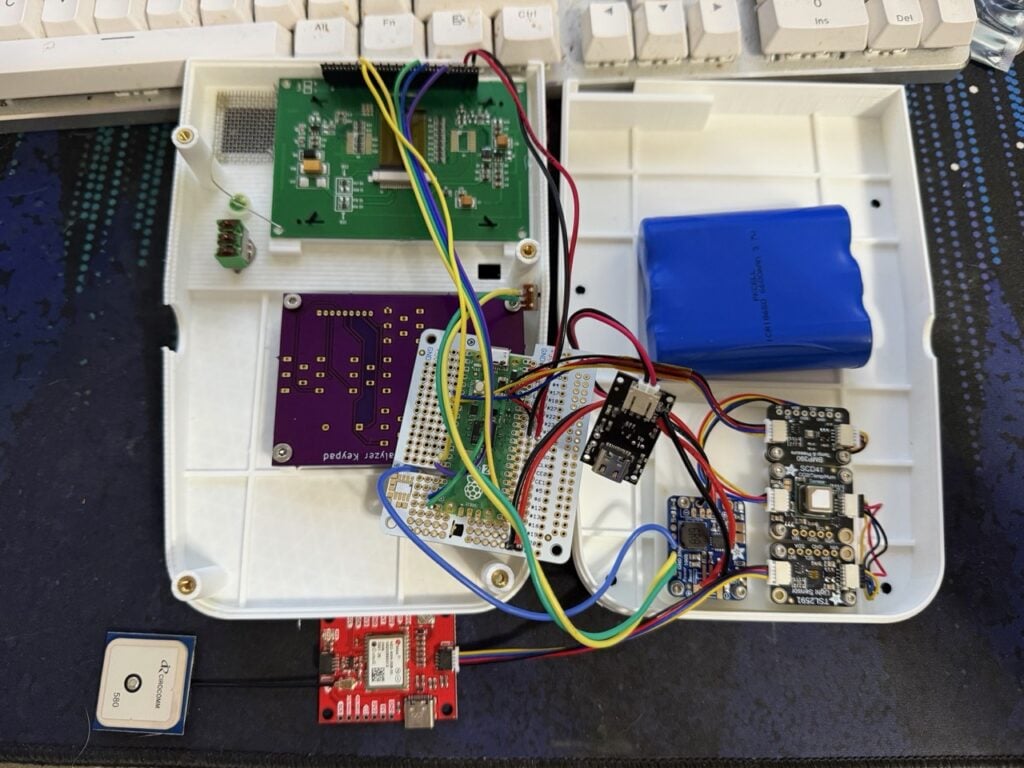
- Radiation Detection: Real-time monitoring of background levels with threshold alerts (e.g., "Leave area now").
- Atmospheric Analysis: CO2 and Volatile Organic Compounds (VOCs) monitoring to ensure air safety in confined spaces or industrial zones.
- Meteorological Tools: Uses pressure and humidity trends to provide on-device weather forecasts with percentage-based probability (e.g., "Storm incoming in 2 hours. 68% chance").
- Magnetic and Inertial Sensing: A 9-axis IMU and magnetic field sensors for navigation and detecting anomalies in the local environment.
Edge AI with Google Coral
The inclusion of the Google Coral Mini AI allows the ATLAS to perform complex computer vision tasks. The 5MP camera captures images of rocks, plants, or insects, and the Coral Mini runs local inference models to identify them. This is achieved entirely offline, a necessity for deep-field exploration where cloud-based AI is inaccessible.
Official Responses and Maker Perspectives
The creation of the ATLAS has garnered significant attention from both the maker community and the manufacturers of its core components. Raspberry Pi Ltd., the British company behind the RP2350, has highlighted the ATLAS as a flagship example of what their new silicon can achieve in the hands of a skilled engineer.
The Maker’s Philosophy
Apollo Timbers, representing Second Robotics, emphasizes the importance of usability in high-stress environments. In a recent statement, he explained:
"The sensor stack is massive—IMU, pressure, CO, CO2, radiation, light, microphone, and more. ATLAS doesn’t just collect data, it runs sensor fusion across the stack to understand where it is and what’s happening around it, and warns the operator when something is going to hurt them."
Timbers also praised the documentation of the Raspberry Pi silicon, noting that "the datasheet is readable, which is rarer than it should be." This accessibility allowed for the complex dual-chip coordination that makes the ATLAS possible.
The Role of Second Robotics
Second Robotics has positioned the ATLAS not just as a gadget, but as a "Tactical Laboratory." Their design philosophy focuses on "rugged handheld field tools" that bridge the gap between hobbyist electronics and professional-grade survival equipment. The company’s focus remains on providing "real, actionable intelligence" for users who cannot afford to wait for a data connection to interpret their environment.
Implications: A New Era of Decentralized Intelligence
The emergence of the ATLAS has profound implications for several sectors, ranging from industrial safety to scientific research and disaster response.
1. Industrial Safety and First Response
In hazardous environments—such as mines, chemical plants, or disaster zones—the ability to have a localized, "always-on" threat detection system is life-saving. Because the ATLAS provides plain-English instructions rather than raw data, it reduces the cognitive load on workers or responders in high-stress situations. A warning like "Leave area now" is more effective than a flashing "0.5 μSv/h" display for a non-specialist.
2. Scientific Exploration in Remote Areas
For geologists and biologists working in "dead zones" without satellite or cellular coverage, the ATLAS provides a mobile laboratory. The ability to geo-tag soil readings or identify plant species using on-board AI allows for rapid data collection that was previously only possible with a team of specialists and heavy equipment.
3. The Future of Edge Computing
The ATLAS is a testament to the power of "Edge AI"—the practice of processing data locally rather than in the cloud. As privacy concerns and the need for offline reliability grow, devices like the ATLAS show that high-performance microcontrollers like the RP2350 can handle tasks that previously required a full desktop computer.
4. Democratizing Advanced Technology
By using relatively affordable components like the Raspberry Pi RP2350, Timbers has demonstrated that sophisticated, multi-sensor systems are no longer the exclusive domain of military or aerospace corporations. The "Maker" movement is evolving into a "Professional-Maker" movement, where individuals can design and manufacture tools that rival industrial standards.
Conclusion
The ATLAS (Advanced Tactical Laboratory and Analysis System) stands as a landmark achievement in handheld technology. It honors its science-fiction inspirations while delivering a level of utility that is strictly 21st-century. As Apollo Timbers and Second Robotics continue to refine the system, the ATLAS serves as a reminder that with the right silicon and a clear vision, the tools of the future are already in our hands. Whether it is predicting a storm on a mountain peak or detecting a silent gas leak in a laboratory, the ATLAS is the new gold standard for survival in an unpredictable world.