The Unlikely Voyage: How a Swedish Innovator Harnessed Steam to Propel a Canoe
Headline: Swedish Engineer Ignites a Steamy Revival, Transforming a Wilderness Canoe into a Remarkable Steam-Powered Vessel
In a world increasingly dominated by electric motors and high-efficiency internal combustion engines, a singular act of engineering ingenuity from Sweden has captured the imagination of enthusiasts globally. Kenneth Karlsson, a visionary mechanic and innovator, has unveiled a meticulously crafted steam-powered canoe, an astonishing feat that marries the rustic charm of a traditional Grumman prospector canoe with the formidable, albeit vintage, power of steam. This audacious project, documented in detail on his YouTube channel "Steam Canoe," challenges conventional notions of watercraft propulsion and stands as a testament to the enduring appeal of hands-on engineering.
Far from the common idiom of "whatever floats your boat," Karlsson has demonstrated a preference for what "paddles your canoe" – and in his case, that power source is nothing less than pressurized steam. His creation is more than a mere curiosity; it is a fully functional, self-contained steam system integrated into a classic wilderness vessel, sparking conversations about alternative propulsion, historical engineering, and the sheer joy of mechanical craftsmanship.
Main Facts: A Glimpse into the Steam Canoe Phenomenon
The core of this compelling story revolves around Kenneth Karlsson’s extraordinary transformation of a standard canoe into a unique steam-driven craft. The project, recently showcased in a detailed video tour, highlights an intricate system designed for both functionality and safety.
Who: The mastermind behind this innovative project is Kenneth Karlsson, a Swedish engineer or highly skilled hobbyist, whose YouTube channel, "Steam Canoe," serves as the primary platform for sharing his creation and insights. His expertise in mechanical systems and a clear passion for steam power are evident in the meticulous design and execution of the canoe.
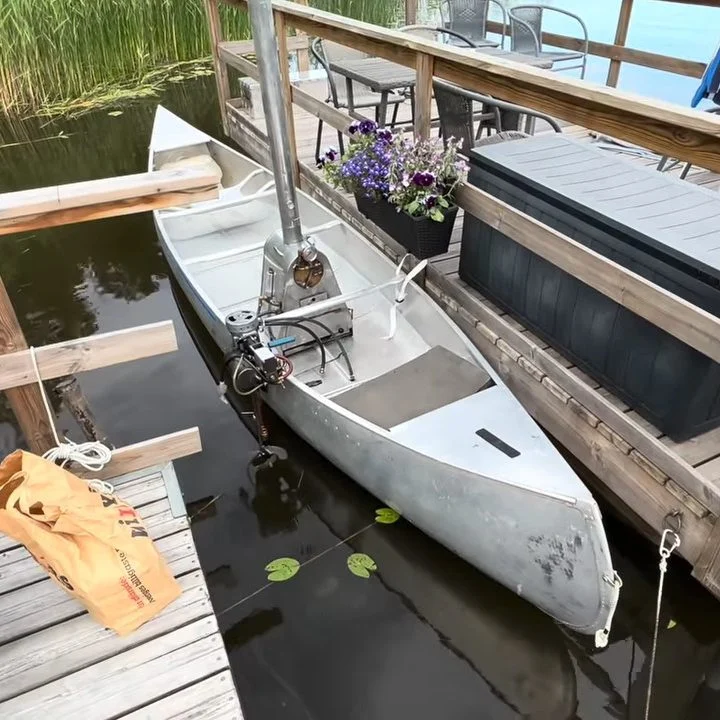
What: Karlsson has converted a traditional Grumman "prospector" type canoe into a steam-powered vessel. This involves retrofitting a small boiler, a converted outboard motor acting as a steam engine, and an array of auxiliary systems necessary for steam generation and propulsion. The choice of a Grumman prospector, known for its robust construction and ample carrying capacity, is crucial for accommodating the additional weight and bulk of the steam apparatus.
Where: While the specific body of water where the canoe operates is not explicitly stated in the initial report, it is understood to be a lake or calm waterway in Sweden, Karlsson’s home country. The serene backdrop of such an environment provides a fitting stage for this blend of traditional watercraft and historical power.
When: The public unveiling of this project occurred recently through the aforementioned YouTube video. While the precise duration of the build is not detailed, such a complex undertaking would undoubtedly span a considerable period of design, fabrication, and testing.
Why: Karlsson’s motivation appears rooted in a blend of mechanical curiosity, a desire to explore alternative propulsion methods, and perhaps an admiration for the elegance and power of steam technology. It’s a venture into personal innovation, demonstrating that established technologies can be reimagined and applied in novel contexts.
How: The conversion process is multifaceted. A small boiler is centrally mounted amidships within the canoe, a strategic placement to maintain optimal balance. This boiler generates steam, which is then fed via carefully routed lines to an adapted outboard motor. The original internal combustion engine of the outboard has been expertly converted to function as a single-cylinder steam engine. A crucial element of the system is a heat exchanger, which efficiently utilizes exhaust steam to pre-warm incoming lake water before it enters the boiler, significantly enhancing thermal efficiency. Furthermore, the intake water is filtered to protect the boiler from impurities, a testament to Karlsson’s attention to detail and long-term operational integrity. The entire system is a delicate balance of pressure, heat, and mechanical motion, all orchestrated to provide propulsion to the canoe.
Chronology: From Concept to Steamy Reality
The journey of any significant engineering project is often a complex tapestry woven from inspiration, design, setbacks, and triumphs. While Karlsson’s full chronology isn’t publicly detailed, we can infer a logical progression for such an ambitious undertaking.
The Genesis of an Idea: A Spark of Steam
The initial spark for the steam canoe project likely emerged from a deep-seated passion for mechanical engineering and a fascination with steam power. Karlsson, a skilled individual, probably harbored an interest in historical machinery, perhaps owning or restoring steam engines or simply admiring their operational principles. The idea of combining this archaic yet powerful technology with a seemingly incongruous vessel like a canoe might have arisen from a desire to create something truly unique, a personal challenge to push the boundaries of conventional watercraft. His choice of a canoe, rather than a larger, more stable boat, suggests an appreciation for minimalism and efficiency, forcing creative solutions to spatial and stability constraints. This initial conceptualization would have involved mental blueprints, preliminary sketches, and research into suitable components.
Design and Fabrication Journey: Crafting the Vision
Once the concept solidified, the practical phase of design and fabrication would have commenced.
- Canoe Selection: The choice of a Grumman "prospector" type canoe was a critical early decision. Its robust aluminum construction, wide beam, and inherent stability make it an ideal platform for carrying the substantial weight of a boiler, engine, and associated plumbing without compromising seaworthiness. This selection demonstrates Karlsson’s foresight regarding the structural demands of his project.
- Component Sourcing: The next step would involve sourcing the key components: a suitable small boiler (perhaps custom-built or repurposed from another application), an old two-stroke outboard motor ripe for conversion, and various ancillary parts like pumps, valves, gauges, and piping. This stage often involves scouring salvage yards, online marketplaces, and specialist suppliers.
- Engine Conversion: The transformation of a two-stroke internal combustion outboard into a single-cylinder steam engine is a feat of mechanical adaptation. This would involve dismantling the original engine, fabricating or adapting a new cylinder and piston assembly capable of handling steam pressure, and ensuring robust seals and precise timing. The existing crankshaft and propeller drive system would likely be retained, minimizing modifications to the propulsion end.
- System Integration: The most intricate part of the build would be integrating all these disparate components into a cohesive, functional system within the limited confines of the canoe. This involves:
- Boiler Mounting: Securing the boiler amidships, not just for balance but also to manage heat and potential hazards. This requires a stable, heat-resistant platform.
- Plumbing and Wiring: Designing and installing the steam lines, water feed lines, and any electrical systems (for igniters, pumps, or gauges). The decision to mount the outboard off one side, rather than a more traditional stern mount, was a practical one driven by the need for shorter steam lines. Shorter lines mean less heat loss, less material, and crucially, a reduced risk of steam leaks and potential scalding – a clear indication of Karlsson’s focus on safety.
- Auxiliary Systems: Integrating the heat exchanger, water filtration system, and fuel supply for the boiler. Each of these components requires careful placement and connection to ensure efficient and reliable operation.
Testing and Refinement: The Maiden Voyages
Bringing such a complex system to life invariably involves a rigorous process of testing and refinement. Initial trials would likely be conducted on land, testing steam generation, pressure regulation, and engine function without the added variables of water. Once deemed safe for initial water trials, the canoe would be launched. These maiden voyages would be critical for:
- Performance Evaluation: Assessing speed, maneuverability, fuel consumption, and steam generation rates.
- Stability Checks: Ensuring the canoe remains stable under power and with the shifting weight of the operator and equipment.
- Safety Audits: Vigilantly monitoring for any leaks, overheating components, or unexpected behaviors in the steam system. Adjustments to pressure settings, valve timings, and system layout would be made iteratively.
- Boiler Management: Understanding the boiler’s cleaning requirements and establishing a maintenance schedule.
Public Unveiling: Sharing the Innovation
The culmination of this extensive effort was the public unveiling through the "Steam Canoe" YouTube channel. The detailed video tour serves not only as a demonstration of the craft’s capabilities but also as an educational resource, allowing viewers to appreciate the intricacies of Karlsson’s engineering. This sharing aspect is vital, transforming a personal project into an inspiration for a global community of makers and enthusiasts.
Supporting Data: The Mechanics and History of a Steam Dream
Karlsson’s steam canoe is a fascinating blend of historical principles and modern DIY engineering. To truly appreciate its significance, it’s essential to delve into its technical specifics and contextualize it within the broader history of steam power.
Technical Specifications and Ingenuity
- The Grumman Prospector Canoe: The choice of a Grumman prospector is highly practical. These canoes are renowned for their robust, lightweight aluminum construction, exceptional stability, and generous carrying capacity, making them ideal for extended wilderness trips. This inherent stability is crucial for accommodating the significant weight of the boiler, water, and engine, while the durable aluminum body can withstand the stresses of mounting and vibration. Its wide beam also provides ample space for the various components without feeling overly cramped.
- The Boiler System: At the heart of the system is the boiler, responsible for generating steam. While the specific type (e.g., fire-tube or water-tube) isn’t detailed, for a small, recreational craft, a relatively low-pressure, quick-steaming design would be preferred for safety and operational efficiency. The fuel source (likely propane or wood, given the wilderness context) would need to be considered for heat output and ease of resupply. The boiler’s placement amidships is a classic maritime engineering principle, ensuring that the heavy mass is centralized, minimizing trim changes and maintaining the canoe’s lateral stability. The pressure generated, while not "super high pressure," as noted in the original article, is still substantial enough to demand respect and rigorous safety protocols.
- The Steam Engine Conversion: Converting an old two-stroke outboard motor into a steam engine is a masterclass in mechanical adaptation. A two-stroke engine’s simplicity makes it a good candidate for conversion. Karlsson would have removed the original cylinder head and piston, fabricating or adapting a new cylinder specifically designed for steam. This new cylinder would house a piston connected to the existing crankshaft, allowing the steam pressure to drive the propeller. The valving mechanism, crucial for admitting and exhausting steam, would be custom-designed, likely using a simple slide valve or poppet valve system. This conversion leverages the robust lower unit and propeller drive of the outboard, saving considerable fabrication effort.
- The Heat Exchanger and Water Management: The inclusion of a heat exchanger is a testament to Karlsson’s focus on efficiency. By using the exhaust steam to pre-warm incoming lake water, the boiler requires less energy to bring the water to boiling point, thereby reducing fuel consumption and speeding up steam generation. This closed-loop aspect, where exhaust heat is recovered, is a hallmark of good thermal engineering. The water filtration system is equally critical. Lake water often contains sediment, organic matter, and minerals. Filtering this water before it enters the boiler prevents scale buildup and fouling, which can significantly reduce the boiler’s efficiency, compromise its structural integrity, and lead to costly maintenance or even dangerous malfunctions. The diligence required for boiler cleaning, as highlighted, cannot be overstated, especially when operating with natural water sources.
Historical Context of Steam Power
Steam power, once the undisputed king of industrial and transportation revolutions, holds a storied place in human history.
- Early Innovations: From Hero of Alexandria’s aeolipile in the 1st century AD to Newcomen’s atmospheric engine in the early 18th century, the concept of harnessing steam has captivated inventors for millennia. James Watt’s improvements in the late 18th century, leading to the efficient separate condenser engine, truly ushered in the Industrial Revolution.
- Steam in Watercraft: The application of steam power to boats began in the late 18th and early 19th centuries, with pioneers like John Fitch and Robert Fulton demonstrating commercially viable steamboats. These vessels revolutionized riverine and coastal transport, enabling faster, more reliable movement of goods and people. Steamships grew in size and power, eventually dominating ocean travel throughout the 19th and early 20th centuries.
- Decline and Niche Revival: The rise of the internal combustion engine in the late 19th century and its subsequent refinement throughout the 20th century gradually eclipsed steam power in most applications, particularly in smaller recreational craft. Internal combustion engines offered greater power-to-weight ratios, quicker startup, and less operational complexity. However, steam power never entirely disappeared. It persisted in niche applications, industrial settings, and, crucially, among enthusiasts and hobbyists who appreciate its mechanical elegance, historical significance, and unique operational characteristics. Karlsson’s steam canoe is a direct descendant of this enduring passion for steam.
The Niche of Experimental Craft
Karlsson’s work fits squarely into the vibrant world of DIY engineering, alternative propulsion, and experimental boat building. This community thrives on innovation, problem-solving, and a willingness to challenge established norms. From electric conversions of classic cars to pedal-powered submarines, the drive to create, modify, and improve is a powerful force. The steam canoe stands out as a particularly evocative example, blending a deep respect for historical engineering with a creative approach to modern-day recreation. It’s a reminder that not all innovation needs to be driven by commercial viability; sometimes, the purest form of invention comes from personal curiosity and the satisfaction of building something truly unique.
Official Responses: Navigating Uncharted Waters
While there are no direct "official responses" from governmental bodies regarding Kenneth Karlsson’s specific steam canoe, his project inevitably raises questions about the regulatory landscape for such unique experimental vessels. Furthermore, the online community’s reception serves as a crucial form of "response" to his ingenuity.
Regulatory Landscape for Experimental Vessels
Operating a steam-powered vessel, even a small canoe, falls into a unique grey area within maritime regulations. Most countries, including Sweden and those within the European Union, have strict rules governing the design, construction, and operation of pressure vessels (like boilers) and watercraft.
- Boiler Regulations: Boilers, by their very nature, operate under high pressure and temperature, posing inherent safety risks if not properly designed, constructed, and maintained. Regulations often mandate specific material standards, welding certifications, safety valve requirements, and periodic inspections by certified authorities. For a commercially built or operated steam vessel, compliance would be non-negotiable. For a personal, experimental craft like Karlsson’s, the burden of ensuring safety primarily rests with the builder. He would likely be operating under personal liability, relying on his own expertise and meticulous adherence to best practices rather than formal regulatory oversight, unless specific local laws dictate otherwise for experimental craft.
- Vessel Registration and Safety: Canoes are generally exempt from complex registration requirements, especially if unmotorized. However, adding a motor, regardless of its propulsion type, often changes its classification. In many jurisdictions, any motorized vessel must be registered and adhere to basic safety equipment requirements (life jackets, signaling devices). The unique nature of a steam engine might require additional safety considerations, such as fire suppression, robust guarding of hot surfaces, and clear operational procedures in case of emergency. It’s plausible that Karlsson operates his canoe under a recreational classification, with an understanding that his craft is for personal use and he assumes full responsibility for its safe operation.
- Environmental Considerations: While steam itself is not a pollutant, the combustion process to heat the boiler can produce emissions. Depending on the fuel (e.g., wood vs. propane), there could be smoke or particulate matter. Regulations on water pollution might also apply if there’s any discharge from the system (though the heat exchanger suggests a relatively closed loop for the working fluid).
- The Builder’s Responsibility: In the absence of specific regulations for such a bespoke craft, Karlsson’s personal responsibility for safety is paramount. His design choices, such as the shorter steam lines to minimize leak risks and the diligent water filtration and boiler cleaning, demonstrate an acute awareness of these responsibilities.
Community Reception and Online Engagement
The "official response" from the global community, particularly on platforms like YouTube and Hackaday, has been overwhelmingly positive, mixed with a healthy dose of constructive critique and safety concerns.
- Admiration and Inspiration: Viewers have expressed profound admiration for Karlsson’s ingenuity, craftsmanship, and the sheer audacity of the project. Many see it as an inspiring example of what dedicated individuals can achieve outside conventional manufacturing. Comments frequently praise the elegant simplicity of the conversion and the aesthetic appeal of a steam-powered canoe.
- Technical Discussion and Questions: The online community, often comprising engineers, hobbyists, and mechanics, has engaged in detailed technical discussions. Questions range from specific boiler pressures and fuel consumption to the design of the steam cylinder and the efficiency of the heat exchanger. This interaction fosters a valuable exchange of knowledge and helps refine understanding of the project’s technical merits.
- Safety Concerns: Predictably, a significant portion of the discussion revolves around safety. The inherent dangers of steam – scalding, boiler explosions – are well-known. Commenters frequently highlight these risks, prompting discussions about safety valves, robust construction, and proper operational procedures. Karlsson’s video, by showcasing the design decisions aimed at mitigating these risks, implicitly addresses many of these concerns, reinforcing his commitment to safe engineering practices.
- Practicality and Efficiency Debates: While the project is largely seen as a passion endeavor, discussions also touch upon its practicality and efficiency compared to modern alternatives like electric outboards. While steam might not win on these metrics, the consensus is that the project’s value lies not in surpassing modern efficiency, but in its demonstration of alternative engineering and historical appreciation.
- Karlsson’s Engagement: Through his YouTube channel, Karlsson effectively "responds" to his audience by providing detailed explanations, demonstrating the system’s operation, and likely engaging in the comments section. This direct interaction helps clarify design choices, address safety questions, and further build a community around his unique creation.
Implications: Beyond the Steam and the Canoe
Kenneth Karlsson’s steam canoe is more than just a quirky engineering project; it carries broader implications for innovation, sustainability, safety, and the very spirit of human ingenuity.
A Revival of Ingenuity and Craftsmanship
In an era where many consumer goods are mass-produced and increasingly complex technologies are often opaque to the end-user, the steam canoe serves as a powerful antidote. It celebrates tangible, hands-on engineering, demonstrating that profound understanding and creative problem-solving can still yield remarkable results. Karlsson’s project inspires a renewed appreciation for craftsmanship and the mechanical arts, encouraging others to explore, build, and innovate with their own hands. It reminds us that the principles of physics and engineering, even those from centuries past, remain fundamentally powerful and endlessly adaptable. This revival of the "maker spirit" is crucial for fostering critical thinking and practical skills in a rapidly evolving technological landscape.
Sustainability and Future of Propulsion
While steam power, depending on its fuel source, might not be inherently "green" in all contexts (e.g., burning coal or wood can produce emissions), Karlsson’s project still sparks relevant discussions about sustainable propulsion. The concept of repurposing an old outboard motor and designing an efficient system with a heat exchanger speaks to resourcefulness and a closed-loop approach.
- Repurposing and Longevity: The project highlights the potential for extending the life cycle of existing equipment through creative modification, reducing waste.
- Alternative Energy Exploration: It encourages thinking beyond conventional fossil fuels or even just electricity. Could biomass-fueled steam be a viable option in certain off-grid scenarios? While the steam canoe is unlikely to revolutionize commercial transport, it nudges us to consider diverse energy solutions for niche applications.
- Comparison to Electric: In contrast to the clean, silent operation of an electric outboard, steam offers a different kind of experience – one rich with the sounds and smells of a working engine. This comparison isn’t about superiority but about choice and the diverse ways humans interact with technology and nature.
Safety and Responsible Innovation
The steam canoe inherently carries risks, and Karlsson’s careful design choices offer valuable lessons in responsible innovation. The emphasis on shorter steam lines to mitigate scalding risks, the diligent filtration and cleaning of boiler water, and the evident robust construction underscore the critical importance of safety in dealing with high-pressure, high-temperature systems.
- Risk Assessment and Mitigation: Every design decision in such a project must be informed by a thorough risk assessment. Karlsson’s choices demonstrate a practical understanding of these risks and proactive measures to mitigate them.
- Continuous Vigilance: The need for constant monitoring, maintenance, and awareness of the system’s status (boiler pressure, water levels) is a crucial implication. It reminds us that powerful technologies demand respect and continuous vigilance from their operators.
- Education and Awareness: Projects like the steam canoe, when shared transparently, serve an educational purpose, raising public awareness about the principles of steam power and the inherent responsibilities that come with operating such machinery.
The "Whatever Paddles Your Canoe" Ethos
Ultimately, Kenneth Karlsson’s steam canoe embodies the spirit of the adapted idiom: "whatever paddles your canoe." It’s a celebration of individual passion, the pursuit of unique interests, and the courage to challenge conventional thinking. In a world often driven by efficiency and standardization, Karlsson reminds us that there is immense value in the unconventional, the handcrafted, and the deeply personal. His project is a powerful statement about human creativity, resilience, and the enduring allure of mechanical mastery, proving that sometimes, the most innovative solutions emerge from revisiting old ideas with fresh eyes and a determined spirit. It invites us all to ponder what truly "paddles our own canoes" and to pursue those passions with the same meticulous dedication and ingenuity.