The Dawn of Agentic Intelligence: Insights from AWS Summit New York City
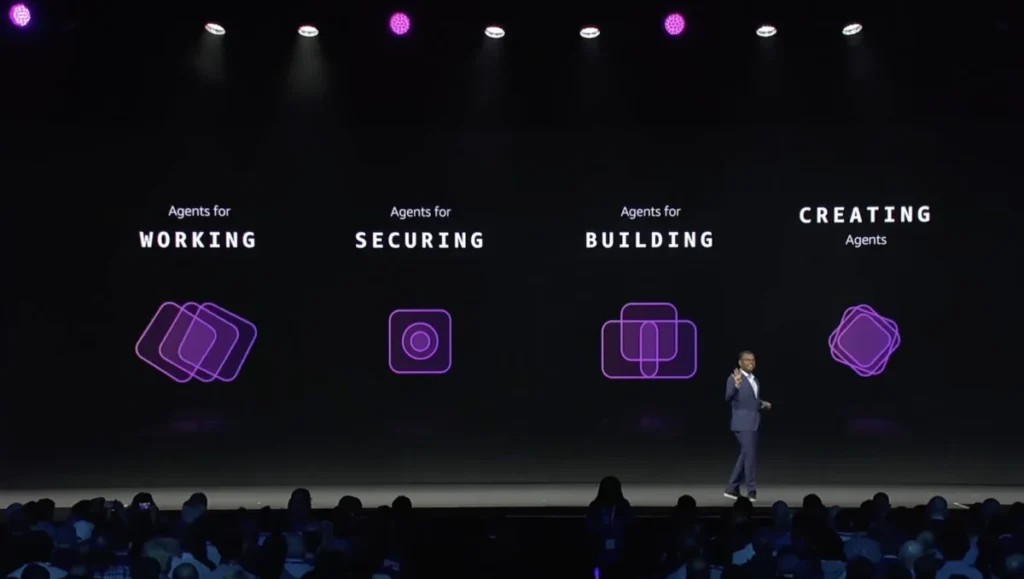
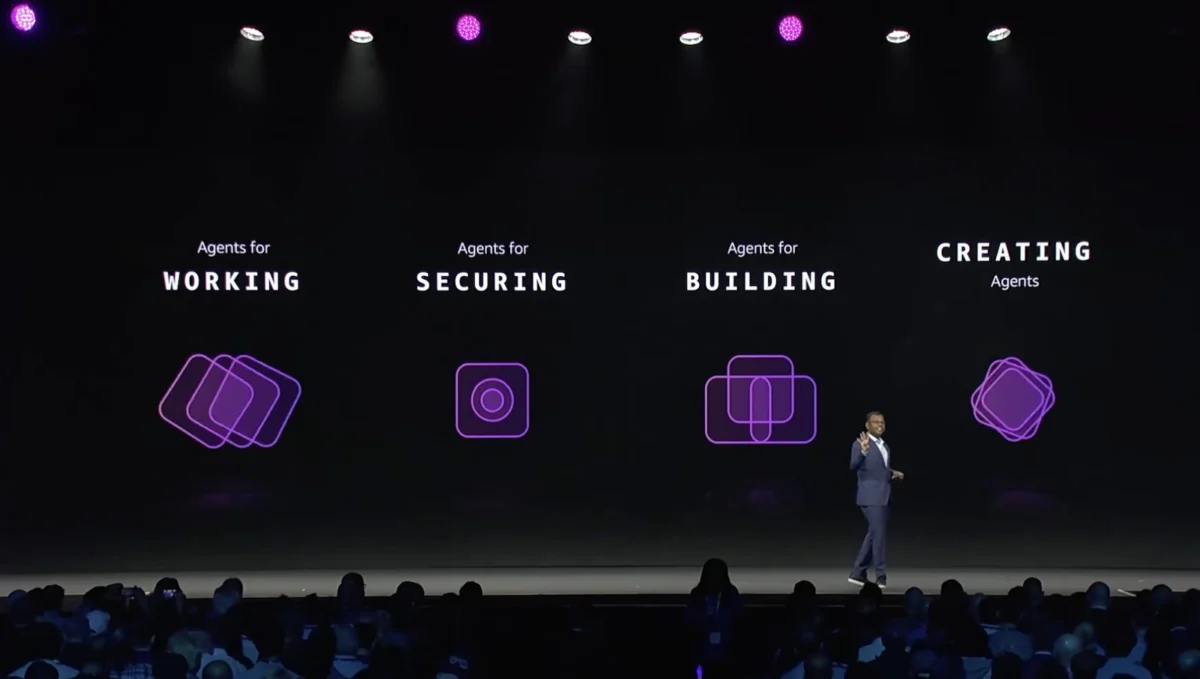
The cloud computing landscape witnessed a seismic shift last week as thousands of technologists, industry leaders, and developers converged at the Javits Center for the AWS Summit New York City. The annual gathering, a cornerstone of the cloud ecosystem, served as the launchpad for a new strategic era for Amazon Web Services (AWS): the era of "Agentic AI."
Dr. Swami Sivasubramanian, Vice President of Agentic AI at AWS, took center stage to deliver a keynote that fundamentally redefined how enterprises should perceive artificial intelligence. Moving beyond the hype of generative chatbots, Sivasubramanian introduced a paradigm shift focused on "agents that compound value over time." This vision suggests a transition from passive, query-based AI tools to autonomous systems capable of executing complex, multi-step workflows with minimal human oversight.
The Core Thesis: Compounding Value through Agentic Workflows
At the heart of the AWS announcements was the concept of "Agentic AI"—systems that do not merely generate text or code, but take action. Dr. Sivasubramanian articulated a vision where AI agents are integrated into the fabric of business operations, continuously learning and optimizing processes.
"The true potential of AI is not in its ability to answer questions, but in its ability to solve problems autonomously," Sivasubramanian stated during his presentation. By focusing on agents that "compound value," AWS is positioning its cloud infrastructure as the primary operating system for a new class of intelligent, self-correcting business applications.
This evolution is designed to address the "last mile" problem of AI: the gap between generating a suggestion and actually implementing it across legacy enterprise systems. AWS’s new stack of launches aims to bridge this divide, providing developers with the tools to build, deploy, and scale these autonomous agents with the security and reliability inherent in the AWS cloud.
Chronology of the Summit: A Week of Innovation
The summit was characterized by a rapid-fire series of announcements, demonstrating the agility of AWS in responding to the competitive pressures of the AI market.
Day 1: Setting the Stage
The event kicked off with a focus on the developer experience. AWS highlighted the integration of advanced reasoning models into existing service tiers, allowing builders to prototype agentic workflows faster than ever. The morning sessions emphasized the democratization of AI, ensuring that organizations of all sizes—from bootstrapped startups to Fortune 500 companies—could leverage the same foundational technology.
Mid-Week: The Integration Surge
As the summit progressed, the focus shifted toward practical implementation. Workshops and breakout sessions provided hands-on experience with the new AI stack. Developers explored how to integrate agentic reasoning into data pipelines, security protocols, and customer service automation. This period saw a significant influx of documentation and white papers, as AWS moved quickly to provide the necessary support structure for these new tools.
The Close: Looking Toward the Future
The summit concluded with a clear roadmap for the remainder of the year. AWS executives reiterated their commitment to "responsible AI," emphasizing that as agents become more autonomous, the frameworks for oversight, transparency, and data privacy must evolve in tandem.
Supporting Data: Why Agentic AI Matters
The push toward agentic systems is not arbitrary; it is a response to clear data trends in cloud utilization and operational efficiency. Industry analysts note that while generative AI adoption has been swift, the "realization of ROI" remains elusive for many enterprises.
- Operational Velocity: Internal AWS metrics presented at the summit indicated that organizations utilizing agent-based workflows for routine IT operations saw a 40% reduction in mean time to resolution (MTTR) for infrastructure incidents.
- The Scalability Factor: As organizations handle petabytes of data, manual intervention becomes a bottleneck. Agentic AI allows for "n-th order scaling," where the system manages its own load balancing and resource allocation based on predictive analysis rather than reactive thresholds.
- Cost Efficiency: By shifting compute tasks to more efficient models—specifically those optimized for agentic reasoning—AWS claims customers can see up to a 25% reduction in total cost of ownership (TCO) for AI-driven workloads.
Official Responses and Strategic Implications
The industry reaction to the New York summit has been largely positive, though cautious regarding the complexities of implementation.
"AWS is moving the conversation from ‘Generative AI’ to ‘Applied AI,’" noted a lead analyst during a post-keynote roundtable. "By framing agents as value-compounding entities, they are speaking the language of the CFO, not just the CTO."
However, the shift to autonomous agents brings significant implications for enterprise architecture:
1. The Security Paradigm Shift
With agents gaining the ability to interact with databases and external APIs, the "blast radius" of a security breach increases. AWS addressed this by highlighting new identity and access management (IAM) features specifically designed for agentic personas. These controls ensure that an agent’s access is context-aware and time-bound, preventing unauthorized escalation.

2. Talent and Workforce Evolution
The rise of agentic AI necessitates a new set of skills. The AWS Builder Center, which saw record engagement during the summit, is now prioritizing "AI Orchestration" over simple prompt engineering. Developers are being retrained to become "Agent Architects," focusing on system design, feedback loops, and error handling for autonomous processes.
3. Economic Impact
By reducing the manual labor required for cloud management, AWS is essentially lowering the barrier to entry for complex, high-compute applications. This is expected to stimulate a new wave of startup activity, where small teams can operate with the digital infrastructure power previously reserved for large enterprises.
Beyond the Summit: What Lies Ahead
While the summit provided a flurry of announcements, the work of integration is only beginning. For those unable to attend, AWS has curated a comprehensive digital resource hub, including:
- The "What’s New with AWS" Portal: This serves as the single source of truth for the technical specifications of all released tools.
- Community Days and Developer Events: AWS is doubling down on its commitment to the developer community by hosting a series of regional events designed to bridge the gap between initial announcement and production-grade implementation.
- The AWS Builder Center: As emphasized by Channy Yun, the Principal Developer Advocate, the Builder Center remains the primary venue for long-term engagement. It is here that the community will collectively refine the best practices for agentic AI, turning the theories presented at the summit into robust, battle-tested solutions.
Conclusion
The 2026 AWS Summit in New York City will likely be remembered as the moment when the industry stopped talking about what AI could do and started focusing on what AI can execute. The move toward "Agentic AI" is a calculated, aggressive step toward a future where the cloud acts as a collaborative partner rather than just a storage and compute utility.
As enterprises look toward the coming quarters, the message from AWS is clear: the most successful organizations will be those that embrace autonomous workflows. The technology is no longer in the experimental phase; it is ready for the enterprise, and the infrastructure is being built to sustain it.
For developers and architects, the path forward is one of continuous learning. Whether through the documentation provided on the official AWS blog, participation in community forums, or attending upcoming developer events, the mandate is clear: the compounding value of the next generation of cloud services depends on the builders who are ready to architect the agents of tomorrow.
As we look toward next week’s updates, the industry remains in a state of high alert. The cycle of innovation at AWS is accelerating, and as the "Weekly Roundup" approach confirms, the pace of change is only expected to intensify. The agents are here; the question is, how will you empower them to build the future of your business?