Strengthening Privacy: Google Announces Significant Updates to the Android Nearby Connections API
By Technology Desk | Updated October 2024
In an era where digital privacy is no longer a luxury but a fundamental expectation, Google has announced a pivotal shift in how its Android ecosystem manages hardware resources. Wei Wang, Engineering Manager for Android BeTo, recently confirmed that the company is modifying the core behavior of the Nearby Connections API. This change marks a departure from the "seamless" connectivity paradigm that prioritized automatic convenience over granular user control, signaling a new era of transparency for the Android platform.
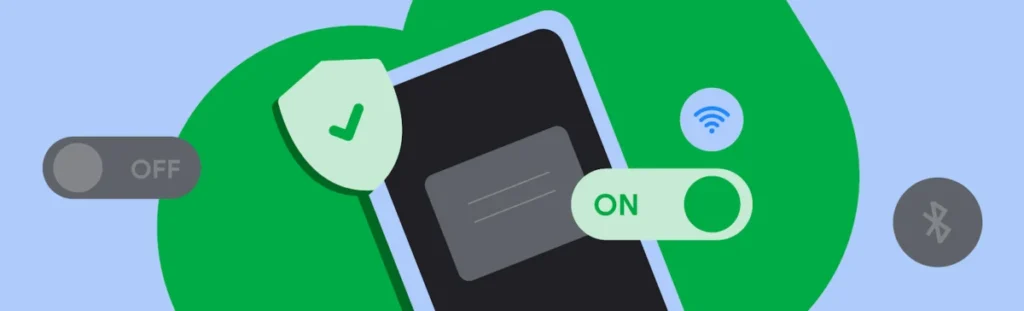
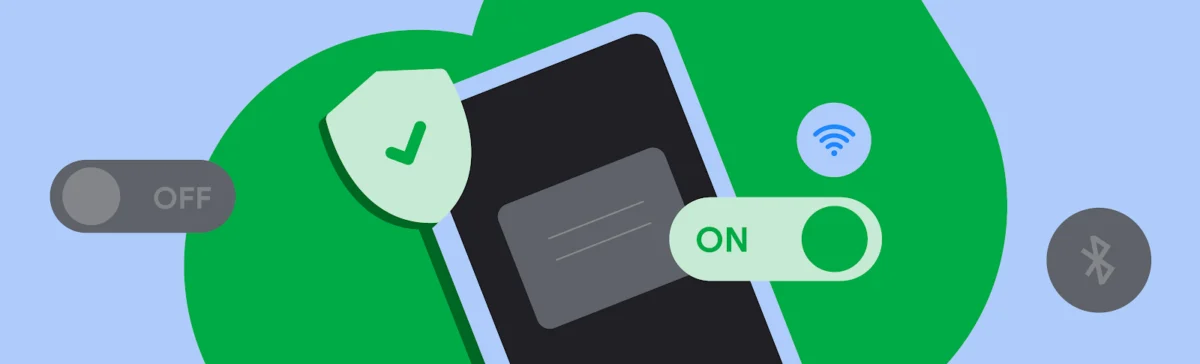
The core of this update centers on how applications interact with device radios—specifically Wi-Fi and Bluetooth. Under the current architecture, the Nearby Connections API is empowered to toggle these radios on automatically, facilitating instant discovery and data exchange without requiring explicit user intervention. By late 2026, this capability will be deprecated, placing the power of radio management firmly back into the hands of the user.
Main Facts: The End of Automatic Radio Management
The Nearby Connections API has long been a cornerstone of Android’s "it-just-works" philosophy. Designed to enable high-bandwidth, low-latency communication between devices without a network connection, the API utilizes a combination of Bluetooth, Wi-Fi Hotspot, and Wi-Fi Direct.
Historically, the API operated under an implicit permission model. If a developer integrated the API into a first-party (1P) or third-party (3P) application, the system allowed that app to trigger hardware changes to ensure the connection could be established immediately. While this reduced friction, it also meant that background processes or apps could inadvertently drain battery life or, more critically, perform "silent" discovery without the user being fully aware of the hardware state.
The shift is twofold:
- Removal of Automatic Toggling: The API will no longer possess the system-level authorization to flip the "On" switch for Bluetooth or Wi-Fi independently.
- Mandatory User Consent: Developers will be required to design workflows that prompt the user to enable these radios manually if they are currently disabled, rather than the app performing the action on their behalf.
Chronology: A Multi-Year Roadmap to Compliance
Google has opted for a "long-runway" implementation strategy, providing developers with a significant window to adjust their technical architectures.
- Q4 2024 (The Announcement): Google publishes the initial guidance for the upcoming changes, signaling the intent to move away from legacy API behaviors. This provides developers with approximately two years of lead time.
- 2025 (The Transition Period): Google is expected to release updated documentation, SDK patches, and developer guidelines. During this phase, it is likely that Android Studio will begin flagging code that relies on the soon-to-be-deprecated automatic toggling methods.
- Late 2026 (The Enforcement Date): The API changes will become enforced. At this point, any application attempting to force-enable hardware radios via the legacy API will fail, potentially resulting in connection errors for users who have not manually granted access.
This timeline is deliberately generous, acknowledging the millions of Android applications that currently utilize the Nearby Connections API for everything from file sharing and gaming to smart home configuration.
Supporting Data: Why Privacy Matters in Connectivity
The move is largely a response to the evolving landscape of cybersecurity and mobile privacy regulations. Data from the Android security team indicates that excessive "silent" radio access is a common vector for privacy leakage.
Battery and Resource Management
Bluetooth and Wi-Fi radios are among the most significant battery consumers in modern smartphones. When an application can turn these radios on at will, it creates a "hidden" drain on the device’s power reserves. By forcing user interaction, Android ensures that the user is aware of why their battery might be depleting, thereby improving overall device longevity.
The "Silent Discovery" Problem
Security researchers have long warned about "passive discovery" attacks, where devices can be mapped or tracked based on the broadcast signals of their radios. By limiting the ability of applications to toggle these radios, Google is effectively closing a window that could potentially be exploited by malicious actors to track users in public spaces.
Official Responses and Developer Guidelines
Wei Wang’s announcement underscores a broader theme within Google’s Android strategy: the "User-First" mandate. In professional engineering terms, this is a transition from a "Capability-Based Security" model to a "Consent-Based" model.

The Developer Challenge
For developers, this change is not merely a bug fix; it is a fundamental shift in user experience (UX) design. Previously, a developer could ensure a 99% success rate for device discovery because the app controlled the environment. Now, the developer must design "failure states." If a user clicks "Deny" or if the hardware is off, the app must gracefully guide the user through the process of enabling the necessary permissions.
Google’s recommendations for developers include:
- Audit Current Workflows: Identify every instance where the app makes a call to the Nearby Connections API that triggers a radio toggle.
- Update UI/UX: Create clear, descriptive prompts that explain why the app needs Bluetooth or Wi-Fi to function. Transparency increases the likelihood of user approval.
- Implement Error Handling: Ensure the application remains stable and provides helpful feedback if the user chooses to keep their radios disabled.
Implications: The Future of Android Interconnectivity
The decision to restrict the Nearby Connections API will have far-reaching implications for both the Android ecosystem and the wider mobile industry.
1. Impact on 1P Applications
First-party Google apps—such as Quick Share (formerly Nearby Share)—will likely undergo the most significant design overhauls. These apps are the standard-bearers for the technology; if they must adhere to the new, stricter privacy rules, it sends a clear message that no application is exempt from these standards.
2. The Competitive Landscape
This change brings Android into closer alignment with Apple’s iOS ecosystem, which has historically been more restrictive regarding hardware access. While some developers may view this as an unnecessary hurdle, it effectively levels the playing field, ensuring that "easy connectivity" does not come at the expense of user trust.
3. A New Paradigm for User Trust
In the long term, this update is likely to increase user confidence in the Android platform. By providing transparency—making the user aware of when their radios are being utilized—Google is empowering consumers to make informed choices about their privacy. This, in turn, may lead to higher engagement rates for features that do require these permissions, as users will feel more in control of their digital footprint.
4. Technical Debt and Legacy Support
A major concern for enterprise developers is the existence of "orphaned" apps—applications that are still in use but are no longer actively maintained. These apps will inevitably break in late 2026. Businesses that rely on internal-only applications for device-to-device communication must begin budgeting for technical updates now to avoid operational downtime in 2026.
Conclusion: Preparing for the 2026 Deadline
The update to the Nearby Connections API is a clear signal that the era of "invisible" background hardware management is coming to a close. For developers, the next two years represent a critical period of transition.
Google’s decision is a proactive step in a larger movement toward a more private, transparent mobile landscape. While the shift requires additional effort from the developer community, the end result—a more secure and conscious user experience—is a net positive for the ecosystem at large.
As the 2026 deadline approaches, the focus must be on communication and implementation. Developers should view this not as a restriction, but as an opportunity to build better, more respectful relationships with their users. By prioritizing transparency and user intent, Android is reinforcing its commitment to privacy, ensuring that as technology becomes more connected, it remains fundamentally under the control of the human being holding the device.
For further information, developers are encouraged to monitor the official Android Developers Blog and review the updated API documentation as it is released throughout 2025. The journey toward a more transparent Android experience has begun, and the countdown to 2026 is officially on.