The Double-Edged Sword: New Salk Institute Discovery Unveils Why Cancer Immunotherapy Fails
In the complex landscape of oncology, few breakthroughs have been as transformative as immunotherapy. By leveraging the body’s own immune system to identify and dismantle malignant cells, this approach has offered a lifeline to patients with previously untreatable cancers. However, the success of these therapies is often stymied by a frustrating clinical reality: many tumors develop resistance, effectively "switching off" the immune response intended to destroy them.
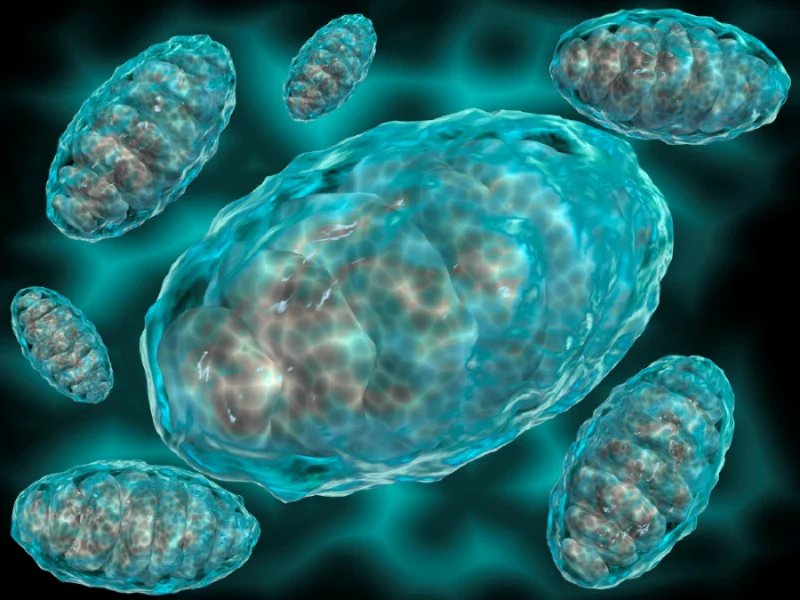
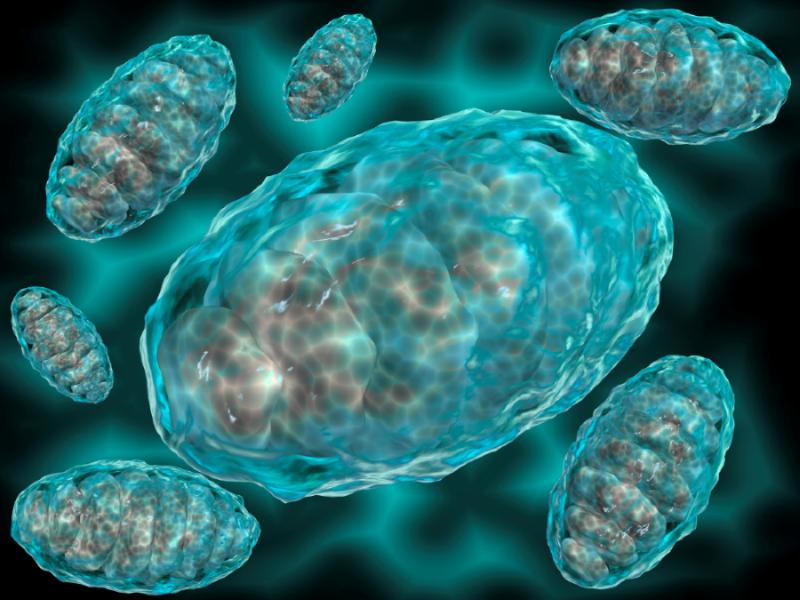
A groundbreaking study led by researchers at the Salk Institute for Biological Studies has identified a critical mechanism behind this phenomenon. The findings, published in the journal Science, reveal that the very immune signaling proteins initially tasked with fighting cancer—interferons—can inadvertently trigger a pathway that protects the tumor and fuels its growth. This discovery centers on the mitochondria, the cell’s energy powerhouses, and provides a promising new target for overcoming immunotherapy resistance.
The Dual Nature of Interferons: From Guardian to Accomplice
Interferons (IFNs) are specialized pro-inflammatory cytokines, proteins that act as the immune system’s "first responders." When a cancer cell emerges, IFNs are rapidly deployed to recruit cytotoxic T cells and B cells to the site of the malignancy. In the early stages of tumor development, this is a highly effective, anti-cancer mechanism.
However, the Salk research team, led by Gerald Shadel, PhD, professor and holder of the Audrey Geisel Chair in Biomedical Science, has elucidated why this "good" response can turn "bad." Chronic exposure to interferons—specifically interferon II (IFN-II)—appears to trigger a cascade of mitochondrial dysfunction that ultimately leads to profound immunosuppression.
"Why interferons, which are initially anti-cancer, can become pro-cancer has been a big question in the field," explains Shadel. "Our study reveals a major reason for why interferons transition from ‘good’ to ‘bad,’ as well as how we can prevent this switch for therapeutic advantage moving forward."
Chronology of the Discovery: A Shift in Perspective
The Shadel lab has long focused on the intersection of mitochondrial health and cellular signaling. Previously, the lab established that mitochondria can trigger interferon responses by releasing mitochondrial genetic material (mtDNA) into the cytoplasm, where the cell perceives it as a viral intruder.
For this specific study, the team decided to invert their approach. Instead of investigating how mitochondrial damage induces interferon production, they sought to understand how chronic interferon exposure alters mitochondrial function.
Phase 1: Observing the Mitochondrial Shift
The researchers exposed melanoma cells to both type I and type II interferons under both acute and chronic conditions. While acute exposure resulted in minimal changes, chronic exposure yielded a measurable, significant decline in the energetic efficiency of the mitochondria.
Phase 2: Tumor Growth in Mouse Models
To test the clinical relevance, the team transferred these "chronic IFN-II exposed" melanoma cells into a mouse model. The results were startling: the cells that had undergone chronic exposure to IFN-II exhibited an unexpected and aggressive increase in tumor growth compared to control cells.
Phase 3: Unmasking the Mechanism
The team then performed deep molecular analysis to determine what was happening within the cell. They discovered that chronic IFN-II exposure caused double-stranded mitochondrial RNA (ds-mtRNA) to leak out of the mitochondria. The cell, identifying this RNA as a threat, triggered an endogenous type I interferon (IFN-I) response.
Phase 4: The Prostaglandin Synergy
The researchers found that IFN-I and IFN-II then worked in concert to upregulate an enzyme called cyclooxygenase 2 (COX2). This upregulation led to an increase in the synthesis of prostaglandin E2 (PGE2), a bioactive lipid known for its immunosuppressive properties. This signaling pathway effectively creates a shield around the tumor, allowing it to evade immune detection and resist standard immunotherapy treatments.
Supporting Data: The Impact of PGE2 Inhibition
The most compelling aspect of the study lies in the potential for therapeutic intervention. Recognizing that PGE2 was the primary driver of this immunosuppressive state, the team tested whether blocking its synthesis could restore the immune system’s efficacy.
In a pivotal experiment, the researchers inhibited the production of PGE2 in melanoma cells that had been resistant to anti-PD1 therapy—a common class of checkpoint inhibitors. The results were dramatic:
- Restoration of Immune Recognition: By eliminating the PGE2 signal, the immune system was once again able to "see" and target the cancer cells.
- Reversal of Resistance: The previously resistant tumors regained sensitivity to anti-PD1 immunotherapy.
- Clinical Success in Models: In a cohort of ten mice, nine exhibited complete tumor regression following the combined treatment, with no signs of recurrence even after the initial resistance profile had been established.
These data provide a strong proof-of-concept that the mitochondrial RNA-interferon-prostaglandin pathway is a viable and potent therapeutic target.
Official Responses and Scientific Context
The scientific community has lauded the study for its mechanistic clarity and its potential to refine the next generation of cancer treatments. By identifying a previously unknown "mitochondrial-centered" pathway, the study adds a new layer to our understanding of the tumor microenvironment.
"Our study enriches our understanding of how the immune system attacks cancer cells but can also be stymied by other factors in the tumor environment," noted Shadel. "It also conveys the importance of integrating mitochondrial signaling functions into cancer studies."
The findings are particularly relevant because they address one of the most pressing challenges in oncology: the "ceiling" of immunotherapy. While drugs like anti-PD1 have revolutionized care, their efficacy is capped by the tumor’s ability to adapt. By identifying that mitochondria are active participants in this adaptation, the Salk team has effectively expanded the scope of what constitutes an "oncology target."
Implications for Future Cancer Therapy
The implications of this research are far-reaching. If the clinical trials that follow can replicate these results in human patients, the pathway discovered by the Shadel lab could become a standard target for combination therapies.
1. Precision Medicine and Biomarkers
Patients who demonstrate chronic interferon signatures in their tumor biopsies might be identified as candidates for COX2 or PGE2 inhibitors in addition to standard immunotherapy. This would represent a major step toward personalized, precision medicine.
2. Overcoming Treatment Resistance
The ability to "re-sensitize" tumors that have failed anti-PD1 treatment is the "holy grail" of current immunotherapy research. If blocking the PGE2 pathway can turn a non-responder into a responder, it would significantly increase the number of patients eligible for curative treatment.
3. Integrating Mitochondrial Biology
This study reinforces the growing movement to view cancer not just as a genetic disease, but as a metabolic one. By linking mitochondrial dysfunction to immunosuppression, the researchers have opened the door to using mitochondrial-targeted drugs to modulate immune responses.
Conclusion
The transition of interferons from "good" to "bad" is a narrative of biological complexity, where the body’s protective mechanisms are co-opted by the very threats they are meant to neutralize. The Salk Institute’s discovery provides a roadmap to disrupt this co-option. By focusing on the mitochondrial RNA-induced pathway and the subsequent synthesis of prostaglandin E2, researchers have uncovered a "covert" mechanism of cancer survival.
As the field of oncology looks toward the future, the integration of mitochondrial health into immunotherapy protocols may prove to be the difference between temporary stabilization and permanent remission. While much work remains to translate these findings into human clinical settings, the work of Melissa Johnson, Gerald Shadel, and their colleagues provides a beacon of hope for patients fighting the most resilient forms of cancer.