Navigating the Future of Indie Distribution: A Deep Dive into itch.io’s Major Platform Overhaul
The independent game development landscape is defined by its agility, diversity, and, frequently, the tools that enable creators to bring their visions to fruition. Among these platforms, itch.io has long stood as a bastion for experimental, non-traditional, and deeply personal projects. In a significant move to refine the experience for both developers and consumers, itch.io recently unveiled a comprehensive suite of updates. These changes, ranging from a sophisticated discovery engine for sales to a total structural renovation of bundle hosting, signal a maturation of the platform’s infrastructure.
By modernizing backend systems and introducing user-centric discovery tools, itch.io is positioning itself to handle the increasing volume of content while simultaneously simplifying the complex administrative tasks that developers face daily.
The Core Updates: A Breakdown of Innovation
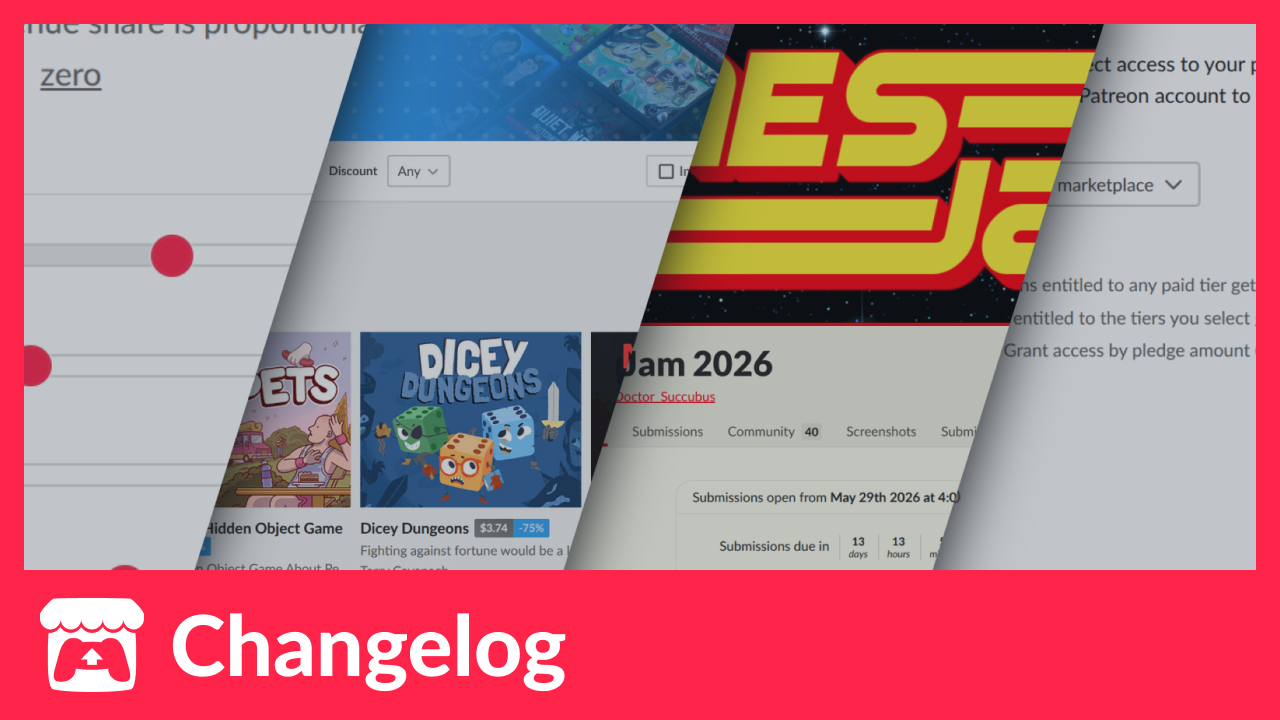
The recent changelog released by the itch.io team encompasses four primary pillars of improvement. These updates are not merely cosmetic; they represent a fundamental shift in how the platform manages community engagement, financial integrations, and discoverability.
1. The Sale Explorer: Revolutionizing Discovery
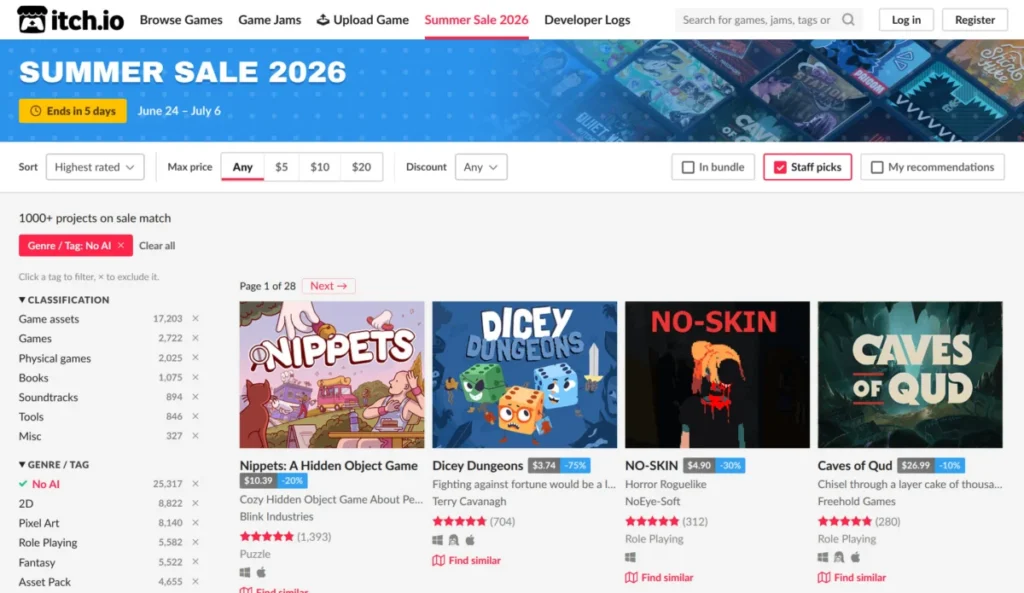
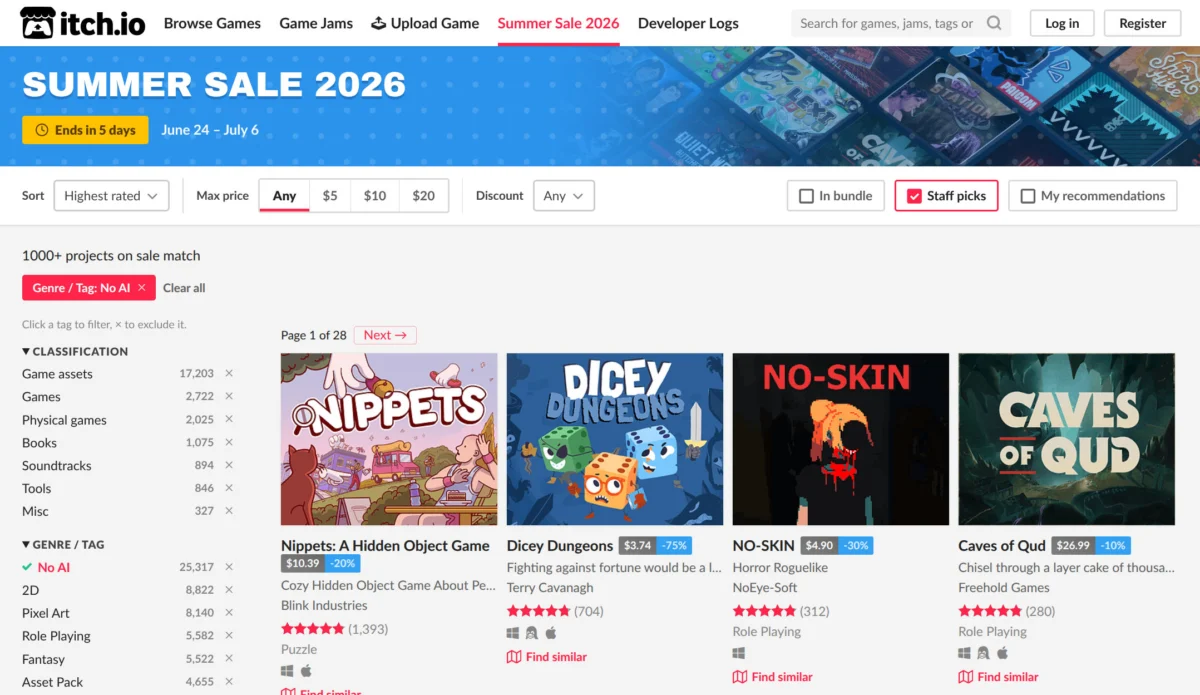
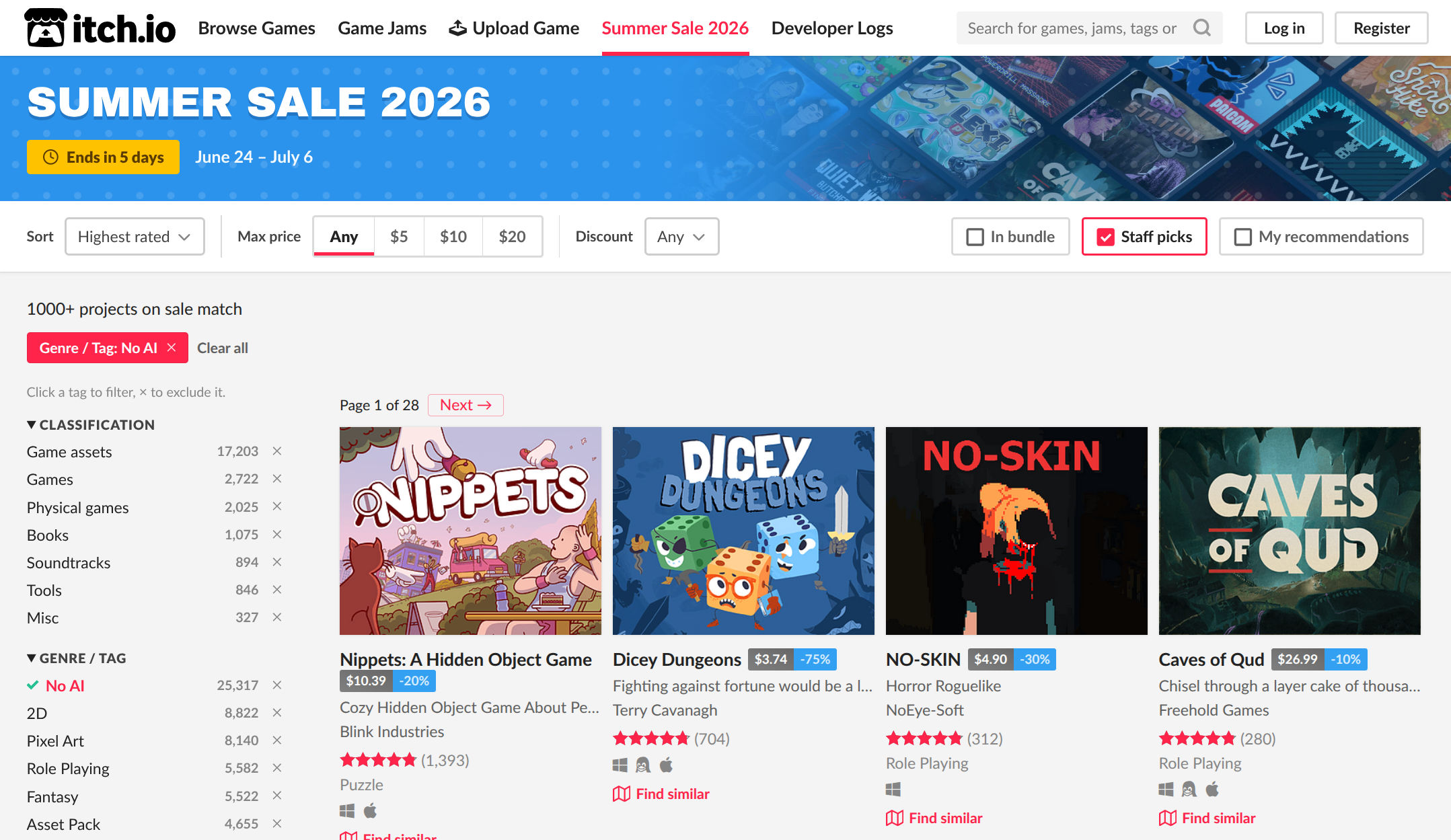
The most immediate change felt by the end-user is the Sale Explorer. During major seasonal events—such as the currently active Summer Sale, which features over 30,000 discounted projects—the sheer volume of games can be overwhelming. The Sale Explorer is designed to transform this "firehose of content" into a curated experience. By implementing granular filtering, users can now slice through massive catalogs based on specific criteria, effectively surfacing hidden gems that might otherwise be buried in a standard chronological list.
2. Bundle Hosting: A Structural Overhaul
For over a decade, itch.io’s bundle system has been a primary tool for charity events and collaborative game promotions. However, the legacy architecture had become a bottleneck for large-scale operations. The platform has now completely rebuilt the hosting interface. Key improvements include better management of participant roles, streamlined submission workflows, and improved visibility for bundle organizers. This ensures that when dozens or even hundreds of developers come together for a cause, the administrative overhead is significantly reduced.
3. Jam Theme Editor: Modernization and Customization
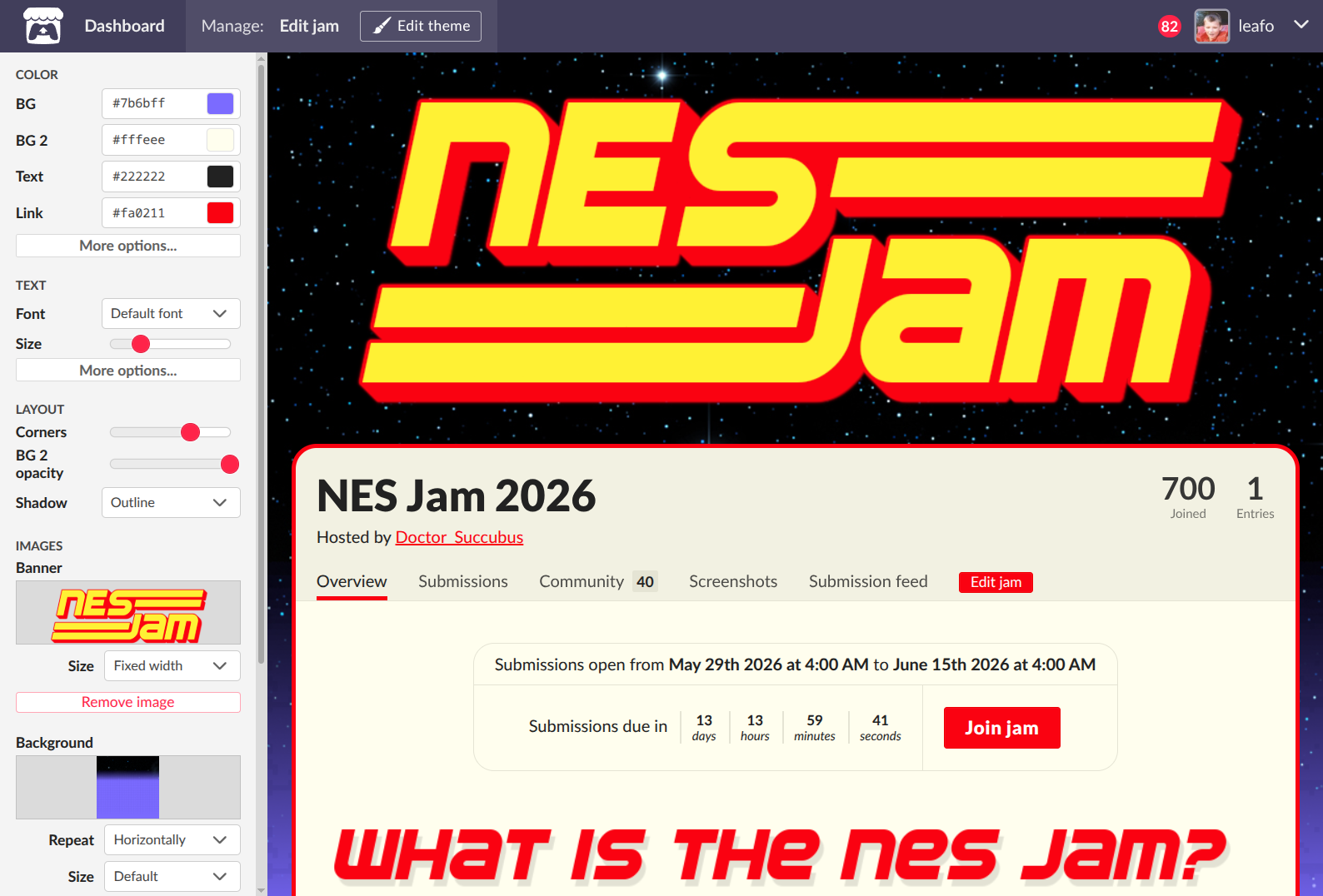
Game jams are the lifeblood of the itch.io ecosystem. The platform’s updated Jam Theme Editor migrates the tool to the site’s modern UI framework. While maintaining backward compatibility for existing custom CSS, the update offers hosts significantly more flexibility. From layout tweaks to branding options, the editor is now more intuitive, allowing organizers to spend less time troubleshooting their landing page and more time fostering community interaction.
4. Patreon Integration: Solving the Currency Conundrum
Perhaps the most technically significant update is the overhaul of the Patreon integration. By migrating to Patreon’s V2 API, itch.io has moved away from simple pledge-amount checks toward a tier-based grant system. This resolves a longstanding pain point: regional currency discrepancies. Previously, a patron might pledge an equivalent amount in a different currency that fell just below a threshold due to exchange rate fluctuations, losing them access to rewards. The new tier-based system ensures that access is granted based on the membership level itself, providing stability for both creators and their supporters.
Chronology of Development
The implementation of these features was not an overnight endeavor. It represents the culmination of a multi-month sprint focused on developer-requested quality-of-life improvements.
- Q1 2026: Initial planning for the V2 Patreon API migration begins, alongside the conceptual design for the Sale Explorer to address the scaling issues of the previous year’s seasonal sales.
- Early Q2 2026: The Jam Theme Editor undergoes beta testing within the developer forums, with the team collecting feedback on CSS markup compatibility to ensure no existing jam pages break during the transition.
- Mid Q2 2026: Bundle hosting architecture is refactored, moving from legacy database structures to a modular system that allows for more dynamic management of participating projects.
- July 2026: The Summer Sale launches, serving as the official "stress test" for the new Sale Explorer, followed by the public rollout of the remaining features across the platform.
Supporting Data and Technical Implications
The scale of itch.io’s operations is often understated. With tens of thousands of projects involved in singular sale events, the backend infrastructure must be highly performant.
The Sale Explorer’s architecture leverages a new filtering database that allows for near-instantaneous query results. In previous iterations, applying multiple filters (e.g., "Platform: Web," "Genre: RPG," "Price: Under $5") could result in noticeable latency. The new system, by utilizing more efficient indexing, reduces this overhead, allowing for a smoother browsing experience.
Regarding the Patreon integration, the shift to V2 API is a necessary evolution. By checking for membership status at the time of grant, the system eliminates the "limbo" state where users who had recently changed their pledge levels would lose access to content prematurely. The system now supports:
- Tier-based access: Automatic role assignment based on the specific membership tier.
- Currency resilience: Consistent access regardless of the user’s local currency.
- Retroactive updates: A more robust sync mechanism that ensures that if a user upgrades their tier, they are granted access to higher-tier rewards almost immediately.
Official Responses and Community Feedback
The response from the developer community has been largely positive, with a notable emphasis on the utility of the new tools. However, as is common with platform updates, users have been vocal about potential areas for further expansion.
The Developer Perspective
In the platform’s forums, developers have praised the Sale Explorer for its ability to filter by tags and genres, though some have noted the limitations of the current exclusion filters. One community member remarked, "Being able to exclude genres and get ‘find similar’ recommendations makes browsing a sale with thousands of games actually manageable."
This sentiment highlights the core success of the update: it has moved the site from a passive library to an active discovery platform.
The "Wishlist" for Future Updates
The community has already begun lobbying for the next phase of development. A prominent request, voiced by users such as calcium-chan in the forum, is the implementation of a native "revenue split" feature per project. Currently, handling payments for collaborative projects requires manual effort or third-party solutions.
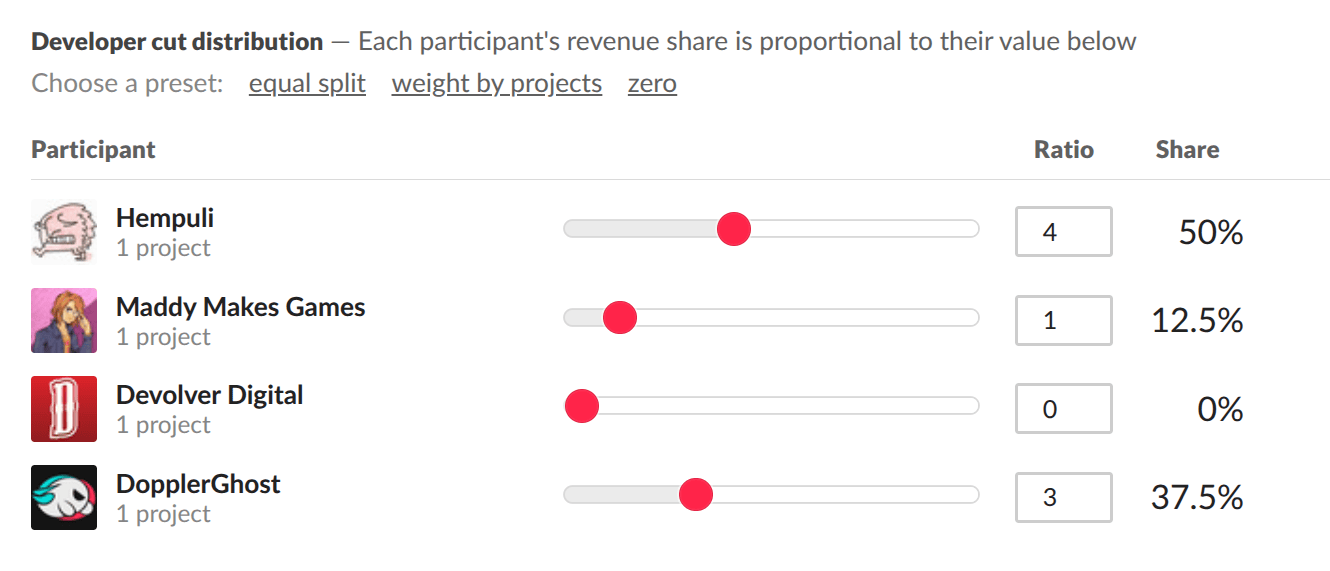
When questioned about this, platform founder leafo confirmed that this is a high-priority area for future development, acknowledging the community’s desire for a more integrated financial ecosystem. This back-and-forth between the itch.io leadership and its user base is a hallmark of the platform’s success; the roadmap is often directly informed by the pain points of the people using the tools.
Implications for the Future of Indie Gaming
These updates represent more than just bug fixes and UI refreshes; they indicate a strategic decision by itch.io to solidify its position as the premier host for indie games. By reducing the administrative burden on creators, itch.io is effectively lowering the barrier to entry for professional-grade distribution.
1. Professionalization of the Indie Space
As the indie market becomes increasingly crowded, the tools that allow a creator to manage their own storefront become critical. By offering advanced integration with Patreon and robust bundle management, itch.io is giving solo developers and small teams the power of a major publisher’s backend.
2. The Power of Discovery
The most significant long-term implication is the Sale Explorer. The "discoverability problem" is the primary challenge facing modern game developers. By building a sophisticated internal discovery engine, itch.io is betting that user retention is tied to the ease of finding high-quality content. If this tool proves successful during the current Summer Sale, it is likely that its features—such as "find similar" and advanced tag filtering—will be integrated into the main browse pages, fundamentally changing the site’s UX.
3. Community-Driven Iteration
Finally, the dialogue between the platform and its users highlights the resilience of the indie ecosystem. Unlike major, opaque corporate storefronts, itch.io continues to operate with a level of transparency that fosters loyalty. The fact that the founder is actively engaging with feature requests in the comments section of a changelog is evidence of a platform that views its users as partners rather than just customers.
Conclusion
The recent updates to itch.io are a testament to the platform’s commitment to its user base. By addressing the complexities of large-scale sales, modernizing the administrative tools for game jams and bundles, and refining the Patreon integration, the team has provided a much-needed polish to the platform’s core services.
As the digital landscape for independent creators continues to evolve, itch.io remains a vital, adaptable space. While the current suite of tools is a significant achievement, the ongoing discussions regarding revenue sharing and deeper integration suggest that this is merely the beginning of a broader effort to provide the most comprehensive suite of tools for the next generation of independent game developers. For now, users can enjoy a more streamlined, responsive, and intuitive platform—one that finally makes the act of discovery as exciting as the games themselves.