Breaking the Bottleneck: How Programmed Yeast Lysis is Revolutionizing Industrial Biomanufacturing
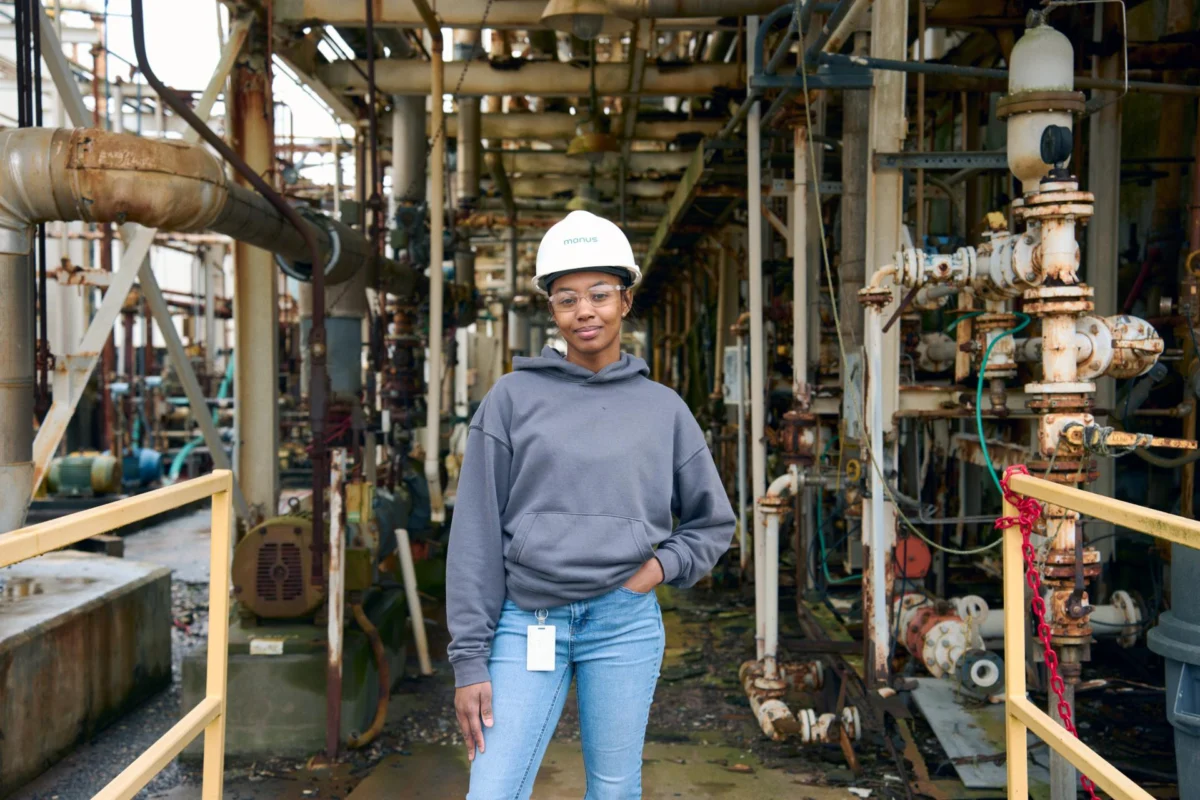
In a significant leap for the bioeconomy, Manus—the industry leader known as The BioAlternatives Company®—and researchers at the University of Texas at Austin have announced the successful completion of a BioMADE-sponsored project that promises to fundamentally alter the economics of microbial fermentation. By engineering yeast to undergo "programmed lysis" at the conclusion of the fermentation cycle, the team has developed a method to simplify downstream processing, effectively removing one of the most persistent hurdles in the commercial production of bio-based chemicals.
This breakthrough addresses a critical "hidden cost" in the biomanufacturing industry: the energy-intensive and often hazardous processes required to rupture microbial cell walls to extract intracellular products. By enabling yeast to perform this task themselves, the research team has opened the door to a more sustainable, cost-effective, and scalable future for domestic biomanufacturing.
The Core Innovation: Engineering Cells to Self-Destruct
For decades, the standard industrial approach to harvesting intracellular products—such as lipids, proteins, vitamins, and specialized pigments—has been mechanical. Once a fermentation batch reaches maturity, the resulting broth is subjected to high-pressure homogenization or chemical solvent extraction. These processes are not only capital-intensive and energy-hungry but often necessitate the use of harsh solvents that carry significant environmental and safety risks.
The collaboration between Manus and the laboratory of Hal Alper, PhD, at UT Austin’s McKetta Department of Chemical Engineering, flipped this paradigm. Instead of forcing the cell open from the outside, the team utilized advanced metabolic engineering to program the yeast to disrupt their own cell walls at the end of the fermentation cycle.
This "autolysis" mechanism allows for the release of cellular contents in a controlled environment, significantly reducing the reliance on downstream mechanical separation. The result is a streamlined recovery process that minimizes energy consumption and eliminates the need for aggressive chemical treatments.
Chronology of the BioMADE Partnership
The path from laboratory bench to pilot-scale operation was facilitated by the BioMADE (Bioindustrial Manufacturing and Design Ecosystem) initiative, a public-private partnership dedicated to securing America’s future through bioindustrial manufacturing innovation.
Phase 1: Bench-Scale Conceptualization
The project began with the identification of genetic triggers that could induce cell wall degradation in response to specific environmental stimuli—such as temperature shifts or the depletion of a specific nutrient—that occur naturally at the end of a fermentation run. The Alper Lab leveraged its expertise in metabolic engineering to create stable, high-performing strains of Yarrowia lipolytica and Saccharomyces cerevisiae.
Phase 2: Strain Optimization
Initial trials focused on ensuring the engineered yeast could maintain high productivity during the growth phase while retaining the "suicide switch" that would be activated only when the desired product titer was reached. This delicate balance of performance and control was essential to ensuring that the yeast did not lyse prematurely, which would have compromised yield.
Phase 3: Pilot-Scale Validation
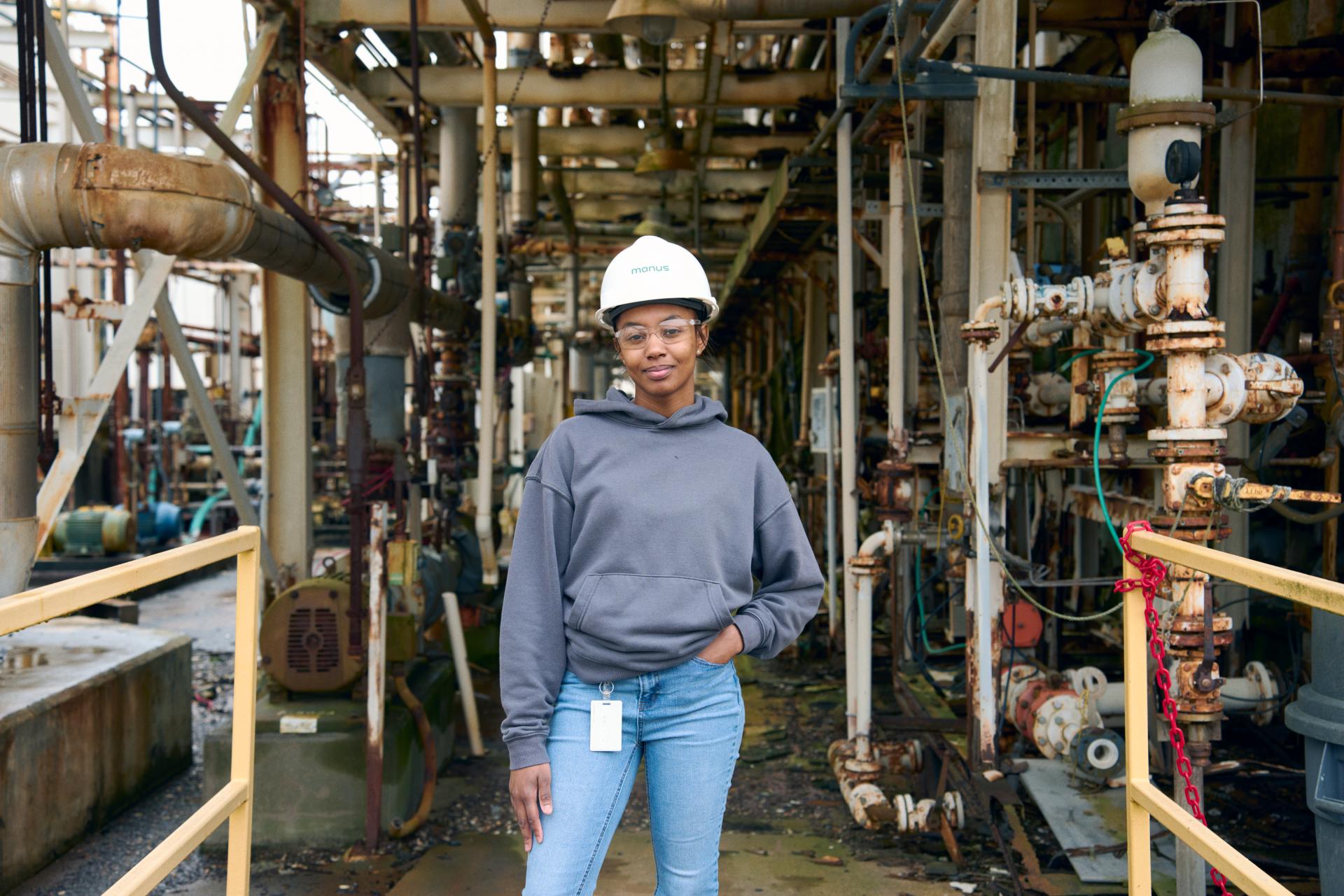
The final phase of the project involved scaling the technology to 300-liter bioreactors. This stage was critical for proving that the programmed lysis mechanism was robust enough to work outside of the controlled environment of a laboratory flask. By successfully demonstrating the technology at this scale, the team effectively moved the process from a proof-of-concept to a "technology-ready" state, providing a blueprint for future commercial deployment.
Supporting Data: Efficiency Gains and Sustainability Metrics
The metrics released by the Manus-UT Austin team demonstrate the transformative potential of this approach, particularly regarding energy reduction and process simplification.
Energy Reduction in Yarrowia lipolytica
One of the most impressive outcomes of the project was observed in Yarrowia lipolytica. The team reported that their engineered strains enabled a reduction in mechanical separation energy requirements by more than 50%. In the context of industrial biomanufacturing, where bioreactors operate on a scale of tens of thousands of liters, a 50% energy savings in the downstream process represents a massive reduction in the overall carbon footprint and operational expenditure (OPEX) of a facility.
Integrated Pilot Operations
The transition from laboratory to pilot scale proved that autolysis is not merely a theoretical curiosity but a practical industrial tool. By achieving autolysis in Saccharomyces cerevisiae—a workhorse of the brewing and biotechnology industries—the team has validated the technology for a broad range of applications. The ability to integrate this into existing infrastructure is a major selling point for manufacturers looking to retrofit current facilities with more efficient, "next-generation" processing capabilities.
The Scope of Application
The range of products that accumulate intracellularly is vast. This technology is particularly well-suited for:
- Nutraceuticals: Vitamins and antioxidants that require high purity.
- Specialty Chemicals: Pigments and biosurfactants used in personal care and industrial applications.
- Bio-polymers: Polysaccharides that serve as sustainable alternatives to petroleum-based plastics.
- Lipids: High-value oils for food, feed, and fuel.
Official Responses: A Vision for Domestic Biomanufacturing
The implications of this work extend beyond technical efficiency; they strike at the heart of the competitive landscape for domestic biomanufacturing.
"Downstream processing is one of the largest hidden costs in biomanufacturing, and it heavily influences whether a bioalternative can compete on price," said Christine Santos, PhD, Chief Technology Officer at Manus. "By engineering yeast to disrupt their own cell walls, we reduce cost, energy, and complexity, which widens the range of products that can be made economically and sustainably at scale."
Santos emphasizes that by cutting the intensity of the processing stage, the industry can better leverage abundant, low-cost American feedstocks. This creates a circular, localized supply chain that is less vulnerable to global market volatility.
Hal Alper, PhD, echoed these sentiments, highlighting the importance of the collaborative model: "This work uniquely combined academic and industrial settings to take bench-scale discoveries and more rapidly translate them to higher technology readiness. This technology finally helps to address the challenge of producing cheaper intracellular products that traditionally require high-cost separations and more laborious process steps."
Implications: The Future of Industrial Fermentation
The success of the Manus-UT Austin collaboration marks a pivotal shift in how the industry views the "end-of-life" phase of microbial cells. By treating the cell not just as a factory, but as a self-disassembling unit, the industry is moving closer to a "green chemistry" ideal.
Reducing the "Green Premium"
One of the primary challenges for bio-based products is the "green premium"—the higher price consumers or manufacturers must pay compared to traditional petroleum-derived counterparts. By slashing downstream costs, this technology helps bring the cost of bio-alternatives into parity with traditional chemicals. As the process moves toward industrial scale, the cumulative effect of these savings will likely incentivize the adoption of sustainable materials across the manufacturing sector.
A Template for Future Innovation
The BioMADE-sponsored program serves as a successful model for future academic-industry partnerships. It demonstrates that when academic research is focused on the specific pain points of industry—such as energy-intensive separation—the transition to commercial application can be accelerated. This model of "translational synthetic biology" is likely to become the standard for the next decade of biotechnology advancement.
Sustainability and the Circular Economy
Finally, the elimination of hazardous solvent-based extraction is a major win for the environment. By reducing the chemical waste generated during the purification phase, the Manus technology aligns with the broader goals of the circular economy. As regulatory pressures on chemical manufacturers increase regarding carbon emissions and solvent usage, the adoption of "clean" cell lysis technologies will likely transition from an economic advantage to a regulatory necessity.
Conclusion
The collaboration between Manus and the University of Texas at Austin has delivered a compelling proof-of-concept that addresses one of the most stubborn bottlenecks in industrial biotechnology. By effectively "arming" yeast with the capability to release their own contents, the team has set the stage for a new era of efficient, cost-effective, and sustainable biomanufacturing.
As this technology scales, it promises to broaden the range of products that can be produced domestically, decrease our reliance on fossil-fuel-intensive extraction methods, and solidify the position of the United States as a global leader in the rapidly expanding bioeconomy. The future of manufacturing is not just becoming more biological—it is becoming more efficient, one cell at a time.