Bridging the Gap: Bringing Reinforcement Learning to Cross-Platform Mobile Gaming with Flutter and TensorFlow Lite
In the rapidly evolving landscape of mobile development, the integration of artificial intelligence (AI) into consumer applications has transitioned from a futuristic novelty to an essential design consideration. Developers are constantly seeking ways to build more intelligent, responsive, and engaging user experiences. A significant hurdle in this journey has historically been platform fragmentation. However, with the official release of the TensorFlow Lite (TFLite) plugin for Flutter, the barrier between complex machine learning (ML) models and cross-platform deployment has been effectively dismantled.
This article explores the culmination of a technical journey—moving from native Android implementations of reinforcement learning (RL) agents to a unified, cross-platform architecture that powers intelligent board games on both iOS and Android.
The Genesis of Intelligent Board Games
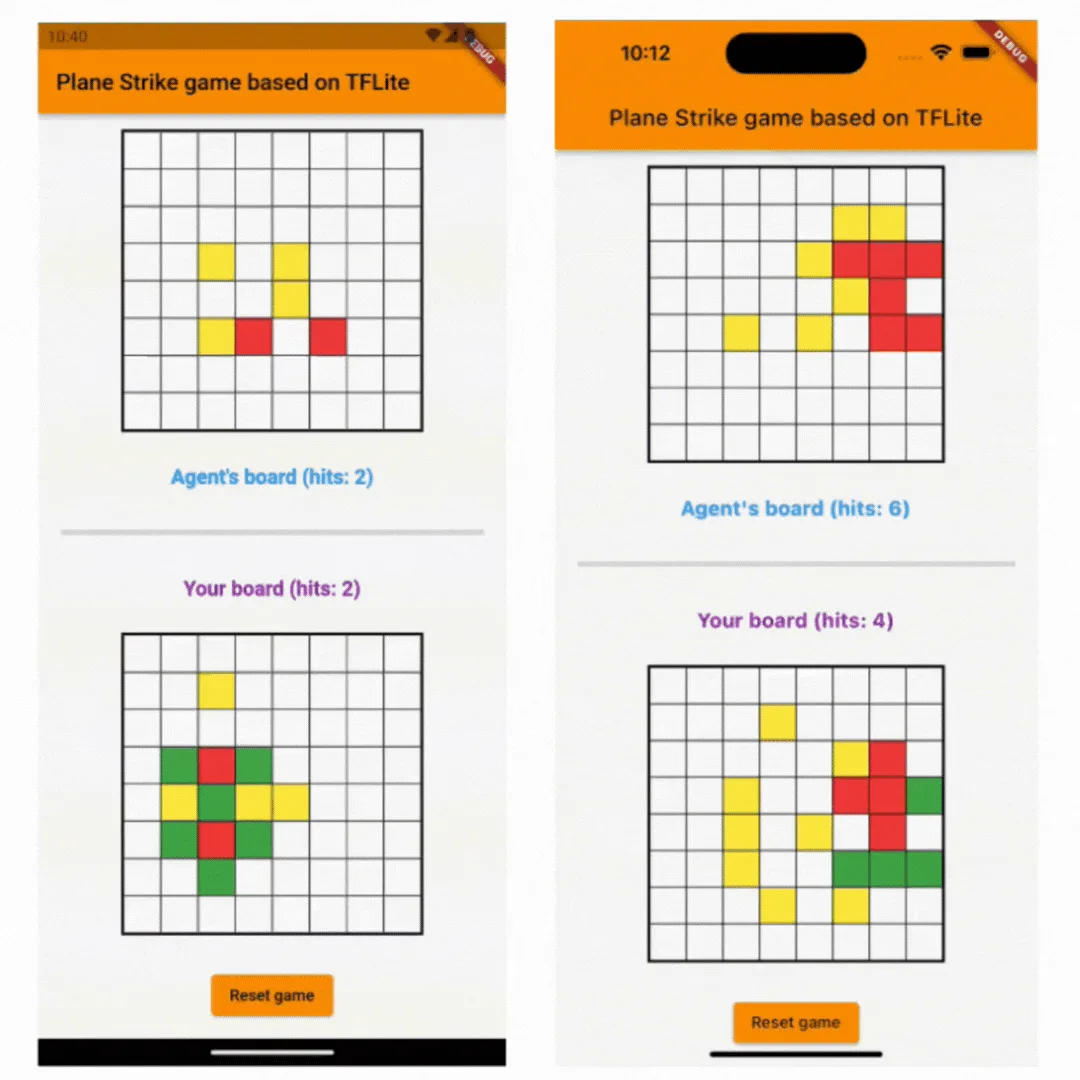
The project originated from a desire to showcase the capabilities of reinforcement learning in resource-constrained mobile environments. In previous installments of this technical series, developers demonstrated how to construct a "Plane Strike" board game—a strategic title requiring the agent to make calculated decisions based on the current board state.
Initially, the project focused on the Android ecosystem, utilizing native tools to deploy models trained through TensorFlow and JAX. By training an RL agent to recognize patterns in the "Plane Strike" game, the team successfully demonstrated that mobile devices are more than capable of running sophisticated inference engines locally, without needing to rely on latency-heavy cloud compute resources.
However, the developer community—a vital stakeholder in the Google ecosystem—raised a pertinent question: Why limit this technology to one platform? As the popularity of Flutter, Google’s UI toolkit for building natively compiled applications, continued to soar, the demand for a cross-platform solution for TFLite became impossible to ignore.
Chronology: From Concept to Cross-Platform Reality
Phase 1: The Native Android Foundation
The project began with a narrow focus on Android. The primary goal was to validate the "end-to-end" pipeline:

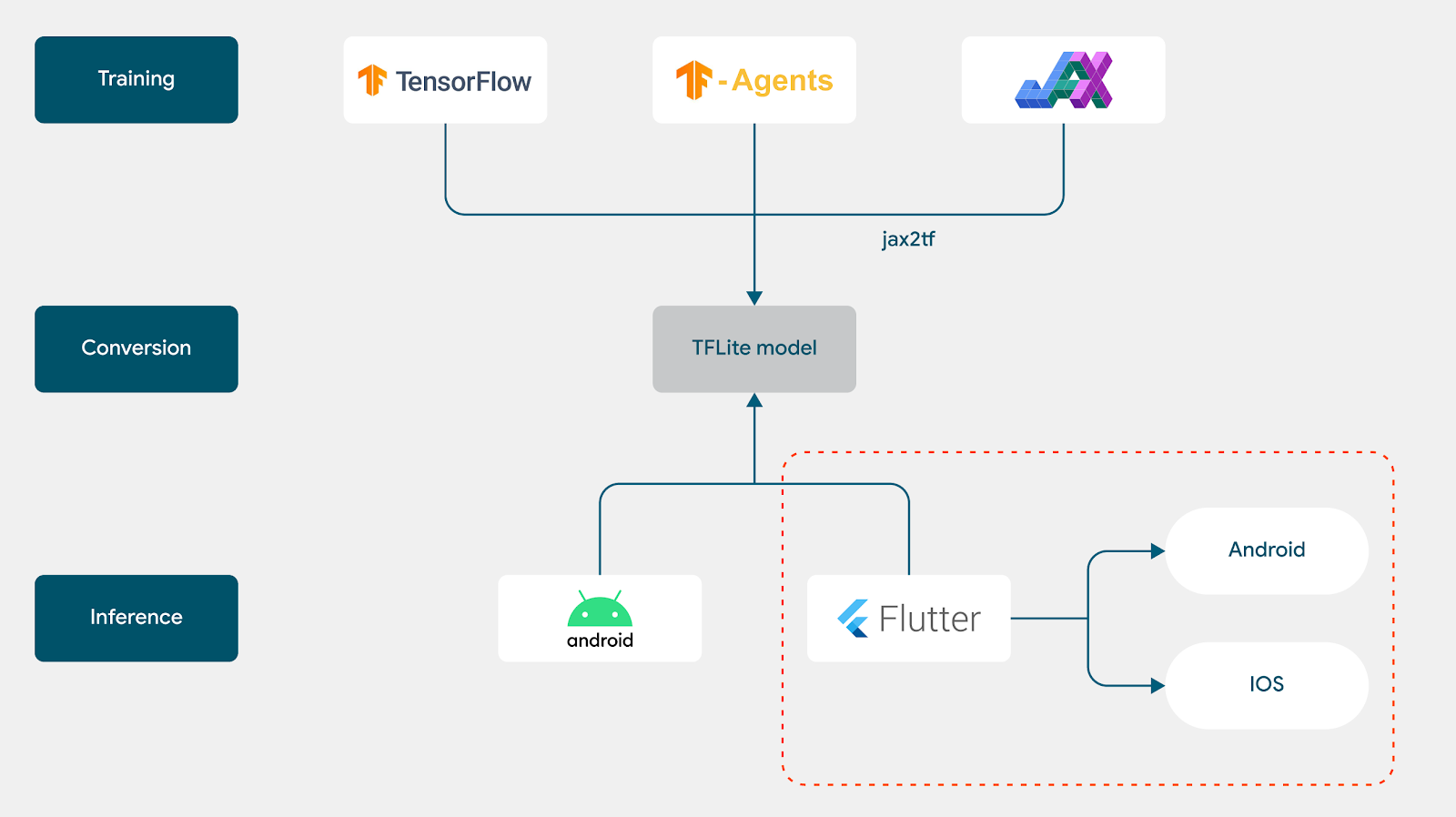
- Training: Building an RL agent using TensorFlow and TensorFlow Agents.
- Conversion: Converting the trained model into the highly optimized
.tfliteformat. - Deployment: Integrating the model into an Android Studio project using Java/Kotlin.
Phase 2: Introducing JAX
Recognizing the shifting tides in research, the team subsequently expanded the experiment to include JAX. By replacing the traditional training backbone with JAX, the team demonstrated that developers could leverage modern, high-performance numerical computing libraries while still maintaining compatibility with the TFLite runtime, reinforcing the modularity of the TFLite ecosystem.
Phase 3: The Flutter Integration
The release of the official TensorFlow Lite plugin for Flutter marked the final, pivotal step. This plugin acts as a bridge, allowing developers to invoke the TFLite C++ runtime directly from Dart code. This eliminated the need for platform-specific boilerplate, allowing a single codebase to handle the game’s UI logic and the inference calls simultaneously.
Supporting Data: The Mechanics of Inference
For developers looking to replicate these results, the implementation is surprisingly concise. Because the model is pre-trained and converted, the Flutter application essentially functions as a "container" for the intelligence.
Loading the Model
The Flutter plugin provides a streamlined interface for loading the model from the application’s assets. By using the Interpreter.fromAsset method, the developer ensures that the model is ready for invocation as soon as the game environment is initialized.
void _loadModel() async
  // Create the interpreter instance
  _interpreter = await Interpreter.fromAsset(_modelFile);
Running Inference
The core of the "Plane Strike" game logic lies in the predict function. Here, the current state of the game board (a grid of doubles) is flattened and passed into the TFLite interpreter. The output is a list of probabilities indicating the most strategic move. By applying an argmax function, the agent identifies the index with the highest probability, effectively choosing the best move to "strike."
This process is computationally efficient, ensuring that the user experience remains fluid (60+ FPS) even while the model is actively processing the board state in the background.

Official Responses and Developer Impact
Wei Wei, Developer Advocate at Google, has emphasized that this project serves as a "blueprint" rather than just a standalone game. "The goal was to demonstrate that the workflow—from research to production—can be unified," Wei noted.
By providing the complete source code on GitHub, the team has enabled developers to deconstruct the implementation. The feedback from the developer community has been overwhelmingly positive, particularly regarding the ease of integration. The TFLite plugin abstracts the underlying hardware acceleration (like NNAPI on Android or CoreML on iOS), meaning the developer doesn’t need to write separate code paths for different mobile chipsets.
Implications: The Future of On-Device AI
The successful porting of a reinforcement learning agent to Flutter holds several profound implications for the future of mobile software:
1. Democratization of AI
By simplifying the deployment of complex models, Google is effectively lowering the barrier to entry for solo developers and small teams. You no longer need a dedicated machine learning engineer to deploy a neural network on mobile; if you can build a UI in Flutter, you can integrate an intelligent agent.
2. Enhanced Privacy and Performance
Because the inference occurs entirely on-device, user data never leaves the handset. This is a massive win for privacy-conscious developers. Furthermore, by removing the need for a server-side round-trip, the game becomes playable in offline environments, offering a snappier, more reliable experience.
3. Cross-Platform Parity
The "write once, run everywhere" promise of Flutter finally extends to AI. Previously, a company might have had to maintain two separate ML pipelines for their iOS and Android apps. Now, that overhead is reduced to zero, allowing teams to iterate on their AI features much faster.
Expanding the Horizons: Next Steps for Developers
While the current project demonstrates a functional board game, the potential applications are vast. To further explore the capabilities of the TFLite plugin, developers are encouraged to experiment with the following:
- Model Quantization: Experiment with dynamic range or full integer quantization to reduce the binary size of the application while maintaining competitive performance.
- Hardware Acceleration: Explore how the TFLite delegate settings (such as enabling GPU or NNAPI delegates) can further optimize inference speed for complex models.
- Real-time Feedback Loops: Instead of a static board game, consider implementing a system where the agent learns from the user’s moves in real-time, effectively customizing the difficulty of the game to the player’s skill level.
Conclusion
The transition from native Android experimentation to a robust, cross-platform Flutter application represents a significant milestone in mobile AI development. By leveraging the TensorFlow Lite plugin, developers have been given the tools to build intelligent, responsive, and privacy-focused applications that transcend the traditional boundaries of mobile operating systems.
As we look toward the future, it is clear that the integration of machine learning into our daily apps is no longer a luxury—it is the new standard. With the pathways now laid out by the "Plane Strike" project, the developer community is well-equipped to usher in a new era of AI-enhanced mobile experiences.
For those ready to dive into the code, the repository remains open and accessible, serving as a beacon for what is possible when robust research meets elegant cross-platform design. The tools are in your hands—now it is time to build.