The Trojan Horse in Your Living Room: How Generic Android TV Boxes Are Fueling a Multi-Million-Dollar AI Ad Fraud Empire
By Global Cybersecurity Investigative Desk
For years, cybersecurity analysts have issued urgent warnings regarding the hidden dangers of cheap, generic Android TV streaming boxes. These ubiquitous, off-brand devices—frequently marketed online as miraculous "jailbroken" or unlocked gateways to endless free entertainment for a single, low upfront fee—have long been suspected of covertly monetizing consumer connections.
Time and time again, security researchers have demonstrated that these devices quietly lease out their owners’ home internet bandwidth to anonymous third parties through embedded residential proxy software. However, groundbreaking new threat intelligence reveals that the exploitation goes far beyond passive bandwidth theft.
A comprehensive, deep-dive analysis by threat researchers at the cybersecurity firm Bitsight has uncovered that popular generic streaming devices—most notably the widely sold H96 brand—are actively weaponized. Pre-installed with malicious firmware and hidden backdoor applications, these TV boxes routinely spoof their device signatures to masquerade as mainstream mobile phones. From there, they are systematically orchestrated to interact with artificial intelligence-generated websites, executing massive, automated ad fraud campaigns designed to bleed online merchants and digital advertising networks dry.

Main Facts: The Anatomy of an Enterprise-Scale Scam
At the center of this sprawling operation is a sophisticated nexus of device manufacturing, clandestine software development, and automated digital fraud. The scam turns the everyday consumer’s living room into a silent, tireless click-bot.
According to Bitsight threat researcher Pedro Falé, the operation relies on a dual-purpose architecture built directly into the operating system of these unverified streaming sticks. When a user actively watches television—signaled by an active HDMI connection—the hardware often pivots to functioning as a residential proxy node, routing external internet traffic through the domestic IP address. But the moment the television is turned off, the streaming box awakens to its true, malicious purpose: automated ad fraud.
The mechanics of the operation are as follows:
- Device Spoofing: Despite being connected to stationary household televisions via Ethernet or Wi-Fi, tens of thousands of H96 TV boxes routinely transmit telemetry data claiming to be mobile phones manufactured by globally recognized brands, including Samsung, Huawei, Xiaomi, and Vivo.
- The Puppet Master: Bitsight traced the backdoor infrastructure back to Zhejiang Fengwo IoT Technology Co., Ltd. (operating as the Fengwo Group), a mainland Chinese entity founded in 2019 that oversees a sprawling portfolio of publishing and software assets.
- AI-Generated Landscapes: The Fengwo Group deploys networks of automated websites filled with machine-generated articles spanning finance, health, gaming, education, and culinary blogs. Crucially, these pages are programmed to remain completely devoid of advertisements unless the visiting browser profile matches the spoofed mobile footprint transmitted by the compromised H96 TV boxes.
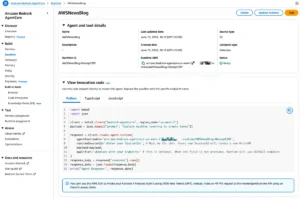
- Low-Skill, High-Volume Engineering: The infrastructure utilizes a modified version of Blockly—a Google-built visual programming language originally designed to teach children how to code. This allows low-skilled operators within the Fengwo network to visually drag and drop code blocks to build complex fraud routines without needing a deep background in software engineering, significantly slashing operational overhead.
Chronology: Unraveling the H96 and Fengwo Conspiracy
The discovery of this ad fraud empire did not happen overnight; it was the result of meticulous digital forensics and a stroke of analytical fortune.

Phase 1: The Breadcrumbs of Telemetry (Pre-2026)
For years, security agencies like the Federal Bureau of Investigation (FBI), alongside private intelligence firms, flagged generic IoT devices—particularly inexpensive Android TV boxes—as vectors for malware and proxy abuse. However, the precise monetization mechanics behind specific brands remained murky.
Phase 2: The Domain Seizure and the Mobile Anomaly (Mid-2026)
The breakthrough occurred when Pedro Falé of Bitsight managed to register an expired domain name that had historically been utilized for hardware telemetry by the popular H96 streaming stick brand. This domain had previously collected full hardware configurations and installed application lists from tens of thousands of active devices worldwide.
Upon monitoring the incoming data streams directed at the newly secured domain, Falé noticed a staggering anomaly. The vast majority of the connected devices—physically hardwired or Wi-Fi-linked television boxes—were reporting operating systems and hardware IDs belonging to high-end mobile smartphones.
Phase 3: Tracing the Code to the Fengwo Group
Further inspection of the telemetry data revealed that every single spoofing device shared two identical background applications developed by Zhejiang Fengwo IoT Technology. By analyzing SSL certificate chains, corporate patent filings, and internal wiki platforms exposed on auxiliary domains (such as fwgcloud.com), Bitsight connected the dots directly to the Fengwo Group.

The researchers published their comprehensive findings in a landmark report, exposing how the Fengwo Group leveraged automated visual editors, AWS S3 buckets, and advanced computer vision systems to orchestrate the global fraud ring.
Supporting Data: Scale, Scope, and Financial Impact
The raw telemetry data captured during the Bitsight investigation paints a staggering picture of the scale of modern cyber-enabled fraud.
- Global Footprint: Bitsight telemetry identified approximately 38,000 distinct H96 TV boxes actively phoning home to a single expired telemetry domain associated with the Fengwo Group. Researchers emphasize that this figure represents only a fraction of the total botnet, as it tracks just one legacy core domain.
- Daily Revenues: Based on conservative estimates derived from this single tracking vector, the ad fraud network is projected to generate close to $50,000 per day in fraudulent ad revenue, eclipsing even the substantial concurrent profits generated by their residential proxy leasing operations.
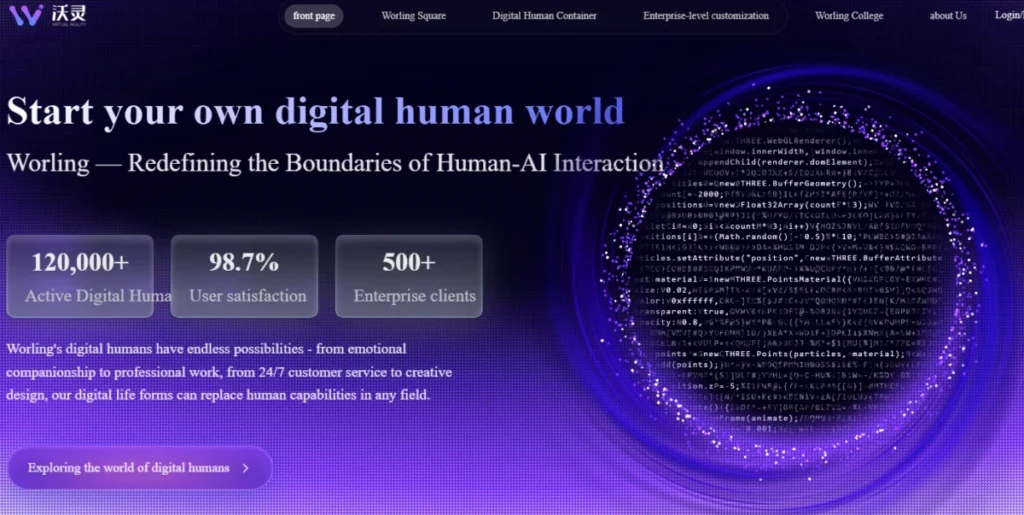
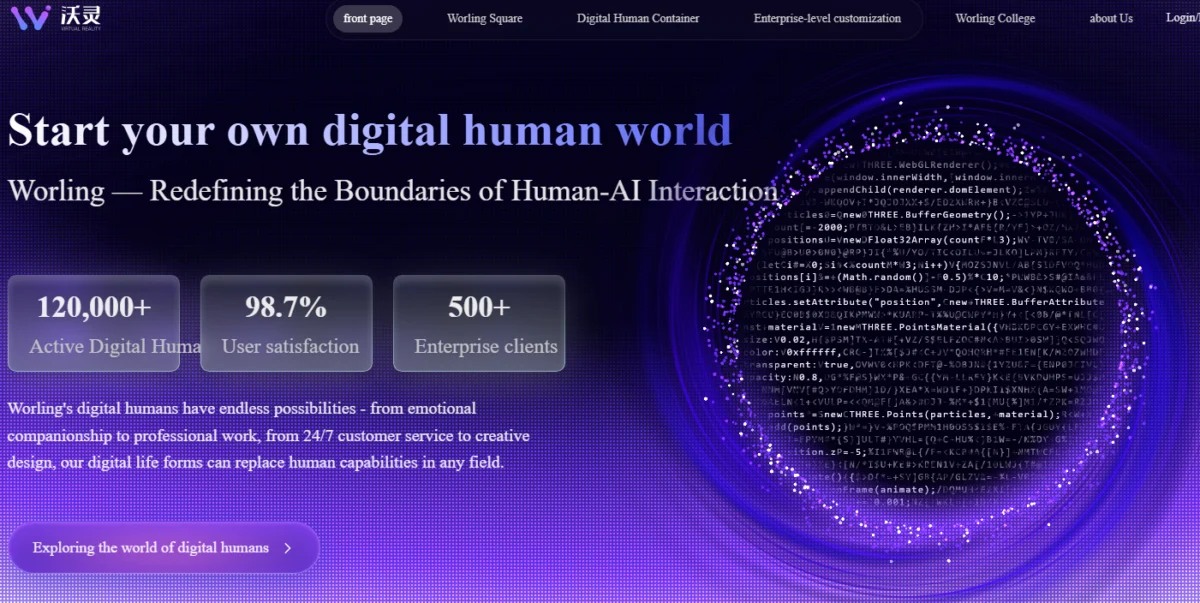
- The "AI Digital Human" Facade: The Fengwo Group’s primary portal boldly claims the company has created and deployed over 120,000 "AI digital humans" available for rent, pitching itself as an innovative human-AI interaction provider. However, Bitsight’s analysis concludes this narrative is likely a clever digital facade designed to obfuscate the true nature of their underlying botnet infrastructure and evade regulatory scrutiny.
- Advanced Automation: To ensure the fake clicks appear entirely legitimate to automated anti-fraud filters, the Fengwo system integrates three distinct vision and reasoning systems. These systems allow the automated bots to visually identify ad placements on complex web layouts and navigate web pages with human-like variability—scrolling, pausing, and interacting before executing the final click.
Official Responses and E-Commerce Complicity
Despite repeated, high-profile warnings issued by the FBI and cybersecurity agencies globally regarding the inherent dangers of uncertified internet-connected hardware, major global e-commerce titans continue to provide a lucrative marketplace for these compromised devices.
Platforms such as Amazon, Best Buy, and Newegg have historically hosted hundreds of independent storefronts selling unbranded or generic Android TV boxes. Frequently hyped by online influencers as cost-free alternatives to legitimate streaming subscriptions, these devices bypass standard Google Play Protect certifications, shipping out of the box with pre-loaded backdoors, proxy tools, and ad-fraud applications.

The Regulatory and Industry Response
In response to the mounting crisis, technology giants and security watchdogs are stepping up defensive measures:
- Google’s Certification Guidelines: Google continues to urge consumers to verify device authenticity, noting that users can manually check whether their Android TV hardware runs an official, vetted operating system through official support channels.
- Proxy Tracking and Blacklists: Intelligence firms like Synthient maintain active, publicly accessible repositories (such as community-driven CSV watchlists on GitHub) cataloging thousands of consumer IoT device names—ranging from streaming sticks to digital photo frames—known to ship pre-infected with residential proxy software.
- Platform Crackdowns: Major entertainment hardware manufacturers are beginning to take internal action. For instance, companies like LG recently announced sweeping policy changes to ban residential proxy software from operating within their smart TV app ecosystems.
When approached for comment regarding these findings, the Fengwo Group failed to provide a statement. An investigative email sent to [email protected] bounced back immediately with an automated failure notice indicating that the inbox was completely full—a fitting metaphor for an operation drowning in excess digital traffic.
Implications: The Future of Consumer IoT Security
The exposure of the H96 and Fengwo Group ad fraud conspiracy carries profound implications for the future of consumer electronics, cybersecurity, and digital advertising integrity.
- The Erosion of Trust in Digital Advertising: Ad fraud is no longer confined to basic browser-based script execution. By utilizing physical hardware endpoints situated behind residential IP addresses, bad actors can completely bypass traditional bot-detection metrics. Advertisers paying top-dollar for targeted mobile traffic are unknowingly funding offshore criminal enterprises via synthetic, AI-driven impressions.
- The Danger of the "Smart" Home: Every unverified, bargain-bin IoT device brought into a home or corporate network represents a potential systemic vulnerability. As demonstrated by botnets like Kimwolf and infrastructure networks like Fengwo, these devices are not merely passive data collectors; they are dynamic, programmable nodes capable of shifting between bandwidth-renting proxies and active cyber-attack vectors depending on user behavior.
- The Responsibility of E-Commerce Platforms: Online retail giants face mounting legal and moral pressure to police their marketplaces. By allowing uncertified, pre-infected hardware to be sold openly to unsuspecting consumers seeking a bargain, these platforms inadvertently act as distribution channels for organized cybercrime.
Protecting Your Network
Cybersecurity experts offer clear, actionable advice for consumers looking to safeguard their digital environments:

- Stick to Name Brands: When purchasing streaming hardware, consumers should exclusively buy reputable, name-brand devices (such as Apple TV, Google Chromecast, Roku, or certified Fire TV units) from authorized retailers.
- Verify Software Integrity: Avoid downloading unverified sideloaded applications or "unlocked" streaming apps promising free premium content.
- Network Segmentation: For households utilizing IoT devices, placing smart TVs and streaming sticks on a separate guest network or VLAN can effectively isolate compromised hardware, preventing attackers from pivoting deeper into personal computers, NAS drives, and sensitive home infrastructure.
As artificial intelligence continues to lower the barrier to entry for cybercrime, the line between consumer convenience and digital exploitation grows increasingly thin. The lesson of the H96 streaming box is clear: if a piece of technology promises something too good to be true for an impossibly low price, you—and your internet connection—are likely the product.