AWS Expands Its Physical Footprint: Global Tech Giant Announces New Permanent "Builder Lofts" in Berlin, Hyderabad, and São Paulo
By Global Technology Desk
Published by AWS News Blog / Editorial Review
Main Facts
Amazon Web Services (AWS) has officially announced a major global expansion of its physical community infrastructure, detailing plans to open three new permanent AWS Builder Lofts in Berlin, Hyderabad, and São Paulo.
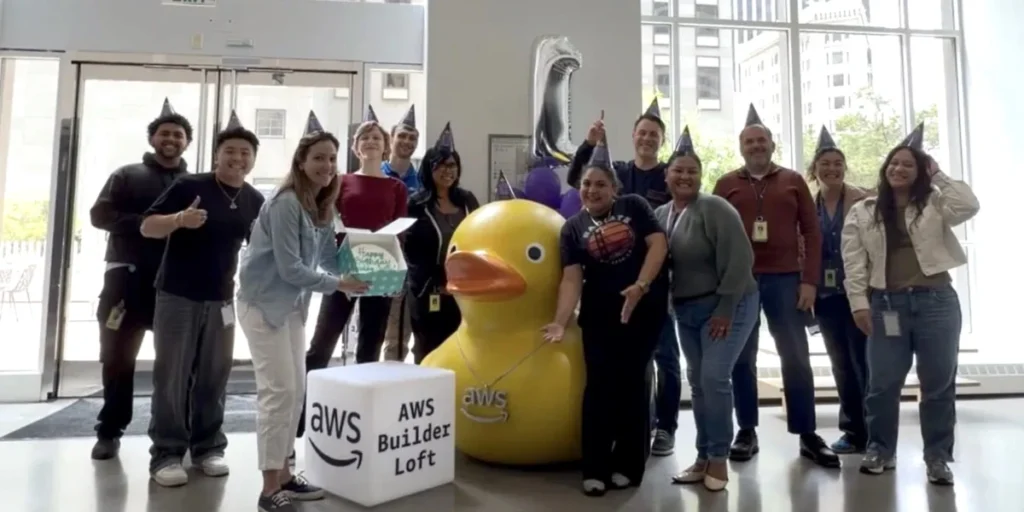
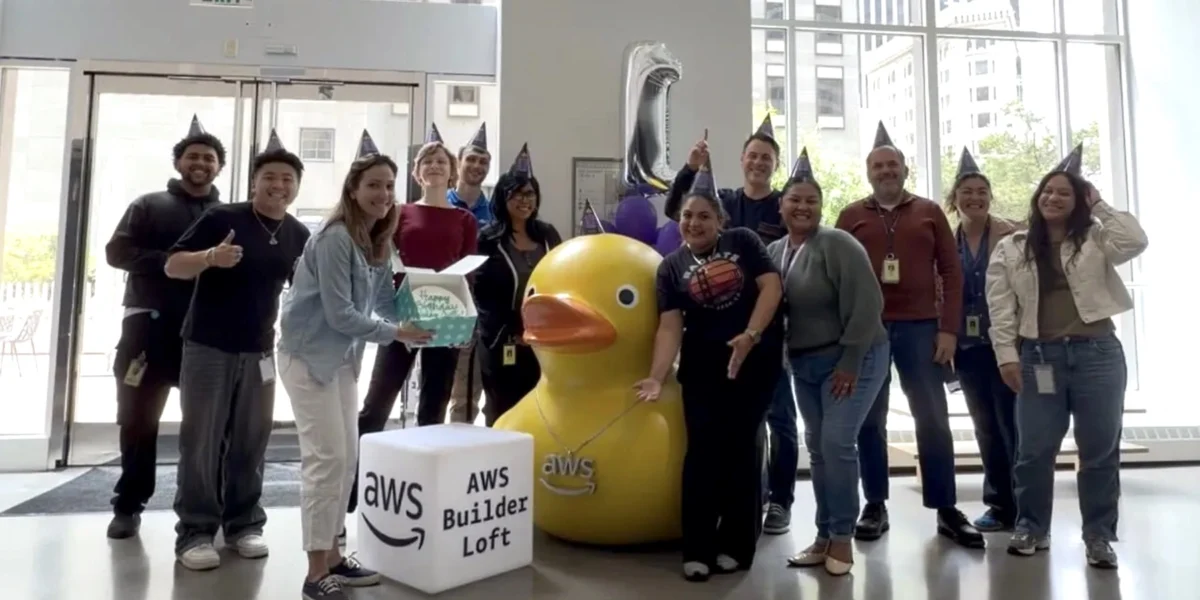
This strategic rollout follows the profound success of the pilot AWS Builder Loft in San Francisco, which opened its doors in July 2025 and has since welcomed upwards of 22,500 developers, students, entrepreneurs, and technologists. Designed as dynamic, physical hubs for the tech community, these permanent spaces serve as collaborative ecosystems where builders can access free co-working areas, hands-on technical workshops, startup pitch nights, content creation zones, and spaces to host grassroots community events.
Unlike traditional corporate offices or transactional sales centers, the AWS Builder Lofts are engineered to be community-driven. Local tech leaders, independent developer groups, AWS User Groups, and AWS Student Builder Groups can reserve and utilize the facilities at zero cost. While technical experts from AWS are stationed on-site to assist builders with architectural and development queries, the programming, energy, and day-to-day use cases are shaped entirely by the local technology talent operating within each respective region.
Chronology: The Evolution of AWS Physical Spaces
To understand the strategic weight of the Builder Loft expansion, it is necessary to trace the evolution of AWS’s engagement with physical communities over the past two decades.
1. The Era of the AWS Pop-Up Lofts (Early Cloud Era)
In the formative years of cloud computing, AWS recognized that transitioning workloads from on-premises data centers to the cloud required intensive education, mentorship, and hand-holding. To bridge this gap, AWS pioneered AWS Pop-up Lofts in major metropolitan cities across the globe. These temporary physical spaces acted as incubators where startup entrepreneurs, systems architects, and novice developers could gather for scheduled events, technical meetings, and informal co-working sessions. However, by design, these lofts were temporary marketing and educational activations rather than permanent fixtures of the urban tech landscape.
2. The Generative AI Boom and the Gen AI Lofts
As artificial intelligence—particularly generative AI—began to reshape the software development lifecycle, the demand for high-collaboration physical spaces surged once more. AWS responded by launching AWS Gen AI Lofts worldwide. These spaces provided temporary, pop-up style collaborative environments tailored specifically to developers and startups racing to build, train, and deploy next-generation AI models using tools like Amazon Bedrock and AWS Trainium.
3. The Pivot to Permanence: San Francisco (July 2025)
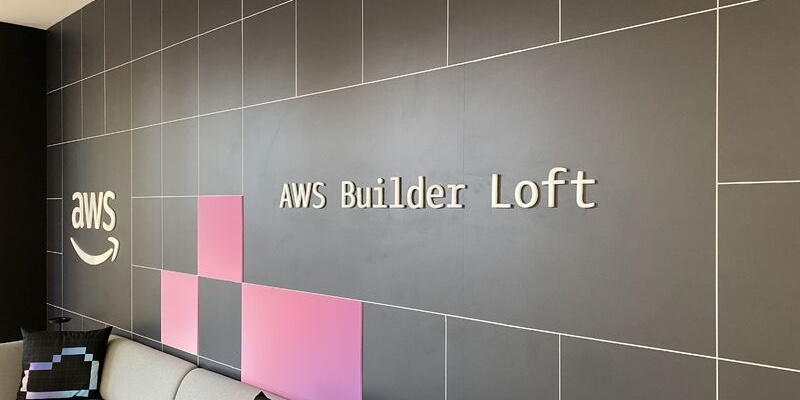
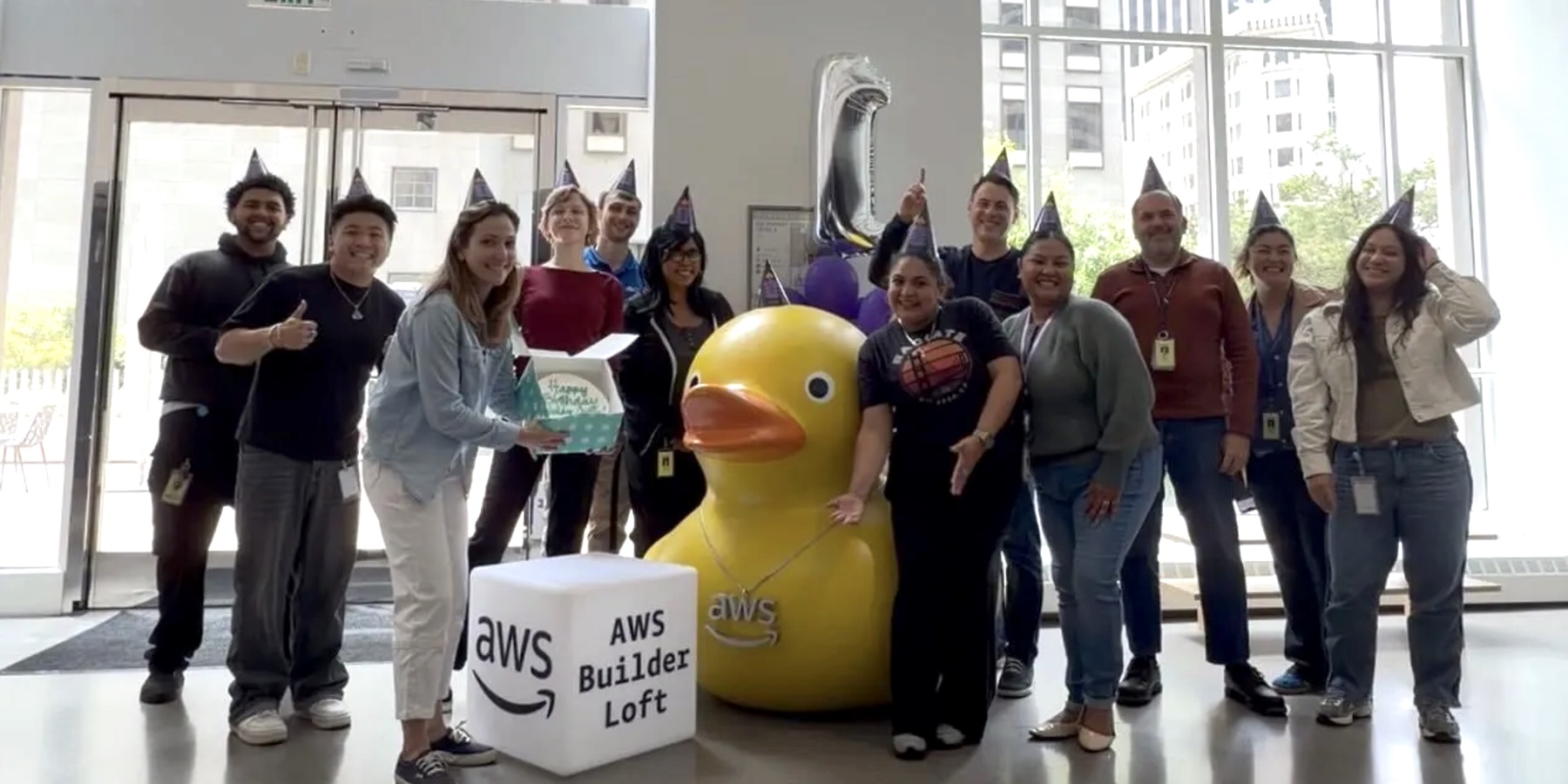
Recognizing that temporary pop-ups could not fully satisfy the deep-seated, ongoing need for localized developer communities to learn, connect, and contribute continuously, AWS shifted its strategy toward permanent infrastructure. In July 2025, the company launched the flagship AWS Builder Loft in San Francisco. Moving away from short-term activations, this permanent space was established to offer continuous, day-in, day-out programming—ranging from hackathons and coding workshops to demo nights. In just over a year of operation, the San Francisco location has proven the viability of the model, hosting tens of thousands of technologists.
4. The Global Scale-Up: Berlin, Hyderabad, and São Paulo (Present Day)
Building upon the blueprints of the San Francisco pilot, AWS has formally announced its plans to expand the Builder Loft footprint internationally. By selecting Berlin, Hyderabad, and São Paulo, AWS is embedding itself directly into three of the world’s most vibrant, rapidly accelerating innovation and talent corridors outside of the United States.
Supporting Data & Operational Metrics
The operational framework of an AWS Builder Loft is built on high-throughput community engagement and extreme spatial flexibility. Data emerging from the flagship San Francisco location illustrates how these spaces function at scale:
- Foot Traffic and Engagement: Since opening in July 2025, the San Francisco Builder Loft has registered over 22,500 developer visits.
- Weekly Programming Volume: A typical week at the loft features between four and eight distinct community events, spanning deep technical dives into generative AI, student coding bootcamps, startup pitch nights, and cross-industry networking mixers.
- Spatial Adaptability: The physical layout is designed to morph depending on the time of day and the needs of the community. For instance, a primary training room can accommodate over 50 students for an intensive morning coding workshop, pivot into a dynamic demo stage by evening where an early-stage startup showcases its latest prototype to potential investors, and transition into an open-source hacking space over the weekend.
- Geographic Strategic Intent: The choice of Berlin (Europe’s premier startup and deep-tech hub), Hyderabad (India’s premier technology and engineering powerhouse), and São Paulo (Latin America’s financial and technological heartland) targets regions experiencing exponential growth in developer density and venture-backed innovation.
Official Responses and Stakeholder Perspectives
Leadership within AWS has emphasized that the Builder Loft initiative is fundamentally a commitment to empowering grassroots technology ecosystems rather than driving top-down corporate agendas.
In commentary released alongside the announcement, AWS representatives highlighted the philosophy behind the spaces. While the infrastructure, high-speed connectivity, and architectural support are funded and maintained by AWS, the soul of the loft is dictated by its users.

“You’ll still be able to meet AWS experts there, but beyond that, we further want to establish a home for local tech communities—from AWS User Groups and AWS Student Builder Groups to independent developer groups you’re already part of,” noted AWS community advocates. “As a tech community leader, you are welcome to request booking of our space to host your meetup at no cost.”
Community organizers have widely praised the initiative. In an era where commercial real estate costs in major global tech hubs can price grassroots developer communities out of meeting spaces, providing secure, well-equipped, and free physical venues solves a major logistical bottleneck for meetups, user groups, and non-profit coding initiatives.
Implications for Developers, Startups, and the Tech Industry
The rollout of permanent Builder Lofts across North America, Europe, Asia, and South America carries several significant implications for the broader technology landscape:
1. Democratization of Physical Innovation Hubs
Access to high-end collaboration spaces, professional AV equipment for content creation, and structured networking environments has historically been restricted to well-funded accelerators, corporate innovation labs, or expensive co-working memberships. By offering these amenities completely free of charge to students, independent developers, and startup founders, AWS is removing financial barriers to entry for tech entrepreneurship and skill-building.
2. Strengthening Regional Tech Ecosystems
While Silicon Valley has traditionally dominated global tech narratives, secondary and international tech hubs are maturing at an unprecedented rate. By establishing flagship Builder Lofts in Berlin, Hyderabad, and São Paulo, AWS is actively investing in local talent pipelines. This localized approach ensures that developers in Europe, South Asia, and Latin America have world-class facilities on their doorstep, encouraging tech talent to build, scale, and innovate within their home regions.
3. Fostering Generative AI and Cloud Literacy
With the rapid integration of generative AI into enterprise architectures, continuous, hands-on learning has become essential for technical career survival. The Builder Lofts provide a physical bridge between theoretical cloud concepts and practical application. Through workshops, hackathons, and peer-to-peer mentoring, builders can experiment with complex machine learning pipelines, serverless architectures, and cloud-native development frameworks in a collaborative, low-risk environment.
4. A New Paradigm for Developer Relations (DevRel)
The physical permanence of the Builder Loft model signals a maturation in how major cloud providers approach Developer Relations. Moving past purely digital engagement (such as virtual hackathons and online forums) or transient marketing stunts, AWS is betting that face-to-face, community-owned physical spaces yield deeper loyalty, stronger organic product adoption, and a more resilient developer ecosystem.
Looking Ahead
As AWS prepares to officially cut the ribbon on its new Builder Lofts in Berlin, Hyderabad, and São Paulo, the tech community awaits further announcements regarding exact launch dates, venue addresses, and initial calendar schedules.
For local developers, students, and community organizers interested in getting involved, AWS has encouraged tracking updates via upcoming posts on the official AWS News Blog and the central AWS Builder Loft portal. Whether attending a generative AI deep-dive, pitching a fledgling startup idea, or booking the venue for an independent user group meetup, the global network of Builder Lofts stands ready to shape the next generation of cloud builders.