Empowering the Future of AI: Google Announces the 3rd Annual Women in Machine Learning Symposium 2023
SAN FRANCISCO, CA — As artificial intelligence and machine learning (ML) continue to redefine the boundaries of human capability and technological innovation, the imperative for diversity, inclusivity, and collaborative growth within the sector has never been more pronounced. Against this dynamic backdrop, Google has officially announced the return of the Women in Machine Learning (WiML) Symposium, marking its third consecutive year of fostering community, mentorship, and cutting-edge technical education.
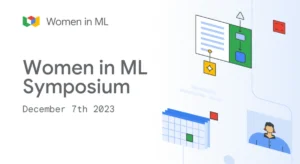
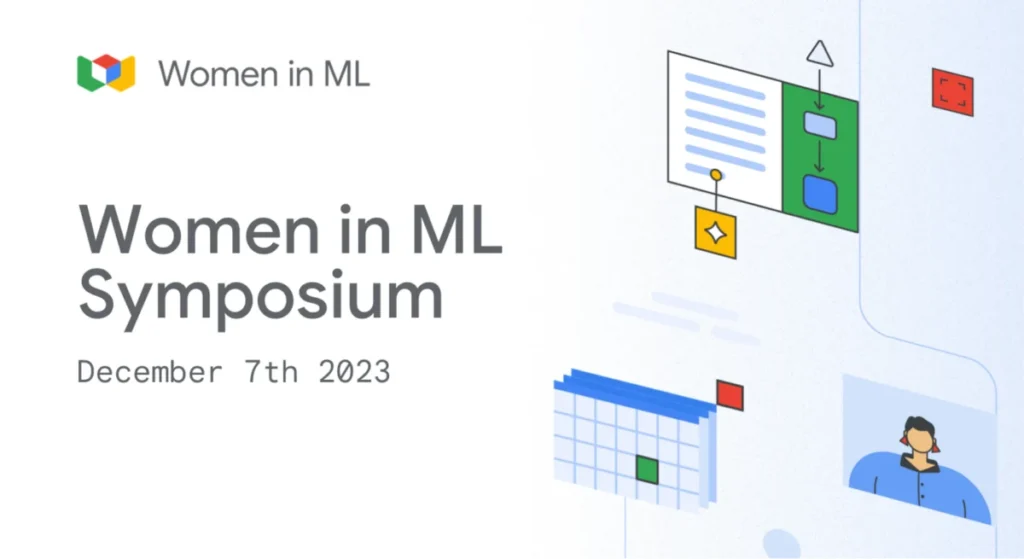
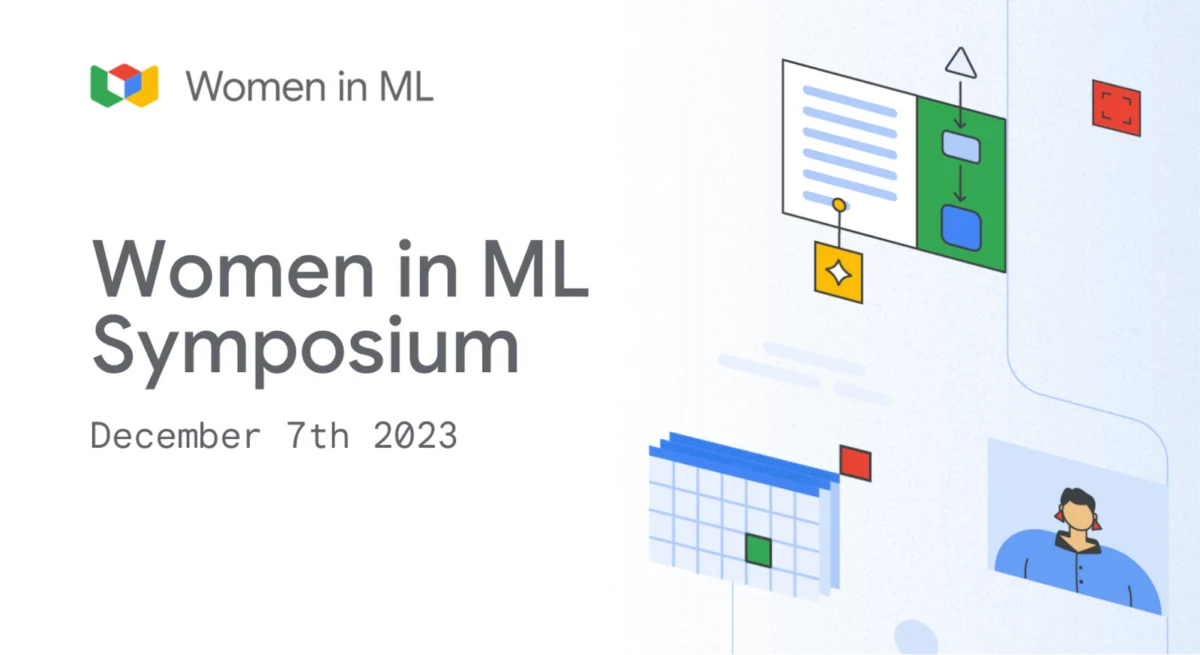
Spearheaded by Sharbani Roy, Senior Director of Product Management at Google, this year’s virtual event is scheduled to take place on December 7, 2023, from 9:30 AM to 1:00 PM PT. Designed as an immersive, accessible experience for technologists, researchers, students, and industry leaders alike, the half-day symposium promises a robust agenda covering everything from foundational machine learning concepts to the latest breakthroughs in generative AI and hardware accelerators.
Main Facts
The 2023 Women in Machine Learning Symposium stands as a flagship initiative dedicated to highlighting the contributions and leadership of women in a traditionally male-dominated field. Key details of the event include:
- Date and Time: December 7, 2023, from 9:30 AM to 1:00 PM Pacific Time (PT).
- Format: Fully virtual, global accessibility, allowing participants to join from anywhere in the world.
- Target Audience: Inclusive of all genders and tailored for all levels of machine learning expertise—ranging from absolute beginners taking their first steps in Python and TensorFlow, to seasoned ML engineers and researchers deploying large-scale neural networks.
- Collaborative Leadership: Featuring keynotes, panel discussions, and technical deep-dives led by prominent experts from Google, Google Health, NVIDIA, Adobe, and other pioneering technology institutions.
- Core Technical Themes: Generative AI, privacy-preserving machine learning, underlying compute accelerators, modern ML frameworks, open-source tools, and cross-industry practical applications.
Chronology of the WiML Initiative
To understand the significance of the 2023 symposium, it is essential to trace the evolution of Google’s commitment to supporting women and underrepresented groups in the AI ecosystem.
The Genesis and Early Expansion
Long before the current generative AI boom, the technology sector grappled with a significant talent gap and a stark gender imbalance in core technical disciplines. Recognizing that diverse teams build more equitable, ethical, and innovative AI systems, Google’s developer ecosystem teams began curating localized and virtual spaces for women to share research, find mentorship, and network.
The Inaugural WiML Symposium
The formalization of the annual symposium series marked a turning point. Recognizing the pivot toward remote-first and hybrid global professional gatherings, Google launched the inaugural Women in Machine Learning Symposium to scale mentorship and knowledge-sharing globally. The event broke geographic barriers, enabling thousands of women from emerging tech hubs across Africa, Latin America, Asia, and North America to connect with industry pioneers.
The 2022 Milestone
Building on the foundational success of the first event, the 2022 Women in Machine Learning Symposium leaned heavily into the practical application of AI, touching upon early explorations of large language models, MLOps, and responsible AI frameworks. The event drew record-breaking registration numbers, cementing the symposium as a premier annual calendar fixture for AI practitioners.
The 2023 Landmark Event
Now in its third iteration, the 2023 symposium arrives at a critical juncture in technological history. Following the explosive mainstream adoption of generative AI throughout 2023, this year’s event is uniquely positioned to address the immediate challenges and opportunities facing developers today—balancing rapid innovation with ethical responsibility, privacy safeguards, and scalable infrastructure.
Supporting Data and Industry Context
The necessity for targeted initiatives like the WiML Symposium is underscored by broader labor market and industry data concerning gender representation and skills shortages in artificial intelligence.
The Representation Gap in AI Research
According to various industry and academic reports—including the Stanford University Human-Centered AI (HAI) Institute’s AI Index—women remain significantly underrepresented in the artificial intelligence workforce, particularly in senior research, executive leadership, and core algorithmic development roles. While university enrollment in computer science and specialized AI graduate programs has gradually diversified, retention and upward mobility within corporate and academic research labs remain persistent challenges.
- Global Workforce Share: Estimates suggest that women account for fewer than 30% of total roles across the global artificial intelligence and machine learning workforce.
- Leadership Deficit: The disparity widens at the executive and principal researcher levels, where women hold less than 20% of senior leadership positions in major tech firms and AI-focused startups.
- The Mentorship Multiplier: Studies consistently show that structured mentorship and inclusive professional communities significantly reduce turnover among women in STEM fields, increasing career longevity and advancement into technical leadership tracks.
The Technical Landscape of 2023
The content matrix for the 2023 symposium directly addresses the technologies dominating current enterprise investments:
- Generative AI and Foundation Models: With organizations racing to integrate text, image, and multimodal models into their products, understanding how to fine-tune, prompt, and deploy these systems is paramount.
- Privacy-Preserving AI: As global data privacy regulations (such as GDPR and emerging AI acts) tighten, techniques like federated learning, differential privacy, and secure multi-party computation are transitioning from academic theory to corporate necessity.
- Hardware and Framework Optimization: Behind every sophisticated model lies an intensive compute layer. Sessions exploring accelerators (such as Google’s TPUs and industry GPUs) and framework efficiencies provide developers with the practical knowledge needed to optimize inference costs and training times.
Official Perspectives and Statements
In her announcement, Sharbani Senior Director of Product Management at Google, emphasized the transformative potential of the community and the core mission of the event:
"We’re back with the third annual Women in Machine Learning Symposium on December 7, 2023! Join us virtually from 9:30 am to 1:00 pm PT for an immersive and insightful set of deep dives for every level of Machine Learning experience."
Further elaborating on the scope of the curriculum, event organizers highlighted the inclusive design of the program:
"The Women in ML Symposium is an inclusive event for anyone passionate about the transformative fields of Machine Learning (ML) and Artificial Intelligence (AI). Dive into the latest advancements in generative AI, explore the intricacies of privacy-preserving AI, dig into the underlying accelerators and ML frameworks that power models, and uncover practical applications of ML across multiple industries."
By drawing speakers and panelists from a diverse array of industry giants—including Google Health, NVIDIA, and Adobe—the symposium bridges the gap between theoretical computer science and real-world deployment across healthcare, enterprise software, creative industries, and beyond.
Implications for the AI Ecosystem
The hosting of the 2023 Women in Machine Learning Symposium carries profound implications for the future direction of AI development, workforce dynamics, and ethical governance.
1. Fostering Ethical and Bias-Free AI Systems
A homogenous engineering workforce risks building technologies with blind spots, ranging from biased training datasets to exclusionary user experiences. By empowering a diverse cohort of machine learning practitioners, researchers, and leaders, initiatives like WiML directly contribute to the creation of more equitable, safe, and robust AI systems. When women are actively involved in designing foundational models and privacy protocols, the resulting technologies are inherently more reflective of—and beneficial to—global society.
2. Democratizing Access to Advanced Technical Education
By offering a completely free, virtual format, Google ensures that geographic and economic barriers do not prevent passionate technologists from gaining world-class insights. Participants gain direct access to methodologies, open-source tools, and expert guidance that might otherwise be locked behind expensive conference paywalls or exclusive academic circles. This democratization of knowledge accelerates skill-building on a global scale.
3. Strengthening Inter-Industry Collaboration
The collaboration between tech titans and specialized research divisions—showcased through speakers from Google Health, NVIDIA, and Adobe—highlights a growing recognition that solving complex AI challenges requires cross-pollination of ideas. Healthcare AI presents different privacy and accuracy requirements than creative generative software or enterprise cloud infrastructure. By bringing these varied perspectives under one virtual roof, the symposium catalyzes cross-industry innovation and standard-setting.
Conclusion and How to Participate
As artificial intelligence continues its rapid ascent as the defining technology of our era, events that champion diversity, rigorous technical education, and collaborative community-building are vital. The 3rd Annual Women in Machine Learning Symposium offers a timely, comprehensive platform for anyone looking to deepen their expertise, connect with industry luminaries, and help shape the ethical future of intelligent systems.
Registration is currently open. Developers, researchers, students, and AI enthusiasts are encouraged to secure their virtual seats and explore the full agenda by visiting the official event portal.
- Event Date: December 7, 2023
- Time: 9:30 AM – 1:00 PM PT
- Registration Link: RSVP Today via the Official Women in Machine Learning Symposium Portal