Digital Decluttering: Can "Paperweight" Help You Reclaim Your Digital Identity?
In the hyper-connected era of the 21st century, the average internet user maintains dozens, if not hundreds, of digital accounts. Over years of browsing, signing up for newsletters, and utilizing "Login with Google" features, our email inboxes have become graveyard repositories for forgotten subscriptions and latent security vulnerabilities. This "digital bloat" is more than just a nuisance; it represents an expansive digital footprint that is increasingly difficult to manage.
Enter Paperweight, a new open-source application designed to audit your inbox, streamline your subscriptions, and help you exercise your "right to be forgotten." By offering a localized, privacy-focused approach to data management, Paperweight attempts to solve the paradox of modern digital life: we are more connected than ever, yet we have less control over our data than at any point in history.
The Core Problem: The Erosion of Digital Privacy
The accumulation of digital subscriptions is rarely intentional. It is a byproduct of frictionless web commerce. Each time a user checks a box to "receive updates" or uses an OAuth provider to sign into a third-party application, they are creating a permanent data link.
Most users do not realize the extent of their digital sprawl until their inbox is overwhelmed by spam or, worse, they receive notification of a data breach. While paid, enterprise-grade services like Incogni exist to scrub data from broker databases, the average consumer often lacks a free, transparent, and user-friendly tool to manage their own personal data footprint from the ground up. Paperweight positions itself as a DIY utility that bridges the gap between passive inbox management and active data sovereignty.
Anatomy of Paperweight: How It Works
Paperweight is built on a philosophy of "local-first" data processing. Unlike many email management tools that route your sensitive information through third-party servers to categorize it, Paperweight performs all analysis directly on your machine.
Local Processing and Privacy
The security architecture of the application is a primary selling point. By scanning your inbox locally, Paperweight ensures that your credentials and email content never leave your device. The open-source nature of the project allows security-conscious users to audit the code on GitHub, verifying that there are no "phone home" features or hidden data collection pipelines.

Key Features
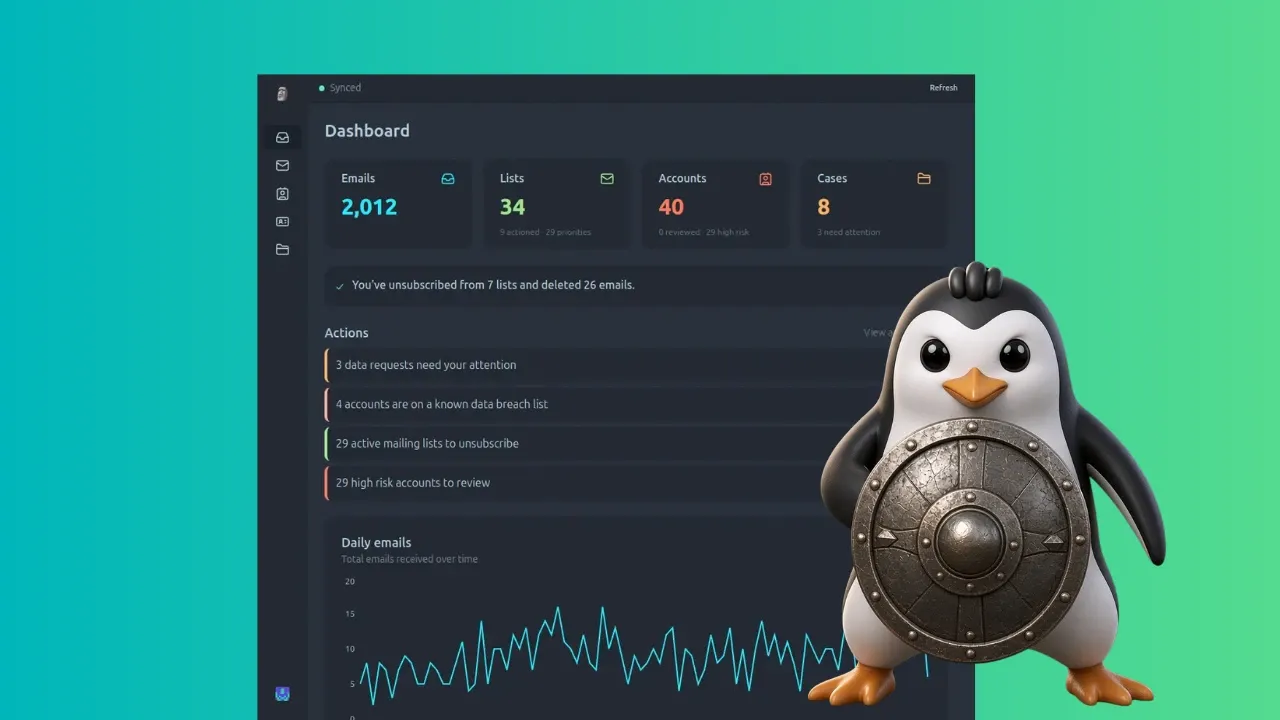
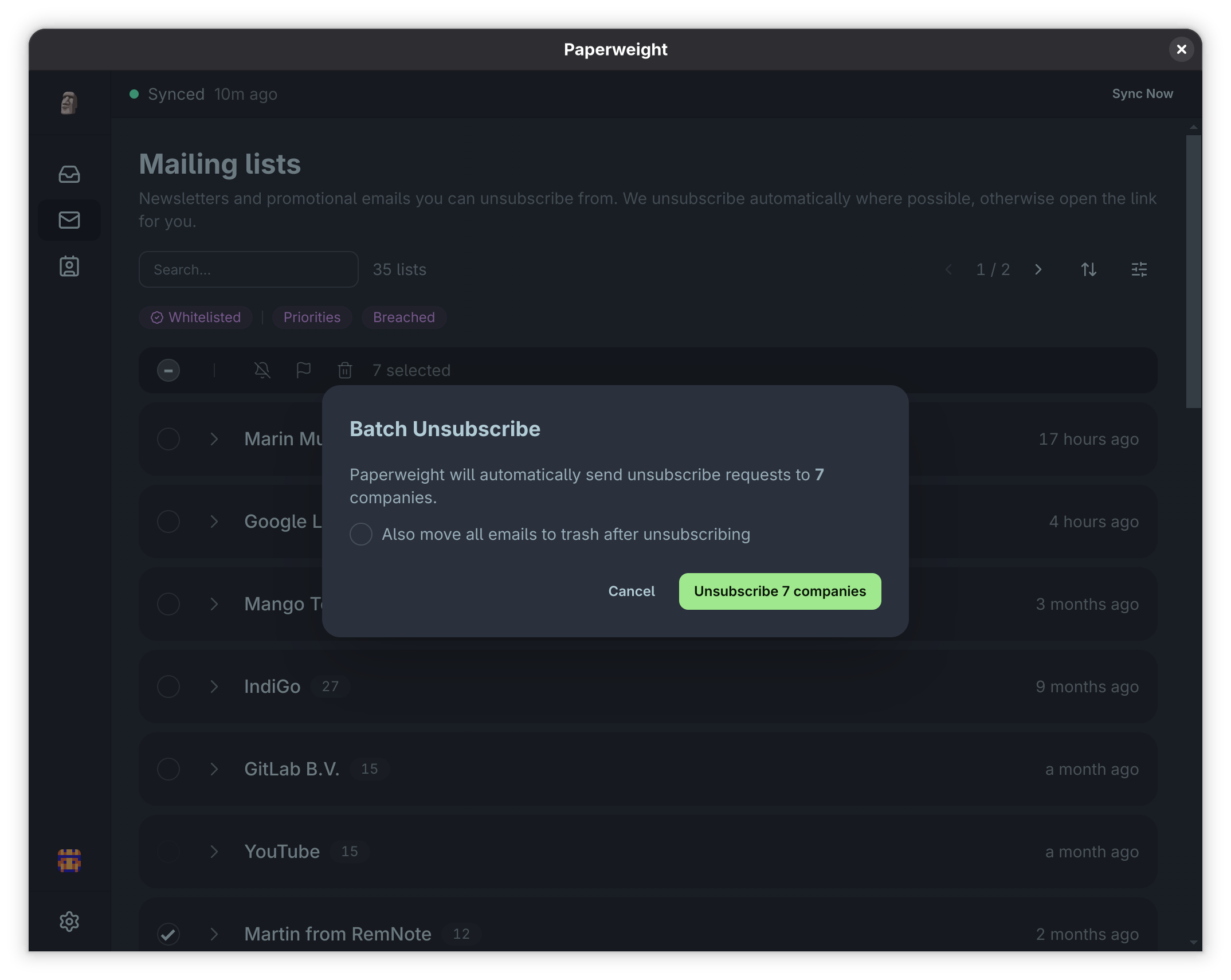
- Bulk Unsubscribe: Instead of manually opening individual emails and hunting for the "unsubscribe" link—which is often buried or intentionally difficult to find—Paperweight aggregates your mailing lists into a single dashboard. Users can select multiple services and initiate mass-unsubscription requests.
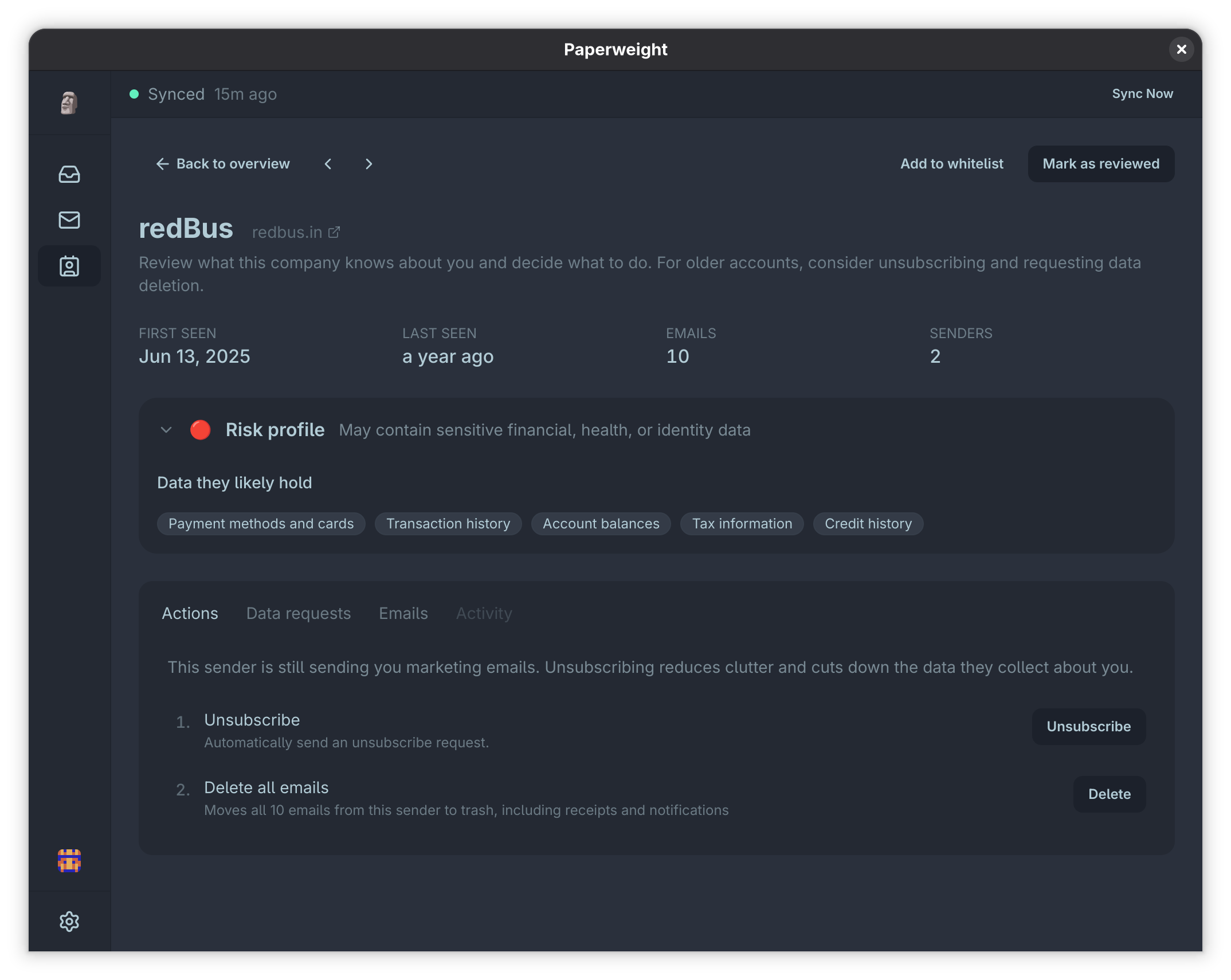
- Account Inventory: The application identifies every service where your email address has been used to create an account. It provides a visual breakdown of the level of access these services have to your private information, including financial, health, or identity data.
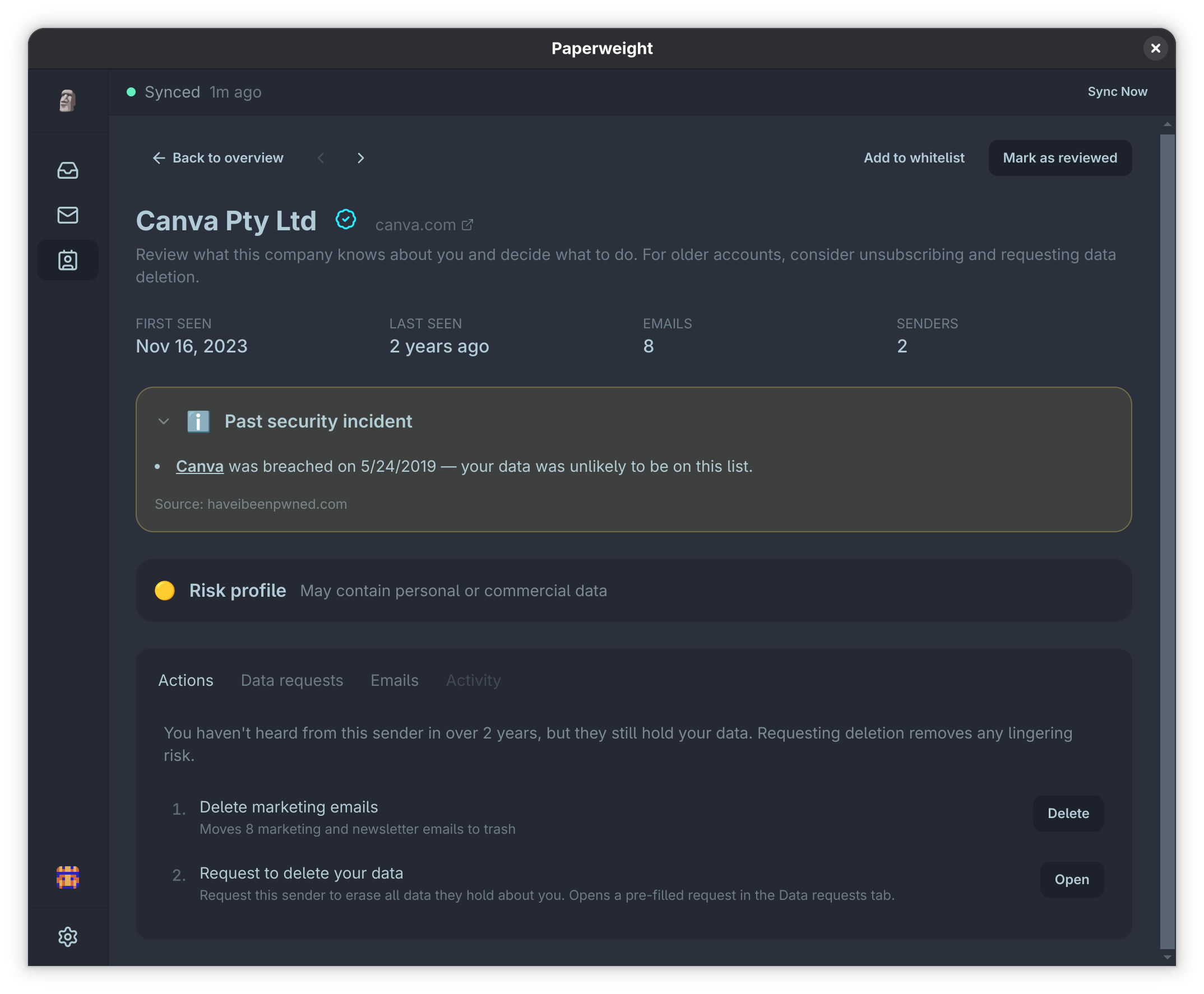
- Breach Alerts: Integrating with the "Have I Been Pwned" API, Paperweight cross-references your account inventory against known security compromises. It alerts you to services that have suffered data leaks, providing a direct pathway to request data deletion.
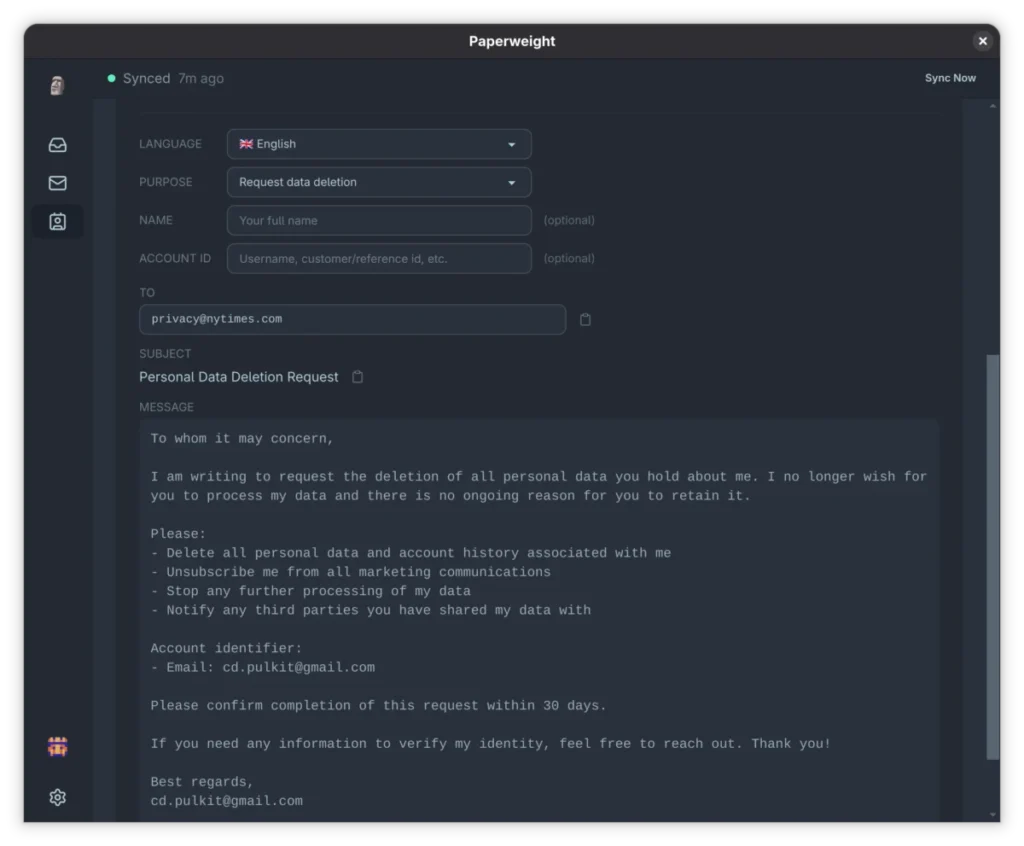
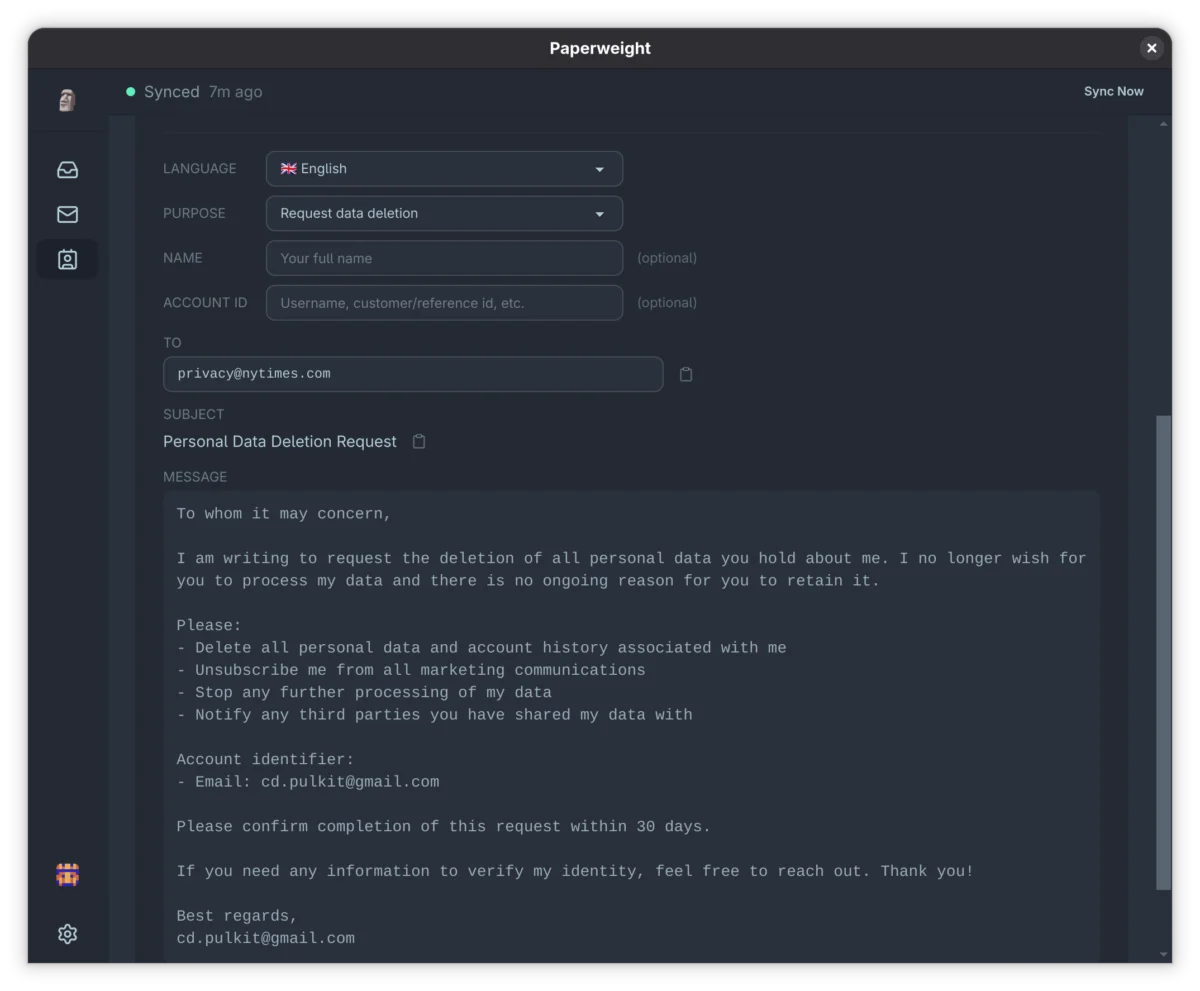
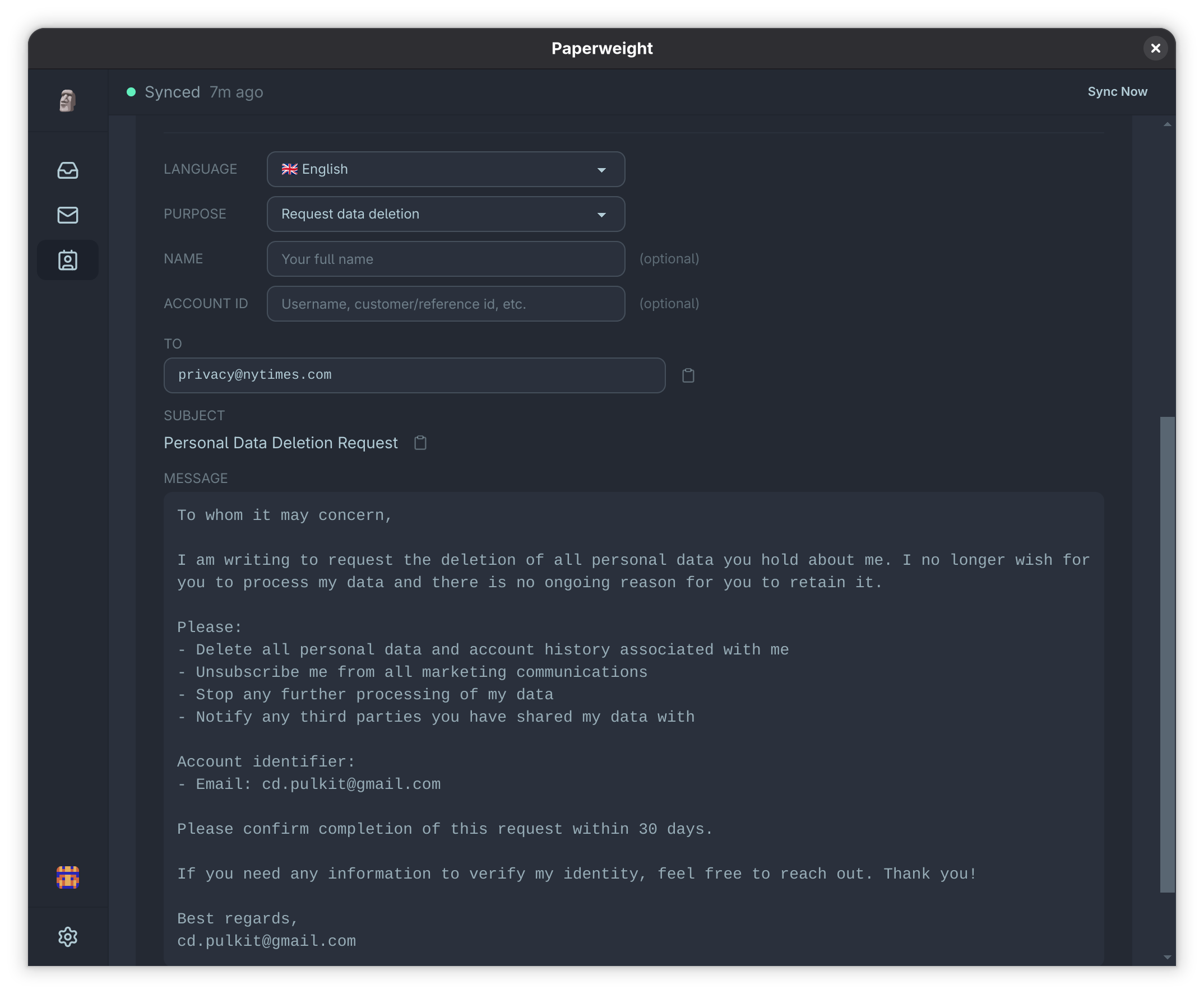
- GDPR Compliance Tools: For users protected by the General Data Protection Regulation, Paperweight provides pre-written templates to submit "Right to be Forgotten" requests. This simplifies the legal process of forcing companies to relinquish your data.
A Chronology of the Digital Cleanup Movement
The rise of tools like Paperweight is the latest stage in a decade-long evolution of digital privacy awareness.
- 2013–2016: The post-Snowden era began shifting public perception regarding data surveillance. Users started seeking encryption tools like PGP and secure messaging, though inbox management remained largely manual.
- 2018: The implementation of GDPR in the European Union fundamentally changed the relationship between users and corporations. It codified the "Right to be Forgotten," providing a legal framework for the deletion requests that Paperweight now automates.
- 2020–2023: The "Privacy-First" browser movement (Brave, Mullvad, etc.) and the growth of private email providers like ProtonMail brought inbox hygiene to the forefront of the consumer tech conversation.
- 2026 (Present): Applications like Paperweight represent the next logical step: moving from defensive privacy (blocking trackers) to proactive digital hygiene (pruning the digital footprint).
Supporting Data: The Cost of Ignoring Your Inbox
The urgency for such a tool is supported by a growing body of research regarding the risks of "zombie accounts." According to various cybersecurity reports, nearly 60% of data breaches involve accounts that are no longer actively used by the owner but still contain valid personal data.
When a user fails to close an account, they leave behind a persistent data trail. If that service is breached, the username and password—often recycled from other accounts—become available on the dark web. Paperweight’s ability to flag these dormant accounts and facilitate deletion serves as a critical line of defense against identity theft.
Furthermore, the "frequency graph" feature within the application provides a quantifiable look at the "noise" in one’s life. Users often find that 80% of their inbox volume originates from 20% of their subscriptions, allowing for high-impact, low-effort cleanup sessions.
Official Stance and Community Reception
While the developers of Paperweight emphasize autonomy, the project has faced a nuanced reception regarding its "freemium" model.
The software is free to use with limited features, but advanced functionality—such as scanning more than 90 days of history and managing multiple email accounts—requires a $69 lifetime license. Some in the open-source community have argued that a flat fee for a local tool is counter-intuitive, especially given that the source code is public and could theoretically be compiled without restrictions.
However, the developers argue that the cost is necessary to support the maintenance of the API integrations and the refinement of the UI. They maintain that the license is a "contribution to sustainable development" rather than a gatekeeping mechanism for functionality.
Implications: The Future of Digital Identity
The introduction of Paperweight signals a broader shift in how we view our digital selves. We are moving toward an era of "data minimalism," where the goal is no longer to be "everywhere at once," but to be present only where it is necessary.
Implications for the User
For the average user, the implications are profound. Using Paperweight once a month can transform a chaotic digital existence into a curated one. By reducing the number of active touchpoints, users significantly lower their surface area for cyberattacks.
Implications for Tech Corporations
For companies, this represents a shift in power. As users become more empowered to mass-unsubscribe and demand data deletion, companies will find it increasingly difficult to rely on "dark patterns"—design tricks that make it hard to leave a service. If users can unsubscribe from a service with one click from a third-party app, companies will be forced to compete on the actual value of their content rather than the inertia of their subscribers.
Conclusion: Is Paperweight Right for You?
Paperweight is a powerful tool for anyone feeling the weight of their digital history. While the $69 price tag for the full, unlimited version may deter students and casual users, the ability to audit one’s own footprint locally is a service that is rarely offered in such an accessible, GUI-driven format.
The application’s success lies in its simplicity. It does not promise to make you invisible—a feat that is essentially impossible—but it does provide the tools to make yourself a much smaller target. Whether you are a privacy advocate looking to minimize your footprint or a professional struggling to manage a deluge of marketing emails, Paperweight offers a practical, transparent, and effective solution.
In a world where our personal data is the primary commodity, regaining control over where that data lives is perhaps the most important digital task of our time. As the developer ecosystem continues to refine tools like Paperweight, we may finally see the end of the "unruly inbox" era, ushering in a new, more manageable, and more secure digital life.
If you decide to take the plunge, ensure you utilize the GitHub repository to understand exactly what you are installing. After all, the first step in protecting your data is knowing exactly what software is handling it.