Retro Revival: Celebrating the Technical Artistry of the GB Pixel Art Jam 2024
The digital landscape is often defined by the relentless pursuit of graphical fidelity, where ray-tracing and 4K textures dominate the conversation. Yet, there remains a vibrant, thriving subculture that finds beauty in the constraints of the past. Nowhere is this more evident than in the recently concluded GB Pixel Art Jam 2024, an annual event hosted on itch.io that challenges artists to distill their vision into the iconic, limited aesthetic of the classic Nintendo Game Boy.
As the jam concludes, the community is left reflecting on 378 unique submissions that demonstrate how technical limitation serves as a catalyst for, rather than a barrier to, creative expression.
The Core Concept: Designing Within Constraints
The GB Pixel Art Jam is not merely an art contest; it is a technical exercise in period-accurate mimicry. Participants are tasked with creating visuals that could theoretically run on the original Game Boy hardware. This requires strict adherence to the system’s famous 160×144 resolution and its monochromatic, four-shade color palette.

For many modern digital artists, working within these parameters is a jarring departure from industry-standard software. "The constraint is the point," notes one participant. By stripping away the ability to rely on complex lighting engines, advanced shading, or expansive color wheels, artists are forced to focus on the fundamental pillars of visual storytelling: composition, silhouette, and high-contrast value. The resulting works often possess a crispness and legibility that feels remarkably modern despite the 8-bit heritage.
A Chronological Journey: From Announcement to Gallery
The 2024 iteration of the jam followed a structured trajectory designed to foster community engagement and iterative improvement.
The Call to Action
The event opened with a call to the global pixel art community, inviting hobbyists and professionals alike to test their mettle. The goal was clearly defined: produce Game Boy-inspired pixel art that honors the aesthetic of the 1989 handheld.

The Development Phase
Over the course of the event, the jam’s community forum became a hive of activity. Artists shared "work-in-progress" snapshots, traded tips on dither-pattern techniques, and discussed the nuances of color-cycling. This phase served as a masterclass in collaborative learning, as participants helped one another navigate the technical pitfalls of hardware-accurate limitations.
The Conclusion and Legacy
With the submissions now closed, the organizers have confirmed that a compiled ROM containing the entire gallery of artwork is currently in production. This gesture is significant, as it allows the artwork to be viewed on actual Game Boy hardware (or accurate emulators), completing the cycle of the event’s mission. It transforms digital JPEGs into functional pieces of retro software, cementing their place in the lineage of the platform.
Analyzing the 2024 Submissions: A Statistical Overview
With 378 entries, the diversity of the work on display is staggering. A breakdown of the submissions reveals several trends that define the current state of retro-pixel art:
- Atmospheric Horror: A significant portion of the entries leaned into the "spooky" potential of the limited palette. Titles like A Lament for Forgotten Souls by Annagmo utilize the high-contrast nature of the Game Boy display to create deep, unsettling shadows that evoke a sense of isolation.
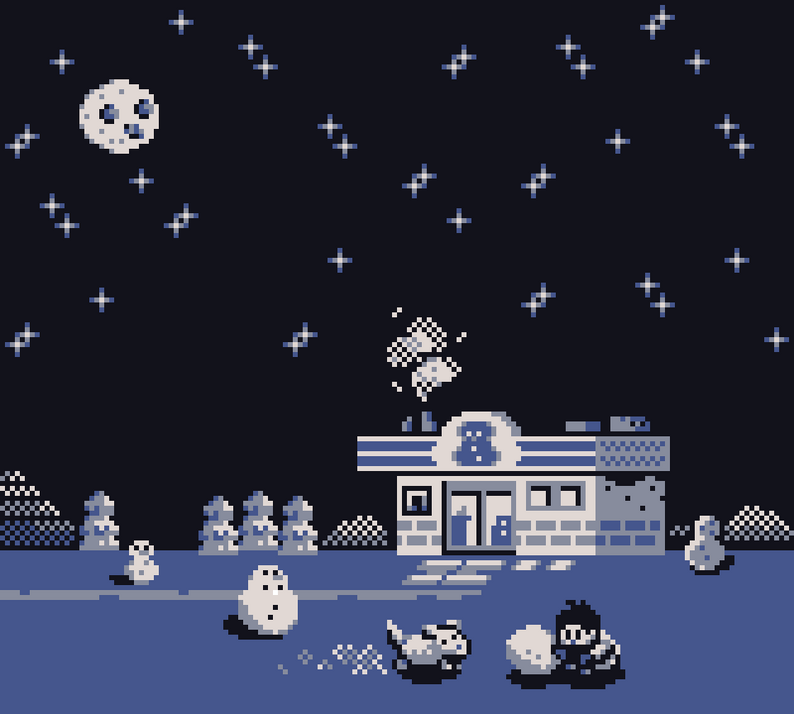
- Cozy Minimalism: Conversely, many artists used the palette to create "cozy" scenes. Night time at Snowball Conbini by howdy riceball demonstrates how soft, rounded pixel clusters can create a welcoming, domestic atmosphere even with a limited color range.
- Dynamic Action: High-octane character work was also well-represented, with Aren, Orc Warrioress by Rohezk showcasing how expressive character design can be achieved through clever use of negative space and bold line work.
The volume of submissions—nearly 400 pieces—indicates that the "retro-renaissance" is not slowing down. On the contrary, it is maturing, with artists finding increasingly sophisticated ways to squeeze depth and texture out of a screen that was designed over three decades ago.
Perspectives from the Creators
The beauty of the itch.io Jam system lies in the direct connection it facilitates between creators and the platform’s curators. Throughout the duration of the event, the discourse was focused on the "why" of the jam.
"We’re always impressed with the wide range of events people have used our Jams feature for," a representative for the platform noted. The sentiment among the participants echoes this, with many stating that the jam provided a necessary "creative reset." By removing the endless choices of modern digital art, artists reported feeling less overwhelmed and more focused on the core identity of their work.
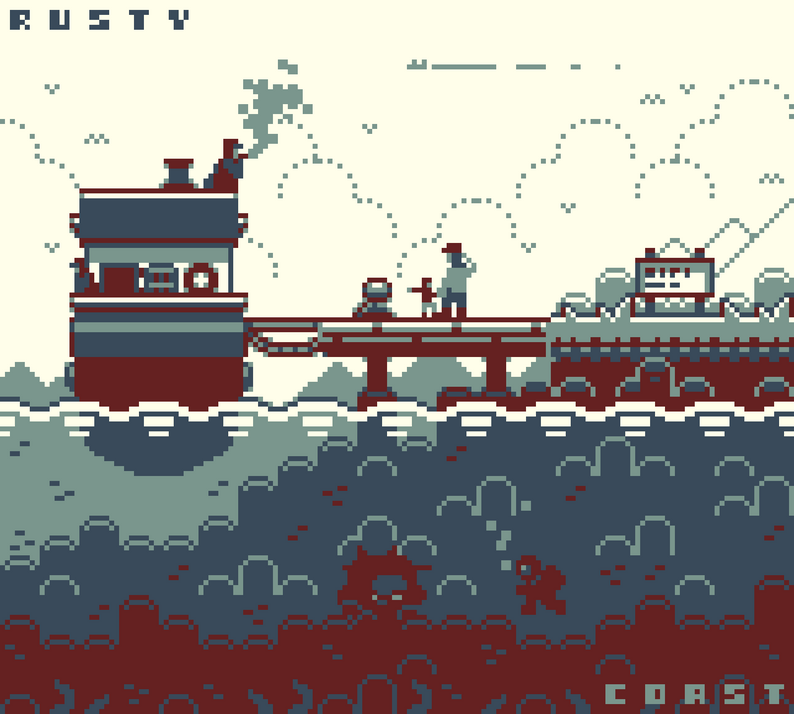
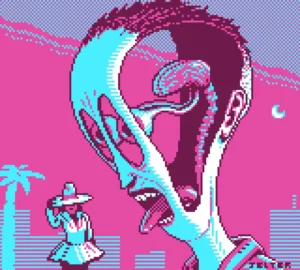
For creators like BenJelter (Malibu Dream) and Birds Probably (Rusty Coast), the jam served as a platform to display their technical prowess. These artists have become pillars of the community, consistently demonstrating that the "Game Boy style" is not a static set of rules, but a language that can be spoken with varying degrees of nuance and flair.
Implications for the Future of Digital Art
The success of the GB Pixel Art Jam 2024 carries several implications for the broader gaming and art industries.
The Longevity of Retro Aesthetics
First, it proves that "dated" hardware limitations possess a timeless quality. The Game Boy aesthetic is not just nostalgia; it is a design language that remains visually legible and emotionally resonant. As modern games become increasingly bloated with high-fidelity assets, there is a growing appetite for the clarity and focus provided by these historical constraints.
The "Jam" as a Community Engine
The event also highlights the efficacy of the "Jam" model. By providing a structured environment with a clear beginning and end, platforms like itch.io enable creators to move from ideation to completion in a short timeframe. This "sprint" mentality is essential for preventing burnout and encouraging experimentation.
Technical Preservation
By compiling these submissions into a ROM, the community is engaging in a form of digital preservation. These are not just drawings; they are data files that respect the architecture of a bygone era. As the original hardware continues to age, this digital archive ensures that the creative output of the 2024 community remains accessible to future generations.
Looking Ahead: The Next Iteration
As the 2024 chapter closes, the focus shifts to what comes next. The success of this event suggests that the appetite for hardware-focused challenges is higher than ever. Whether the next jam focuses on the 8-bit aesthetic of the NES, the color-rich limitations of the Sega Genesis, or a return to the Game Boy, one thing is certain: the community is eager to continue the conversation.
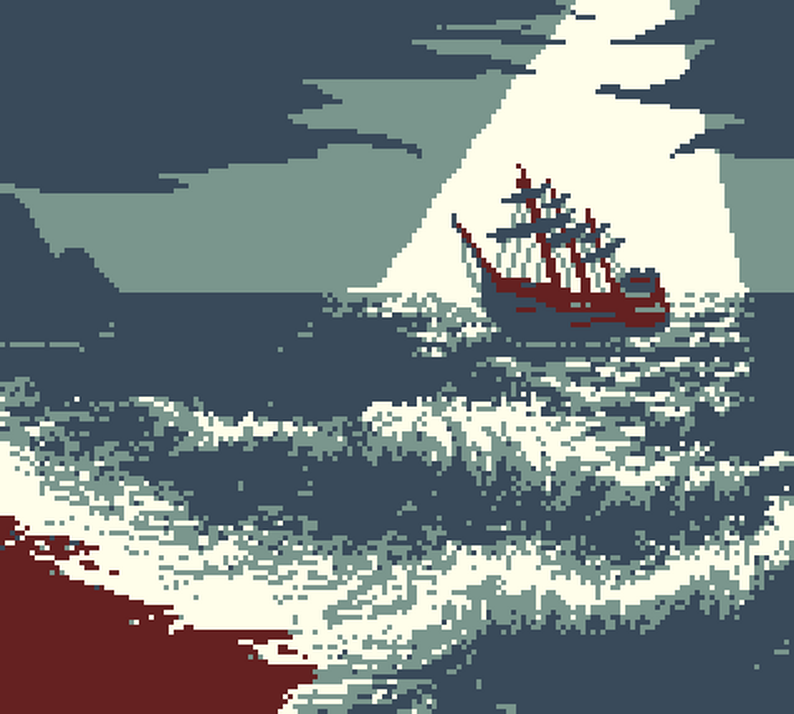
For those who missed the submission window, the entire gallery remains available for viewing on the official itch.io page. It serves as a comprehensive library of the current state of pixel art—a testament to what can be achieved when artists stop chasing the future and start perfecting the past.
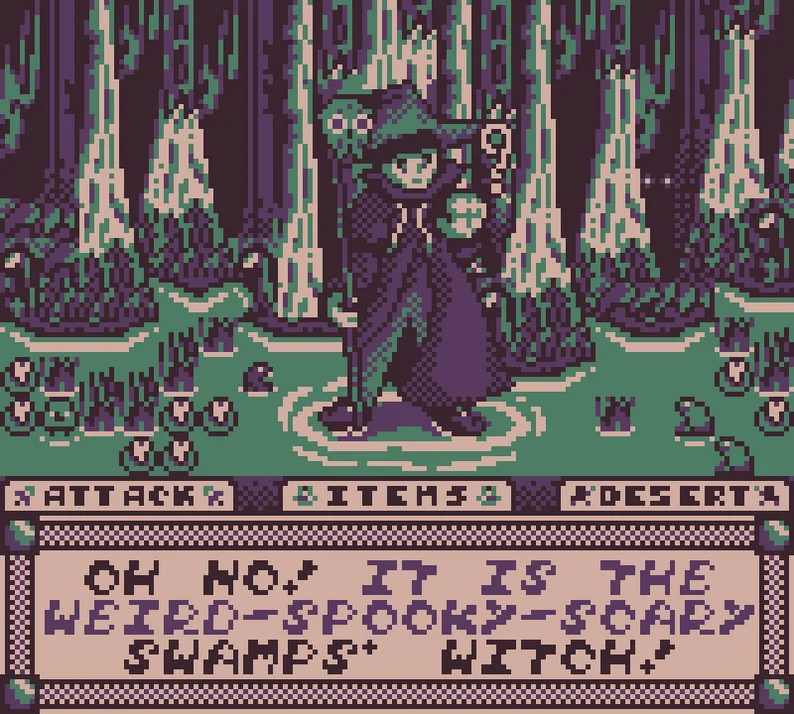
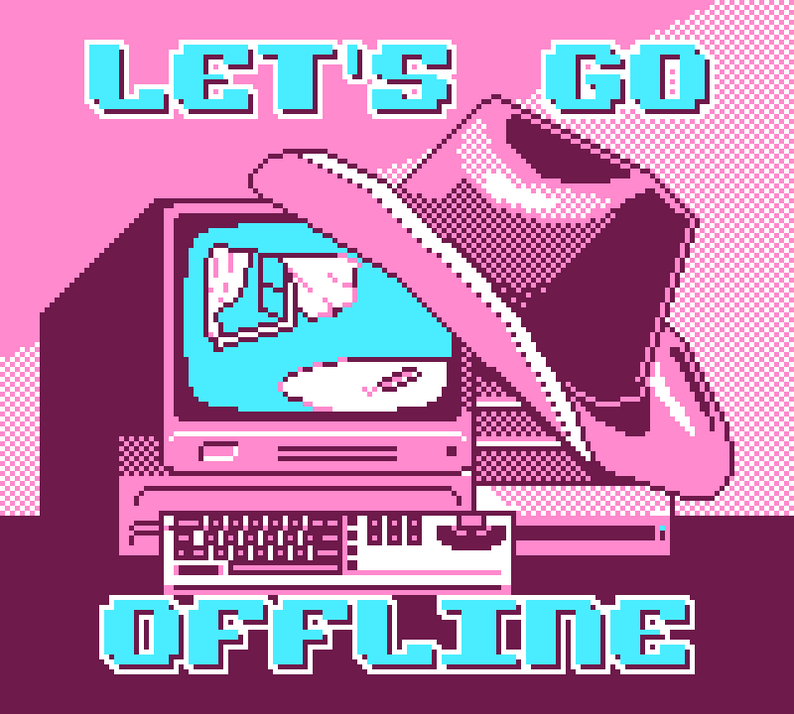
As we look at works like Let’s Go Offline or Swamps’ Witch, we are reminded that creativity is not defined by the tools at our disposal, but by the skill with which we navigate the boundaries set before us. The GB Pixel Art Jam 2024 was more than a contest; it was a celebration of the enduring power of the pixel.