The DIY Revolution: Transforming ESP32 Hardware into Custom Home Assistant Control Panels
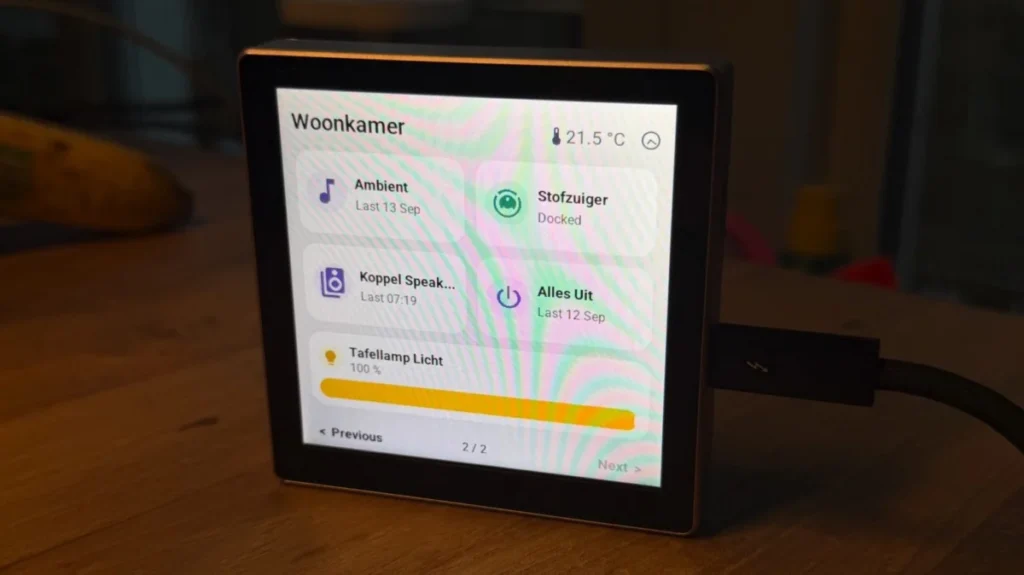
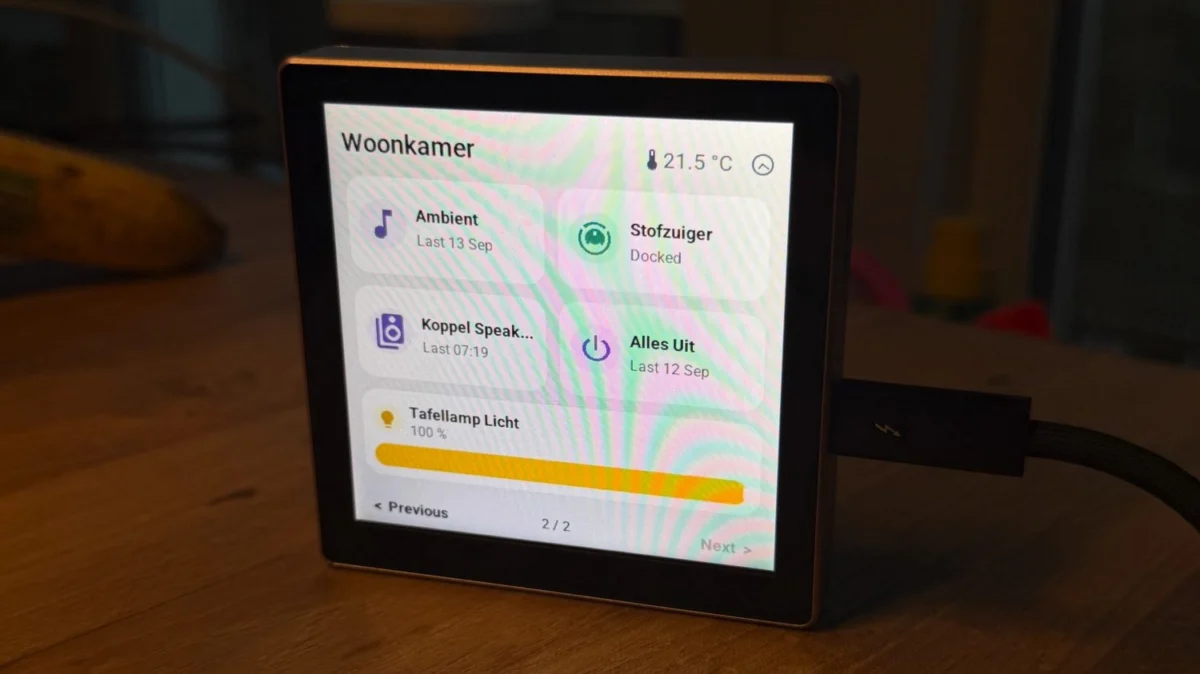
For many technology enthusiasts, the dream of a "smart home" has evolved from simple voice-controlled light bulbs to fully integrated, centralized command centers reminiscent of science fiction interfaces from the 1980s. While platforms like Home Assistant have made managing diverse IoT ecosystems significantly more accessible, the physical interaction layer—the "dashboard"—has often remained tethered to smartphones or tablets.
A new project by developer Max Gramser, titled homeassistant_espscreen, is bridging this gap. By leveraging inexpensive, widely available ESP32 hardware, Gramser has created a streamlined, customizable, and highly responsive touchscreen interface that turns generic development boards into professional-grade wall-mounted control panels.
Main Facts: The Architecture of Control
At its core, the homeassistant_espscreen project is a firmware solution designed to transform ESP32-based development boards into dedicated Home Assistant clients. Unlike general-purpose tablets that require power-hungry operating systems and constant updates, this project runs on lightweight, dedicated hardware.
Hardware Compatibility
The project is specifically optimized for two popular categories of low-cost hardware:
- The "Cheap Yellow Display" (CYD): A ubiquitous hobbyist board that pairs an ILI9341 display with an XPT2046 resistive touchscreen. It has become a staple in the DIY community due to its low cost and high availability.
- Guition ESP32-S3-4848S040: A more advanced unit featuring a vibrant ST7701S RGB display and a responsive GT911 capacitive touchscreen. This hardware choice offers a more premium, "smartphone-like" feel, moving away from the pressure-sensitive nature of resistive touchscreens.
By focusing on these specific modules, Gramser has minimized the friction required for users to get started. The user simply flashes the firmware, configures the network and API tokens, and the unit automatically syncs with the Home Assistant instance via the ESP32’s Wi-Fi capabilities.
Chronology: The Evolution of DIY Smart Home Interfaces
The trajectory of smart home control has been defined by three distinct eras. Understanding this history provides the necessary context for why Gramser’s project is currently gaining significant traction within the open-source community.
The Smartphone Era (2010–2015)
Early smart home adoption relied heavily on proprietary apps. Users were required to unlock their phones, navigate through folders, and open specific applications to dim a light or check a lock status. This friction discouraged casual users and rendered the technology "fiddly" rather than "integrated."
The Tablet Wall-Mount Era (2016–2022)
As tablet prices dropped, users began mounting older iPads and Android tablets on their walls. While functional, these setups were plagued by battery management issues, screen burn-in, and the overhead of running full OS environments. Many users found themselves troubleshooting software updates rather than enjoying the convenience of their smart home.
The ESP32 Embedded Era (2023–Present)
The rise of the ESP32 as a low-cost, low-power microcontroller capable of handling high-resolution graphical output marked a turning point. Projects like homeassistant_espscreen represent the current pinnacle of this trend: specialized hardware that does one thing perfectly. By eliminating the background bloat of a general-purpose computer, these devices boot instantly, consume minimal electricity, and offer a dedicated "always-on" reliability that consumer-grade tablets cannot match.
Supporting Data: Efficiency and Technical Performance
To appreciate the significance of this project, one must look at the performance metrics that distinguish ESP32-based dashboards from traditional computing platforms.
Power Consumption Analysis
- Tablet-based Dashboard: Typically draws 5–15 watts during active use. Continuous power usage often requires permanent wiring and, in many cases, carries the risk of battery swelling due to constant charging cycles.
- ESP32-based Dashboard: Typically operates at 1–3 watts. This allows for significantly reduced heat dissipation and allows the unit to remain cool to the touch, which is vital for long-term installation behind wall-mounted plates.
Latency and Responsiveness
The homeassistant_espscreen utilizes a direct API communication protocol with Home Assistant. Because the firmware is stripped of unnecessary background processes, the time between a "touch" event and the execution of a command (e.g., turning on a smart switch) is often measured in milliseconds. This provides a tactile "instant" response that is frequently lost in cloud-reliant mobile applications.
Customization Flexibility
The GUI design allows for a modular grid system. Users can define:
- Weather and Environmental Widgets: Pulling data from Home Assistant’s weather entities.
- State-Driven Buttons: Visual indicators that change color or icon based on whether a device is active or inactive.
- Media Controls: Direct integration with smart speakers and home media servers.
Official Responses and Community Reception
The developer community has responded with enthusiasm, evidenced by the steady stream of "forks" and contributions to the project’s GitHub repository.
In a recent discussion thread regarding the project, one early adopter noted, "The beauty of this is that I no longer have to worry about a tablet software update breaking my smart home control panel. It is a static, reliable tool."
Home Assistant’s broader community has long championed the "local-first" philosophy. By relying on an ESP32, users are not sending their data to third-party cloud servers just to turn on a lamp in the living room. This alignment with the privacy-centric goals of the Home Assistant project has bolstered the popularity of Gramser’s firmware, as it adheres to the core tenet of total local control.
Implications: The Future of Residential Infrastructure
The widespread adoption of projects like homeassistant_espscreen has profound implications for how we design and interact with our living spaces.
1. The Democratization of Smart Home UX
For years, a custom, integrated "control panel" was a luxury reserved for those who could afford professional installations (like Control4 or Savant), often costing tens of thousands of dollars. Gramser’s work, paired with hardware costing less than $30 USD, essentially commoditizes this experience. It allows the average person to achieve a high-end, futuristic aesthetic without specialized programming skills.
2. Longevity and Sustainability
In the age of planned obsolescence, where tablets are often relegated to e-waste after five years due to software incompatibility, the ESP32 approach is a breath of fresh air. Because the firmware is open-source, users are not at the mercy of a manufacturer’s decision to discontinue support. The hardware can be repaired or replaced by the user with ease, ensuring that the control interface of the home remains functional for the life of the building.
3. Toward "Invisible" Computing
The goal of future-focused smart homes is not to have more gadgets, but to have more effective automation. A well-placed, responsive wall panel serves as a bridge between the physical and digital worlds. When the panel is always ready and specifically tailored to the household’s needs, it becomes a natural part of the home’s architecture, similar to a light switch or a thermostat.
4. Expanding the Scope of the Cheap Yellow Display
The Cheap Yellow Display (CYD) has become a "Swiss Army knife" for makers. While the homeassistant_espscreen is currently one of its most popular applications, the hardware’s versatility suggests that we will see further innovation. Developers are already experimenting with integrating NFC readers for security access, environmental sensors for air quality monitoring, and even local voice recognition models that run entirely on the ESP32 chip.
Conclusion
The project curated by Max Gramser is more than just a piece of code; it is a testament to the power of open-source collaboration and the potential of affordable embedded hardware. By simplifying the creation of Home Assistant interfaces, the project lowers the barrier to entry for users who want a high-performance smart home that is private, reliable, and deeply personalized.
Whether you are a seasoned engineer looking to optimize your home network or a casual hobbyist who simply wants to display the local weather and toggle your smart lights with a touch, the homeassistant_espscreen provides a robust, future-proof, and aesthetically pleasing solution. As the smart home continues to mature, it is these types of modular, community-driven projects that will likely define the standard for how we interact with our living spaces in the coming decade.
If you have been waiting for the right moment to upgrade your home’s interface, the hardware is affordable, the firmware is ready, and the vision of a 1980s-inspired, high-tech control center is now well within your grasp. It is a striking reminder that the most sophisticated solutions are often those that favor simplicity, local control, and the ingenuity of the global maker community.