Scaling the Future: Cellares and GenomeFrontier Partner to Automate Virus-Free CAR T Manufacturing
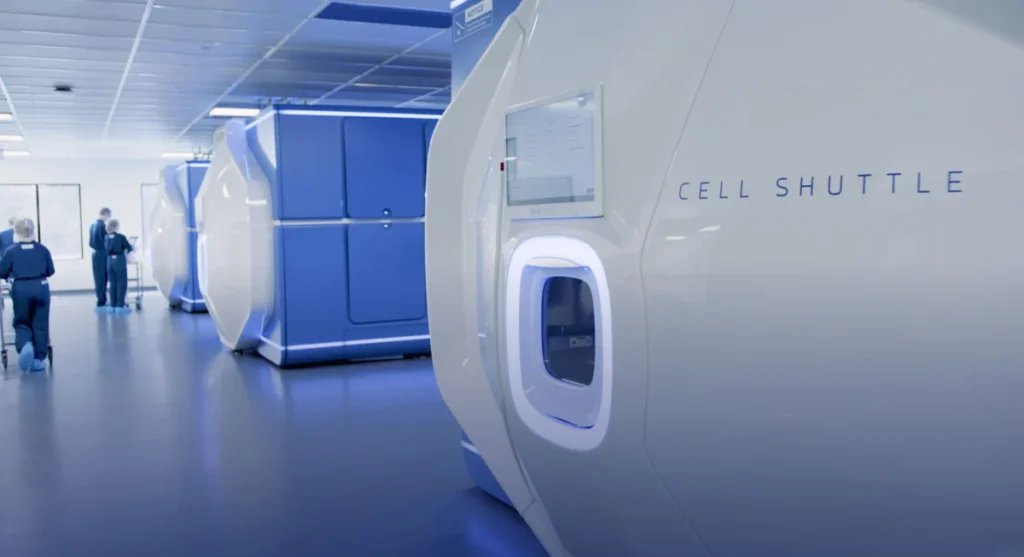
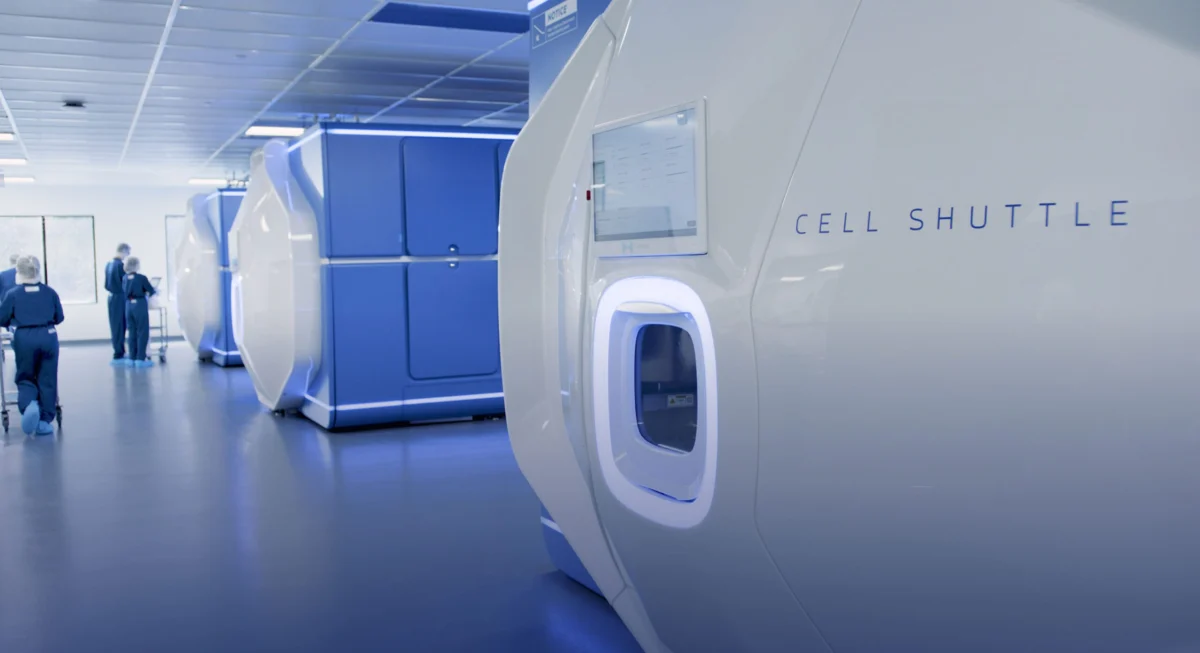
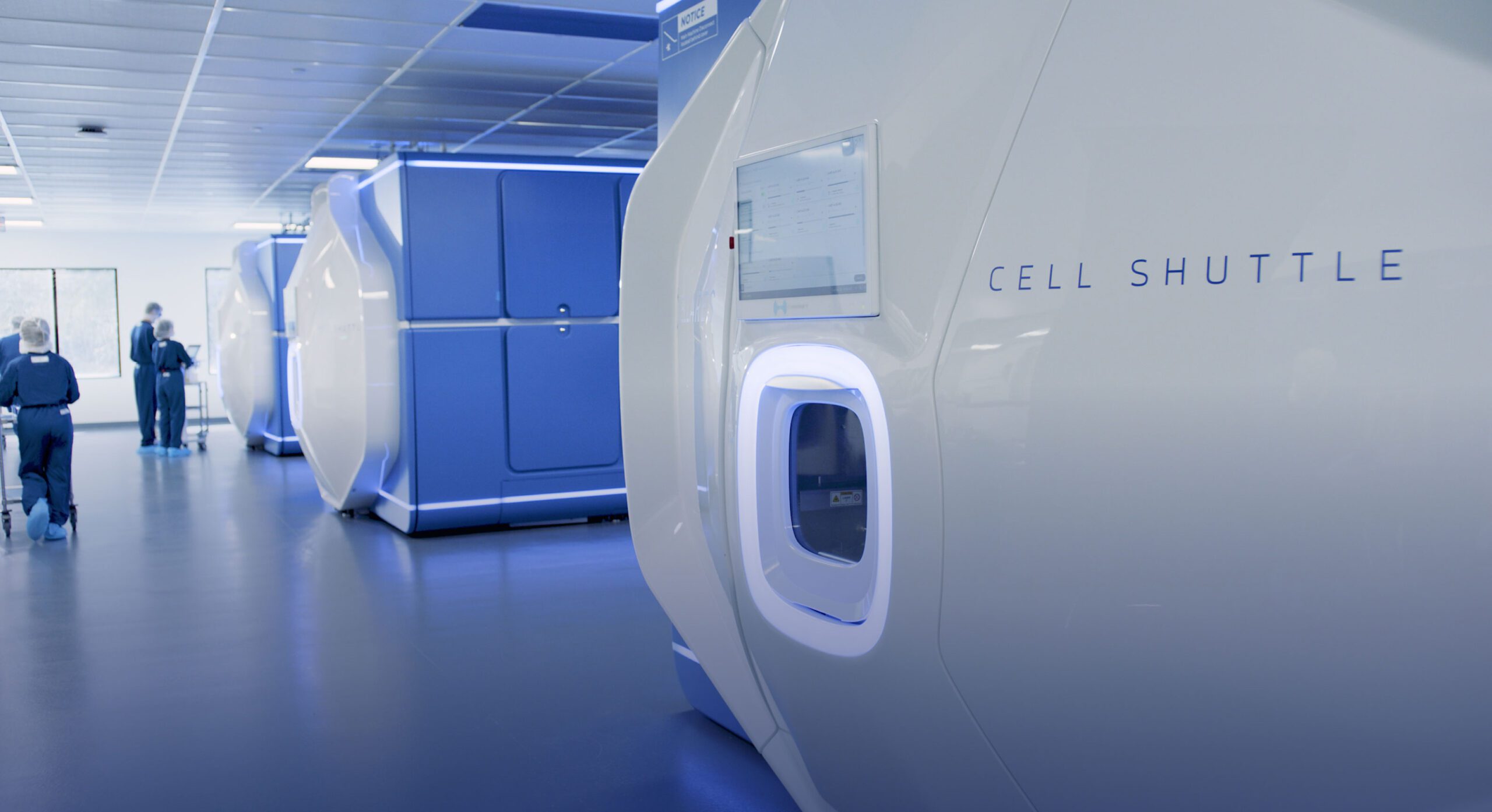
The cell therapy landscape is currently undergoing a radical transformation, shifting from artisanal, labor-intensive manufacturing processes toward highly automated, industrial-scale production. In a significant move that underscores this evolution, Cellares—a pioneering Integrated Development and Manufacturing Organization (IDMO)—has announced a strategic partnership with Taiwan-based GenomeFrontier Therapeutics. The collaboration aims to translate the manufacturing process of GenomeFrontier’s flagship investigational therapy, GF-CART01, onto Cellares’ proprietary "Cell Shuttle" platform.
This partnership is not merely a service agreement; it represents a critical step in reconciling the clinical promise of next-generation, virus-free CAR T-cell therapies with the harsh reality of manufacturing scalability. As GenomeFrontier pivots toward U.S. clinical expansion, the transition to an automated platform may serve as a blueprint for how international biotech firms can navigate the complex regulatory and production hurdles of the American market.
Main Facts: The Intersection of Innovation and Scale
The core of the agreement centers on the technical integration of GF-CART01, a virus-free CAR T-cell therapy, into the Cell Shuttle, an end-to-end automated manufacturing solution.
Unlike traditional CAR T-cell manufacturing, which often relies on viral vectors for genetic modification, GenomeFrontier’s approach utilizes a virus-free methodology. This distinction is crucial; while viral vectors are the current gold standard, they are notoriously difficult to produce at scale and carry significant safety and cost implications. By opting for a non-viral approach, GenomeFrontier is positioning itself at the cutting edge of "next-gen" therapies.
The partnership will specifically focus on optimizing the transfection unit operation using Cellares’ integrated electroporator. Electroporation, a method that uses electrical pulses to create temporary pores in cell membranes to introduce genetic material, is a notoriously delicate process. Automating this within a closed, end-to-end system like the Cell Shuttle is designed to minimize human error, reduce batch-to-batch variability, and significantly decrease the footprint required for manufacturing.
This collaboration marks a historic milestone for Cellares: it is the company’s first development collaboration in the Asian market. By bridging the gap between Taiwan’s vibrant biotech research ecosystem and the rigorous demands of U.S. clinical trials, the partnership aims to accelerate the delivery of GF-CART01 to patients suffering from aggressive B-cell malignancies.
Chronology: The Path to Partnership
To understand the weight of this announcement, one must look at the progression of both companies over the recent years.
- Early Development (2020–2023): GenomeFrontier Therapeutics began its journey by focusing on non-viral CAR T technologies, successfully demonstrating proof-of-concept in preclinical models. During this time, the company focused on building a robust clinical profile in Taiwan, where it reported promising early data.
- The Rise of Cellares (2021–2024): Concurrently, Cellares emerged from stealth with a mission to solve the "scalability bottleneck" in cell therapy. By developing the Cell Shuttle, the company sought to move away from the "cleanroom-in-a-box" model toward a fully integrated, automated factory-on-a-chip architecture.
- Expansion Efforts (Early 2025): GenomeFrontier began evaluating its strategy for international growth, specifically targeting the U.S. market. The company recognized that its existing manual or semi-automated processes would be insufficient to meet the throughput demands of U.S. Phase I trials and the subsequent commercialization pathway.
- Strategic Alignment (2026): After extensive technical due diligence, the two companies identified a shared vision regarding the necessity of end-to-end automation. The formalization of this partnership in Q3 2026 marks the beginning of the technology transfer phase, where GenomeFrontier’s proprietary protocols will be digitized and "taught" to the Cell Shuttle.
Supporting Data: Why Automation is Mandatory
The current state of autologous CAR T-cell therapy manufacturing is widely acknowledged as a significant hurdle to patient access. Traditionally, these therapies are produced in hospital settings or specialized contract manufacturing organizations (CMOs) using a "one-batch-per-room" model.
The Problem with Traditional Manufacturing:
- Labor Intensity: A single CAR T dose can require dozens of hours of manual labor, involving technicians moving materials between different pieces of equipment (centrifuges, bioreactors, etc.).
- Variability: Human intervention is the primary source of variability in cell therapy production. Minor deviations in temperature, handling, or timing can render a batch useless—a devastating outcome for a patient waiting for a life-saving treatment.
- Cost and Capacity: Due to the high failure rates and the reliance on expensive cleanroom space, the cost per dose remains prohibitively high, often exceeding $300,000 to $500,000.
The Cellares Solution:
The Cell Shuttle platform is designed to replace this fragmented process with a single, closed-system unit. By integrating all the necessary process steps—cell isolation, activation, transduction (or in this case, transfection), expansion, and harvest—the Cell Shuttle claims to increase manufacturing capacity by up to 10-fold while reducing the labor required by approximately 90%.
For GenomeFrontier, this is a strategic necessity. GF-CART01 is being developed for a range of B-cell malignancies, including diffuse large B-cell lymphoma (DLBCL), follicular lymphoma, and high-grade B-cell lymphoma. These are aggressive, often fast-moving diseases where the "vein-to-vein" time—the duration from drawing the patient’s blood to re-infusing the engineered cells—is a critical factor in patient survival.
Official Responses: Aligning the Vision
The leadership at both companies views this partnership as a long-term commitment to the standardization of the cell therapy industry.
Dr. Sareina Wu, Founder, CEO, and CSO of GenomeFrontier:
"As we advance GF-CART01, it is important that our manufacturing strategy can support both clinical development and future scale. Our virus-free approach is central to the development of GF-CART01, and this collaboration with Cellares allows us to evaluate how that process can be translated to an automated manufacturing platform as we expand our clinical development in the U.S."
Dr. Wu’s statement highlights the core tension in modern biotech: the need to innovate on the therapeutic side (virus-free) while simultaneously industrializing the production side.
Fabian Gerlinghaus, Co-founder and CEO of Cellares:
"GenomeFrontier’s approach reflects the increasing complexity of next-generation cell therapy manufacturing. The Cell Shuttle is built to automate complex processes, including electroporation-based workflows, with the scalability and reliability needed as therapies advance through clinical development."
Gerlinghaus’s focus on "reliability" touches on a key pain point for regulatory agencies like the FDA. As more CAR T-cell therapies enter the clinic, regulators are increasingly concerned with the consistency of the final product. An automated system that generates a digital record of every millisecond of the manufacturing process provides a level of quality assurance that is difficult to achieve with manual methods.
Implications: The Future of the Cell Therapy Industry
The implications of this partnership extend far beyond the two companies involved.
1. The Rise of the IDMO Model
Cellares represents a shift from the traditional CMO (Contract Manufacturing Organization) to the IDMO (Integrated Development and Manufacturing Organization). Unlike a CMO, which simply provides capacity, an IDMO provides the technology and the process development expertise. This suggests that future biotech firms will increasingly look for partners that offer a "turnkey" solution rather than just renting floor space.
2. Standardization of Virus-Free Manufacturing
By demonstrating that a virus-free, electroporation-based workflow can be automated, Cellares and GenomeFrontier are helping to establish a new industry standard. If successful, this could encourage other companies currently reliant on viral vectors to reconsider their platforms, potentially leading to lower costs and shorter development timelines across the board.
3. Cross-Border Clinical Development
The partnership is a blueprint for international biotech companies looking to enter the U.S. market. Navigating the FDA’s requirements for manufacturing consistency is often the biggest obstacle for foreign firms. By partnering with a U.S.-based technology leader like Cellares, GenomeFrontier is essentially "outsourcing" its regulatory manufacturing risk, allowing its internal teams to focus on clinical endpoints and patient outcomes.
4. Patient Access and Equity
Ultimately, the goal of this collaboration is to improve patient outcomes. By lowering the cost of goods sold (COGS) through automation, the industry moves one step closer to making CAR T-cell therapies a standard, accessible treatment rather than a "last-resort" option limited to elite medical centers.
Conclusion
The collaboration between GenomeFrontier and Cellares is a microcosm of the broader maturation of the biotechnology sector. As we move out of the "experimental" phase of cell therapy and into the "industrial" phase, the winners will be those who can successfully marry cutting-edge science with scalable, automated engineering.
While the path to U.S. clinical approval for GF-CART01 remains rigorous, the decision to leverage the Cell Shuttle platform provides a robust foundation for success. For the oncology community, this signals a hopeful future: one where complex, life-saving therapies are no longer hindered by the constraints of manual production, but are instead empowered by the efficiency of modern, automated manufacturing. As the industry watches this partnership unfold, it will likely serve as a barometer for the viability of non-viral CAR T-cell therapies in the global marketplace.